Do I Bring a Yoga Mat to Pilates
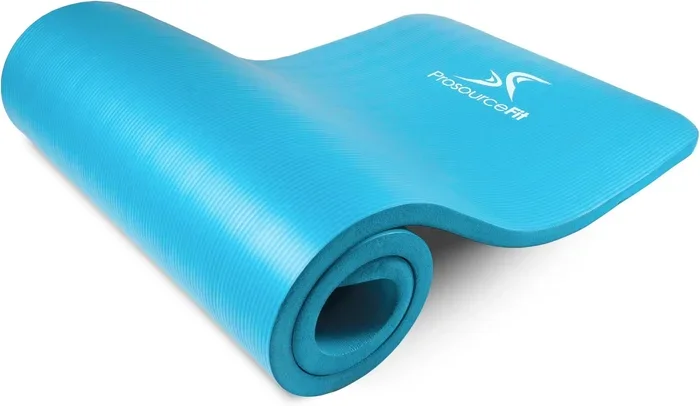
You do not always need to bring a yoga mat to pilates. Many pilates studios provide mats, but bringing your own ensures hygiene and comfort. The right mat thickness and size can make a big difference in your pilates practice.
Have you ever stood in front of your closet wondering if you need to grab a mat before heading to pilates class? This is a common question for both beginners and seasoned practitioners. The answer is not always straightforward, and it depends on several factors. In this guide, we break down everything you need to know about bringing a yoga mat to pilates.
Whether you are new to pilates or have been doing it for years, knowing what equipment to bring can save you time, money, and stress. Let us walk through the details so you can walk into your next class with confidence.
Key Takeaways
- Pilates studios often provide mats: You may not need to bring your own every time.
- A yoga mat can work for pilates: But a dedicated pilates mat offers better support for certain exercises.
- Mat thickness matters: Thicker mats protect your spine and joints during floor work.
- Hygiene is a top reason to bring your own: Using a personal mat reduces exposure to germs.
- Size and portability count: A lightweight, easy-to-carry mat makes your studio visits smoother.
- Check with your studio first: Policies vary, so always confirm what equipment is provided.
📑 Table of Contents
- Do You Need a Mat for Pilates?
- Yoga Mat vs. Pilates Mat: What is the Difference?
- When Should You Bring Your Own Mat?
- What Kind of Mat Should You Bring to Pilates?
- Where Can You Buy a Pilates or Yoga Mat?
- Common Mistakes People Make with Pilates Mats
- Expert Insights on Mat Choice for Pilates
- Final Thoughts: Should You Bring a Yoga Mat to Pilates?
Do You Need a Mat for Pilates?
The short answer is: it depends on the studio. Most pilates studios do provide mats for their clients. These are usually called pilates mats, and they are thicker than standard yoga mats. They are designed specifically for the floor exercises that pilates is known for.
However, not all studios are the same. Some budget-friendly gyms or group fitness classes may only offer basic mats or none at all. This is where bringing your own mat becomes important. If you value personal hygiene and comfort, using your own mat is the way to go.
Many people ask, do I need a yoga mat to do yoga or pilates? The answer is similar for both. A mat gives you a stable, cushioned surface. It prevents slipping and protects your bones from hard floors. Without a mat, you may struggle with grip and comfort during exercises.
Studio-Provided Mats vs. Personal Mats
Studio-provided mats are convenient, but they come with downsides. They may not be cleaned after every use. The thickness and quality can vary widely. Some studios use thin mats that do not offer enough cushioning for pilates exercises like the hundred or roll-ups.
On the other hand, a personal mat is yours to control. You know how clean it is. You know exactly how thick and supportive it feels. This is especially important if you have sensitive knees, a bad back, or any joint issues. For those wondering about how thick of a yoga mat do I need, a pilates-focused mat is typically between 1/2 inch and 1 inch thick.
Yoga Mat vs. Pilates Mat: What is the Difference?
People often use the terms yoga mat and pilates mat interchangeably. But there are real differences between the two. Understanding these differences helps you choose the right equipment for your needs.
A standard yoga mat is usually thinner, around 1/4 inch to 3/8 inch. It works great for yoga because many yoga poses involve balance and standing positions. A thinner mat gives you better ground feedback for these movements.
A pilates mat, on the other hand, is thicker. Pilates involves a lot of floor work where you lie on your back, roll, and stretch. The extra padding protects your spine and tailbone during these movements. If you are doing a core workout on a hard studio floor, a thicker mat makes a noticeable difference.
You can absolutely use a yoga mat for pilates. Many people do. But if you find yourself feeling discomfort during floor exercises, it might be time to invest in a dedicated pilates mat. The right exercise mat can transform your practice and reduce pain.
Key Differences at a Glance
- Thickness: Yoga mats are thinner; pilates mats are thicker for more cushioning.
- Material: Both can be made from PVC, TPE, or natural rubber, but pilates mats tend to be denser.
- Size: Pilates mats are often longer and wider to accommodate full-body extension.
- Grip: Pilates mats prioritize cushioning, while yoga mats focus on slip resistance.
When Should You Bring Your Own Mat?
There are several situations where bringing your own mat to pilates class makes perfect sense. Let us look at when it is most important.
First, if you are new to pilates, bringing your own mat helps you feel more comfortable. You will not have to worry about the cleanliness of a shared mat. This alone can reduce anxiety for first-timers.
Second, if you have specific health concerns like back pain or knee sensitivity, your own mat gives you control over the support level. You can choose the exact mat thickness that works for your body. This is not something you can always count on with studio-provided equipment.
Third, if you attend classes frequently, having your own mat saves time. You do not have to wait for a clean studio mat or carry one from the front desk. It also saves money over time, since many studios charge a fee for mat rentals.
Hygiene Considerations
Hygiene is one of the biggest reasons to bring your own mat. Shared mats can harbor bacteria, fungi, and sweat residue even when studios clean them between classes. A personal mat means you control what touches your skin during every session.
Regular cleaning of your own mat is also important. You can wash it after each use with a gentle cleaner. This keeps it fresh and ready for your next flexibility training session. For tips on keeping your mat clean, check out our guide on what you use to clean a yoga mat.
What Kind of Mat Should You Bring to Pilates?
Not all mats are created equal. If you decide to bring your own mat to pilates, choosing the right one matters. Here is what to look for.
Thickness: For pilates, aim for a mat that is at least 1/2 inch thick. This provides enough cushion for spine protection during floor exercises. If you have joint pain, consider a mat that is even thicker. Our article on how thick of a yoga mat do I need can help you decide.
Material: Natural rubber mats offer excellent grip and durability. TPE mats are lighter and more eco-friendly. PVC mats are budget-friendly but less breathable. Choose based on your priorities.
Size: Pilates involves full-body movements. A standard 72-inch mat may not be enough if you are taller than average. Look for mats that are 78 inches or longer. This gives you room to extend your arms and legs without hanging off the edge.
Weight and Portability: If you walk to class or carry your mat on public transport, weight matters. A lightweight mat that still offers good cushioning is ideal. Many brands now make portable pilates mats that fold or roll up compactly.
Top Features to Prioritize
- Cushioning: At least 1/2 inch for pilates floor work.
- Non-slip surface: Keeps you stable during movements.
- Easy to clean: A smooth surface wipes down quickly.
- Durability: The mat should hold up over months of regular use.
- Carry strap or bag: Makes transportation effortless.
Where Can You Buy a Pilates or Yoga Mat?
If you decide to buy your own mat, you have plenty of options. You can find quality mats at sporting goods stores, online retailers, and even some department stores. For those searching locally, our guide on where can I buy a yoga mat near me lists the best places to find mats in your area.
Online shopping gives you the widest selection and often the best prices. You can read reviews, compare thicknesses, and choose materials that suit your needs. Just make sure to check the return policy in case the mat does not feel right.
When shopping, keep in mind that a good pilates mat does not have to break the bank. You can find excellent options in the $30 to $80 range. Investing in a quality mat pays off in comfort and durability over time.
Budget vs. Premium Options
- Budget mats ($20-$40): Decent for beginners. They may wear out faster but get the job done.
- Mid-range mats ($40-$80): Better cushioning and grip. A solid choice for regular practitioners.
- Premium mats ($80+): Top-tier materials, superior durability, and extra features like alignment lines.
Common Mistakes People Make with Pilates Mats
Avoiding common mistakes can help you get the most out of your pilates practice. Here are some pitfalls to watch out for.
Using a mat that is too thin: This is the most common mistake. A thin mat does not protect your spine during floor exercises. You may feel discomfort or even pain after class. Always check the thickness before you buy.
Ignoring mat grip: A mat that slips on the floor or lets your hands slide can ruin your form. Look for mats with a textured, non-slip surface on both sides.
Forgetting to clean your mat: Even your own mat needs regular cleaning. Sweat and oils build up over time and can cause odors or skin irritation. A quick wipe-down after each session keeps your mat fresh.
Assuming all mats are the same: Yoga mats and pilates mats serve different purposes. Using a thin yoga mat for intense pilates sessions can lead to discomfort. Choose the right tool for the right workout.
Quick Tips to Avoid Mat Mistakes
- Test the thickness by lying down on the mat before you buy it.
- Check that the mat does not slide on the floor when you step on it.
- Wash your mat at least once a week with a gentle cleaner.
- Replace your mat when it starts to lose its cushioning or develops tears.
- Ask your instructor for recommendations if you are unsure which mat to choose.
Expert Insights on Mat Choice for Pilates
Many pilates instructors recommend bringing your own mat to class. They see firsthand how the right equipment improves form and comfort. A good mat supports proper alignment during exercises like the spine stretch forward and the single leg stretch.
Instructors also note that body weight exercises in pilates put direct pressure on the floor. Your mat absorbs this pressure and protects your bones and joints. Without adequate cushioning, repetitive movements can cause strain over time.
If you are unsure whether to bring a mat or use a studio one, try both for a few classes. Pay attention to how your body feels. If you notice any discomfort on the studio mat, it is a clear sign that your own mat is the better choice.
Some studios offer hybrid classes that combine yoga vs pilates elements. In these classes, a versatile mat that balances cushioning and grip is ideal. Look for a mat that can handle both styles if you attend mixed-format classes.
Final Thoughts: Should You Bring a Yoga Mat to Pilates?
The decision to bring a yoga mat to pilates comes down to your personal needs and preferences. If the studio provides mats and you are comfortable using them, that works fine. But if you want better hygiene, comfort, and support, bringing your own mat is the smart move.
Remember, a yoga mat can absolutely be used for pilates. It may not offer the same level of cushioning as a dedicated pilates mat, but it is a great starting point. As your practice grows, you may want to invest in a thicker, pilates-specific mat.
Whatever you choose, the most important thing is that you show up and practice. The right mat equipment supports your journey, but your commitment to the practice is what truly matters. Grab your mat, head to class, and enjoy the benefits of a strong, flexible body.
Frequently Asked Questions
Can I use a regular yoga mat for pilates class?
Yes, you can use a regular yoga mat for pilates. However, yoga mats are typically thinner than pilates mats. If you feel discomfort during floor exercises, consider upgrading to a thicker mat for better support and cushioning during your core workout.
Do pilates studios provide mats for free?
Most pilates studios do provide mats for their clients, often at no extra charge. However, the quality and thickness can vary. It is always a good idea to check with your studio beforehand so you know what to expect and whether you need to bring your own.
How thick should a mat be for pilates exercises?
For pilates, a mat thickness of at least 1/2 inch is recommended. This provides enough cushioning to protect your spine and joints during floor work. If you have sensitive joints or back issues, a mat that is 1 inch thick may be even more comfortable for your body weight exercises.
Is it better to bring your own mat to pilates for hygiene reasons?
Yes, bringing your own mat is significantly better for hygiene. Shared studio mats can carry bacteria and sweat even after cleaning. A personal mat ensures you are working out on a clean surface every time, which is especially important for people with sensitive skin or allergies.
What is the difference between a yoga mat and a pilates mat?
The main difference is thickness. Pilates mats are typically thicker, ranging from 1/2 inch to 1 inch, to provide more cushioning for floor-based exercises. Yoga mats are thinner, usually 1/4 inch to 3/8 inch, to offer better stability for standing and balance poses. Both serve their respective practices well.
Can I use a towel as a substitute for a pilates mat?
A towel is not a good substitute for a pilates mat. It lacks the cushioning needed to protect your spine and joints during floor exercises. It also tends to slide on smooth floors. A proper mat provides the grip, support, and comfort necessary for a safe and effective pilates session.