Is Using the Elliptical the Same as Running
Using the elliptical is not the same as running, even though both are popular cardio exercises. The elliptical offers a low impact workout that protects your joints, while running delivers higher impact and more calorie burn. Understanding these differences helps you choose the right exercise machine for your fitness goals.
Many people wonder whether using the elliptical is the same as running. At first glance, both activities get your heart pumping and your legs moving. But underneath the surface, these two exercises are quite different. Whether you are a beginner or a seasoned athlete, understanding these differences can change your entire approach to cardio.
The elliptical machine has become one of the most popular pieces of exercise equipment in gyms and homes. Its smooth, gliding motion feels gentle on the body. Running, on the other hand, is one of the oldest and most natural forms of exercise. It demands more from your body in many ways. So which one is right for you?
In this article, we break down everything you need to know. We compare the two exercises side by side. We look at calorie burn, muscle engagement, joint impact, and overall fitness benefits. By the end, you will have a clear answer to the question: is using the elliptical the same as running?
Key Takeaways
- Different impact levels: The elliptical is low impact, while running is high impact on your joints and knees.
- Calorie burn varies: Running generally burns more calories per minute than using the elliptical.
- Muscle engagement differs: Running targets more lower body muscles, while the elliptical engages both upper and lower body.
- Both improve cardiovascular fitness: Either machine can boost your heart health when used consistently.
- Injury risk is lower on the elliptical: The smooth motion reduces stress on joints and connective tissues.
- Weight loss is possible on both: Choosing between them depends on your preferences and physical condition.
- Consistency matters most: The best exercise is the one you enjoy and can stick with long term.
📑 Table of Contents
- Understanding the Basic Differences
- Calorie Burn Comparison
- Impact on Joints and Injury Risk
- Muscle Engagement and Workout Benefits
- Which One Is Better for Weight Loss?
- Can You Replace Running with the Elliptical?
- Quick Tips for Getting the Most Out of Each Machine
- Common Mistakes to Avoid
- Expert Insights on Choosing Between the Two
- Final Thoughts
Understanding the Basic Differences
When you compare the elliptical to running, the differences start with how your body moves. On a treadmill, your feet hit a moving belt with each stride. This creates impact force that travels through your ankles, knees, and hips. The elliptical eliminates this impact. Your feet stay on the pedals the entire time.
Running is a weight-bearing exercise. Your body absorbs the shock of each footstrike. This is why many runners experience knee pain or shin splints over time. The elliptical provides a low impact alternative that still raises your heart rate without the same level of stress.
How Each Machine Works
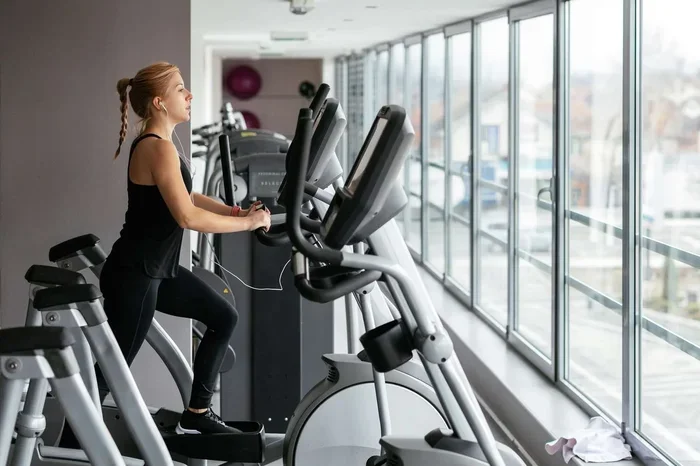
The elliptical machine uses foot pedals that move in an oval or elliptical path. Handlebars move in sync with your legs, allowing your upper body to participate. This full-body engagement is a key feature that sets it apart from many other machines.
Running on a treadmill simply requires you to move your legs in a natural running motion. There is no pedal mechanism. Your body works against gravity with every stride. The treadmill belt moves beneath you, and you match the pace.
Does the elliptical have the same benefits as running? Not exactly. Both improve cardiovascular health, but the way your body responds to each exercise differs significantly.
Calorie Burn Comparison
One of the biggest questions people ask is about calorie burn. Running typically burns more calories than using the elliptical in the same amount of time. A 155-pound person running at 6 miles per hour burns roughly 600 calories in 30 minutes. The same person on an elliptical burns around 350 to 400 calories in that same window.
However, the numbers are not the whole story. Several factors affect how many calories you burn on either machine:
- Body weight: Heavier individuals burn more calories during any exercise.
- Intensity level: Pushing harder on the elliptical can close the calorie gap.
- Resistance settings: Higher resistance on the elliptical increases effort.
- Running speed: Faster paces lead to greater calorie expenditure.
- Fitness level: Trained bodies become more efficient, burning fewer calories for the same effort.
If you are focused on weight loss, both machines can help. But running gives you a slight edge in raw calorie burn. That said, the elliptical still burns a meaningful number of calories and may allow you to exercise longer because of the lower impact.
For more detail on how these two compare for weight loss, check out our guide on Is The Elliptical Or Treadmill Better For Weight Loss.
Impact on Joints and Injury Risk
This is where the elliptical truly shines. Running puts repeated stress on your joints. Each footstrike sends a force equal to about 2 to 3 times your body weight through your knees and ankles. Over weeks and months, this can lead to overuse injuries.
The elliptical eliminates this problem. Because your feet never leave the pedals, there is no impact force. Your joints glide through a smooth, controlled range of motion. This makes the elliptical an excellent choice for people with:
- Knee pain or arthritis
- Previous ankle or hip injuries
- Joint sensitivity that limits high-impact activities
- Recovery from surgery or strain
Running and Knee Health
Many people worry that running is bad for their knees. The truth is more nuanced. Running on a treadmill can be tough on joints, especially if you have poor form or pre-existing conditions. Is running on the treadmill bad for your knees? It can be, particularly if you run on hard surfaces or wear unsupportive shoes.
The elliptical offers a way to get your cardio fix without the same level of joint stress. This does not mean running is always harmful. Many runners train for years without issues. But for those who are injury-prone or carrying extra weight, the elliptical is a safer starting point.
Muscle Engagement and Workout Benefits
Does the elliptical work the same muscles as running? The answer is both yes and no. Both exercises primarily target your lower body. Your quadriceps, hamstrings, calves, and glutes all get a workout whether you are on the elliptical or running.
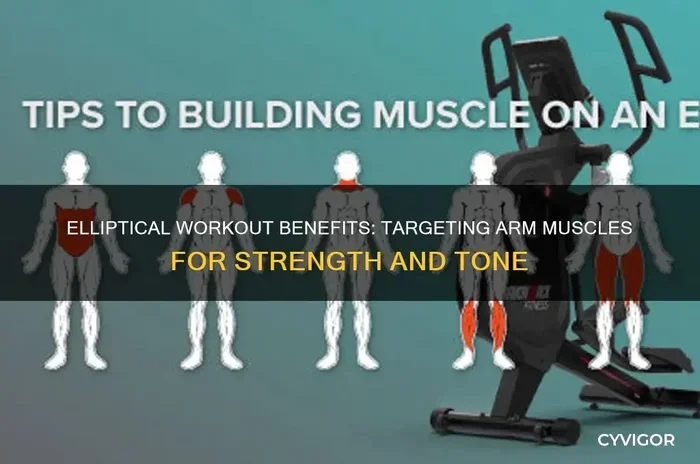
But the elliptical goes a step further. The moving handlebars engage your arms, shoulders, and core. This means you get a more balanced full-body workout on the elliptical. Running, by contrast, mostly works your lower body unless you actively pump your arms with purpose.
Cardiovascular Fitness
Both the elliptical and running improve your cardiovascular system. Your heart gets stronger. Your lungs become more efficient. Your body gets better at delivering oxygen to your muscles.
Does the elliptical have the same benefits as running for heart health? Yes, when performed at a similar intensity level. Your heart rate responds to effort, not just the type of machine. Push yourself on the elliptical, and your heart will work just as hard as it does during a run.
For more on how long your elliptical sessions should be, see How Long Is A Good Workout On The Elliptical.
Which One Is Better for Weight Loss?
If your primary goal is weight loss, you might be asking yourself which machine delivers better results. The honest answer is that both can work. The best machine is the one you will use consistently.
Running burns more calories per minute. But if you hate running, you will avoid it. Consistency is the real driver of weight loss. If the elliptical feels more enjoyable and sustainable for you, it will win the long-term battle every time.
Here is a quick comparison of the two for weight loss:
- Elliptical: Lower impact, full-body engagement, easier to sustain for longer sessions, gentler on joints.
- Running: Higher calorie burn per minute, builds more bone density, requires less equipment, more accessible outdoors.
Want to learn more about whether running on the elliptical helps with weight loss? Visit our page on Is Running On The Elliptical Good For Weight Loss.
Can You Replace Running with the Elliptical?
Many runners turn to the elliptical as a cross-training tool. It gives their joints a break while still maintaining cardiovascular fitness. This is a smart strategy. Alternating between running and the elliptical can reduce injury risk and keep you motivated.
But can you fully replace running with the elliptical? For general fitness, yes. The elliptical provides an excellent cardio workout that improves endurance and heart health. However, if you are training for a race or event, nothing fully replicates the specific demands of running.
Your body adapts to the specific movements you practice most. If you only use the elliptical, your running fitness may decline. The reverse is also true. A balanced approach that includes both exercises gives you the best of both worlds.
Some people also ask, how many miles on the elliptical is equal to running? The general rule is a 1:1 ratio for effort, but the calorie and muscle responses differ based on intensity and individual factors.
Quick Tips for Getting the Most Out of Each Machine
Whether you prefer the elliptical, running, or both, these tips will help you maximize your workouts:
- Focus on posture. Stand tall on both machines. Avoid leaning on the handlebars excessively.
- Vary your intensity. Include intervals of higher effort followed by recovery periods. This boosts calorie burn and fitness gains.
- Use the resistance settings. On the elliptical, increase resistance to challenge your muscles more. On the treadmill, adjust the incline to simulate hills.
- Listen to your body. Pain is a signal. Stop if something feels wrong and consult a professional if needed.
- Stay consistent. Aim for at least 150 minutes of moderate cardio per week, spread across sessions you enjoy.
- Wear proper shoes. For running, invest in quality running shoes. On the elliptical, supportive athletic shoes still matter.
Common Mistakes to Avoid
Even experienced gym-goers make mistakes on these machines. Here are a few to watch out for:
- Slouching on the elliptical: This reduces core engagement and can cause back pain over time.
- Holding the handles too tightly: This shifts work away from your legs and throws off your balance.
- Running too fast too soon: Beginners often push too hard and burn out or get injured.
- Skipping warm-ups: Cold muscles are more prone to strain. Always start with a few minutes of easy movement.
- Ignoring the cool-down: Gradually slowing down helps your heart rate return to normal safely.
Expert Insights on Choosing Between the Two
Fitness experts generally agree that both the elliptical and running are excellent forms of cardio. The right choice depends on your individual goals, physical condition, and personal preferences.
For people new to exercise, the elliptical is often recommended. It is forgiving on the body and allows you to build endurance gradually. For experienced runners looking to add variety, the elliptical serves as a valuable cross-training tool.
Those recovering from injuries often find the elliptical to be their go-to machine. It maintains fitness levels without aggravating the injury site. As recovery progresses, they can gradually reintroduce running.
The bottom line is that neither machine is superior across the board. Each has unique strengths. The best approach is to understand what your body needs and choose accordingly.
Final Thoughts
So, is using the elliptical the same as running? The short answer is no. They are different exercises that share some overlapping benefits. The elliptical offers a low impact, joint-friendly workout that engages your full body. Running delivers higher calorie burn and strengthens bones through impact loading.
Both machines can help you build cardiovascular fitness, lose weight, and improve your overall health. The key is to find what works for your body and your lifestyle. If you love the feeling of running outdoors, stick with it. If the smooth motion of the elliptical feels better, embrace it fully.
You can also combine both. Many fitness routines include both running and elliptical sessions for a well-rounded approach. This variety keeps workouts interesting and reduces the risk of overuse injuries.
The most important thing is to stay active and consistent. Whatever machine you choose, showing up and putting in the effort is what drives real results. Your fitness journey is unique, and the best exercise is the one that keeps you coming back for more.
Frequently Asked Questions
Is the elliptical better than running for beginners?
For most beginners, the elliptical is a better starting point. It is low impact and easier on the joints. You can build endurance and confidence without the high stress that running places on your body. Once you feel stronger, you can gradually add running to your routine.
Can I lose weight faster on the treadmill or the elliptical?
Running on a treadmill generally burns more calories per minute than the elliptical. However, weight loss depends on consistency, diet, and overall effort. If you enjoy the elliptical more, you may work out longer and more often, which can lead to better results over time.
How long should I use the elliptical to get the same benefits as running?
A 30-minute run and a 40 to 45-minute elliptical session can provide similar cardiovascular benefits. The exact time depends on your intensity level and fitness goals. Pushing yourself harder on the elliptical can shorten the session needed to match running benefits.
Does the elliptical count as running for fitness tracking?
Most fitness trackers and smartwatches treat the elliptical differently from running. The calorie estimates and step counts may vary between the two activities. The elliptical still provides a great cardio workout, even if your watch does not log it the same way as a run.
Is it okay to replace all my running with the elliptical?
For general fitness, yes. Replacing running entirely with the elliptical is perfectly fine for most people. However, if you are training for a specific race or event, you will need to include some running to maintain the specific fitness adaptations your body needs for that activity.
Which machine is easier on the knees?
The elliptical is significantly easier on the knees than running. There is no impact force when your feet stay on the pedals. If you have knee pain or are recovering from a knee injury, the elliptical is a safer choice for maintaining your cardio fitness.
=== CONCLUSION ===
Using the elliptical is not the same as running, but both are powerful tools for improving your health. The elliptical gives you a low impact, joint-friendly workout that still delivers real cardio benefits. Running gives you higher calorie burn and stronger bone loading. Choose based on your goals, your body, and what you enjoy most.
The best exercise is the one you will do regularly. Whether that is the elliptical, the treadmill, or both, the key is to stay active and consistent. Start where you are, listen to your body, and build from there. Your future self will thank you.