How to Lose Weight Riding a Stationary Bike

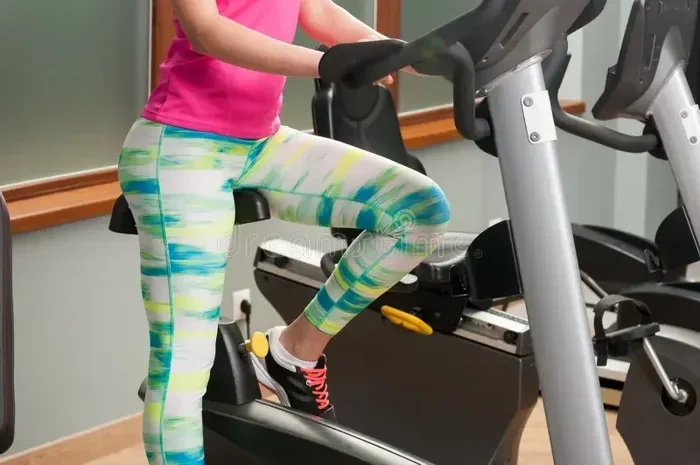
Riding a stationary bike is one of the most effective and low-impact ways to burn calories and shed unwanted pounds. This guide covers everything you need to know about creating a cycling routine that actually works, from setting the right resistance to structuring interval workouts. You will learn how to use your exercise bike to maximize weight loss, avoid common mistakes, and stay consistent on your fitness journey.
Riding a stationary bike to lose weight is one of the smartest choices you can make for your fitness journey. It is gentle on your joints, fits into any schedule, and delivers real results when you do it right. Whether you are just starting out or looking to break through a plateau, this guide will walk you through everything you need to know.
Indoor cycling has exploded in popularity over the past few years, and for good reason. You do not need a gym membership, you can work out in your pajamas, and you can burn serious calories without pounding your knees on pavement. But knowing how to ride a stationary bike for weight loss is different from just pedaling aimlessly. There is a method to it, and this article breaks it all down.
Key Takeaways
- Stationary biking burns significant calories: A 30-minute session can help you burn 250 to 500 calories depending on intensity and body weight.
- Consistency beats intensity: Riding 4 to 6 days per week at moderate effort delivers better long-term results than sporadic intense sessions.
- Interval training accelerates fat loss: Alternating between high and low intensity boosts your metabolic rate for hours after your workout.
- Proper bike setup matters: Correct seat height and handlebar position prevent injury and improve pedal efficiency.
- Diet still plays the biggest role: No amount of cycling can out-train a poor diet. Pair your workouts with a balanced calorie deficit.
- Tracking progress keeps you motivated: Monitor your time, distance, heart rate, and calories to stay accountable and adjust your plan.
📑 Table of Contents
Why a Stationary Bike Works for Weight Loss
A stationary bike workout is a form of cardiovascular exercise that raises your heart rate and pushes your body to burn stored energy. When you create a calorie deficit through exercise and diet, your body taps into fat reserves for fuel. Cycling is particularly effective because it engages large muscle groups in your legs, glutes, and core, which means you burn more calories per minute compared to many other low-impact exercises.
One of the biggest advantages of indoor cycling is that it is incredibly easy on your joints. Running on a treadmill or doing jumping exercises can stress your ankles, knees, and hips over time. A stationary bike lets you get an intense cardio exercise session without the wear and tear. This makes it ideal for beginners, people recovering from injuries, and anyone who wants to train consistently over the long haul.
How Many Calories Can You Burn?
The number of calories you burn during a cycling session depends on several factors. Your body weight, the intensity of your ride, the resistance level, and the duration all play a role. Here is a rough breakdown for a person weighing around 155 pounds:
- Light cycling (moderate effort): About 250 to 300 calories in 30 minutes
- Moderate cycling (steady pace): About 300 to 400 calories in 30 minutes
- Vigorous cycling (high intensity): About 400 to 500 calories in 30 minutes
- Interval training (alternating hard and easy): About 350 to 500 calories in 30 minutes
To put that in perspective, if you ride for 30 minutes five days a week at a moderate pace, you could burn an extra 1,500 to 2,500 calories per week. That is roughly half a pound of fat lost per week from cycling alone, assuming your diet stays consistent. Want to learn more about how long you should ride to see results? Check out how long on a stationary bike to lose weight for a detailed breakdown.
How to Set Up Your Stationary Bike Correctly
Before you jump on and start pedaling, taking a few minutes to set up your bike properly can make a huge difference. A correct setup improves your comfort, boosts your efficiency, and reduces the risk of injury. Many people skip this step and wonder why their workouts feel harder than they should or why they experience knee pain after riding.
Adjusting the Seat Height
Your seat height is the most important adjustment. When you sit on the bike and place your heel on the pedal at its lowest point, your leg should be fully extended with a slight bend at the knee. When you pedal with the ball of your foot (the normal riding position), you should have a small bend remaining. If the seat is too low, you will strain your knees. If it is too high, you will lose power and stability.
Setting the Handlebar Position
The handlebars should be at a height where your arms feel relaxed and your shoulders are not hunched up toward your ears. For weight loss workouts, a slightly lower handlebar position can engage your core more and open up your hip angle for a more powerful pedal stroke. However, if you have back issues, keeping the handlebars higher is perfectly fine. Comfort comes first.
Finding the Right Resistance
Resistance is what makes your ride feel easy or challenging. For a fat burning workout, you want a resistance level that feels moderately challenging. You should be able to hold a conversation but not sing comfortably. Too little resistance and you are essentially spinning your wheels without burning much energy. Too much resistance and you will burn out quickly or compromise your form.
Best Workout Routines for Weight Loss
The secret to losing weight on a stationary bike is not just one type of ride. Mixing up your routines keeps your body challenged and prevents boredom. Here are the most effective workout styles you can incorporate into your weekly schedule.
Steady-State Cycling
Steady-state cycling means maintaining a consistent pace and resistance for an extended period. This is the foundation of any indoor cycling program. Aim for 30 to 45 minutes at a moderate intensity where your heart rate stays in zone 2 or zone 3 (roughly 60 to 75 percent of your maximum heart rate).
This type of workout builds your aerobic base and teaches your body to use fat as fuel more efficiently. It is also sustainable for longer durations, which means you can burn a significant number of calories in a single session. Steady-state rides are perfect for beginners and recovery days.
High-Intensity Interval Training (HIIT)
If you want to maximize your calorie burn in less time, HIIT is the way to go. This involves alternating between short bursts of all-out effort and periods of active recovery. A typical HIIT session on a stationary bike lasts 20 to 30 minutes and can torch more calories than an hour of steady riding.
Here is a simple HIIT routine to try:
- Warm up with easy pedaling for 3 minutes
- Sprint at maximum effort for 30 seconds
- Recover at a slow pace for 60 seconds
- Repeat the sprint and recovery cycle 8 to 10 times
- Cool down with easy pedaling for 3 minutes
HIIT also creates what fitness experts call the “afterburn effect,” where your body continues to burn calories at an elevated rate for hours after your workout ends. This makes it a powerful tool for anyone serious about weight loss goals. For more guidance on structuring your sessions, visit how to burn more calories on a stationary bike.
Endurance Rides
Endurance rides are longer sessions at a low to moderate intensity, typically lasting 45 to 60 minutes. These rides build stamina and teach your body to burn fat more efficiently over extended periods. They are also mentally relaxing and can serve as a great way to de-stress after a long day.
How Often Should You Ride to Lose Weight?
Frequency matters just as much as intensity when it comes to losing weight with a stationary bike. Riding once a week will not produce meaningful results, but riding every single day without rest can lead to burnout and injury. The sweet spot for most people is 4 to 6 sessions per week.
If you are new to cycling, start with 3 to 4 rides per week lasting 20 to 30 minutes each. As your fitness improves, gradually increase the duration and intensity. For those who have been cycling for a while, aim for 45 to 60 minute sessions 5 days a week, mixing steady-state rides with 1 to 2 HIIT sessions.
Remember that consistency is far more important than perfection. A 20-minute ride on a day when you are busy is infinitely better than skipping the workout entirely because you do not have 45 minutes. Every ride counts toward your overall progress.
Common Mistakes to Avoid
Even the best intentions can lead to stalled progress if you fall into common traps. Here are the mistakes most people make when trying to lose weight on a stationary bike and how to fix them.
Setting the Resistance Too Low
Many beginners spin the pedals with almost no resistance because it feels easy. While light spinning has its place in warm-ups, your main weight loss workouts need enough resistance to challenge your muscles and elevate your heart rate. If you can pedal with zero effort, you are not burning enough calories to make a difference.
Skiding Warm-Up and Cool-Down
Jumping straight into high-intensity cycling without warming up increases your risk of injury and reduces your performance. A proper 3 to 5 minute warm-up prepares your muscles, joints, and cardiovascular system for the work ahead. Similarly, cooling down helps your heart rate return to normal and reduces muscle soreness. Do not skip either one.
Relying Only on the Bike for Weight Loss
This is the biggest mistake of all. No matter how hard you ride, you cannot out-exercise a poor diet. A single donut can undo 30 minutes of moderate cycling. To lose weight effectively, you need to combine your workouts with a balanced diet that creates a moderate calorie deficit. Focus on whole foods, lean proteins, vegetables, and healthy fats while keeping processed snacks and sugary drinks to a minimum.
Doing the Same Workout Every Day
Your body adapts quickly to repetitive stress. If you do the exact same ride at the same intensity every day, your progress will stall. Varying your workouts challenges different muscle fibers, prevents plateaus, and keeps your mind engaged. Mix steady rides with intervals, hill simulations, and tempo efforts throughout the week.
Maximizing Your Results: Expert Tips
Once you have the basics down, these expert-level strategies will help you squeeze every last bit of progress from your stationary bike workouts.
- Track your heart rate: Wearing a heart rate monitor helps you train in the right zones and ensures you are working hard enough to burn fat without overtraining.
- Incorporate cadence changes: Alternating between fast pedaling at low resistance and slow pedaling at high resistance works your muscles differently and keeps your workouts dynamic.
- Stay hydrated: Dehydration reduces performance and can masquerade as hunger. Drink water before, during, and after your ride.
- Use music or podcasts: A great playlist or an engaging podcast can make 45 minutes fly by and keep you coming back for more.
- Pair cycling with strength training: Adding 2 to 3 days of strength training per week builds lean muscle, which increases your resting metabolic rate and accelerates fat loss.
For those wondering about the optimal duration for each session, check out how many minutes on a stationary bike to lose weight for science-backed recommendations tailored to different fitness levels.
Is Riding a Stationary Bike Enough to Lose Weight?
The short answer is yes, but with a caveat. A stationary bike is an excellent tool for creating the calorie deficit needed to lose weight, but it works best as part of a broader strategy. Combine your cycling routine with smart nutrition, adequate sleep, and some form of strength training for the fastest and most sustainable results.
Studies have shown that people who combine aerobic exercise like cycling with a balanced diet lose more weight and keep it off longer than those who rely on diet or exercise alone. The stationary bike gives you a low-impact, highly accessible way to burn calories consistently, and that consistency is what drives long-term transformation.
If you are curious about whether a stationary bike is the right choice for your fitness level, explore is a stationary bike good exercise to lose weight for a deeper look at its effectiveness compared to other cardio machines.
Conclusion
Losing weight riding a stationary bike is entirely achievable when you approach it with the right strategy. Set up your bike correctly, vary your workouts between steady-state and interval training, ride consistently 4 to 6 days per week, and pair your efforts with a balanced diet. Avoid the common pitfalls that stall progress, track your metrics to stay motivated, and remember that every ride moves you closer to your goals.
The beauty of indoor cycling is that it meets you where you are. You do not need expensive gear, a fancy gym, or hours of free time. All you need is a bike, a plan, and the willingness to show up. Start today, stay consistent, and watch the results follow.
Frequently Asked Questions
How long should I ride a stationary bike to lose weight?
For effective weight loss, aim for 30 to 45 minutes per session, 4 to 6 times per week. The exact duration depends on your fitness level, intensity, and overall diet. Consistency over time matters more than any single workout length.
Can I lose belly fat by riding a stationary bike?
Spot reduction is a myth, but regular stationary bike sessions combined with a calorie deficit will reduce overall body fat, including belly fat. Cycling burns calories and boosts your metabolism, which contributes to fat loss all over your body.
Is a stationary bike better than a treadmill for weight loss?
Both are effective, but a stationary bike is lower impact and easier on your joints. It also allows you to sustain longer sessions for many people, which can lead to greater total calorie burn over time. The best choice is the one you will actually use consistently.
What resistance level should I use on a stationary bike for weight loss?
For weight loss, aim for a moderate resistance level where you feel challenged but can still maintain your pace for the duration of your workout. Your legs should feel engaged, and you should be breathing harder than normal but not gasping for air.
Should I do cardio or strength training first for weight loss?
If your primary goal is weight loss, doing cardio first can help you burn more calories during your ride when your energy is fresh. However, pairing both in the same session or alternating days throughout the week yields the best long-term results for fat loss and muscle preservation.
How quickly will I see results from riding a stationary bike?
Most people notice improved energy and mood within the first week. Visible weight loss typically begins after 2 to 4 weeks of consistent riding combined with a healthy diet. Significant body composition changes usually become apparent after 8 to 12 weeks of dedicated effort.