Which Is Better for You Treadmill or Elliptical

Choosing between a treadmill or elliptical depends on your fitness goals, joint health, and personal preferences. Both machines deliver excellent cardio workouts, but they target your body differently. This guide breaks down the key differences so you can pick the right machine for your home gym and workout routine.
When you step into a gym or browse home fitness equipment, two machines always seem to dominate the floor. The treadmill and the elliptical are staples of any workout space. But which one is truly better for you? If you have been wondering about the treadmill or elliptical debate, you are not alone. Millions of people face this same question every year when they set up their home gym or look for a new cardio machine.
The truth is, there is no single winner. Each machine has unique strengths that cater to different fitness needs. Some people thrive on the treadmill because it mimics natural movement. Others prefer the elliptical for its smooth, low-impact motion. In this guide, we will break down everything you need to know. By the end, you will have a clear answer to the question: treadmill or elliptical, which is better for you?
Key Takeaways
- Treadmills are ideal for runners who want a natural running or walking experience and higher-impact calorie burn.
- Ellipticals are gentler on your joints, making them a top choice for people with knee or back issues.
- Calorie burn differs between the two, and your choice should align with your specific weight loss or fitness goals.
- Both machines offer great cardio workouts and can be used at home with minimal space.
- Your fitness level and goals matter most when deciding which machine fits your routine best.
- Try both machines if possible before committing to a purchase for your home gym.
📑 Table of Contents
Understanding the Treadmill
The treadmill is one of the most popular exercise machines in the world. It lets you walk, jog, or run indoors on a moving belt. Whether you are a beginner or a seasoned runner, a treadmill can fit your workout routine. You can adjust the speed and incline to match your fitness level.
How a Treadmill Works
A treadmill uses a motorized belt that moves beneath your feet. You walk or run in place while the belt slides backward. The motor controls the speed, and many models let you change the incline. This simulates uphill walking or running. The result is a natural movement pattern that most people find intuitive.
Most modern treadmills come with built-in workout programs. These programs adjust speed and incline automatically. Some even track your heart rate, distance, and calories burned. This makes the treadmill a versatile tool for endurance training and fat burning.
Benefits of Using a Treadmill
- Natural movement: Walking and running on a treadmill feel very similar to doing it outdoors.
- High calorie burn: Running on a treadmill can burn more calories per minute than most other machines.
- Incline training: You can simulate hills, which builds more strength and burns more calories.
- Speed control: You can go as fast or slow as you want, making it suitable for all fitness levels.
- Weight-bearing exercise: This type of exercise helps strengthen bones and improve balance.
Drawbacks of Using a Treadmill
Treadmills do have some downsides. The repetitive impact can stress your joints, especially your knees and ankles. If you have existing joint problems, running on a treadmill may not be the best choice. The machine is also typically louder than an elliptical, which can be a concern in apartments or shared spaces.
Another issue is the risk of injury. If you lose your balance on a fast-moving belt, it can lead to falls or sprains. Always start at a comfortable pace and use the handrails if you need to. Over time, some people also find treadmill workouts boring, especially if they do not vary their routine.
Understanding the Elliptical
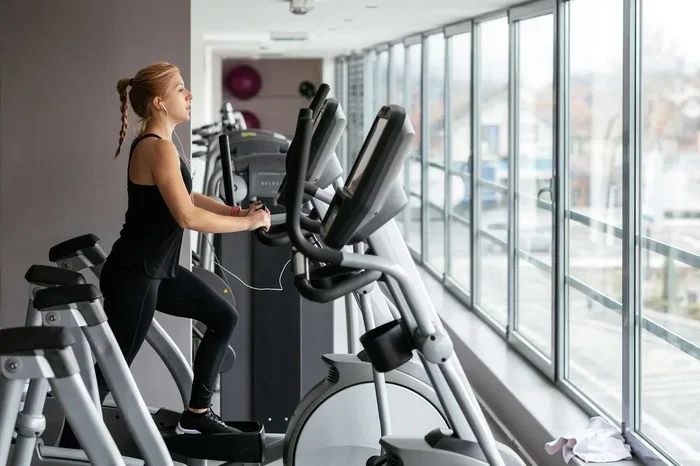
The elliptical machine, sometimes called a cross-trainer, offers a smooth, gliding motion. Your feet stay on the pedals the entire time, so there is no impact. This makes the elliptical a popular choice for people who want a low-impact cardio workout without the stress on their joints.
How an Elliptical Works
An elliptical machine has moving foot pedals and handles. You stand on the pedals and push them in an oval or elliptical motion. This mimics walking, running, or climbing without lifting your feet off the surface. The handles also move back and forth, allowing you to work your upper body at the same time.
Most ellipticals let you adjust the resistance level. Higher resistance makes the workout harder and targets your muscles more. You can also go in reverse, which changes the focus to different muscle groups. This variety keeps workout sessions interesting and effective.
Benefits of Using an Elliptical
- Low impact: Your joints stay protected because your feet never leave the pedals.
- Full-body workout: The moving handles engage your arms, shoulders, and chest.
- Safe for bad knees: People with knee pain or arthritis often prefer the elliptical over a treadmill.
- Smooth motion: There is no jarring impact, which reduces the risk of injury.
- Reverse pedaling: This feature targets different muscles and adds variety to your routine.
Drawbacks of Using an Elliptical
Ellipticals do have limitations. The motion is not as natural as walking or running, which some people find awkward at first. The machine also does not provide weight-bearing exercise, which means it does not help build bone density the way a treadmill does. Additionally, some users find that they cannot achieve the same high-intensity workout on an elliptical as they can on a treadmill.
The elliptical may also feel less challenging for experienced runners. If you are training for a race or event, the treadmill will likely give you a better simulation of real running conditions. However, for general fitness and calorie burn, the elliptical is a solid choice.
Treadmill vs Elliptical: Head-to-Head Comparison
So how do these two machines stack up against each other? Let us look at the key factors that matter most when choosing between a treadmill or elliptical for your fitness routine.
Calorie Burn Comparison
When it comes to burning calories, the treadmill generally wins. Running on a treadmill at a moderate pace can burn between 600 and 1,000 calories per hour, depending on your weight and intensity. The elliptical burns fewer calories, typically between 450 and 700 calories per hour.
However, the difference is not huge. A vigorous elliptical workout with high resistance can come close to a moderate treadmill run. If you are looking for maximum fat burning, the treadmill has a slight edge. But the elliptical still delivers a strong cardio workout that supports your weight loss goals.
| Factor | Treadmill | Elliptical |
|---|---|---|
| Calories Burned (per hour) | 600-1,000 | 450-700 |
| Impact on Joints | High | Low |
| Muscle Groups Worked | Lower body (mainly) | Full body |
| Natural Movement | Yes | Moderate |
| Best For | Runners, weight loss | Joint health, low-impact cardio |
| Bone Strengthening | Yes | No |
| Upper Body Engagement | Minimal | Yes |
Joint Health and Impact
This is where the elliptical truly shines. The low-impact design means your knees, hips, and ankles experience very little stress. If you have bad knees or are recovering from an injury, the elliptical is the safer option.
On the other hand, the treadmill puts more stress on your joints because of the repetitive impact of your feet hitting the belt. This can be a problem for people with existing joint issues. However, walking on a treadmill is much gentler than running. If you stick to brisk walking, the joint stress is significantly reduced.
For a deeper look at how each machine affects your knees, check out our guide on which is better for your knees treadmill or elliptical. It covers joint protection strategies in detail.
Muscle Engagement and Workout Intensity
The treadmill primarily targets your lower body. Your quads, hamstrings, calves, and glutes do most of the work. The incline feature adds more intensity and engages your glutes even more. However, the upper body stays mostly passive unless you swing your arms naturally.
The elliptical, on the other hand, works both your upper and lower body simultaneously. The moving handles pull your arms through a range of motion, engaging your chest, back, shoulders, and biceps. This makes the elliptical a more efficient full-body workout machine.
If you want to build endurance training capacity, the treadmill is the better choice. Running builds cardiovascular endurance and leg strength. The elliptical is excellent for steady-state cardio and recovery workouts. Both machines serve different purposes, and your choice should depend on what you want to achieve.
Which Machine Is Better for Weight Loss?
Weight loss comes down to one simple equation: calories burned versus calories consumed. The machine that helps you burn more calories in less time has the advantage. And for most people, that machine is the treadmill.
Running on a treadmill burns more calories than elliptical training at a similar effort level. A 155-pound person running at 6 mph on a treadmill burns roughly 600 calories in 30 minutes. The same person on an elliptical burns about 350 calories in 30 minutes at a moderate pace.
But here is the catch. The elliptical is easier to sustain over long periods because it is low-impact. You might last 45 minutes on an elliptical but only 20 minutes on a treadmill before your joints give out. Over time, the total calorie burn could be similar.
For a detailed comparison of how each machine affects weight loss, read our article on is the elliptical or treadmill better for weight loss. It covers long-term weight loss strategies using both machines.
Quick Tips for Maximizing Weight Loss on Either Machine
- Use interval training: Alternate between high intensity and recovery periods to boost calorie burn.
- Increase incline or resistance: This adds difficulty and engages more muscles.
- Stay consistent: Aim for at least 150 minutes of moderate cardio per week.
- Track your progress: Use the machine’s built-in display or a fitness watch to monitor calories burned.
- Combine with strength training: Muscle burns more calories at rest, so add weight training to your routine.
Which Machine Is Better for Your Back?
Back health is another important factor to consider. The treadmill and elliptical affect your spine and back muscles differently. Understanding these differences can help you make a smarter choice for your fitness goals.
Running on a treadmill can cause jarring impact that travels up through your spine. This may worsen existing back pain or lead to new issues over time. However, walking on a treadmill is much gentler and can actually help relieve back stiffness for some people.
The elliptical is generally easier on the back because of its smooth, gliding motion. There is no impact, and you stand upright with good posture. This makes the elliptical a better choice for people with chronic back pain or spinal issues.
If you want to learn more about how each machine affects your back, check out our detailed guide on which is better for your back treadmill or elliptical. It provides expert insights and practical tips.
Expert Insights and Common Mistakes
Common Mistakes to Avoid
Many people make avoidable mistakes when using a treadmill or elliptical. Here are some of the most common ones:
- Holding onto the handrails too tightly: This reduces your calorie burn and throws off your posture. Use the handles lightly for balance only.
- Skipping warm-ups: Jumping straight into a fast workout increases your risk of injury. Always start slow and gradually increase intensity.
- Ignoring incline or resistance: Staying at the same level for months means your body has adapted. Change it up regularly.
- Looking down at your feet: This strains your neck and ruins your posture. Keep your eyes forward.
- Doing the same workout every day: Variety prevents plateaus and keeps your body challenged.
What Fitness Experts Say
Most fitness experts agree that the best machine is the one you will actually use. Consistency matters more than the specific machine you choose. If you love the feeling of running, the treadmill will keep you coming back. If you prefer a smooth, joint-friendly workout, the elliptical is the way to go.
Experts also recommend trying both machines if you have access to them. Many gyms have both, so take advantage of that. Pay attention to how your body feels after each workout. Your joints, energy levels, and overall enjoyment are the best guides for choosing the right machine.
Making the Final Decision
So, which machine should you choose? The answer depends on your individual needs, goals, and circumstances. Here is a quick guide to help you decide.
Choose a treadmill if:
- You enjoy running or walking and want a natural movement pattern.
- Your primary goal is maximum calorie burn and weight loss.
- You want to train for an outdoor race or event.
- You do not have joint problems or back issues.
- You want a weight-bearing exercise for stronger bones.
Choose an elliptical if:
- You have knee, hip, or joint pain and need a low-impact option.
- You want a full-body workout that engages both upper and lower body.
- You are recovering from an injury and need a safe cardio machine.
- You prefer a smooth, quiet workout that is easy on your joints.
- You want to maintain cardio fitness without high impact.
Some people even choose to have both machines in their home gym. This gives you the flexibility to switch between them based on how your body feels each day. Variety keeps workouts fresh and prevents overuse injuries. If space or budget is a concern, the treadmill or elliptical comparison above should help you prioritize.
For more guidance on choosing the right machine for your specific needs, check out our article on which is better a treadmill or an elliptical. It covers additional factors like space, budget, and feature comparisons.
Conclusion
The debate between the treadmill and the elliptical does not have a one-size-fits-all answer. Both machines offer excellent cardio workouts and can help you reach your fitness goals. The treadmill is better for high-calorie burn, running simulation, and bone health. The elliptical is gentler on your joints, offers a full-body workout, and is ideal for people with pain or injuries.
Your best choice depends on your body, your goals, and your preferences. Consider your current fitness level, any joint issues, and what you enjoy most. The machine that fits your lifestyle and keeps you motivated is the one that is truly better for you. Start with what feels right, stay consistent, and you will see results regardless of which machine you choose.
Frequently Asked Questions
Is a treadmill or elliptical better for beginners?
Both machines are beginner-friendly, but the elliptical is often easier to start with. The smooth motion requires no coordination, and there is no impact on your joints. A treadmill is also great for beginners, especially if you stick to walking at first. You can always increase the speed and incline as you build confidence and fitness.
Can I lose belly fat using a treadmill or elliptical?
Spot reduction is a myth, but both machines can help you burn overall body fat, including belly fat. The treadmill burns more calories per session, which creates a larger calorie deficit. The elliptical is still effective, especially if you maintain a consistent routine and pair it with a healthy diet. Consistency is the key to losing fat on either machine.
Which machine is safer for people with bad knees?
The elliptical is significantly safer for people with bad knees. Because your feet stay on the pedals, there is no impact or jarring motion. The treadmill can stress your knees, especially when running. However, walking on a treadmill at an incline is much gentler and may still be suitable for some people with knee issues.
How long should I workout on a treadmill or elliptical?
The American Heart Association recommends at least 150 minutes of moderate aerobic activity per week. This breaks down to about 30 minutes a day, five days a week. You can split this between a treadmill and elliptical if you like variety. Start with 20 to 30 minutes per session and gradually increase the duration as your endurance improves.
Does the elliptical tone your legs better than a treadmill?
The elliptical engages more muscles overall, including your arms and core, but it may not tone your legs as intensely as a treadmill. Running or walking on a treadmill builds more leg strength and muscle tone, especially when you use the incline feature. The elliptical creates lean muscle without adding bulk, making it great for toning without excessive strain.
Can I replace outdoor running with a treadmill or elliptical?
A treadmill is the closest substitute for outdoor running. It mimics the same movement pattern and allows you to control speed and incline. The elliptical is a lower-impact alternative that still provides a solid cardio workout but does not replicate the outdoor running experience. If you are training for an outdoor event, the treadmill is the better training tool.