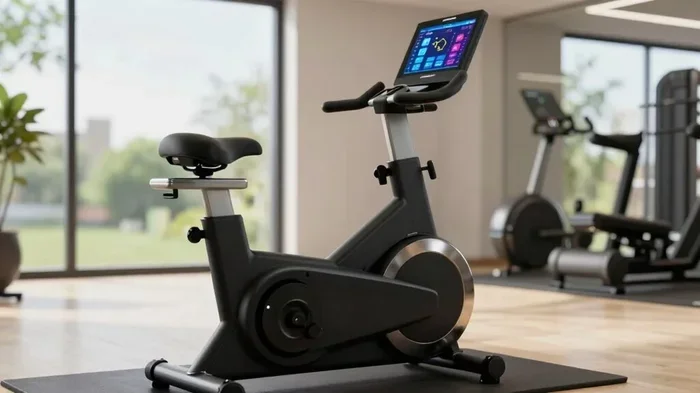
How to Use Exercise Bike for Weight Loss
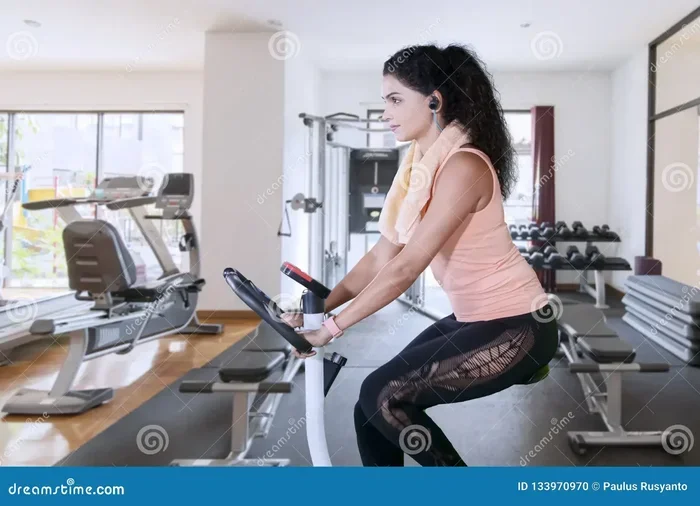
Using an exercise bike for weight loss is one of the simplest and most effective ways to burn calories, shed fat, and improve your overall fitness. This guide covers everything you need to know, from proper bike setup and workout routines to how long and how often you should ride. You will learn proven strategies, common mistakes to avoid, and expert tips that help you get real results without spending hours in the gym.
Riding an exercise bike for weight loss is one of the smartest choices you can make. It is low impact, easy on your joints, and incredibly effective when done right. Whether you are a complete beginner or someone looking to break through a plateau, this guide gives you everything you need. You will learn how to set up your bike, which workouts work best, and exactly how to structure your routine for maximum fat burn.
Many people buy an exercise bike and then wonder why the pounds do not seem to move. The problem is usually simple. They do not use the bike correctly or consistently enough. This article fixes that. We break down every step of the process in plain language. By the end, you will have a clear plan to follow. No guesswork. No confusion.
The beauty of cycling for weight loss is that it fits into almost any lifestyle. You can ride at home while watching TV. You can squeeze in a quick session before work. You can go at your own pace and still see real results. Let us dive in and build your roadmap to success.
Key Takeaways
- Correct setup matters: Adjusting your seat, handlebars, and resistance levels properly prevents injury and boosts calorie burn.
- HIIT workouts are powerful: Alternating between high and low intensity on the bike torches calories long after your session ends.
- Consistency beats intensity: Riding 4 to 6 times per week for 30 to 45 minutes delivers better results than occasional long sessions.
- Avoid common mistakes: Slouching, skipping warm-ups, and using too much resistance too soon can stall your progress.
- Track your progress: Monitoring heart rate, calories burned, and ride duration keeps you motivated and accountable.
- Combine with diet: Pairing your bike workouts with a balanced diet accelerates weight loss significantly.
📑 Table of Contents
Why an Exercise Bike Is Great for Weight Loss
An exercise bike for weight loss offers advantages that many other machines simply cannot match. First, it is gentle on your knees, hips, and ankles. Running on a treadmill can be harsh. But cycling lets you get a strong cardio workout without the pounding. This makes it perfect for people who are overweight, recovering from injury, or just starting their fitness journey.
Second, you can burn a significant number of calories. A moderate stationary bike workout can burn between 400 and 600 calories per hour, depending on your weight and intensity. Over time, this adds up fast. Third, indoor cycling lets you show up every single day. Weather, traffic, and gym crowds become non-issues. You roll out of bed and start riding.
Here are some key reasons an exercise bike works so well for burning fat:
- Low impact exercise protects your joints while still raising your heart rate.
- Easy to track progress using built-in metrics like speed, distance, and calories burned.
- Adjustable resistance lets you customize every workout to your fitness level.
- Safe and convenient — you can ride at any time, in your pajamas if you want.
- Builds lean muscle in your legs and glutes, which boosts your resting metabolism.
How Many Calories Can You Burn?
The number of calories you burn depends on a few factors. Your body weight, the resistance level, and the intensity of your ride all play a role. A 155-pound person cycling at a moderate pace for 30 minutes burns roughly 260 calories. Push the intensity higher, and that number climbs. For best results, aim to ride at a pace where you can talk but not sing. This is your moderate intensity zone, and it is a sweet spot for fat burning.
How to Set Up Your Exercise Bike Correctly
Proper setup is the foundation of every effective ride. Skip this step, and you risk discomfort, poor performance, and even injury. Taking five minutes to adjust your bike before each session makes a huge difference.
Seat Height and Position
Your seat should be level with your hip when you stand next to the bike. When you place your foot on the pedal at the bottom of the stroke, your leg should be almost fully extended. A slight bend in the knee is perfect. If the seat is too low, you will put unnecessary pressure on your knees. If it is too high, you will struggle to reach the pedals comfortably.
Handlebar Adjustment
The handlebars should be at the same height as the seat or slightly higher. This keeps your back straight and your shoulders relaxed. If you lean too far forward, your lower back will ache after a few minutes. New riders often make the mistake of grabbing the lowest handlebar position because it looks cool. Resist that urge. Comfort comes first.
Foot Placement and Pedal Straps
Place the ball of your foot on the pedal center. Use the pedal straps or clip-in pedals if your bike has them. This keeps your feet secure and lets you pull up on the pedal as well as push down. That full circular motion engages more muscles and increases your calorie burn during every indoor cycling session.
Best Workout Programs to Lose Weight on an Exercise Bike
Not all workouts are created equal. Some cycling workouts for fat loss are far more effective than others. The key is to mix things up and challenge your body in different ways. Here are the best workout programs to try.
Steady-State Rides
This is the simplest approach. You ride at a consistent, moderate pace for 30 to 45 minutes. Keep your resistance at a comfortable level where your legs feel challenged but not exhausted. Steady-state rides are excellent for beginners. They build your aerobic base and teach your body to use fat as fuel. Over time, you can increase the duration or resistance slightly to keep progressing.
High-Intensity Interval Training (HIIT)
HIIT is the gold standard for burning fat on a bike. The idea is simple. You alternate between short bursts of all-out effort and periods of easy recovery. For example, pedal as hard as you can for 30 seconds, then ease off for 60 seconds. Repeat this cycle for 20 to 25 minutes total.
HIIT workouts are incredibly efficient. They torch calories during the session and keep your metabolism elevated for hours afterward. This is called the afterburn effect, and it is a game changer for anyone serious about weight loss. Start with two HIIT sessions per week and gradually increase as your fitness improves.
Endurance Rides
Once you have built a base fitness level, try longer rides at a steady, moderate pace. These sessions last 60 to 90 minutes and teach your body to burn fat efficiently. Endurance rides are perfect for weekends or days when you have extra time. They also build mental toughness and discipline, which carry over into every area of your life.
Comparison: Steady-State vs. HIIT
| Feature | Steady-State Rides | HIIT Rides |
|---|---|---|
| Duration | 30 to 60 minutes | 15 to 25 minutes |
| Intensity | Moderate and consistent | Alternating high and low |
| Calories Burned | Moderate during ride | High during and after ride |
| Best For | Beginners and recovery days | Advanced fat burning |
| Joint Impact | Very low | Low |
| Time Efficiency | Requires longer sessions | Delivers results in less time |
How Long and How Often Should You Ride?
This is one of the most common questions people ask. The answer depends on your current fitness level and your fitness goals. But here are some solid guidelines to follow.
If you are brand new to cycling, start with three rides per week. Each session should last 20 to 30 minutes. Focus on building the habit first. Do not worry about speed or resistance. Just show up and ride consistently. Once you feel comfortable, add a fourth or fifth session and gradually extend each ride to 40 or 45 minutes.
For steady weight loss, aim for at least 150 minutes of moderate cycling per week. That works out to about 30 minutes on five days. If you prefer high intensity interval training, you can cut the time in half because HIIT is more intense per minute. But remember, consistency is king. Riding four times a week for 30 minutes will always beat riding once a week for two hours.
One important tip: listen to your body. Rest days are not lazy days. They are recovery days that allow your muscles to repair and grow stronger. Overtraining leads to burnout and injury, both of which will slow your progress.
Common Mistakes to Avoid When Using an Exercise Bike
Even the best workout plan can fail if you make avoidable mistakes. Here are the most common errors people make when using an exercise bike to lose weight and how to fix them.
Mistake 1: Skipping the warm-up. Jumping straight into a hard ride shocks your muscles and joints. Always start with 5 to 10 minutes of easy pedaling at low resistance. This increases blood flow and prepares your body for the work ahead.
Mistake 2: Using too much resistance too soon. Heavy resistance is not always better. If you are struggling to pedal at a reasonable speed, the resistance is too high. Keep your cadence between 60 and 90 revolutions per minute. This protects your knees and lets you sustain effort for longer periods.
Mistake 3: Slouching or hunching over. Poor posture reduces your breathing capacity and puts strain on your lower back. Sit up tall, engage your core, and keep your shoulders relaxed. Imagine a string pulling the crown of your head toward the ceiling.
Mistake 4: Ignoring your upper body. Your legs do all the work, but your upper body should stay engaged. Lightly grip the handlebars, keep your elbows slightly bent, and avoid locking your arms. Some riders like to do standing intervals where they rise off the seat and pedal while standing. This engages your core and upper body more effectively.
Mistake 5: Not tracking your progress. If you do not measure anything, you cannot improve. Use the display on your bike or a fitness app to track your ride time, distance, heart rate, and calories burned. Review your numbers weekly and adjust your plan as needed.
Tips to Maximize Your Weight Loss Results
Getting the most out of your exercise bike requires more than just riding. A few smart strategies can dramatically accelerate your progress.
Pair Your Rides with a Balanced Diet
No workout plan can outrun a poor diet. To lose weight, you need to create a calorie deficit. This means burning more calories than you consume. Use your bike rides to increase your calorie burn, but also pay attention to what you eat. Focus on whole foods like lean proteins, vegetables, fruits, and whole grains. You do not need to follow a strict diet. Just make smarter choices most of the time.
Stay Hydrated
Drinking water before, during, and after your ride is essential. Dehydration reduces your performance and makes you feel tired faster. Keep a water bottle on your bike and take small sips throughout your session. Aim for at least 8 ounces of water every 15 to 20 minutes during intense rides.
Add Variety to Your Routine
Doing the exact same ride every day gets boring fast. Your body also adapts to repetitive movements, which means you burn fewer calories over time. Switch between steady rides, HIIT sessions, endurance rides, and even simulated hill climbs. Variety keeps things interesting and challenges your muscles in new ways.
Consider a Heart Rate Monitor
Training in the right heart rate zone makes a massive difference. For fat burning, aim for 60 to 70 percent of your maximum heart rate. This is your aerobic zone where your body primarily uses fat for fuel. You can calculate your maximum heart rate by subtracting your age from 220. A heart rate monitor helps you stay in the zone and avoid pushing too hard or too little.
Set Realistic Goals and Track Them
Set small, achievable goals for each week. Maybe your goal is to ride four times this week, or to increase your average speed by half a mile per hour. Write your goals down and check them off as you hit them. This simple habit builds momentum and keeps you motivated through plateaus and busy weeks.
Be Patient and Stay Consistent
Weight loss does not happen overnight. It is the result of hundreds of small decisions made consistently over time. Some weeks you will see big drops on the scale. Other weeks the number will not move at all. That is completely normal. Trust the process, keep showing up on your bike, and the results will come.
Final Thoughts
Using an exercise bike for weight loss is one of the most practical and effective approaches you can take. It requires minimal equipment, fits into any schedule, and puts very little stress on your body. The key is to be consistent, mix up your workouts, and pair your riding with healthy eating habits.
Start where you are. Do not compare your journey to someone else’s. Every ride you complete is a step forward. Whether you are doing a quick 20-minute HIIT session or a leisurely 60-minute endurance ride, you are investing in your health and your future. Get on that bike, show up, and let the results speak for themselves.
If you want to dive deeper into specific topics, check out our guide on how effective an exercise bike is for weight loss and learn more about what to expect. You can also explore how long to use your exercise bike for optimal results and how often to schedule your rides for the best weekly routine.
Frequently Asked Questions
Can I lose belly fat by riding an exercise bike?
Yes, riding an exercise bike regularly can help you lose belly fat, but spot reduction is a myth. Cycling burns overall body fat, and the belly is often one of the first areas to shrink when you maintain a consistent calorie deficit. Pair your bike workouts with a healthy diet for the best results.
How long does it take to see results from cycling for weight loss?
Most people start noticing changes within 4 to 6 weeks of consistent riding. This depends on your diet, ride intensity, and how often you train. Stay patient, track your progress, and trust that every session counts toward your goals.
Is it better to ride an exercise bike every day?
Riding every day is fine if you keep the intensity moderate and listen to your body. However, including at least one or two rest days per week helps your muscles recover and prevents burnout. Aim for 4 to 6 sessions per week for sustainable results.
What resistance level should I use on my exercise bike?
For weight loss, a moderate resistance level works best for steady rides. During HIIT intervals, you can increase resistance for short bursts. The goal is to feel challenged without sacrificing your pedaling speed or form. Adjust based on how your legs feel.
Should I eat before or after my exercise bike workout?
Eating a small, balanced snack 30 to 60 minutes before your ride gives you energy to perform better. After your workout, eat a meal rich in protein and healthy carbs to replenish glycogen and support muscle recovery. Timing matters but consistency matters more.
Can beginners use an exercise bike for weight loss?
Absolutely. An exercise bike is one of the most beginner-friendly machines available. Start with short, easy rides of 15 to 20 minutes and gradually increase the duration and intensity. The low impact nature of cycling makes it safe and comfortable for people of all fitness levels.