What Is the Best Recumbent Bike to Buy
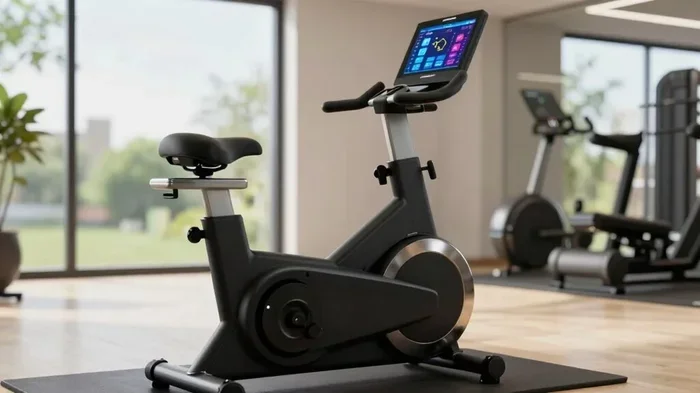
Choosing the right recumbent bike can transform your home workouts and joint-friendly cardio routine. Our guide covers top models, key features, and buying tips to help you find the best recumbent bike for your fitness goals and budget.
Finding the right recumbent bike for your home can feel overwhelming. There are so many brands, models, and features to consider. You want something comfortable, durable, and effective. But where do you even start?
A recumbent bike is one of the best cardio machines you can add to your home gym. Unlike upright bikes, the recumbent design lets you sit back with your legs stretched out in front of you. This position is much easier on your joints and back. Whether you are a beginner or a seasoned fitness lover, a recumbent bike can fit your needs.
In this guide, we will walk you through everything you need to know. We will cover the top models, key features to look for, and common mistakes to avoid. By the end, you will feel confident picking the best recumbent bike for your home and budget.
Key Takeaways
- Recumbent bikes offer low-impact exercise: They are easier on your joints than upright bikes and treadmills.
- Seat comfort is a major advantage: The reclined seating position reduces back strain and pressure on hips.
- Resistance levels matter: Look for bikes with multiple resistance options to customize your workout intensity.
- Budget ranges vary widely: You can find quality recumbent bikes from $200 to over $2,000 depending on features.
- Console features enhance tracking: Modern bikes include LCD displays that track speed, distance, calories, and heart rate.
- Assembly and space are key factors: Some models fold for storage, while others need a dedicated floor spot.
📑 Table of Contents
What Is a Recumbent Bike?
A recumbent bike is a stationary bike where you sit in a laid-back reclined position. Instead of sitting upright like on a regular bike, you rest against a seat back. Your legs extend forward to reach the pedals. This design puts less stress on your knees, hips, and lower back.
Many people choose a recumbent bike because it feels more natural and comfortable. The seat is wider and more padded than most upright bikes. You can read a book, watch TV, or scroll your phone while you pedal. That makes it a great option for longer workout sessions.
How Does It Compare to an Upright Bike?
An upright bike mimics the posture of a regular bicycle. You lean forward and grip handlebars. A recumbent bike lets you sit back and relax. Both machines give you a solid cardio workout, but the recumbent version is gentler on your body.
If you have back pain or joint issues, a recumbent bike is usually the better choice. It also feels more stable because the seat is lower to the ground. You do not need to balance yourself the way you would on an upright bike.
Benefits of Using a Recumbent Bike
The recumbent bike offers many benefits that make it a standout choice for home exercise. Here is why so many people love this machine.
Low-Impact Joint Protection
One of the biggest advantages of a recumbent bike is its low-impact nature. Your feet stay on the pedals the whole time. There is no jumping or jarring movement. This makes it ideal for people recovering from injuries or dealing with arthritis.
Studies show that low-impact cardio can improve heart health without stressing your joints. A recumbent bike gives you exactly that. You can get a great workout without the wear and tear that comes with running or high-impact exercises.
Comfortable Seating Position
The seat on a recumbent bike is one of its best features. It is wide, cushioned, and supports your entire back. You can adjust the seat forward or backward to find your perfect fit.
This comfort factor means you are more likely to stick with your routine. If you enjoy your workout, you will use the bike more often. And consistency is the key to seeing real results.
Full-Body Workout Potential
While a recumbent bike mainly targets your legs, you can engage your upper body too. Some models come with moving handlebars that let you work your arms at the same time. This gives you a more complete full-body cardio session.
You can also add light hand weights while pedaling to boost the upper body engagement. Just make sure your posture stays aligned and your core remains engaged throughout the workout.
Key Features to Look For
Not all recumbent bikes are created equal. When shopping, pay attention to these important features.
Resistance Levels
Look for a bike that offers multiple resistance levels. This lets you adjust the intensity of your workout. Beginners may want fewer levels, while advanced users prefer more options. A bike with at least 16 resistance settings gives you plenty of room to grow.
Magnetic resistance is the most common and quietest type. It provides smooth, consistent adjustments without any noise. Some higher-end models use friction or motor-driven resistance systems.
Flywheel Weight
The flywheel is the heavy wheel that creates momentum when you pedal. A heavier flywheel, usually between 15 and 40 pounds, provides a smoother and more natural pedaling feel. Lighter flywheels can feel jerky and less comfortable.
For a quality recumbent bike, aim for a flywheel of at least 20 pounds. This will give you a fluid ride that closely mimics outdoor cycling.
Console and Display
The console is where you track your workout progress. Most modern recumbent bikes come with LCD or LED displays. Look for models that show speed, distance, time, calories burned, and heart rate.
Some higher-end bikes include preset workout programs and Bluetooth connectivity. These features let you follow guided workouts or sync your data with fitness apps. They can make your sessions more engaging and fun.
Adjustable Seat and Pedals
A good recumbent bike should have an adjustable seat. You want to be able to move it forward and back easily. The pedals should also be adjustable, with straps to keep your feet secure.
Proper positioning prevents strain and ensures you get the most out of each pedal stroke. Take the time to set up your bike correctly before every workout.
Top Recumbent Bikes to Consider
Now that you know what features matter, let us look at some of the best recumbent bikes on the market right now.
Budget-Friendly Option
If you are just starting out or watching your budget, there are solid recumbent bikes under $500. These models still offer decent resistance levels, a comfortable seat, and a basic console. They are perfect for casual riders who want to get started with indoor cycling at home.
Mid-Range Pick
In the $500 to $1,000 range, you will find recumbent bikes with better build quality, more resistance levels, and improved consoles. These bikes often include heart rate monitors and preset workout programs. They strike a great balance between price and performance.
Premium Models
For serious fitness enthusiasts, premium recumbent bikes above $1,000 deliver top-tier performance. They feature heavy flywheels, advanced consoles with apps, and ultra-comfortable seats. These bikes are built to last for years of daily use.
If you are also considering other home cardio machines, you might want to check out what is the best home treadmill to buy for comparison. Different machines serve different purposes, and having options in your home gym gives you variety.
Where and When to Buy a Recumbent Bike
Timing and location matter when you are buying a recumbent bike. You want to get the best deal without sacrificing quality.
Best Places to Shop
You can buy recumbent bikes from sporting goods stores, department stores, and online retailers. Online shopping often gives you more options and better prices. Before you buy, check reviews and compare models across different websites.
Where you buy also matters. When looking for the best place to purchase fitness equipment, consider return policies, warranty coverage, and shipping costs. Some retailers offer free assembly or setup services, which can save you a lot of hassle.
Best Times to Buy
Like most fitness equipment, recumbent bikes often go on sale during certain times of the year. Major shopping holidays like Black Friday and Cyber Monday are great for deals. New Year sales and summer clearance events can also offer significant discounts.
If you are flexible with your timing, wait for a sale to get the best value. Check out when is the best time to buy a treadmill, because similar seasonal deals often apply to all home fitness equipment, including recumbent bikes.
Common Mistakes to Avoid
Buying a recumbent bike is a big decision. Avoid these common mistakes to make sure you get the right machine.
Skipping the Test Ride
Many people buy a bike online without ever sitting on it. This is a mistake. The feel of the seat, the smoothness of the pedals, and the noise level all matter. If possible, visit a store and test ride the model you are interested in.
Ignoring Assembly Requirements
Some recumbent bikes require professional assembly, which adds to the cost. Others come with tools and instructions for DIY setup. Before you buy, check the assembly requirements and factor in any additional costs or time needed.
Overlooking Warranty Details
A good warranty protects your investment. Look for bikes that offer at least a one-year frame warranty and 90-day parts warranty. Premium models may offer longer coverage. Do not skip this step, because repairs can be expensive if something goes wrong.
Buying Based on Price Alone
The cheapest recumbent bike is not always the best value. A very cheap model may have a flimsy flywheel, uncomfortable seat, or limited resistance. Focus on quality and features rather than just the price tag.
Final Thoughts
A recumbent bike is one of the smartest investments you can make for your home fitness setup. It is comfortable, effective, and gentle on your joints. Whether you are recovering from an injury, managing a chronic condition, or just looking for a fun way to stay active, a recumbent bike delivers.
Take your time to compare models, read reviews, and think about your specific needs. The best recumbent bike is the one that fits your body, your budget, and your fitness goals. With the right machine, you will look forward to every workout.
Remember, the best time to start is now. You do not need the most expensive bike to see results. Consistency and proper form matter more than any single feature. Pick a bike that feels right, set it up in a comfortable spot, and enjoy the ride.
Frequently Asked Questions
What is the best recumbent bike for beginners?
Beginners should look for a recumbent bike with a comfortable seat, at least 8 resistance levels, and a simple console. Budget models under $500 often work well for people just starting their fitness journey. Focus on ease of use and comfort over fancy features at first.
How long should I ride a recumbent bike each day?
For general health, 20 to 30 minutes per session is a great starting point. You can gradually increase the duration as your fitness improves. Aim for at least 150 minutes of moderate cardio per week, which breaks down to about 30 minutes on five days.
Can a recumbent bike help with weight loss?
Yes, a recumbent bike is an effective tool for weight loss when combined with a healthy diet. It burns calories, boosts your metabolism, and is easy enough to do consistently. The low-impact nature means you can exercise more frequently without feeling sore or worn out.
Is a recumbent bike better than a treadmill?
It depends on your goals and body. A recumbent bike is easier on your joints and back, while a treadmill offers weight-bearing exercise that strengthens bones. If you have joint pain or prefer seated workouts, a recumbent bike is the better choice. For a direct comparison of home fitness options, you can also explore what is the best home treadmill to buy.
Do recumbent bikes require a lot of space?
Most recumbent bikes need about 4 to 5 feet of length and 2 to 3 feet of width. Some models are compact and can fit in smaller rooms. If space is a concern, look for folding or compact designs. You can also check where is the best place to buy a treadmill, as many of the same retailers carry recumbent bikes too.
How often should I maintain my recumbent bike?
Wipe down the bike after each use and check the seat and pedal adjustments regularly. Lubricate the chain or drive belt every few months, depending on how often you ride. Inspect the resistance mechanism annually to make sure everything is working smoothly.