Does the Elliptical or Treadmill Work Better 2

The debate between the elliptical and treadmill is one of the most common questions in fitness. Both machines deliver solid cardio workouts, but they differ in impact, muscle engagement, and calorie burn. This guide breaks down everything you need to know so you can pick the right machine for your goals.
Fitness enthusiasts have been debating the elliptical versus treadmill question for years. Whether you are building a home gym or choosing a machine at the gym, the decision matters. Your choice affects your workout quality, joint health, and how many calories you burn. So let us dive into the details and settle this debate once and for all.
The question “does the elliptical or treadmill work better 2” keeps popping up in fitness forums and search queries. People want a clear answer. They want to know which machine delivers better results for their specific goals. The truth is, both machines have strengths. Both have weaknesses. And the best choice depends entirely on what you are trying to achieve.
This guide covers everything from calorie burn to joint impact. We will look at muscle engagement, workout intensity, and who benefits most from each machine. By the end, you will have a clear picture of which option fits your fitness routine.
Key Takeaways
- Low impact matters: The elliptical is gentler on your joints, making it ideal for people with knee or back issues.
- Calorie burn varies: Treadmills generally burn more calories at higher intensities, but ellipticals still deliver a strong workout.
- Muscle engagement differs: Treadmills target your lower body and core, while ellipticals also involve your upper body.
- Your fitness goals decide the winner: Weight loss, joint health, and endurance training all factor into which machine works best for you.
- Both machines are versatile: You can adjust speed, incline, and resistance to match your fitness level on either one.
- Consistency beats the machine: The best cardio machine is the one you will actually use regularly.
📑 Table of Contents
Understanding the Core Differences Between Elliptical and Treadmill
Before we compare performance, it helps to understand what each machine actually does. The treadmill simulates walking or running on a moving belt. You control the speed and incline. The elliptical provides a smooth, gliding motion that keeps your feet on the pedals at all times.
These fundamental differences shape everything else. Your stride, your posture, and even your breathing pattern change depending on which machine you use. Let us break this down further.
How the Treadmill Works
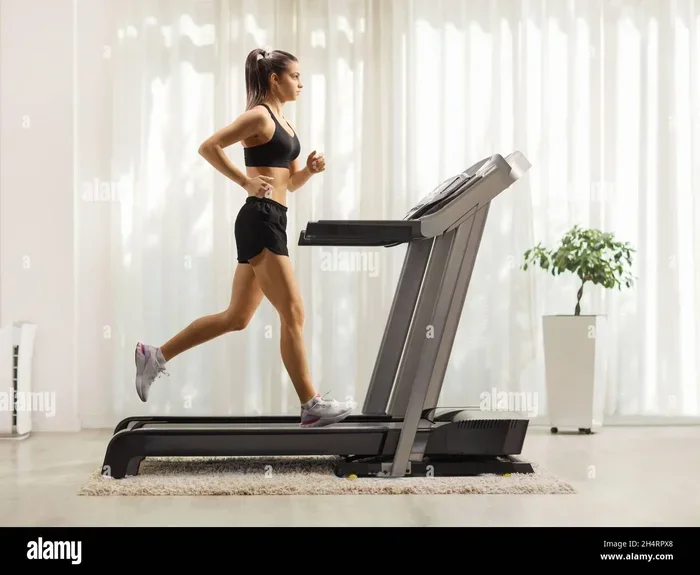
A treadmill lets you walk, jog, or run indoors. The belt moves beneath your feet, and you match the pace. You can set an incline to simulate hills. This makes treadmills great for running training and outdoor simulation. The motion is natural and familiar for most people.
Treadmills also allow for sprint intervals and hill workouts. These features boost your heart rate quickly. They push your cardiovascular system hard. If you love the feeling of running, a treadmill delivers that experience indoors.
How the Elliptical Works
The elliptical machine creates a smooth, oval-shaped motion. Your feet never leave the pedals. This creates a low impact exercise experience that is easy on your joints. Most ellipticals also include moving handlebars that engage your arms.
This upper body involvement is a big deal. It means your muscle engagement goes beyond just your legs. Your chest, back, shoulders, and arms all chip in. The result is a full body workout that feels less stressful than running on a treadmill.
Calorie Burn: Which Machine Wins?
Calorie burn is usually the number one concern for people choosing between these machines. The answer depends on several factors, including your weight, workout intensity, and the machine settings.
Generally speaking, a treadmill burns more calories at the same perceived effort level. Running on a treadmill engages more muscles and requires more energy. But here is the catch: many people cannot sustain a hard run on a treadmill for long. Their joints hurt. Their motivation drops.
The elliptical lets you work out longer because it is easier on the body. A longer elliptical session can match or even exceed the calorie burn of a shorter treadmill run. So the real winner depends on how long and how hard you can actually push yourself.
If you are serious about maximizing calorie burn, check out our detailed breakdown on Is The Elliptical Or Treadmill Better For Weight Loss to see the numbers side by side.
What Research Says About Calorie Burn
Studies show that a 155-pound person burns roughly 300 calories in 30 minutes on an elliptical at moderate effort. The same person burns about 370 calories in 30 minutes of running at 6 miles per hour on a treadmill. But increase the treadmill speed or incline, and the burn goes up fast.
The key takeaway is this: intensity matters more than the machine itself. A high-intensity elliptical session will burn more calories than a casual walk on the treadmill. Push yourself on either machine, and you will see results.
Impact on Joints and Muscles
This is where the elliptical really shines. The smooth gliding motion eliminates the harsh impact that comes with every running stride. Your knees, hips, and ankles take a lot less punishment on the elliptical compared to the treadmill.
If you have existing joint pain or are recovering from an injury, this difference matters a lot. Many people with bad knees find the treadmill unbearable after just a few minutes. The same people can often use the elliptical for 30 minutes or more without pain.
For a deeper look at how each machine affects your knees, read our guide on Is A Treadmill Or Elliptical Better For Bad Knees.
Which Muscles Does Each Machine Target?
The treadmill primarily works your quads, hamstrings, calves, and glutes. Your core muscles also engage to keep you stable. Running at an incline shifts more work to your glutes and hamstrings.
The elliptical targets many of the same lower body muscles. But because of the handlebars, it also works your chest, back, biceps, and triceps. This makes the elliptical a better choice if you want a full body workout without the joint stress.
Your cardiovascular health improves on both machines. The treadmill tends to push your heart rate higher at intense speeds. The elliptical keeps your heart rate steady at a moderate level over longer periods. Both approaches build endurance and stamina.
Which Machine Fits Your Fitness Goals?
This is the most important question. Your fitness goals should drive your choice, not the other way around. Let us look at common goals and see which machine serves each one best.
Goal: Weight Loss
For pure weight loss, the treadmill has a slight edge. It burns more calories per minute at high intensity. But only if you can sustain the effort. Many people find the treadmill too hard on their joints for long sessions. In that case, the elliptical becomes the better tool because you can exercise longer and more consistently.
For a comprehensive look at this topic, visit our article on Is The Treadmill Or Elliptical Better For Losing Weight.
Goal: Joint Health and Recovery
If you have sensitive joints or are coming back from an injury, the elliptical is the clear winner. The zero-impact design protects your knees and ankles while still giving you an effective cardio session. You can build endurance and burn calories without risking further damage.
Goal: Running Performance
Training for a race or looking to improve your running speed? The treadmill is the better choice. It replicates the exact motion of outdoor running. Your legs, lungs, and mental toughness all adapt to the treadmill in ways that translate directly to running performance.
Goal: General Fitness and Longevity
If your goal is simply to stay active and healthy, both machines work great. The best choice is the one you enjoy using. Enjoyment leads to consistency. Consistency leads to results. It really is that simple.
Goal: Full Body Toning
The elliptical wins here because of the handlebars. You get upper and lower body engagement in every session. The treadmill focuses mainly on the lower body and core. If you want to tone your arms and back while doing cardio, the elliptical is the better pick.
Wondering which body parts the elliptical targets? Check out What Parts Of The Body Does The Elliptical Work for a detailed muscle breakdown.
Expert Tips to Get the Most Out of Either Machine
No matter which machine you choose, how you use it matters just as much as the machine itself. Here are some expert-backed tips to maximize your results.
1. Change Up Your Routine
Doing the same steady workout every day leads to plateaus. Mix in interval training. Alternate between high intensity bursts and recovery periods. This keeps your body guessing and your workouts effective.
2. Focus on Posture
Slouching on either machine reduces your results and risks injury. Stand tall. Keep your shoulders back. Engage your core. On the treadmill, avoid gripping the handrails too tightly. On the elliptical, use the handlebars for guidance, not support.
3. Track Your Progress
Most modern machines have built-in fitness trackers. Monitor your heart rate, calories burned, and distance. Use this data to push yourself a little harder each week. Small, consistent improvements lead to big results over time.
4. Warm Up and Cool Down
Start each session with five minutes of easy movement. Let your muscles and joints warm up gradually. End with a cool-down period to bring your heart rate back to normal. Skipping these steps increases your risk of injury and muscle soreness.
5. Set Realistic Goals
Do not expect dramatic changes in one week. Set weekly goals for workout duration, intensity, or consistency. Celebrate small wins. Build momentum. Over time, these small steps add up to significant improvements in your fitness.
Quick Comparison: Elliptical vs Treadmill
Here is a quick side-by-side look at how these two machines stack up.
- Calorie Burn: Treadmill wins at high intensity; elliptical wins for longer sessions.
- Joint Impact: Elliptical is much gentler on knees and hips.
- Muscle Engagement: Elliptical works more muscles, including upper body.
- Running Training: Treadmill is the clear winner for run-specific training.
- Ease of Use: Both are beginner-friendly, but the elliptical feels less intimidating.
- Home Gym Suitability: Treadmills tend to be heavier and louder; ellipticals are quieter and more compact.
For a broader perspective on this comparison, check out Which Is Better A Treadmill Or An Elliptical for more detailed insights.
Final Thoughts
So, does the elliptical or treadmill work better? The honest answer is both. Each machine brings something unique to the table. The treadmill excels at high-intensity calorie burn and running-specific training. The elliptical offers a low impact, full body workout that protects your joints.
Your best choice depends on your body, your goals, and your preferences. If you love running and want to train for a race, lean toward the treadmill. If you want a gentle yet effective cardio session that works your whole body, choose the elliptical. And if you are dealing with joint pain, the elliptical is almost certainly the safer option.
The most important thing is to stay active and consistent. The best machine is the one you will actually use. Try both if you can. See how your body responds. Then make an informed decision based on what feels right for you.
Whatever you choose, you are already taking a great step toward better health. Keep moving, keep challenging yourself, and enjoy the journey.
Frequently Asked Questions
Is the elliptical or treadmill better for weight loss?
The treadmill burns more calories per minute at high intensity, but the elliptical allows for longer workouts. Consistency matters most for weight loss, so pick the machine you will use regularly.
Can I replace outdoor running with a treadmill?
Yes, a treadmill closely mimics outdoor running. Adjust the incline to simulate hills and vary your speed for a realistic training experience. Many runners use treadmills as their primary training tool.
Is the elliptical bad for my knees?
Not at all. The elliptical is one of the best cardio machines for people with knee issues. The smooth, gliding motion eliminates the impact stress that running puts on your joints.
How long should I work out on either machine?
Aim for 30 to 45 minutes per session, four to five times per week. Adjust the intensity based on your fitness level. Start slow and gradually increase your duration and effort over time.
Can the elliptical help me tone my arms?
Yes. Most ellipticals have moving handlebars that engage your arms, chest, and back muscles. This makes the elliptical a great choice for a full body toning workout alongside your cardio.
Which machine is better for beginners?
The elliptical is often easier for beginners because it is low impact and less intimidating. You can start at a slow pace and gradually increase resistance. Both machines are beginner-friendly with adjustable settings.