How to Protect Knees on Elliptical for Arthritis
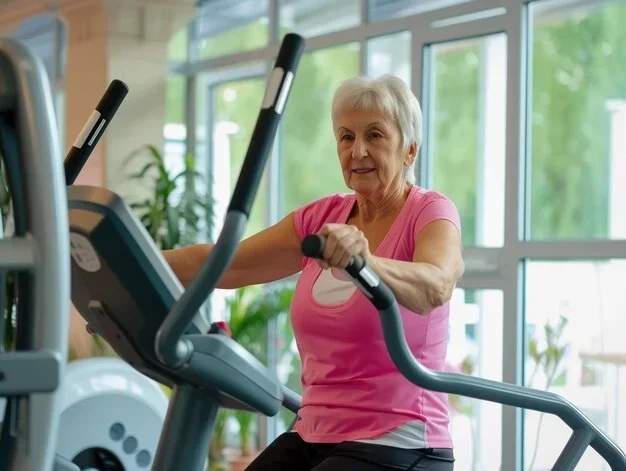
Using an elliptical with arthritis doesn’t have to hurt your knees. The right form, settings, and warm-up routine can make this low-impact cardio machine one of the safest ways to exercise with joint pain. Follow our expert tips to protect your knees and still get a great workout.
Living with arthritis means every workout decision matters. Your knees take a beating from daily life, and adding the wrong exercise can make things worse. The elliptical machine is often recommended for people with joint pain because it’s low impact. But even low impact can cause problems if you don’t use it correctly.
This guide shows you exactly how to protect your knees on elliptical when you have arthritis. We’ll cover form, settings, warm-ups, and common mistakes. By the end, you’ll feel confident hopping on your machine without fear of knee pain. Let’s get into it.
Key Takeaways
- Adjust stride length: A shorter stride reduces knee strain and prevents hyperextension on the elliptical.
- Keep resistance low: High resistance forces your knees to work harder, which worsens arthritis symptoms.
- Warm up properly: A 5-10 minute warm-up prepares your joints and reduces stiffness before you start.
- Use proper posture: Standing tall and avoiding leaning on the handles protects your knees and hips.
- Limit session length: Shorter workouts (15-20 minutes) are safer for arthritic knees than long sessions.
- Wear supportive shoes: Proper footwear absorbs shock and reduces impact on your knee joints.
- Consult your doctor: Always get medical advice before starting any new exercise routine with arthritis.
📑 Table of Contents
- Why Ellipticals Are Good for Arthritis
- Proper Form to Protect Your Knees
- Elliptical Settings for Arthritic Knees
- Warm-Up and Cool-Down Routines
- How Long Should You Exercise on the Elliptical?
- Common Mistakes That Hurt Your Knees
- When to Avoid the Elliptical Altogether
- Expert Tips for Long-Term Knee Health on the Elliptical
- Final Thoughts
Why Ellipticals Are Good for Arthritis
Many people with arthritis worry about exercise making their condition worse. The truth is, movement helps your joints. An elliptical for arthritis offers smooth, gliding motion that doesn’t jar your knees the way running does. The machine supports your body weight, which takes pressure off your joints.
Here’s why the elliptical machine works well for people with joint pain:
- Low impact: Your feet stay on the pedals, so there’s no jumping or pounding.
- Controlled motion: The elliptical path guides your legs, reducing awkward movements.
- Adjustable resistance: You can dial it down to match your comfort level.
- Cardio benefits: You get heart-healthy exercise without stressing your knees.
- Full body engagement: Many ellipticals let you work your arms too, distributing effort away from your legs.
Studies show that low-impact exercise reduces stiffness and improves range of motion in arthritic joints. The elliptical checks all these boxes. But you still need to use it the right way. That’s where this guide comes in.
Proper Form to Protect Your Knees
Form is everything when you’re working out with knee arthritis. Bad habits on the elliptical can accelerate joint damage over time. Let’s break down the right way to stand and move.
Stand Tall, Not Leaned
A lot of people grab the front handles and lean forward. This puts extra force on your knees. Instead, stand up straight with your core engaged. Keep your shoulders back and your head up. The handles are there for balance, not to carry your weight.
Think of it this way: you want your body to do the work, not the machine. When you lean on the handles, your knees compensate by bearing more load. Over time, this leads to more pain and inflammation.
Keep Your Feet Flat
Your whole foot should stay on the pedal throughout the motion. Don’t ride on your toes or let your heels lift. When your foot stays flat, the force spreads evenly across your ankle and knee joint. This reduces pressure on any single spot.
If you notice your heels lifting, slow down. You might be going too fast or pushing too hard. Protecting your knees on the elliptical starts with small details like this.
Don’t Lock Your Knees
Never straighten your legs completely at the bottom of the pedal stroke. Locking your knees transfers shock straight into the joint. Keep a slight bend in your knees at all times. This acts as a natural shock absorber.
This might feel awkward at first, but it becomes second nature quickly. Your knees will thank you for it.
Elliptical Settings for Arthritic Knees
Most ellipticals come with adjustable settings that can make a huge difference for people with knee arthritis. Let’s look at what to tweak and why.
Stride Length Matters
A stride that’s too long forces your knee into extension beyond its comfortable range. This can cause pain and swelling. If your machine allows it, choose a shorter stride length. For most people with arthritis, a stride of 16 to 18 inches works well.
If you’re at the gym and can’t adjust the stride, focus on your form. Don’t push your leg out too far at the top of the stroke. Keep the motion compact and controlled.
Resistance Should Stay Low
It’s tempting to crank up the resistance to feel like you’re getting a harder workout. But with arthritis, high resistance is your enemy. It forces your quadriceps to work overtime, which pulls on your knee cap and increases joint stress.
Keep resistance at a level where you can pedal comfortably for 15 to 20 minutes. You should be able to hold a conversation while exercising. If you’re gasping for air, the resistance is too high.
Incline and Ramp
Some ellipticals have an incline feature. Avoid using it if you have knee arthritis. Incline puts extra strain on the front of your knee, which is exactly where arthritic pain often lives. Keep the ramp flat for a joint-friendly workout.
Warm-Up and Cool-Down Routines
Jumping straight into a workout is one of the worst things you can do for arthritic knees. Your joints need preparation. A proper warm-up increases blood flow and loosens the joint capsule.
Start with Gentle Movement
Before you get on the elliptical, spend 5 minutes doing gentle stretches. Focus on your quads, hamstrings, and calves. Try these simple moves:
- Seated leg swings: Sit on a chair and swing your leg forward and back gently.
- Standing calf stretches: Hold onto a wall and press one heel into the floor.
- Quad stretches: Pull your foot toward your glute while standing on one leg.
These warm-up exercises prepare your knees for the elliptical motion without adding stress. They also help reduce the morning stiffness that many arthritis sufferers experience.
Cool Down to Reduce Inflammation
After your workout, don’t just stop. Spend 5 minutes on the elliptical at a very slow pace. This helps flush out lactic acid and reduces post-workout swelling. Follow it up with gentle stretching to keep your knees flexible.
Many people skip the cool-down, but it’s just as important as the warm-up. Your joints need that gradual transition back to rest.
How Long Should You Exercise on the Elliptical?
Duration is a tricky balance. Too little and you miss the benefits. Too much and you risk flare-ups. For people with knee arthritis, shorter sessions are better.
Start with 10 to 15 minutes and see how your knees feel afterward. If there’s no increase in pain, you can slowly add 2 to 3 minutes per session each week. Most experts recommend keeping elliptical sessions under 30 minutes for arthritic joints.
For more guidance on workout duration, check out our article on how long to go on elliptical to lose weight. And for a broader look at maximizing your elliptical sessions, read our guide on how to get a good workout on the elliptical.
The key is consistency over intensity. Five short sessions per week beat one long session that leaves your knees aching. Listen to your body and adjust accordingly.
Common Mistakes That Hurt Your Knees
Even with good intentions, people make mistakes on the elliptical that worsen knee arthritis. Here are the ones to avoid.
Going Too Fast
Speed isn’t the goal. Smooth, controlled motion is. When you pedal too fast, your joints don’t have time to stay in proper alignment. Slow down and focus on the quality of each stride.
Skipping the Warm-Up
Cold joints are stiff joints. Jumping on the elliptical machine without warming up is like trying to stretch a rubber band that’s been sitting in the cold. It’s more likely to snap or strain. Always take those 5 to 10 minutes to prepare your body.
Ignoring Pain Signals
Some discomfort during exercise is normal. Sharp or persistent pain is not. If your knee starts hurting during a workout, stop immediately. Push through pain and you risk making the arthritis worse. Rest, ice, and consult your doctor if the pain doesn’t go away.
Wearing the Wrong Shoes
Your shoes matter more than you think. Flat, unsupportive shoes don’t absorb shock properly, which transfers impact straight to your knees. Wear cushioned, supportive athletic shoes every time you use the elliptical. Replace them when the soles wear out.
When to Avoid the Elliptical Altogether
The elliptical is great for most people with arthritis, but it’s not right for every situation. If you have a knee injury or your arthritis is flaring up badly, skip the machine until things calm down. Talk to your doctor or physical therapist about alternative exercises.
Water-based exercises like swimming or water aerobics can be excellent alternatives during flare-ups. They provide resistance without any impact on your joints. Once the inflammation subsides, you can ease back into your elliptical routine.
Also, if you’ve had knee surgery recently, follow your doctor’s advice before returning to the elliptical. They may recommend specific knee pain relief exercises to build strength first.
Expert Tips for Long-Term Knee Health on the Elliptical
Here are some extra tips from fitness professionals who work with arthritis patients regularly:
- Cross-train: Don’t rely only on the elliptical. Mix in gentle strength training for your legs. Strong muscles around the knee joint provide better support.
- Use a knee brace: A compression knee brace can add stability and reduce swelling during workouts.
- Stay hydrated: Proper hydration keeps your joint cartilage healthy and cushioned.
- Track your progress: Note how your knees feel after each session. This helps you spot patterns and adjust your routine.
- Work with a physical therapist: They can design a personalized plan that keeps your knees safe while building fitness.
These habits compound over time. Small, consistent efforts lead to big improvements in how your knees feel during and after exercise.
Final Thoughts
The elliptical machine is one of the best tools for staying active with arthritis. It gives you a great cardio workout without the pounding impact of running or jogging. But you need to use it with intention and care.
Protecting your knees on elliptical comes down to three things: proper form, smart settings, and listening to your body. Keep your stride short, resistance low, and sessions manageable. Warm up before and cool down after every workout. And never ignore what your knees are telling you.
With the right approach, you can enjoy the benefits of elliptical exercise for years to come. Your knees will stay stronger, more flexible, and less painful. Start today, go slow, and build up gradually. Your future self will thank you.
Frequently Asked Questions
Can I use the elliptical if I have severe knee arthritis?
It depends on the severity of your condition. Mild to moderate arthritis usually responds well to elliptical exercise. However, if you have severe arthritis or a recent knee injury, talk to your doctor first. They can tell you whether the elliptical is safe for your specific situation.
What is the best stride length for arthritic knees on an elliptical?
A shorter stride length of 16 to 18 inches works best for most people with knee arthritis. This prevents your knee from extending too far and reduces strain on the joint. If your machine doesn’t adjust, just keep your motion compact and controlled.
How long should an elliptical session be for someone with arthritis?
Start with 10 to 15 minutes and gradually increase as your knees adapt. Most experts recommend keeping sessions under 30 minutes. Consistency matters more than duration, so aim for regular short sessions rather than occasional long ones.
Does the elliptical make knee arthritis worse?
No, when used correctly, the elliptical does not make arthritis worse. In fact, it can help reduce stiffness and improve joint function. The key is using proper form, keeping resistance low, and not overdoing it. If you feel pain during a workout, stop and rest.
Should I wear a knee brace while using the elliptical?
A compression knee brace can provide extra support and reduce swelling during exercise. It’s especially helpful if your knees feel unstable or weak. Talk to your doctor or physical therapist about which type of brace is best for your condition.
What other exercises are safe for knees with arthritis?
Swimming, water aerobics, cycling, and gentle yoga are all excellent low-impact options. Strength training for your legs also helps by building muscle around the knee joint. Always warm up before exercising and consult your doctor before starting a new routine.
=== INTERNAL LINKS ===
For more on getting the most out of your sessions, check out our guide on how to get a good workout on the elliptical. You can also learn about burning calories on the elliptical safely. And for tips on workout duration, see how long to go on elliptical to lose weight.