How Much Is One Mile on a Treadmill
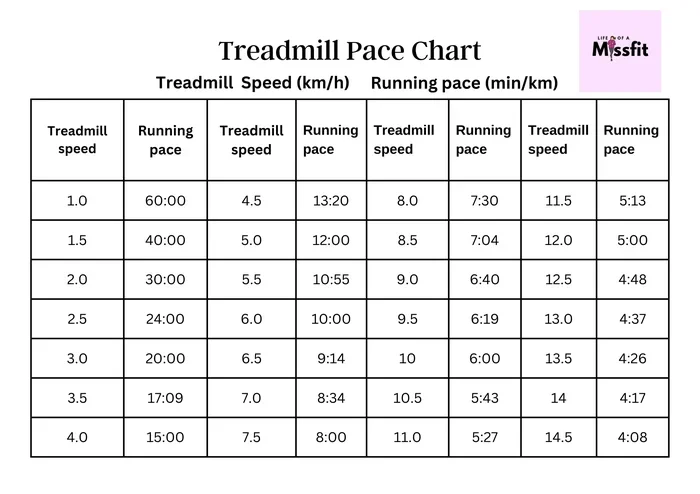
One mile on a treadmill equals 5,280 feet or 1.609 kilometers — the same as any standard mile. The time it takes to complete a mile depends on your fitness level, walking or running pace, and treadmill settings. This guide breaks down everything you need to know about treadmill mile distance, speed settings, and how to improve your mile time.
Have you ever hopped on a treadmill and wondered, “How much is one mile on a treadmill?” It sounds like a simple question, but the answer involves more than just pressing start. Whether you are a beginner just starting your fitness journey or a seasoned runner tracking your treadmill pace, understanding what one mile really means on your machine can make a huge difference in your workouts.
The good news is that a mile on a treadmill is the same as a mile outdoors — 5,280 feet or 1.609 kilometers. But how long it takes you to cover that distance, what speed to set, and how to track your progress are all things that depend on your personal fitness level and goals. In this article, we will walk you through everything you need to know about completing a mile on your treadmill, from speed settings to time estimates and practical tips to get faster.
We will also look at how your walking or running pace affects your treadmill mile distance, why some people find it easier or harder than outdoor running, and what common mistakes to avoid. By the end, you will have a clear picture of how to make the most out of every mile on your machine.
Key Takeaways
- A treadmill mile is always one mile: The distance does not change regardless of the machine or settings.
- Walking a mile takes about 15 to 20 minutes at a moderate pace, while running takes 6 to 10 minutes for most people.
- Speed settings matter a lot: Adjusting mph or incline changes how fast you cover the mile and how many calories you burn.
- Your fitness level, age, and experience are the biggest factors that affect how long it takes to complete a treadmill mile.
- Tracking your mile time over time helps you measure progress and set realistic fitness goals.
- Avoid common mistakes like holding the handrails, skipping warm-ups, and ignoring incline settings for better results.
📑 Table of Contents
- What Does “One Mile” Mean on a Treadmill
- How Long Does It Take to Complete a Mile on a Treadmill
- Treadmill Speed Settings for a One-Mile Distance
- Factors That Affect Your Mile Time on a Treadmill
- Tips to Improve Your One-Mile Treadmill Workout
- Common Mistakes People Make When Tracking Miles on a Treadmill
- Conclusion
What Does “One Mile” Mean on a Treadmill
Let us start with the basics. A mile is a unit of distance. On a treadmill, one mile equals 5,280 feet or 1.609 kilometers. This is a fixed measurement. No matter what brand or model of treadmill you use, the distance does not change. The treadmill simply tracks how far you have traveled based on the rotation of the belt.
Most treadmills display your distance in miles or kilometers on the console. Some older models may only show it in laps or increments. If your treadmill uses laps, a standard outdoor track lap is a quarter mile, so four laps equal one mile. This is helpful to know if you are using a treadmill that does not have a digital distance tracker.
Is a Treadmill Mile the Same as an Outdoor Mile?
Yes, a treadmill mile is the same distance as an outdoor mile. The difference lies in how your body experiences the movement. On a treadmill, the belt moves beneath you, which means there is no wind resistance and the surface is more cushioned. Many runners find that running on a treadmill feels easier than running the same distance outdoors. This is why some people can maintain a faster pace indoors.
However, the distance covered is identical. If your treadmill says you ran one mile, you covered one mile. The treadmill distance tracking system is calibrated to match standard measurements, so you can trust the numbers on the console.
How Long Does It Take to Complete a Mile on a Treadmill
The time it takes to finish a mile varies widely from person to person. Your fitness level, walking or running speed, and experience all play a role. Here is a general breakdown of what to expect based on different paces.
Walking a Mile on a Treadmill
If you are walking, a comfortable pace is typically 3 to 4 miles per hour. At 3 mph, it will take you about 20 minutes to walk one mile. At 4 mph, you can expect to finish in about 15 minutes. Brisk walking at 4.5 mph can bring your time down to around 13 minutes.
Walking is a great starting point for beginners. It is low-impact, easy on the joints, and still delivers real health benefits. If you are new to exercise, aim for a 15- to 20-minute mile walk treadmill pace and build from there.
Running a Mile on a Treadmill
For runners, a one-mile time depends on your experience and fitness level. A beginner runner might complete a mile in 10 to 12 minutes. An intermediate runner might hit 7 to 9 minutes. Advanced runners often finish a mile in under 6 minutes.
If you are curious about specific paces, a 7-minute mile on treadmill requires a speed of about 8.5 mph. A 9-minute mile corresponds to roughly 6.7 mph. Understanding these numbers helps you set the right treadmill speed for your goals.
What Speed Is a 10-Minute Mile on a Treadmill
A 10-minute mile is a common benchmark for moderate fitness. This means you are running at a pace of 6 mph. Many fitness trackers and training programs use the 10-minute mile as a baseline for treadmill training programs. If you can currently run a 10-minute mile, you are in a solid position to start improving.
Treadmill Speed Settings for a One-Mile Distance
Setting the right speed on your treadmill is essential for an effective workout. The speed you choose determines how long your mile takes and how intense your session becomes. Let us look at common speed settings and what they mean for your mile.
Understanding Miles Per Hour (mph)
Treadmills in the United States display speed in miles per hour. A speed of 3 mph is a brisk walk. 5 mph is a light jog. 7 mph is a moderate run. And 8.5 mph or higher is a fast run. Each of these speeds will change how long it takes you to complete one mile.
If you are not sure what speed to start with, try a 5 mph jog and see how it feels. You can always adjust up or down. The key is to find a pace that challenges you without causing strain or injury.
Using Incline to Change Your Mile Experience
Adding incline to your treadmill changes everything. When you increase the incline, you simulate uphill running or walking. This makes your muscles work harder and can slow your pace. A one-mile walk at a 5 percent incline will take longer than a flat-mile walk, but you will burn more calories and build more strength.
Many people use incline settings to make their one mile treadmill workout more challenging without increasing speed. This is a smart way to progress in your training while staying at a comfortable pace.
Factors That Affect Your Mile Time on a Treadmill
Not everyone completes a mile at the same speed. Several factors influence your treadmill pace and overall mile time. Understanding these factors can help you set realistic goals and track your progress more accurately.
Fitness Level and Experience
This is the biggest factor. If you have been walking or running regularly, your body is adapted to the movement. Your heart, lungs, and muscles are more efficient. A beginner will naturally take longer to cover a mile than someone who has been training for months. The good news is that consistency improves your time quickly.
Age and Gender
Age plays a role in how fast you can move. Younger individuals generally have more cardiovascular endurance and muscle power. Gender also affects average pace, with men typically running faster than women on average. However, these are general trends, and individual results vary widely.
Treadmill Settings and Belt Condition
The treadmill itself matters. A well-maintained belt with proper lubrication moves smoothly and does not add extra resistance. Some older machines may have slightly slower belt movement, which can affect your perceived effort. Also, the treadmill speed sensor needs to be calibrated correctly for accurate distance readings.
Body Weight and Composition
Heavier individuals may find that a mile takes slightly longer because the body has to do more work. However, this does not mean progress is impossible. Over time, as you lose weight and build endurance, your mile time will improve. This is one of the reasons many people use the treadmill for weight loss treadmill workouts — the combination of distance tracking and calorie burn is powerful.
Tips to Improve Your One-Mile Treadmill Workout
Want to get faster or make the most of every mile? Here are some practical tips that can help you improve your performance and enjoy your workouts more.
Start with a Proper Warm-Up
Never jump straight into full speed. Start with a 5-minute warm-up walk at 2.5 to 3 mph. This prepares your muscles, joints, and cardiovascular system for the effort ahead. Skipping the warm-up increases your risk of injury and can make your first mile feel much harder than it needs to be.
Focus on Your Posture
Good posture makes a big difference. Stand tall with your shoulders back and your core engaged. Avoid hunching over the console. Keep your arms swinging naturally at your sides. If you find yourself gripping the handrails, you are likely slowing down and reducing the effectiveness of your workout.
Use Interval Training
Interval training is one of the best ways to improve your mile time. Alternate between 1 minute of fast running and 1 minute of walking. Repeat this for 10 to 15 minutes. Over time, your body adapts to the faster pace, and your mile on treadmill time will drop significantly.
Track Your Progress
Use the treadmill console or a fitness app to log your mile times. Tracking your progress keeps you motivated and helps you see improvements over weeks and months. Set small goals, like shaving 30 seconds off your mile time each month, and celebrate when you reach them.
Stay Hydrated and Fuel Properly
Even on a treadmill, your body needs water and energy. Drink water before and after your workout. Eat a light snack 30 to 60 minutes before training if you plan to run hard. Proper fuel and hydration directly impact your performance and recovery.
Common Mistakes People Make When Tracking Miles on a Treadmill
Avoiding mistakes can save you time, prevent injury, and help you get better results faster. Here are some of the most common errors people make.
- Holding the handrails: This reduces your calorie burn and throws off your natural gait. Let your arms swing freely.
- Skipping the warm-up and cool-down: Both are essential for injury prevention and muscle recovery.
- Ignoring incline settings: Flat walking or running is easy on the body. Adding incline challenges your muscles and boosts calorie burn.
- Not calibrating the treadmill: An uncalibrated machine may display inaccurate distance or speed readings. Check your manual for calibration tips.
- Doing the same workout every day: Your body adapts quickly. Mix up your speeds, inclines, and durations to keep progressing.
- Comparing your treadmill pace to outdoor pace: Treadmill running is slightly easier due to the moving belt and lack of wind resistance. Do not be discouraged if your indoor pace is faster.
By being aware of these mistakes, you can focus on what really matters — consistent, effective workouts that help you reach your fitness goals. If you are interested in how much time you should spend on a treadmill to see results, check out our guide on how much time on a treadmill to lose weight for more detailed recommendations.
Conclusion
One mile on a treadmill is always one mile — 5,280 feet of distance that your machine tracks accurately. The time it takes you to complete that mile depends on your walking or running pace, fitness level, and the speed and incline settings you choose. Whether you walk it in 20 minutes or run it in 6 minutes, every mile counts toward your fitness goals.
Use the tips in this guide to set the right speed, track your progress, and avoid common pitfalls. Focus on consistency, proper form, and gradual improvement. Your treadmill is a powerful tool for building endurance, burning calories, and getting stronger. Embrace the mile, challenge yourself, and enjoy the journey one lap at a time.
For more information on treadmill distances and how they compare to other activities, explore our article on how much distance a mile is on a treadmill to deepen your understanding of treadmill metrics and tracking.
Frequently Asked Questions
How long does it take to walk one mile on a treadmill?
At a moderate walking pace of 3 to 4 mph, it takes about 15 to 20 minutes to walk one mile on a treadmill. Brisk walkers at 4.5 mph can finish in around 13 minutes. Your exact time depends on your pace and fitness level.
What speed should I set on my treadmill for a one-mile run?
For a one-mile run, set your treadmill to 6 mph for a 10-minute mile, 7 mph for an 8.5-minute mile, or 8.5 mph for a 7-minute mile. Choose a speed that challenges you while still allowing you to maintain good form throughout the mile.
Is a treadmill mile the same distance as an outdoor mile?
Yes, a treadmill mile is exactly the same distance as an outdoor mile — 5,280 feet or 1.609 kilometers. The treadmill belt tracks distance accurately, so you can trust the readings on your machine’s console.
How many steps are in one mile on a treadmill?
On average, most people take about 2,000 steps to walk one mile and around 1,400 steps to run one mile. The exact number varies based on your stride length, height, and pace. For more detail, check out our guide on how many steps are in a mile on a treadmill.
Can I improve my treadmill mile time over time?
Absolutely. With consistent training, interval workouts, and proper pacing, most people see significant improvement in their mile time within a few weeks. Focus on gradual progress, proper warm-ups, and staying consistent with your treadmill workouts.
Why is my treadmill mile time different from my outdoor mile time?
Treadmill running is generally easier because the belt assists your stride and there is no wind resistance. Many runners find they can maintain a faster pace indoors. This difference is normal and does not mean one measurement is wrong — it simply reflects the different conditions of each environment.