How to Get Dog to Run on Treadmill
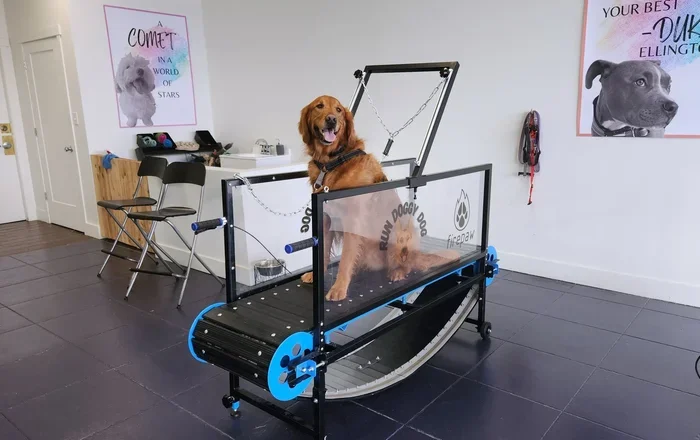
Teaching your dog to run on a treadmill is easier than most owners think. This guide walks you through choosing the right machine, introducing your dog step by step, and building a safe routine. You will learn proven techniques to make treadmill time enjoyable for both you and your pup.
Teaching your dog to use a treadmill might seem tricky at first. But with the right approach, it becomes a smooth and rewarding process. Many pet owners are turning to the dog treadmill as a safe way to keep their pups active. Whether you need indoor dog exercise options or want to boost your dog’s fitness, a treadmill can help. This guide covers everything you need to know about dog treadmill training and getting your furry friend comfortable on the belt.
Regular exercise is just as important for dogs as it is for humans. A canine fitness routine can improve your dog’s mood, weight, and overall health. But not every owner has time for long outdoor walks. That is where a treadmill for dogs comes in handy. It gives your pet a consistent workout no matter the weather outside.
In this article, we break down the steps to get your dog running on a treadmill safely. You will learn how to choose the right machine, introduce your dog slowly, and build a routine that works. We also share safety tips and common mistakes to avoid. By the end, you will feel confident starting your dog treadmill journey.
Key Takeaways
- Start slow: Introduce your dog to the treadmill gradually over several days for the best results.
- Use positive reinforcement: Treats and praise build a strong association with treadmill time.
- Choose the right equipment: A treadmill built for dogs ensures safety and comfort during workouts.
- Track progress: Monitor speed, duration, and behavior to adjust the routine as your dog improves.
- Safety always comes first: Never leave your dog unattended and always use a leash and safety key.
- Consistency matters: Regular sessions build stamina and make treadmill running a normal part of your dog’s day.
📑 Table of Contents
Why Consider a Treadmill for Your Dog
There are many reasons why a treadmill for dogs makes sense. Outdoor walks can be limited by rain, snow, or extreme heat. A treadmill gives you full control over the pace and duration of your dog’s workout. This is especially helpful for high-energy breeds that need a lot of movement every day.
Using a treadmill also helps with dog weight loss exercise. Many dogs struggle with obesity, and indoor workouts can burn serious calories. In fact, some owners use their treadmill for similar goals as how to run on a treadmill and lose weight for themselves. The key is consistency and gradual buildup over time.
Benefits of Indoor Dog Exercise
- Weather-proof workouts: Rain or shine, your dog still gets the exercise they need.
- Controlled intensity: You can adjust speed and incline to match your dog’s fitness level perfectly.
- Safety: No traffic, no loose dogs, and no unpredictable terrain to worry about.
- Convenience: Work out with your dog without ever leaving your home.
- Joint-friendly: Treadmill belts are softer than concrete, reducing stress on your dog’s joints.
Regular indoor dog exercise also helps dogs with anxiety or excess energy. A tired dog is a well-behaved dog. Many trainers recommend treadmill sessions as part of a daily dog exercise routine. This is especially true for breeds that need a lot of mental and physical stimulation to stay happy.
Choosing the Right Treadmill for Your Dog
Not all treadmills are built for pets. Before you start dog treadmill training, you need the right equipment. A human treadmill may not be safe or suitable for your dog’s size and gait. Taking the time to choose the right machine makes a huge difference in your training success.
Key Features to Look For
- Wide belt: Dogs need more space than humans to walk or run comfortably on the belt.
- Low maximum speed: Most dogs do well with a top speed of 10 to 12 miles per hour.
- Quiet motor: A loud motor can scare your dog and slow down the entire training process.
- Safety key: A magnetic safety key stops the belt instantly if your dog jumps off unexpectedly.
- Flat surface: Avoid treadmills with steep inclines for initial training sessions with your pet.
Some owners choose a dog walking pad instead of a full treadmill. These smaller devices work well for small breeds and puppies who are just starting out. The goal is to find a machine that feels safe and natural for your pet. Take time to research and read reviews before making a purchase.
Setting Up the Treadmill Safely
Proper dog treadmill setup is essential for a smooth training experience. Place the treadmill on a flat, stable surface away from walls and furniture. Make sure there is enough clearance around the machine so your dog can hop off safely. Keep the area well-lit and free of distractions. A calm environment helps your dog focus during each session.
Step-by-Step Guide to Dog Treadmill Training
The best way to start is by following a structured dog treadmill training plan. Rushing the process can scare your dog and set you back. Patience is the most important tool you have. Think of this as building trust between you and your pet, one session at a time.
Step 1: Let Your Dog Explore the Treadmill
Place the treadmill in a quiet area and let your dog sniff around it. Do not turn it on yet. Place treats on the machine to create a positive association. Let your dog walk on and off freely. This first step might take one to two days before your dog feels completely comfortable.
Step 2: Introduce the Belt While Off
With the treadmill still off, guide your dog onto the belt. Use treats and gentle praise to encourage them. Hold the leash loosely and let your dog get used to the feeling of the belt under its paws. This helps build confidence before the machine is actually moving. This is a key part of any solid dog treadmill introduction.
Step 3: Start with Slow Walks
Turn the treadmill on at the lowest speed. Walk beside your dog and offer treats regularly. Keep sessions short, around five to ten minutes. If your dog seems nervous, slow down or stop entirely. The goal is to make this a positive experience every single time. Use plenty of positive reinforcement dog techniques to build trust.
Step 4: Gradually Increase Speed
Once your dog walks comfortably, slowly increase the speed. Watch for signs of stress or fatigue like heavy panting or reluctance to move. A good rule of thumb is to increase speed by small increments each session. Over time, your dog will build stamina and confidence. Think of it like building a dog cardio workout from the ground up. You can also reference how to train a dog to walk on treadmill for additional foundational tips.
Many owners find that linking treadmill sessions to their own fitness goals works well. Just as you might track how long to walk on treadmill to lose weight for yourself, you can monitor your dog’s progress too. Consistency matters far more than intensity in the early weeks.
Building a Routine and Tracking Progress
A regular routine helps your dog know what to expect. Set a schedule that works for both you and your pet. Most dogs do well with three to four treadmill sessions per week. Each session should last between ten and thirty minutes, depending on your dog’s fitness level and breed.
How to Track Your Dog’s Progress
- Distance: Track how many steps or miles your dog covers per session for measurable results.
- Speed: Note the speed settings that feel comfortable and safe for your dog’s size.
- Duration: Record how long each session lasts to ensure you are not overdoing it.
- Behavior: Watch for signs of enjoyment, fatigue, or stress during and after each workout.
- Weight: Monitor your dog’s weight to ensure the exercise routine is producing results.
Tracking progress keeps you motivated and helps you adjust the routine. You might also track how many steps on a treadmill to lose weight for yourself alongside your dog’s routine. This creates a shared fitness goal that keeps both of you accountable and engaged.
Creating a Dog Workout Routine
Your dog workout routine should include warm-up and cool-down periods. Start each session with a slow walk for two to three minutes. End with a gradual slowdown to let your dog’s heart rate return to normal. This protects your dog’s joints and prevents injury. Over weeks, you can add short bursts of running between walking intervals to build dog stamina building over time.
For a balanced treadmill exercise for pets program, mix up the routine. Some days focus on steady walks, while others include short running intervals. This variety keeps your dog mentally engaged and physically challenged. It also prevents boredom, which is one of the biggest reasons dogs resist treadmill training.
Safety Tips and Common Mistakes to Avoid
Safety should always come first when using a treadmill with your dog. A few simple precautions can prevent accidents and keep your training on track. Following basic treadmill safety for dogs guidelines protects both you and your pet.
Safety Guidelines
- Always use a leash: Hold the leash gently but firmly. Never wrap it around your hand while the belt is moving.
- Stay nearby: Never leave your dog unattended on a running treadmill, even for a few seconds.
- Check paws regularly: Look for signs of rubbing or irritation on the paw pads after each session.
- Keep water nearby: Offer fresh water before and after every treadmill session to keep your dog hydrated.
- Use a safety key: Attach the magnetic key to your clothing so it pulls off if you stumble or fall.
Common Mistakes to Avoid
- Starting too fast: Skipping the introduction steps can frighten your dog and create lasting fear.
- Long sessions too soon: Overexertion leads to fatigue, soreness, and potential injury in dogs.
- Ignoring signs of stress: If your dog whines, pants heavily, or tries to jump off, slow down immediately.
- Using a poorly fitted treadmill: A belt that is too narrow or too fast for your dog is dangerous.
- No warm-up or cool-down: Sudden starts and stops strain muscles and joints unnecessarily.
Avoiding these mistakes makes the training process much smoother. Remember that every dog learns at its own pace. Celebrate small wins and stay patient throughout the process. A well-trained dog on a treadmill is a happy and healthy companion.
When to Seek Professional Help
Most dogs can learn to use a treadmill with patience and consistent practice. However, some situations call for expert guidance. If your dog shows persistent fear or aggression toward the treadmill, consult a professional dog trainer. They can create a customized plan based on your dog’s temperament and unique needs.
Dogs with joint issues, obesity, or older dogs may also benefit from a vet’s input before starting a treadmill routine. A vet can recommend the right dog running speed and session length for your pet’s specific condition. Investing in professional advice early can save you time and prevent frustrating setbacks.
Finally, remember that the treadmill is just one tool for canine fitness. It works best when combined with outdoor play, socialization, and mental stimulation. A balanced approach keeps your dog happy, healthy, and fully engaged in their fitness journey. The treadmill becomes a valuable part of a well-rounded dog fitness lifestyle.
Final Thoughts on Getting Your Dog to Run on a Treadmill
Getting your dog to run on a treadmill is a rewarding process that benefits both you and your pet. It takes patience, consistency, and the right approach from day one. Start by choosing a suitable treadmill for dogs and introduce your pet to it slowly and gently. Use positive reinforcement, keep sessions short, and gradually build up speed and duration over weeks. Safety should always be your top priority. Watch for signs of stress, use a leash, and never leave your dog unattended. With time and practice, your dog will look forward to treadmill time as part of their daily dog exercise routine. The benefits of regular indoor exercise are clear and significant. Your dog will enjoy better fitness, a healthy weight, and a happier, calmer temperament. Start today, stay consistent, and enjoy the journey with your four-legged companion.
Frequently Asked Questions
Can any dog use a treadmill?
Most dogs can learn to use a treadmill, but breed size and health matter. Small breeds may need a dog walking pad instead of a full-size treadmill. Always consult your vet before starting a new exercise routine, especially for senior dogs or those with existing health conditions.
How long does it take to train a dog on a treadmill?
Training timelines vary by dog. Some dogs adapt in one to two weeks, while others may take a month or more. The key is to go at your dog’s pace and use plenty of treats and praise. Rushing the process can cause fear and setbacks that undo your progress.
Is it safe for dogs to run on a treadmill?
Yes, when done correctly. A treadmill for dogs is safe if you follow basic precautions. Use a leash, stay nearby, start slow, and watch for signs of fatigue. Always supervise your dog during every session and use the safety key that comes with the machine.
What speed should I set for my dog?
Start at the lowest speed and increase gradually. Walking speed is usually 1 to 3 miles per hour. Slow jogging may be 4 to 6 mph for medium-sized dogs. The right dog running speed depends on your dog’s breed, size, and fitness level. Never push your dog beyond what feels comfortable for them.
Should I use treats during treadmill training?
Absolutely. Treats are one of the most effective tools for positive reinforcement dog training. Use small, soft treats to reward your dog for stepping onto the belt, walking at a steady pace, and staying calm. This builds a strong association between the treadmill and positive experiences.
Can treadmill exercise replace outdoor walks?
A treadmill complements outdoor walks but should not fully replace them. Dogs need mental stimulation from sniffing and exploring outdoors. Use the treadmill for cardio and controlled exercise, and save outdoor walks for enrichment, socialization, and exploring new environments together.