What Level Is 12 Percent Incline on Treadmill
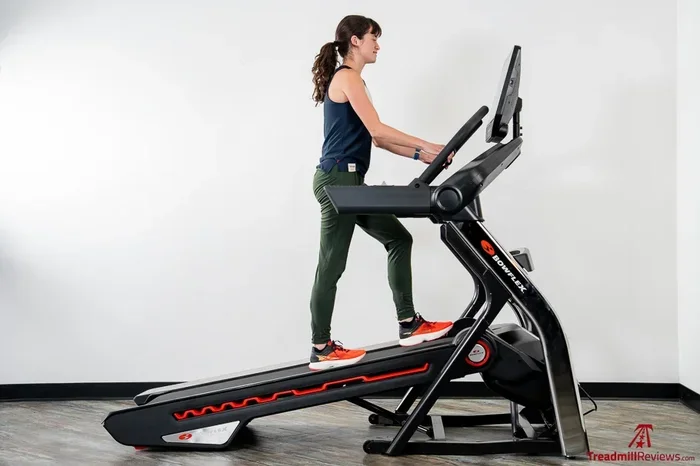
A 12 percent incline on treadmill simulates a steep uphill climb, significantly boosting calorie burn and building serious leg strength. This level turns a regular walk or jog into a challenging cardio session that targets your glutes, hamstrings, and calves like nothing else. Whether you are training for outdoor hills or just want a tougher home gym workout, understanding this incline setting is essential.
Have you ever walked into a gym and seen someone on a treadmill with the deck tilted way up, moving at a slow but steady pace? That is the magic of 12 percent incline on treadmill training. It looks tough, and it is tough, but the results it delivers are hard to ignore. If you have been wondering what this setting actually does and whether you should add it to your routine, you are in the right place.
In this guide, we break down exactly what a 12 percent incline means, why it works so well, and how you can use it safely to supercharge your treadmill workouts. We will also compare it to other common incline levels so you can put this number into real context. Let us get into it.
Key Takeaways
- 12 percent incline equals a steep hill: It mimics walking or running uphill at a significant grade that dramatically increases workout intensity.
- You burn more calories at this level: A 12 percent incline treadmill workout can torch up to 30 to 40 percent more calories than walking on flat ground.
- It builds real strength: This incline targets your glutes, hamstrings, calves, and core in ways flat walking simply cannot.
- Start slow and build up: Jumping straight to 12 percent can strain your joints and muscles, so gradual progression is key.
- Speed matters at high incline: Even a slow walking pace at 12 percent creates a demanding workout that rivals outdoor hill training.
- Use it wisely in your routine: Alternate high incline days with flat recovery days to avoid overtraining and injury.
📑 Table of Contents
- Understanding Treadmill Incline Levels
- What Does 12 Percent Incline Actually Mean?
- Benefits of Training at 12 Percent Incline
- How to Use 12 Percent Incline in Your Workout
- Common Mistakes When Using High Incline
- Comparing 12 Percent Incline to Other Treadmill Settings
- Tips for Getting the Most Out of Your 12 Percent Incline Workout
- Why Is Running on a Treadmill at High Incline So Hard?
- Frequently Asked Questions
- Final Thoughts
Understanding Treadmill Incline Levels
Treadmill incline is measured as a percentage grade. This number represents the steepness of the deck compared to a flat surface. A zero percent incline is completely level. A 1 percent incline slightly mimics the natural resistance of outdoor walking. As the number goes up, the hill gets steeper and the workout gets harder.
Here is a quick breakdown of common incline levels you will see on most treadmills:
- 0 to 1 percent: Flat or slight outdoor simulation. Great for warmups and recovery walks.
- 2 to 4 percent: A gentle uphill. This is a popular starting point for incline walking for beginners.
- 6 to 8 percent: A moderate hill. This level really starts to engage your lower body muscles more intensely.
- 10 to 12 percent: A steep climb. This is where workouts become genuinely challenging and calorie burn spikes.
- 15 percent and above: A very steep grade. Reserved for advanced users and short intervals.
Knowing where 12 percent fits on this scale helps you understand what kind of effort to expect. It sits in the steep category, well above casual walking but below the extreme grades that only seasoned athletes tackle. For most home gym users, 12 percent is a sweet spot for serious training without being overly risky.
What Does 12 Percent Incline Actually Mean?
A 12 percent incline means the front of the treadmill deck is raised 12 units for every 100 units of horizontal distance. In real-world terms, it is like walking up a fairly steep hill. You will feel the effort shift from your calves and hamstrings to your glutes and upper legs almost immediately.
To put this in perspective, a 12 percent incline treadmill is steeper than most people encounter on a daily walk outdoors. Even a moderate outdoor hill rarely exceeds a 6 to 8 percent grade. So when you set your treadmill to 12 percent, you are essentially recreating a challenging hill climb in the comfort of your home.
For comparison, a 6 percent incline is often recommended as a good starting point for incline walking. The 6 percent incline on treadmill offers a noticeable challenge without overwhelming your joints. Moving from 6 percent to 12 percent is a big jump, and your body needs time to adjust.
At 12 percent, even a slow walking pace of 2.5 to 3.5 miles per hour feels demanding. Your heart rate climbs quickly, your breathing deepens, and your muscles burn with a different kind of fatigue than flat walking produces. This is exactly why so many people turn to incline training for efficient workouts.
Benefits of Training at 12 Percent Incline
Burns More Calories
The most immediate benefit of a 12 percent incline treadmill workout is increased calorie burn. When you walk or run uphill, your body has to work harder against gravity. This means your muscles recruit more fibers, your heart pumps faster, and you burn energy at a much higher rate than on a flat surface.
Studies show that walking at a 12 percent incline can increase calorie expenditure by 30 to 40 percent compared to walking on level ground. Even if you slow your speed to compensate for the incline, the total calorie burn often stays higher than a flat walk at a faster pace. This makes incline training a time-efficient strategy for anyone with a busy schedule.
Builds Lower Body Strength
Walking on a steep incline targets muscles that flat walking barely touches. Your glutes, hamstrings, and calves do the heavy lifting at 12 percent grade. Over time, this builds real functional strength that carries over to outdoor activities like hiking, climbing stairs, and even running.
Unlike weight training alone, incline walking builds strength while also improving cardiovascular endurance. This combination makes it one of the most efficient forms of exercise for overall fitness. If you want strong legs without spending hours in the weight room, incline treadmill training is a fantastic option.
Low Impact on Joints
One of the biggest advantages of treadmill incline walking over running is the reduced impact on your knees and ankles. At 12 percent incline, you can get an intense cardiovascular and strength workout without the pounding that comes from running on a flat deck or pavement.
This makes it ideal for people who are recovering from injuries, dealing with joint issues, or simply want a challenging workout that is easier on the body. The good incline to walk on treadmill for most people falls between 4 and 12 percent, depending on fitness level and goals.
Simulates Outdoor Hill Training
If you train for hiking, trail running, or outdoor events, 12 percent incline treadmill workouts are an excellent way to prepare. They replicate the demands of climbing steep terrain in a controlled environment where you can adjust speed, incline, and duration to match your training plan.
Many marathon and half-marathon training programs include hill repeats. A treadmill with incline settings lets you do these workouts at home, rain or shine, without searching for a hilly route. The consistency of a treadmill also means you can precisely repeat workouts and track progress over time.
How to Use 12 Percent Incline in Your Workout
Start With a Warmup
Never jump straight to 12 percent incline. Start at 0 to 2 percent and walk at a comfortable pace for 5 to 10 minutes. This warms up your muscles, gets your joints lubricated, and prepares your cardiovascular system for the increased effort ahead.
After your warmup, gradually increase the incline by 1 to 2 percent every minute or two until you reach 12 percent. This progressive approach reduces the risk of muscle strain and lets your body adapt to the new demand.
Pace Yourself
At 12 percent incline, your walking speed will naturally slow down. That is completely normal and expected. Do not try to maintain your flat-ground speed. Instead, focus on maintaining a steady, controlled pace that allows you to keep good form.
A walking pace of 2.5 to 3.5 miles per hour at 12 percent incline is a solid starting point. If you are more experienced, you might try a slight jog at a slower speed, but only if your joints and fitness level allow it. Listen to your body and adjust accordingly.
Try Interval Training
One of the most effective ways to use 12 percent incline is through interval training. Alternate between 1 to 2 minutes at 12 percent incline and 1 to 2 minutes at a lower incline or flat surface. This approach keeps your heart rate elevated while giving your muscles brief recovery periods.
For example, you might do 30 seconds at 12 percent followed by 90 seconds at 2 percent, repeating for 15 to 20 minutes. This type of treadmill interval training is incredibly effective for burning fat and improving cardiovascular fitness in less time.
Cool Down Properly
After your incline session, reduce the incline gradually back to 0 to 1 percent and walk at a slow pace for 5 to 10 minutes. This cooldown helps your heart rate return to normal, prevents blood pooling in your legs, and reduces muscle soreness the next day.
Common Mistakes When Using High Incline
Leaning Too Far Forward
One of the most common mistakes at steep inclines is grabbing the handrails and leaning forward. This takes work away from your legs and places unnecessary strain on your lower back. Keep your posture upright, engage your core, and let your legs do the work.
If you need to hold the rails for balance, lightly rest your fingertips rather than gripping tightly. Over time, you will build the balance and strength to walk upright without any handrail support at all.
Skipping the Warmup
Jumping onto a treadmill and immediately setting it to 12 percent is a recipe for muscle strains and joint pain. Your muscles, tendons, and ligaments need time to loosen up before handling steep inclines. Always warm up thoroughly before ramping up the grade.
Doing It Every Day
High incline training is demanding. Doing it every day without rest can lead to overtraining, fatigue, and increased injury risk. Aim to include 12 percent incline workouts 2 to 3 times per week, with rest or low-intensity days in between.
On your non-incline days, focus on flat walking, light jogging, or cross-training activities like cycling or rowing. This balanced approach keeps your body challenged while allowing proper recovery.
Comparing 12 Percent Incline to Other Treadmill Settings
| Incline Level | Effort Level | Calorie Burn (vs. Flat) | Best For |
|---|---|---|---|
| 0-1% | Easy | Baseline | Warmup, recovery, beginners |
| 2-4% | Moderate | 10-20% higher | Daily walking, beginners |
| 6-8% | Challenging | 20-30% higher | Intermediate walkers, cardio |
| 10-12% | Very Hard | 30-40% higher | Advanced training, fat burn |
| 15%+ | Extreme | 40%+ higher | Elite athletes, short intervals |
As you can see from the table, 12 percent sits firmly in the very hard category. It is not a setting for casual walking, but it is also not as extreme as the highest incline levels. For most fitness enthusiasts looking to maximize their treadmill workouts, 12 percent offers an excellent balance of challenge and sustainability.
If you want to explore how different incline levels compare for fat burning, the speed and incline settings for fat burning article provides a deeper dive into optimizing both variables together. Similarly, if you are curious about how 12 percent compares to the steeper 15 percent grade, the 15 percent incline on treadmill guide explains what to expect at that next level up.
Tips for Getting the Most Out of Your 12 Percent Incline Workout
- Wear proper shoes: Supportive running or walking shoes with good cushioning help absorb the extra impact of uphill walking.
- Stay hydrated: Incline workouts make you sweat more. Keep water nearby and sip regularly.
- Use the right speed: A slower pace at 12 percent is more effective and safer than trying to rush through at a high speed.
- Track your heart rate: Monitoring your heart rate helps you stay in the right zone for your fitness goals.
- Mix it up: Vary your incline, speed, and duration week to week to keep your body challenged and avoid plateaus.
- Focus on form: Keep your head up, shoulders back, and arms swinging naturally. Good form prevents injury and maximizes muscle engagement.
Why Is Running on a Treadmill at High Incline So Hard?
Running at steep incline is significantly harder than running on flat ground. The grade forces your muscles to work against gravity with every stride. Your calves, glutes, and hip flexors all fire harder, and your cardiovascular system has to deliver oxygen at a much faster rate.
This is why many people find that even a light jog at 12 percent incline feels exhausting within minutes. The why running on a treadmill is so hard question comes up frequently, and incline is one of the biggest factors. The steeper the grade, the more your body has to fight to keep moving forward.
Walking at 12 percent is a more sustainable option for most people, but it still delivers an intense workout. The key is to find the right balance between effort and sustainability that matches your current fitness level.
Frequently Asked Questions
Is 12 Percent Incline on Treadmill Good for Weight Loss?
Yes, a 12 percent incline treadmill workout is excellent for weight loss. The increased effort burns significantly more calories than flat walking, and the muscle engagement boosts your metabolism even after the workout ends. Combined with a balanced diet, regular incline training can be a powerful tool for shedding body fat.
Can Beginners Walk at 12 Percent Incline?
Most beginners should start at a lower incline, such as 4 to 6 percent, and work their way up gradually. Jumping straight to 12 percent can cause muscle soreness, joint strain, and discouragement. Build your fitness base with lower inclines first, and add 12 percent sessions once you feel comfortable and confident.
What Speed Should I Walk at 12 Percent Incline?
A walking speed of 2.5 to 3.5 miles per hour works well for most people at 12 percent incline. Focus on maintaining a steady pace with good posture rather than trying to go fast. The incline does the hard work for you, so even a slow pace delivers a highly effective workout.
How Long Should I Walk at 12 Percent Incline?
For beginners, aim for 10 to 15 minutes at 12 percent incline as part of a longer workout. As your fitness improves, you can extend this to 20 to 30 minutes. Always listen to your body and stop if you feel pain or excessive fatigue. Quality matters more than duration at this intensity level.
Does 12 Percent Incline Tone Your Legs?
Yes, walking at 12 percent incline is one of the best ways to tone your legs naturally. The steep grade targets your glutes, hamstrings, quadriceps, and calves more intensely than flat walking. Over time, you will notice improved muscle definition and strength in your lower body.
Is 12 Percent Incline the Same as a 12 Degree Angle?
No, 12 percent incline and 12 degrees are not the same thing. A 12 percent grade is roughly equivalent to about 6.8 degrees. Treadmills use percent grade, not degrees, so always look for the percentage setting when programming your workout. Confusing the two can lead to setting the wrong incline and a very different workout than expected.
Final Thoughts
A 12 percent incline on treadmill is a powerful tool for anyone serious about their fitness. It burns more calories, builds stronger legs, and simulates the demands of outdoor hill training, all from the comfort of your home gym. The key is to approach it with patience and proper technique. Start slow, build up gradually, and always prioritize good form over speed or duration.
Whether you are walking for fat loss, training for an outdoor event, or simply looking to shake up your routine, 12 percent incline delivers results that are hard to match. Add it to your treadmill workouts a few times per week, stay consistent, and you will feel the difference in your strength, endurance, and overall fitness. The hill is waiting, and it is ready to transform your workouts.