Why Are the Wedding Vows Not in the Bible?
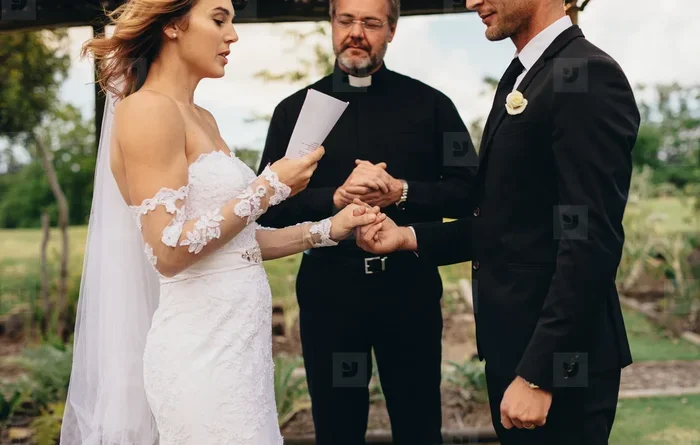
Wedding vows are not directly found in the Bible because they developed over centuries of cultural and religious tradition. The Bible contains principles about marriage and commitment, but the specific words we recite today come from medieval and Victorian-era practices. Understanding this history helps couples appreciate the depth of their promises. Modern vows blend scripture, poetry, and personal expression to create meaningful ceremonies.
Why are the wedding vows not in the Bible? This is a question many couples ask when they sit down to plan their ceremony. You might expect to find a beautiful set of vows printed somewhere in scripture. Instead, you come up empty. The Bible talks a lot about marriage, love, and commitment. But the specific words “for better or for worse” don’t appear in its pages. So where do our wedding vows come from? Let’s explore the fascinating history behind this tradition.
The answer lies in centuries of cultural evolution, religious reformations, and literary traditions. Wedding vows as we know them today are a blend of ancient customs, medieval church practices, and Victorian-era standardization. Understanding this history can actually make your wedding ceremony more meaningful. You’ll see how every word carries weight from traditions that stretch back hundreds of years.
Key Takeaways
- The Bible does not contain preset wedding vows — it offers principles and examples of marriage commitments instead.
- Wedding vows evolved from ancient cultural traditions that were later adopted by the Christian church.
- The most common vow phrases come from the Book of Common Prayer (1549), not scripture directly.
- Biblical marriage concepts focus on covenant, love, and sacrifice rather than specific recited words.
- Couples today can write personalized vows that still honor biblical values and traditions.
- Understanding the history of vows helps couples make more meaningful choices for their ceremony.
📑 Table of Contents
The History of Wedding Vows
Wedding vows didn’t start with the Bible. They started with ancient cultures. Long before Christianity existed, people had ceremonies to unite couples. These early traditions shaped what we do today.
Ancient Roman and Jewish Roots
In ancient Rome, weddings involved specific promises spoken by the bride and groom. Roman law required consent for marriage. The couple would exchange verbal agreements called nuptiae. These were more legal contracts than romantic promises.
Jewish marriage traditions also involved spoken commitments. The ketubah is a written marriage contract that outlines the groom’s responsibilities. It has been used for thousands of years. But even the ketubah contains specific terms and conditions. It doesn’t look like the vows we say at modern weddings.
How Early Christians Adapted Marriage Traditions
When Christianity spread through Europe, the church began to formalize marriage. Early Christians didn’t have a single set of wedding vows. Instead, they relied on local customs. The church gradually added its own structure to the ceremony. By the Middle Ages, the Catholic Church required certain elements for a valid marriage.
The church also began to view marriage as a sacrament. This meant it wasn’t just a legal contract anymore. It was a holy bond before God. This shift changed the nature of wedding vows. They became more spiritual and less transactional.
What the Bible Actually Says About Marriage
The Bible contains many passages about marriage. But it never says “say these exact words at your wedding.” Instead, it offers principles and examples. Let’s look at what scripture actually provides.
Key Bible Verses About Marriage and Commitment
Several verses form the foundation of Christian marriage theology:
- Genesis 2:24 — “Therefore a man shall leave his father and mother and hold fast to his wife, and they shall become one flesh.” This verse establishes the concept of lifelong unity.
- Ephesians 5:31-32 — This passage describes marriage as a profound mystery that reflects Christ’s relationship with the church.
- 1 Corinthians 13:4-7 — The famous love passage describes the character of lasting commitment.
- Mark 10:9 — “What God has joined together, let no man separate.” This verse emphasizes the sacred nature of marriage.
Notice that none of these verses contain a script to recite. They offer themes and values. They guide the meaning behind vows but don’t prescribe the exact words.
The Difference Between Biblical Principles and Ritual Words
This distinction matters a lot. The Bible provides the why of marriage. It explains the purpose and sacredness of the union. But it doesn’t provide the what — the specific ritual words. That gap is where tradition stepped in. Over time, communities developed their own wording to fill this space.
Think about it this way. The Bible tells us to love our neighbors. It doesn’t give us a script for how to say it. Similarly, the Bible calls husbands and wives to mutual love and respect. It doesn’t write the ceremony script. Tradition fills that role beautifully.
Where Wedding Vows Actually Come From
If not the Bible, then where? The answer involves several key historical sources. Each one contributed specific phrases and structures we still use today.
The Book of Common Prayer (1549)
The biggest source of modern wedding vows is the Book of Common Prayer. Published in England in 1549, it standardized Anglican worship services. It included a set form for wedding ceremonies. The famous phrases came from this book:
- “For richer, for poorer”
- “In sickness and in health”
- “To love and to cherish”
- “Till death do us part”
These phrases became so popular that they spread beyond Anglican churches. They influenced Protestant, Catholic, and even civil ceremonies worldwide. The Book of Common Prayer essentially created the wedding vows we know today.
Medieval Church Practices
Before the Book of Common Prayer, medieval churches had their own marriage rites. These often included exchange of consent. The groom would say “I take thee to my wedded wife.” The bride would respond with her own consent. These early forms were simpler than today’s vows. But they established the pattern of spoken mutual promises.
Many medieval vows focused on property and protection as much as love. This reflects the historical context. Marriage was also an economic and social arrangement. Over time, the romantic element grew stronger. The vows shifted to emphasize emotional commitment.
Victorian Era Standardization
The Victorian era (1837-1901) brought further standardization. Queen Victoria’s marriage in 1840 popularized white wedding dresses and formal ceremonies. Vows became more elaborate and poetic. The era also saw the rise of printed wedding ceremony books. These books made vows consistent across different churches and regions.
The Victorian influence is still visible in modern vow styles. The formal, structured language we associate with weddings comes largely from this period. Romantic poetry and floral imagery entered the ceremony thanks to Victorian tastes.
Common Misconceptions About Biblical Wedding Vows
Many people assume wedding vows must be biblical because weddings happen in churches. This assumption leads to confusion. Let’s clear up some common misunderstandings.
Misconception 1: The Bible Prescribes Wedding Ceremony Format
The Bible never prescribes a specific ceremony format. It doesn’t tell couples what to say or how to structure their wedding. The scripture focuses on the inner commitment rather than external ritual. This is why wedding ceremonies vary so much across cultures and denominations.
Misconception 2: Traditional Vows Are Biblical
Traditional vows like “for richer or poorer” sound timeless. But they originated from the Book of Common Prayer. They are not direct quotes from scripture. This doesn’t make them less meaningful. It just means they come from a different source — church tradition rather than direct biblical text.
Misconception 3: You Must Use Traditional Vows for a Valid Marriage
Some couples feel pressure to use traditional vows. They worry that personalized vows lack spiritual weight. But the Bible shows us that the heart matters most. In Genesis, Abraham and Isaac made agreements verbally. Ruth pledged her loyalty to Naomi with her own words. Personal, heartfelt promises have always mattered more than scripted ones.
Misconception 4: Vows Must Include Bible Verses
Some couples feel their vows need to include direct Bible quotes. While this can be beautiful, it’s not required. The Bible supports the values behind marriage. It doesn’t require you to read from it during the ceremony. Your vows can reflect biblical principles without quoting scripture word for word.
How to Write Meaningful Wedding Vows Today
Now that you know the history, you might wonder how to write your own vows. The good news is you have complete freedom. Modern couples can draw from many sources. Here are some practical tips.
Start With Biblical Themes
Even though vows aren’t in the Bible, biblical themes can guide yours. Consider these core values:
- Sacrificial love — How will you put your partner’s needs first?
- Faithfulness — What does loyalty mean to you in daily life?
- Joy and commitment — How will you celebrate your partnership through good times and hard?
- Growth together — What promises will help you grow as individuals and as a couple?
Blend Tradition With Personal Expression
Many couples love traditional vows but want to add personal touches. You can start with a traditional vow structure and then add your own words. For example, begin with “I take you to be my partner in life” and then add specific promises about your relationship.
This approach gives your ceremony a familiar rhythm. It also makes the moment deeply personal. The best vows feel both timeless and unique to the couple speaking them.
Consider the Ceremony Context
Think about where and how your ceremony will unfold. A church wedding might call for more traditional language. A beach wedding might suit casual, heartfelt promises. A civil ceremony gives you even more freedom. Whatever the setting, let your environment inspire your words.
Some couples also incorporate readings from scripture into the ceremony without making those their vows. This keeps the biblical connection strong while allowing creative freedom in the promises themselves. You might read a passage before or after exchanging vows. This adds depth without restricting your wording.
Keep It Authentic and Relatable
The most powerful vows are the ones that feel real. Don’t try to sound like a movie script. Speak from your heart. Use language that feels natural to you. Your partner will remember the sincerity far more than the eloquence.
Think about what makes your relationship unique. What promises matter most to both of you? Maybe you want to promise laughter during tough times. Maybe you want to vow curiosity about each other’s dreams. These personal details make vows unforgettable.
A Quick Comparison: Traditional vs. Modern Vows
Here’s a simple comparison of traditional and modern vow styles:
- Traditional vows follow a set script. They are consistent across ceremonies. They carry centuries of tradition. They feel formal and timeless.
- Modern vows are written by the couple. They reflect personal stories and values. They can include humor, specific memories, and unique promises. They feel intimate and authentic.
- Hybrid vows blend both approaches. They use traditional phrases as a foundation. They add personal elements for uniqueness. This is the most popular choice among today’s couples.
Neither approach is more “biblical” than the other. Both can honor the values that scripture teaches about marriage. The key is sincerity and commitment.
The Spiritual Heart of Wedding Vows
Whether your vows come from a book of tradition or from your own heart, they carry deep spiritual significance. The act of making promises before witnesses and before God transforms a relationship. It creates a public commitment that goes beyond romantic feelings.
In the Bible, covenants are central to the relationship between God and humanity. Marriage is described as a covenant. A covenant is more than a contract. It is a binding promise that involves the whole person — heart, soul, and strength. Your wedding vows, whatever words you choose, participate in this ancient tradition of sacred commitment.
Some couples choose to include a prayer or blessing during their ceremony. Others light a unity candle or share a communion element. These practices connect the ceremony to broader spiritual traditions without requiring specific vow wording. The meaning comes from the intention behind the words, not the source of the words.
So when you stand before your partner and speak your promises, remember this. You are participating in a tradition that spans thousands of years. You are joining countless couples who have made similar commitments. And you are doing it in your own authentic way. That is what makes wedding vows powerful — not their origin, but their sincerity.
Conclusion
Why are the wedding vows not in the Bible? Because vows developed through centuries of cultural tradition, not through scripture directly. The Bible provides the foundational values of marriage — love, faithfulness, sacrifice, and unity. But the specific words we recite come from historical church practices, literary traditions, and cultural customs. This doesn’t diminish their meaning. It actually enriches it. Every vow carries layers of history and humanity. When you exchange promises with your partner, you draw on traditions that stretch back through medieval churches, Victorian ceremonies, and ancient cultural practices. Your vows are a living connection to the past and a personal declaration for your future. Write them with honesty, speak them with conviction, and let them reflect the unique love story you share.
Frequently Asked Questions
Does the Bible mention wedding ceremonies at all?
The Bible mentions marriage ceremonies in passing but never provides a specific script or format. Weddings in biblical times involved cultural customs like betrothal periods, gifts, and public announcements. The focus in scripture is on the covenant and commitment rather than the ceremony itself. This is why modern wedding practices vary so widely among Christian traditions.
Can I include Bible verses in my wedding vows?
Absolutely. Many couples choose to weave Bible verses into their vows or read them during the ceremony. Verses like 1 Corinthians 13 or Ephesians 5 are popular choices. There is no rule that says vows must exclude scripture. Including Bible passages can add spiritual depth and personal meaning to your ceremony.
Are traditional wedding vows copyrighted or protected?
The most common traditional vows from the Book of Common Prayer are in the public domain. They have been used for centuries and belong to no single author. However, specific editions or translations of prayer books may have their own copyright. For most practical purposes, you can freely use traditional vow wording in your ceremony.
Do other religions have preset wedding vows in their holy books?
Some religious traditions do include specific marriage rituals in their scriptures. Hindu weddings, for example, include the Saptapadi or seven steps with specific promises. Jewish weddings feature the ketubah and the Seven Blessings. Christianity is unique in that it left vow wording largely to tradition rather than scripture. Each tradition approaches marriage ceremonies differently based on its texts and history.
What if my partner and I have different religious backgrounds?
Interfaith couples often create vows that honor both traditions. You can include elements from each faith or focus on shared values like love, respect, and commitment. Many couples find that personalized vows work beautifully for blended ceremonies. The key is open communication about what matters most to both of you and your families.
Is it okay to write completely original vows instead of using traditional ones?
Yes, completely original vows are perfectly acceptable in every major Christian denomination. In fact, many pastors and officiants encourage couples to write their own words. The most important elements of any vow are sincerity, clarity, and commitment. Your partner will remember your genuine words far longer than any traditional script you could recite by heart.