Which Is a Better Workout Treadmill or Elliptical
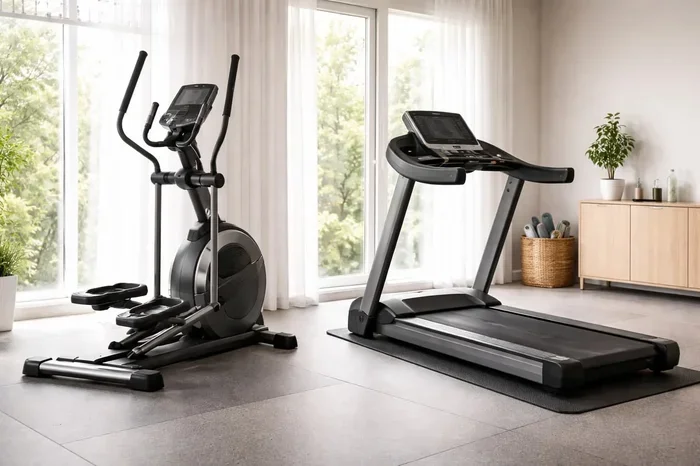
Which is a better workout treadmill or elliptical? The answer depends on your fitness goals, joint health, and workout preferences. Treadmills excel at high-impact running and natural movement, while ellipticals offer low-impact cardio that’s gentle on knees and hips. This guide breaks down every key factor so you can pick the perfect machine for your home gym.
When it comes to indoor cardio, two machines dominate the fitness world. The treadmill and the elliptical are the go-to choices for millions of people who want to stay fit at home. But which one truly delivers the better workout?
The truth is, there is no single winner. Each machine has unique strengths that cater to different fitness levels, goals, and body types. Whether you are training for a race or just looking to burn fat, this comparison will help you decide.
In this article, we break down everything you need to know. We compare calorie burn, joint impact, muscle engagement, and ease of use. By the end, you will know exactly which machine fits your fitness routine best.
Key Takeaways
- Treadmills burn more calories: Running on a treadmill typically torches more calories per minute than an elliptical session.
- Ellipticals are joint-friendly: If you have knee pain or joint issues, the elliptical provides a smooth, low-impact workout that protects your joints.
- Both build endurance: Either machine can improve your cardiovascular fitness when used consistently over time.
- Muscle engagement differs: Treadmills target your lower body and core, while ellipticals also involve your upper body through moving handles.
- Consider your goals: Choose a treadmill for running training and weight loss, or an elliptical for gentle, full-body cardio.
- Home gym space matters: Treadmills are generally larger and heavier than ellipticals, so measure your space first.
📑 Table of Contents
Calorie Burn: Treadmill vs Elliptical
Most people want to know which machine burns more calories. The answer might surprise you.
A treadmill running workout generally burns more calories than an elliptical session. Running is a high-intensity activity that demands more energy from your body. A 155-pound person can burn roughly 300 calories in 30 minutes of running at a moderate pace.
On an elliptical, the same person burns about 270 to 300 calories in the same timeframe. The difference is not huge, but it adds up over weeks and months of consistent training.
However, the elliptical trainer has a secret advantage. You can adjust the resistance and incline to increase the challenge. Some ellipticals also allow reverse motion, which targets different muscle groups and boosts calorie expenditure.
What Affects Calorie Burn on Both Machines?
Several factors influence how many calories you burn during any cardio session:
- Body weight: Heavier individuals burn more calories during exercise.
- Intensity level: Pushing yourself harder always increases calorie burn.
- Duration: Longer workouts mean more total calories burned.
- Incline and resistance: Adjusting these settings makes any cardio machine more challenging.
- Fitness level: As you get fitter, your body becomes more efficient and burns fewer calories for the same effort.
If your main goal is weight loss, a treadmill gives you a slight edge. But both machines can help you reach a calorie deficit when paired with a healthy diet.
Joint Impact and Injury Risk
This is where the elliptical truly shines. Running is a high-impact activity that repeatedly jars your joints. Every footstrike sends shock through your ankles, knees, and hips.
For people with knee pain or joint sensitivity, the treadmill can cause discomfort over time. Even walking on a treadmill puts more stress on joints than elliptical training.
The elliptical provides a low-impact exercise experience. Your feet never leave the pedals, which eliminates the jarring impact of running. This makes the elliptical an excellent choice for people recovering from injuries or those with chronic joint issues.
If you are dealing with knee pain or hip problems, check out our guide on is a treadmill or elliptical better for bad knees for more detailed advice.
Who Should Choose the Treadmill?
Healthy individuals without joint issues can safely use a treadmill for regular running workouts. The impact actually helps strengthen bones and connective tissue over time. Just make sure you wear proper shoes and warm up before hitting the belt.
Who Should Choose the Elliptical?
Anyone with joint pain, arthritis, or past injuries benefits greatly from the elliptical. Older adults and beginners who are just starting their fitness journey also find the elliptical more approachable and comfortable.
Muscle Engagement and Workout Benefits
Both machines target different muscle groups, and understanding these differences helps you choose wisely.
A treadmill primarily works your lower body. Your quadriceps, hamstrings, calves, and glutes do most of the work. Your core muscles also engage to maintain balance and posture while running or walking.
The elliptical, on the other hand, provides a more balanced workout. The moving handles engage your chest, back, shoulders, and arms. This means you get a full body workout without even realizing it.
Can You Build Muscle on These Machines?
Neither machine is a replacement for strength training. However, both can help tone and define muscles when used with higher resistance settings. The elliptical especially engages the upper and lower body simultaneously, giving you a more complete muscle workout.
If you want to focus on leg strength, the treadmill wins. For overall muscle engagement and a balanced routine, the elliptical is the better choice.
Cardio Fitness and Heart Health
Both machines are excellent for improving cardiovascular health. Regular aerobic exercise strengthens your heart, lowers blood pressure, and improves lung capacity.
A treadmill allows you to easily track your heart rate and workout intensity. Most modern treadmills come with built-in heart rate monitors and preset programs that adjust speed and incline automatically.
Ellipticals also offer heart rate monitoring and pre-set workouts. Many models include wireless chest straps or handle sensors that read your pulse in real time. This helps you stay in the right heart rate zone for maximum fat burn or endurance building.
Which Machine Improves Endurance Faster?
Running on a treadmill tends to push your cardiovascular system harder. The higher impact and greater energy demand mean your heart and lungs work overtime. Over time, this builds superior cardiovascular endurance.
That said, the elliptical still delivers solid aerobic benefits. If you maintain a consistent pace and push the resistance, your endurance will improve steadily.
For more insights on cardio workouts, check out our comparison of treadmill vs elliptical for cardio.
Ease of Use and Home Gym Practicality
Not all cardio equipment is created equal when it comes to daily use. Some factors make one machine more practical than the other for your home.
Treadmills tend to be bulkier and heavier. They take up significant floor space and are harder to move around. A quality treadmill can weigh 200 pounds or more. If you live in a small apartment, this is a real consideration.
Ellipticals are generally more compact and lighter. Many models fold up for easy storage. They also tend to be quieter during use, which is a bonus if you have downstairs neighbors or prefer a peaceful workout environment.
Noise Level Comparison
A treadmill can be noisy, especially if you are running at a fast pace. The belt creates a rhythmic thumping sound that fills the room.
Ellipticals run almost silently. The smooth gliding motion produces minimal noise, making them ideal for apartments, shared spaces, or early morning workouts.
Which Machine Is Easier for Beginners?
Most people find the elliptical easier to use right away. The motion is natural and intuitive. You simply stand on the pedals and start moving your legs in an oval pattern.
Treadmills require a bit more coordination, especially when running. Beginners may feel unsteady on the moving belt at first. Starting with a brisk walk and gradually increasing speed helps build confidence.
Which Machine Is Right for You?
The best machine depends entirely on your personal goals and circumstances. Here is a quick breakdown to help you decide.
Choose a treadmill if:
- You want to burn maximum calories.
- You are training for a race or running event.
- You enjoy high-impact exercise and have healthy joints.
- You want a natural running or walking experience.
- You prefer intense, challenging workouts.
Choose an elliptical if:
- You have joint pain or are recovering from an injury.
- You want a low-impact workout that still burns calories.
- You prefer a full-body exercise routine.
- You need a quieter, more compact machine.
- You are a beginner or older adult starting a fitness routine.
Some people even use both machines in their weekly routine. This approach gives you the benefits of high-impact running and low-impact recovery training. Variety also keeps your workouts fresh and prevents boredom.
If you are still deciding between machines, you might also want to compare the treadmill to other options. Read our article on stationary bike vs treadmill to explore another popular choice.
Ultimately, the best machine is the one you will actually use. Consistency matters more than any single feature. Pick the equipment that feels comfortable, fits your space, and keeps you motivated to show up every day.
Expert Tips for Getting the Most Out of Either Machine
No matter which machine you choose, these tips will help you maximize your results:
- Warm up first. Start with 5 minutes of easy movement before increasing intensity.
- Vary your routine. Switch between steady-state cardio and interval training to keep challenging your body.
- Track your progress. Use the machine’s display or a fitness watch to monitor your heart rate, distance, and calories burned.
- Maintain proper posture. Stand tall, keep your shoulders back, and avoid gripping the handrails too tightly.
- Stay hydrated. Keep water nearby and sip regularly during your workout.
- Cool down properly. Finish each session with 5 minutes of slow movement and gentle stretching.
For more tips on burning fat with cardio, check out our guide on treadmill vs elliptical for fat burning.
Final Verdict
The treadmill and the elliptical are both fantastic cardio machines. Each one brings something unique to the table. The treadmill delivers higher calorie burn and better running-specific training. The elliptical offers a gentle, full-body workout that protects your joints.
If you are healthy and want maximum intensity, go with the treadmill. If you need a joint-friendly option or want a balanced full-body workout, the elliptical is your best bet. And remember, the best workout is the one you actually do consistently.
Both machines can help you build a stronger heart, burn calories, and improve your overall fitness. The choice is yours. Pick the one that excites you, fits your home, and supports your long-term health goals.
Frequently Asked Questions
Is a treadmill or elliptical better for weight loss?
A treadmill generally burns more calories per minute, which gives it an edge for weight loss. However, the elliptical still burns a significant number of calories and is easier to sustain over long sessions. The best machine for weight loss is the one you will use consistently.
Can I replace running outside with a treadmill?
Yes, a treadmill closely mimics the motion of outdoor running. You can adjust speed, incline, and terrain settings to simulate different running conditions. Many runners use treadmills as their primary training tool, especially during bad weather or when access to outdoor routes is limited.
Is the elliptical better for bad knees than a treadmill?
Absolutely. The elliptical is a low-impact machine that eliminates the jarring stress of footstrikes. Your feet stay on the pedals throughout the workout, which significantly reduces pressure on your knees. If you have knee pain or arthritis, the elliptical is the safer choice.
How long should I work out on a treadmill or elliptical?
For general health, aim for at least 150 minutes of moderate-intensity cardio per week. This translates to about 30 minutes per session, five days a week. You can adjust the duration and intensity based on your fitness level and goals. Even shorter sessions provide benefits if you push the intensity.
Does the elliptical tone your arms?
Yes, the elliptical engages your upper body through its moving handles. Your arms, shoulders, chest, and back all work during a typical elliptical session. This gives you a more balanced workout compared to a treadmill, which primarily targets the lower body.
Which machine is quieter for apartment living?
The elliptical is significantly quieter than a treadmill. The smooth gliding motion produces minimal noise, while a treadmill’s running belt creates a rhythmic thumping sound. If noise is a concern, the elliptical is the clear winner for apartment or shared living spaces.
=== CONCLUSION ===
So, which is a better workout treadmill or elliptical? The answer comes down to your personal needs and fitness goals. The treadmill delivers powerful calorie burn and running-specific training for those who can handle the impact. The elliptical offers a gentle, full-body cardio workout that protects your joints and engages your entire body.
Both machines are excellent tools for improving your health and fitness. The key is to choose the one that aligns with your body, your goals, and your lifestyle. Start using your chosen machine consistently, track your progress, and watch your fitness level soar.
No matter which machine you pick, the most important step is the first one. Get moving, stay consistent, and enjoy the journey to a healthier you.