What to Use If You Have No Dumbbells
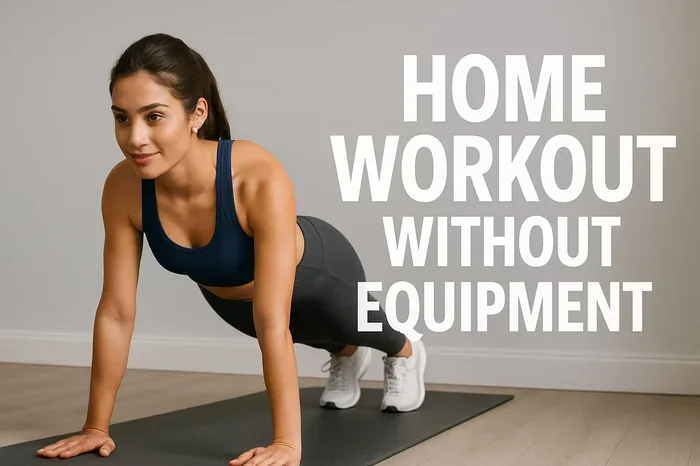
You don’t need dumbbells to build strength and stay fit. This guide covers the best alternatives, from household items to bodyweight exercises, so you can keep training effectively no matter what equipment you have.
Key Takeaways
- Household items like water jugs, backpacks, and bags of rice make excellent DIY dumbbell replacements.
- Bodyweight exercises such as push-ups, squats, and lunges deliver serious strength gains without any equipment.
- Resistance bands and towels offer affordable and versatile alternatives for a full-body workout.
- Improvised weights can be safely used at home with proper form and gradual progression.
- Consistency matters more than equipment — your body responds to effort, not just gear.
📑 Table of Contents
- What to Use If You Have No Dumbbells
- Why You Don’t Need Dumbbells to Get Strong
- Household Items That Work As Dumbbell Replacements
- Bodyweight Exercises That Replace Dumbbell Workouts
- Creative DIY Weight Solutions
- Resistance Bands and Other Affordable Alternatives
- Common Mistakes to Avoid
- Expert Tips for Maximizing Your Home Workouts
- Final Thoughts
What to Use If You Have No Dumbbells
So, you want to work out but your dumbbells are nowhere to be found. Maybe you just moved, maybe you never owned a pair, or maybe the kids used them as doorstops again. Whatever the reason, you can still get an amazing workout. The truth is, what to use if you have no dumbbells has plenty of answers. You just need a little creativity and some everyday items.
Strength training doesn’t require fancy equipment. People have built impressive bodies using nothing but their own weight, a backpack filled with books, or a couple of water bottles. This guide will walk you through the best alternatives, practical tips, and exercises that actually work. Let’s get into it.
Why You Don’t Need Dumbbells to Get Strong
Here’s something many beginners don’t realize: dumbbells are just a tool, not a requirement. Your muscles don’t care whether the resistance comes from a metal bar or a bag of flour. What matters is that you challenge your muscles through tension and progressive overload.
Bodyweight training has been around for thousands of years. Soldiers, athletes, and everyday people have built strength using nothing more than gravity and their own body. Add some household items to the mix, and you have a full gym at home. The key is knowing what to use if you have no dumbbells and how to use it correctly.
Progressive Overload Without Weights
Progressive overload means gradually making your exercises harder over time. With dumbbells, you just add more weight. Without them, you can increase reps, slow down your tempo, or change the angle of the exercise. For example, a standard push-up is great, but a decline push-up with your feet on a chair is much harder. That’s progressive overload in action.
Household Items That Work As Dumbbell Replacements
This is where it gets fun. Walk around your house and you’ll find plenty of things that can double as weights. The best part? Most of them are free. Here are some of the most effective household items you can grab right now.
Water Jugs and Bottles
A full gallon jug of water weighs about eight pounds. That’s a solid starting weight for many exercises. You can use it for curls, shoulder presses, and even goblet squats. Smaller water bottles work great for lighter exercises or for people just starting out.
Pro tip: Fill jugs with sand or rice for heavier weight. A gallon jug filled with sand can weigh over twelve pounds. This makes a surprisingly effective dumbbell alternative.
Backpacks and Bags
Any backpack can become a weighted vest or a handheld weight. Load it up with books, water bottles, or canned goods. Wear it on your back for squats and lunges, or hold it in your hands for bent-over rows. The beauty of a backpack is that the weight is distributed naturally and it’s easy to adjust.
Just make sure the zippers are closed tight and the straps are secure. You don’t want anything spilling mid-rep.
Bags of Pet Food, Rice, or Beans
A five-pound bag of pet food or rice is basically a pre-made dumbbell. You can hold it in one hand for single-arm exercises or use it with both hands for movements like goblet squats and overhead presses. These items are easy to find and easy to grip.
Towels for Resistance
Towels might not feel like weights, but they create incredible resistance when you twist, pull, or stretch them. A towel row, where you step on one end and row the other toward your chest, works your back and biceps surprisingly well. This is one of the most underrated exercise substitutions out there.
Bodyweight Exercises That Replace Dumbbell Workouts
Your own body is the ultimate piece of equipment. With bodyweight exercises, you can train every major muscle group and build real strength. Here are the best movements that mirror common dumbbell exercises.
Push-Ups Instead of Chest Press
Push-ups target your chest, shoulders, and triceps just like a dumbbell chest press. Start with standard push-ups and progress to harder variations as you get stronger. Try diamond push-ups for more tricep focus or decline push-ups to target the upper chest.
Squats and Lunges Instead of Goblet Squats
Bodyweight squats work your quads, glutes, and hamstrings. Add a jump or hold a squat position at the bottom to make them harder. Walking lunges and reverse lunges are fantastic alternatives to single-leg dumbbell exercises.
Planks and Rows Instead of Bent-Over Rows
For your back, try inverted rows using a sturdy table or a towel draped over a door. You can also do Superman holds and bird-dogs to strengthen your entire posterior chain. These movements build a strong back without a single weight.
Glute Bridges and Hip Thrusts
These target your glutes and hamstrings effectively. Elevate your feet on a chair or place a book on your hips for added resistance. They work just as well as dumbbell hip thrusts, especially when you focus on squeezing at the top of each rep.
Creative DIY Weight Solutions
If you want something that feels a bit more like a real dumbbell, there are plenty of DIY options you can make at home. These solutions are cheap, easy, and surprisingly effective.
Water Bottle Dumbbells
Fill two identical water bottles with sand, rice, or water. Tape them together or wrap them in a towel for a better grip. These make perfect home workout without equipment tools. You can adjust the weight by adding or removing contents.
Milk Jug Dumbbells
Empty milk jugs are another great option. Fill them with sand or gravel for a handle that’s easy to grip. They’re surprisingly well-balanced and work great for exercises like lateral raises, front raises, and curls.
Sock Weights
Fill a long sock with rice or sand, tie it shut, and you have a homemade weight that’s perfect for swinging exercises or leg raises. This is a quick and dirty solution that actually works pretty well for light to moderate training.
Resistance Bands and Other Affordable Alternatives
If you want something that feels a bit more like traditional gym equipment, resistance bands are your best friend. They’re cheap, portable, and incredibly versatile. You can replicate almost every dumbbell exercise with a quality resistance band.
Bands also provide variable resistance, meaning the tension increases as you stretch them. This mimics how your muscles naturally work and can lead to great strength gains. A set of resistance bands costs less than most dumbbells and takes up almost no space.
Another option is a resistance band substitute like a thick towel or a long rope. You can use these for pull-apart exercises, face pulls, and even assisted pull-ups. Get creative and you’ll find that the possibilities are endless.
Comparing Household Items to Actual Dumbbells
Let’s be honest — household items won’t perfectly replace a set of calibrated dumbbells. But they can get you surprisingly far, especially if you’re a beginner or intermediate lifter. Here’s a quick comparison of common household items and what they can replace:
- Gallon water jug: Replaces a light dumbbell (8 lbs). Great for curls, presses, and goblet squats.
- Backpack with books: Replaces a moderate dumbbell (10-20 lbs). Perfect for squats, lunges, and rows.
- Bag of rice or pet food: Replaces a medium dumbbell (5-15 lbs). Works for single-arm exercises and presses.
- Resistance bands: Replace dumbbells across multiple weight ranges. Excellent for pull-aparts, presses, and rows.
- Towels: Replace lighter dumbbell exercises. Best for rows, curls, and stretching movements.
As you get stronger, you can always combine items or add more weight. The goal is to keep challenging your muscles. If an exercise feels too easy, add a rep, slow down the tempo, or grab a heavier object. That’s how you keep making progress without traditional weights.
Common Mistakes to Avoid
Using improvised weights can be tricky if you don’t know what to watch out for. Here are some common mistakes people make when training without dumbbells:
- Using uneven weights: If one water jug has more liquid than the other, you’ll strain one side of your body. Always try to match your weights as closely as possible.
- Skipping warm-ups: Without proper weights, it’s tempting to jump right into heavy reps. Warm up your joints and muscles first to avoid injury.
- Neglecting form: Household items can be awkward to hold. Focus on slow, controlled movements rather than rushing through reps.
- Not progressing: Just because you’re using a backpack doesn’t mean you can’t progress. Keep increasing difficulty through reps, tempo, or harder variations.
- Ignoring grip strength: Improvised weights might be slippery or oddly shaped. Build your grip by using towels or wrapping items in cloth.
Expert Tips for Maximizing Your Home Workouts
Training without dumbbells doesn’t mean training without structure. Follow these tips to get the most out of your home workouts.
Create a routine. Just like you would at the gym, plan your workouts ahead of time. Decide which muscle groups you’ll train each day and pick exercises that target them. Consistency is the secret sauce of any fitness journey.
Track your progress. Keep a notebook or use your phone to log your reps, sets, and weights. When you see numbers going up, it keeps you motivated and proves that what to use if you have no dumbbells can actually deliver real results.
Don’t forget recovery. Rest days are just as important as workout days. Your muscles grow when you rest, not when you train. Make sure you’re sleeping well, eating enough protein, and giving your body time to recover between sessions.
Explore online resources. If you need workout ideas, there are thousands of free home workout programs available. Many of these programs are designed specifically for people training without equipment. You can also check out guides on what to use in place of dumbbells at home for more inspiration and structured plans.
Final Thoughts
Not having dumbbells is never an excuse to skip your workout. There are countless ways to build strength, burn fat, and stay healthy using things you already have at home. From water jugs and backpacks to bodyweight exercises and resistance bands, the options are practically endless.
The most important thing is to start. Don’t wait until you buy the perfect equipment. Grab a water bottle, do some push-ups, and feel the burn. You might be surprised at how effective a simple home workout without equipment can be. Your body doesn’t need dumbbells — it just needs you to show up and put in the work.
And remember, if you ever do get dumbbells down the road, all the strength and habits you build now will carry right over. The foundation you lay today with these alternatives will serve you for years to come. So go ahead, grab something heavy, and start moving. Your strongest self is waiting.
Frequently Asked Questions
What household items can I use instead of dumbbells?
Water jugs, backpacks filled with books, bags of rice or pet food, and even soup cans all work great as dumbbell replacements. Each of these items can be adjusted in weight to match your fitness level and exercise needs.
Can I build muscle without any weights at all?
Absolutely. Bodyweight exercises like push-ups, squats, lunges, and planks can build serious muscle, especially when you focus on progressive overload by increasing reps, slowing tempo, or using harder variations of each movement.
Are resistance bands a good alternative to dumbbells?
Yes, resistance bands are one of the best alternatives to dumbbells. They’re affordable, portable, and provide variable resistance that challenges your muscles throughout the full range of motion. They can replace most dumbbell exercises effectively.
How do I make DIY weights at home?
Fill empty milk jugs or water bottles with sand, rice, or gravel. You can also use a sturdy backpack loaded with books or heavy objects. Just make sure whatever you use is secure and easy to grip during exercises.
What to use if you have no dumbbells for a chest workout?
Push-ups are the best no-equipment chest exercise. Try different variations like diamond push-ups, decline push-ups, or wide-grip push-ups to target different parts of your chest. You can also use a sturdy table for incline push-ups or do floor presses with a rolled-up towel for added resistance.
Is it okay to train with improvised weights long-term?
It’s perfectly fine for beginners and intermediate lifters. However, as you advance, you may want to invest in proper dumbbells or resistance bands to continue progressing. In the meantime, improvised weights will absolutely keep you strong and building muscle.