
What Thickness Yoga Mat Do I Need 3
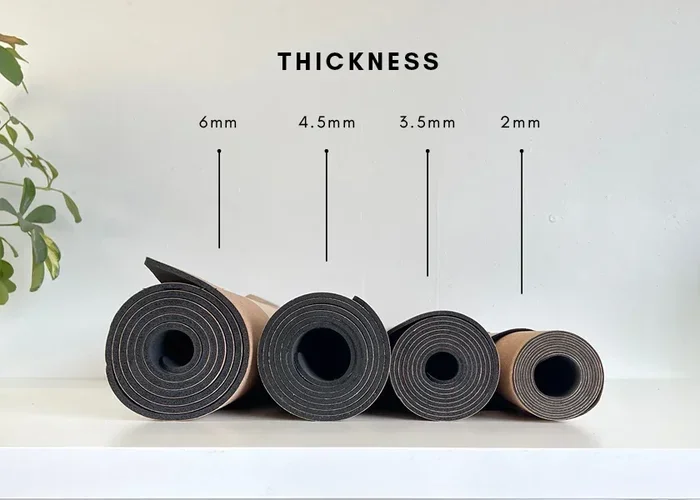
Choosing the right yoga mat thickness can make or break your practice. This guide answers exactly what thickness yoga mat do I need 3 and helps you pick the best option for comfort, stability, and support. Whether you are a beginner or advanced practitioner, the right yoga mat thickness protects your joints and enhances your sessions.
Have you ever started a yoga session and felt every bone in your body pressing against the floor? That uncomfortable sensation usually comes down to one thing: mat thickness. Choosing the right yoga mat thickness is one of the most important decisions you will make for your practice. A mat that is too thin offers no cushion. A mat that is too thick feels wobbly and unstable. So how do you find the sweet spot?
This guide breaks down everything you need to know about mat thickness. We will walk you through the different options, explain what works best for various body types, and help you avoid common mistakes. By the end, you will know exactly what thickness yoga mat do I need 3 and feel confident making your choice.
Whether you are a complete beginner or a seasoned yogi, the right cushioning for yoga transforms your experience. Let us dive in and find your perfect match.
Key Takeaways
- Standard thickness (6mm) works well for most people and offers a great balance of comfort and stability.
- Thicker mats (8mm or more) suit joint-sensitive users but may reduce balance during standing poses.
- Thinner mats (3-4mm) are ideal for travel and hot yoga where grip and portability matter most.
- Your body weight and practice style should drive your thickness choice more than anything else.
- Always test a mat before buying if possible, since feel and cushion vary by brand and material.
- The right thickness prevents injuries and keeps you comfortable through long holds and flows.
📑 Table of Contents
Why Yoga Mat Thickness Matters
The thickness of your mat directly affects two things: comfort and stability. These two factors work against each other in many cases. A thicker mat provides more cushion but can feel less steady underfoot. A thinner mat offers better grounding but less protection for your knees, wrists, and spine.
Think of it like choosing shoes. You want enough padding to protect your feet, but not so much that you feel unstable. The same principle applies to fitness mat selection. Your body type, practice style, and the surface you practice on all play a role in determining the ideal thickness.
Here are the main reasons proper mat thickness matters:
- Joint protection: A well-cushioned yoga mat for joint support reduces pressure on your knees, hips, and elbows during floor poses.
- Stability in standing poses: Thinner mats give you a solid base for poses like Warrior and Tree Pose.
- Comfort during long holds: Thicker padding helps you stay comfortable through Yin or restorative sessions.
- Temperature regulation: Mat thickness affects how much heat your body retains during hot yoga.
- Portability: Thinner mats weigh less and roll up smaller, making them easier to carry to class.
How Mat Density Differs from Thickness
People often confuse thickness with density, but they are not the same thing. Mat density refers to how tightly packed the material is, while thickness is simply how tall the mat stands off the ground. A mat can be thick but still feel firm if the density is high. Conversely, a thin mat can feel soft if the material is dense enough.
When shopping for a yoga mat guide, always check both measurements. A 6mm mat with low density will feel very different from a 6mm mat with high density. High-density mats last longer and provide better support over time.
Different Thickness Options Explained
Yoga mats come in a range of thicknesses. Understanding what each option offers helps you narrow down your choices quickly. Let us look at the most common categories.
Thin Mats (3mm to 4mm)
Thin mats are the go-to choice for yogis who prioritize stability and portability. These mats typically measure between 3mm and 4mm thick. They give you a strong connection to the floor, which helps with balance in standing poses and inversions.
Best for: Experienced practitioners, hot yoga enthusiasts, and travelers. If you practice at home on a hard floor and want maximum grounding, a thin mat works well.
Drawbacks: Thin mats offer very little cushion. Your knees and wrists will feel the floor during extended holds. They are also less forgiving on hard surfaces like concrete or tile.
Standard Mats (5mm to 6mm)
The standard yoga mat thickness falls in the 5mm to 6mm range. This is the most popular option for a reason. It offers a solid balance of cushion and stability. Most studio mats you see in gyms and yoga centers fall into this category.
Best for: General practitioners, beginners, and anyone who wants a versatile mat for multiple styles of yoga. A 6mm mat is often the safest starting point if you are unsure what to choose.
Drawbacks: Standard mats may not provide enough cushion for people with sensitive joints or those who practice on very hard surfaces. They are also mid-range in weight, so they are neither the lightest nor the heaviest option.
Thick Mats (8mm to 10mm)
Thick mats measure 8mm or more and are designed for maximum cushion. These are the extra thick yoga mat options you see marketed toward people with joint issues or those who practice restorative yoga.
Best for: People with knee or back sensitivity, older practitioners, and anyone recovering from injury. A thick mat provides excellent shock absorption during floor-based sequences.
Drawbacks: Thick mats can feel wobbly during standing poses. The extra cushioning makes it harder to feel grounded, which can throw off your balance. They are also heavier and bulkier to carry.
Extra Thick Mats (12mm+)
At the extreme end, you find mats that are 12mm thick or more. These are specialty items designed for very specific needs. They are rarely used in dynamic yoga classes because the instability factor becomes too high.
Best for: Absolute beginners with significant joint pain, chair yoga practitioners, or people who practice exclusively on the floor for meditation and gentle stretching.
Drawbacks: The wobble factor is significant. These mats are heavy and bulky. They are not suitable for Vinyasa, Ashtanga, or any practice that involves a lot of standing and balancing.
How to Choose the Right Thickness for You
Now that you know the options, let us talk about how to pick the right one. There is no single best thickness for everyone. The right choice depends on several personal factors.
Consider Your Body Weight
Body weight plays a huge role in how much cushion you need. Heavier individuals compress mats more, which means they need a thicker or denser mat to feel comfortable. A lightweight person might find a 5mm mat perfectly cushioned, while someone over 200 pounds might need an 8mm mat for the same level of comfort.
As a rule of thumb, the heavier you are, the more cushion you need. But do not go too thick, or you will sacrifice stability. The ideal thickness for a yoga mat is the one that gives your joints enough support without making you feel unsteady.
Think About Your Practice Style
Different styles of yoga demand different things from your mat. A gentle Hatha practice involves long holds on the floor, which benefits from extra cushion. A fast-paced Vinyasa flow involves many standing poses, which need a stable, thinner surface.
Here is a quick breakdown of what works for different styles:
- Vinyasa and Ashtanga: Go with 5mm to 6mm for a stable, grounded feel.
- Hatha and Yin: 6mm to 8mm provides comfort during long floor holds.
- Hot Yoga: 4mm to 5mm keeps you cool and prevents slipping on a wet mat.
- Restorative and Gentle Yoga: 8mm or more for maximum joint protection.
- Power Yoga: 5mm to 6mm for a firm base during vigorous sequences.
Evaluate Your Practice Surface
Where you practice matters just as much as the mat itself. A thick mat on a carpeted floor feels very different from the same mat on a hardwood floor. Hard surfaces demand more cushion to protect your joints. Soft surfaces like carpet already provide some give, so a thinner mat may be all you need.
If you practice outdoors on grass or concrete, consider a mat that is at least 6mm thick. Outdoor surfaces can be unforgiving, and you want enough padding yoga to keep your joints happy through your session.
Try Before You Buy
Whenever possible, test a mat in person before purchasing. Walk into a local yoga studio or sporting goods store and spend a few minutes on different thicknesses. Notice how each one feels under your knees, hands, and feet. Pay attention to whether you feel stable or wobbly.
Testing a mat gives you a feel for the mat firmness that works for your body. No guide can replace the experience of actually standing, balancing, and lying on a mat in real time.
Yoga Mat Thickness for Different Practices
Your practice style should guide your thickness choice more than almost any other factor. Let us look at how different yoga styles pair with different mat thicknesses.
Beginner Yoga and Mat Selection
If you are just starting out, a yoga mat for beginners should be 6mm thick. This gives you enough cushion to stay comfortable while still providing a stable base for learning basic poses. Beginners often spend a lot of time on their knees and hands, so joint protection is important.
As a beginner, you are also still building balance and strength. A thinner mat might feel too harsh, while a very thick mat might make you feel too unstable. The 6mm range is the Goldilocks zone for most new practitioners.
Advanced and Athletic Yoga
Experienced practitioners who flow through challenging sequences often prefer thinner mats. A 4mm or 5mm mat gives them the close-to-the-ground feeling they need for precision and balance. Advanced yogis typically have the strength and body awareness to handle less cushioning without discomfort.
If you are working on arm balances, inversions, or advanced standing poses, a thinner mat will serve you better. The reduced thickness keeps you connected to the floor and helps you maintain proper alignment.
Chair Yoga and Gentle Movement
Chair yoga and gentle movement practices involve mostly seated or supported poses. The cushion needs are different here because there is less pressure on joints during movement. A thicker mat, around 8mm, can add comfort for seated meditation and gentle stretching.
This is also a good option for older adults or anyone with chronic pain who wants a soft, forgiving surface for their practice. The proper mat thickness for chair yoga prioritizes comfort over stability.
Common Mistakes When Choosing Mat Thickness
Many people make avoidable mistakes when selecting their yoga mat. Being aware of these pitfalls helps you make a smarter choice the first time around.
Choosing Based on Looks Alone
It is tempting to pick a mat because it looks great in a photo or matches your gym outfit. But appearance has nothing to do with function. A beautiful mat that is the wrong thickness for your body and practice will only lead to frustration and discomfort.
Always prioritize function over form. Choose the mat thickness guide that fits your needs first, and then pick a color or design you enjoy.
Ignoring Density and Material
As we covered earlier, thickness alone does not tell the full story. Two mats can both be 6mm thick but feel completely different depending on the material and density. TPE mats, PVC mats, and rubber mats all have different cushioning properties.
When comparing options, always ask about density and material composition. A high-density 5mm mat can outperform a low-density 8mm mat in terms of both comfort and durability.
Overlooking Portability
If you carry your mat to class regularly, thickness directly impacts how easy it is to transport. Thick mats are heavy and bulky. If you bike to class or walk to the studio, a thick mat becomes a real burden.
For frequent travelers, a thin yoga mat in the 3mm to 5mm range is the most practical choice. You can always place a folded towel on top for extra cushion if needed.
Skipping the Break-In Period
New mats, especially thicker ones, often feel different during the first few uses. The material may compress over time, changing how the mat feels under your body. Give yourself a break-in period of several sessions before deciding a mat is the wrong thickness.
During the break-in period, pay attention to how the mat changes. Some mats soften up, while others stay the same. This will help you make a more informed long-term decision.
Final Thoughts on Choosing Your Mat
Finding the right yoga mat thickness is a personal journey. There is no one-size-fits-all answer. The best thickness is the one that makes you feel comfortable, stable, and supported throughout your practice.
Start by assessing your body, your practice style, and where you will be using the mat. If you are still unsure, a standard 6mm mat is a safe and versatile choice that works for most people. From there, you can adjust up or down based on your experience.
Remember that the right yoga mat guide considers all the factors we discussed: body weight, practice style, surface type, and personal comfort. Take your time, test options when possible, and trust your body to tell you what feels right.
The perfect mat thickness is out there waiting for you. Use the insights in this guide to make a confident choice, and enjoy every moment of your practice on a mat that truly supports you.
For more guidance on choosing the right equipment, check out our article on what is the best thickness for a yoga mat and our guide on what is the ideal thickness for a yoga mat. You can also explore how thick of a yoga mat do I need for additional depth on this topic.
Finally, if you want a complete checklist for mat shopping, our article on what should I look for in a yoga mat covers everything from thickness to material to price range.
Frequently Asked Questions
Is 6mm the standard yoga mat thickness?
Yes, 6mm is widely considered the standard yoga mat thickness. It offers a good balance of cushion and stability for most practitioners. Most yoga studios provide 6mm mats for their classes, and this thickness works well for beginners and intermediate users alike.
Can I use a thick mat for Vinyasa flow?
You can, but it may feel less stable during standing poses and transitions. Thick mats are better suited for gentle or restorative practices where you spend more time on the floor. For Vinyasa, a 5mm to 6mm mat gives you the support and grounding you need.
How do I know if my mat is too thin for me?
If you feel pain or discomfort in your knees, wrists, or spine during floor poses, your mat may be too thin. A simple test is to lie down on the mat and notice if you feel the hard floor underneath. If you do, consider moving up to a thicker option.
Does mat thickness affect grip and slip resistance?
Indirectly, yes. Thicker mats can feel softer and slightly more slippery for some users. Thinner mats often provide a more tactile connection to the floor, which improves grip for many people. The material and surface texture matter just as much as thickness for slip resistance.
Should I choose a thicker mat if I have knee problems?
Generally yes, a thicker mat provides more cushion for sensitive knees. However, the density of the mat matters just as much as the thickness. A high-density 6mm mat can offer more knee support than a low-density 10mm mat. Test different options to find what feels best for your knees.
What is the best thickness for a travel yoga mat?
For travel, 3mm to 5mm is the ideal range. These mats are lightweight, roll up small, and fit easily in a bag or suitcase. You can always add a folded towel for extra cushion during your practice. Portability is the top priority for travel mats.


