What Resistance Should I Use on the Elliptical
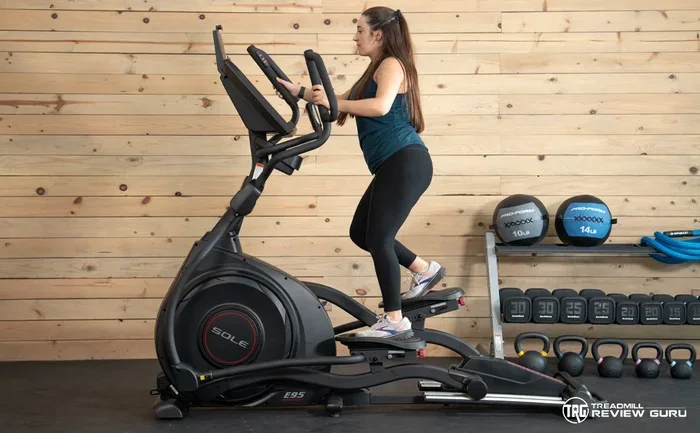
Choosing the right resistance on your elliptical makes a huge difference in your workout quality. Whether you are a beginner or a seasoned gym-goer, setting the correct elliptical resistance levels helps you burn more calories burned elliptical, build endurance, and avoid injury. This guide breaks down exactly how to pick the best elliptical resistance for your goals, fitness level, and training plan.
So you are staring at your elliptical machine, ready to crush a workout. But then you see all those resistance levels on the console and your mind goes blank. What resistance should I use on the elliptical? This is one of the most common questions people ask when they step onto a cardio elliptical workout machine for the first time. The good news is that you do not need a degree in exercise science to figure it out. With a few simple guidelines, you can dial in the perfect elliptical resistance for your body and your goals.
The resistance level on your elliptical controls how hard your muscles have to work to push and pull the pedals. Think of it like a dial that controls the intensity of your entire session. Too little resistance and you are barely getting a workout. Too much and you burn out fast or risk injury. Finding the sweet spot is the key to getting the most out of every session. Let us break it all down so you can walk up to that machine with total confidence.
Key Takeaways
- Start low and progress gradually: Beginners should begin with low resistance and increase over time to build a solid fitness base.
- Match resistance to your goals: Use low resistance for warm-ups and endurance, medium for steady cardio, and high for intense interval training.
- Monitor your heart rate: Your heart rate elliptical zone tells you whether your resistance is too easy or too hard.
- Adjust stride length alongside resistance: Combining the right elliptical stride length with proper resistance maximizes results.
- Avoid common mistakes: Slouching, locking your knees, and using the same resistance every session can stall your progress.
- Track your workouts: Keeping a log of your elliptical machine settings helps you see improvements over time.
📑 Table of Contents
- Understanding Elliptical Resistance Levels
- How to Choose the Right Resistance for Your Goals
- Beginner Guide: Starting Resistance Settings
- How Resistance Affects Your Heart Rate
- Common Mistakes to Avoid with Elliptical Resistance
- Advanced Resistance Techniques for Experienced Users
- Quick Tips for Perfecting Your Elliptical Resistance
- Conclusion
Understanding Elliptical Resistance Levels
Most elliptical machines have resistance levels that range from about 1 to 20 or even higher. These levels control the magnetic or friction brake system that creates drag on the pedals. The higher the number, the harder it feels to push through each stride. But here is the thing, the numbers are not universal across all machines. What feels like level 5 on one elliptical might feel like level 12 on another.
What Each Resistance Level Does
Let us talk about what each range of resistance actually does for your body. This will help you understand how to adjust things during your workout.
- Low resistance (levels 1-5): This is your warm-up zone. It gets your joints moving and your blood flowing without taxing your muscles too much. Great for beginners who are just getting started with their elliptical fitness routine.
- Medium resistance (levels 6-12): This is where most steady-state cardio happens. You feel challenged but can still hold a conversation. This is the bread and butter of endurance training elliptical workouts.
- High resistance (levels 13-20+): This pushes your muscles hard and spikes your heart rate. Use this for short bursts during interval training or for strength building elliptical sessions.
The beauty of an elliptical resistance adjustment is that you can change it mid-workout. You do not have to stick with one level the entire time. In fact, varying your resistance is one of the smartest things you can do for your fitness.
How to Choose the Right Resistance for Your Goals
Your fitness goals should drive your resistance settings. Different goals need different approaches. Here is how to match your elliptical machine settings to what you want to achieve.
For Weight Loss and Fat Burning
If your main goal is to maximize calories burned elliptical, you want a moderate to high resistance. This keeps your heart rate in the fat-burning zone while engaging your upper and lower body. Aim for resistance levels between 8 and 14. Combine this with a consistent pace for 30 to 45 minutes. You can also check how many calories you should burn on the elliptical to set realistic targets.
Here is a practical example. Start at level 5 for your first five minutes to warm up. Then bump it up to level 10 for your main workout block. Keep your heart rate between 60 and 75 percent of your maximum. This is a proven elliptical training program structure that works well for fat loss.
For Building Endurance
Endurance training on the elliptical requires a slightly different approach. You want enough resistance to challenge your muscles but not so much that you exhaust yourself quickly. Stick with levels 4 through 9 for longer sessions. The goal is to sustain effort over 45 minutes or more.
A good strategy is to use low resistance elliptical intervals within your longer session. For example, pedal at level 6 for three minutes, then drop to level 4 for two minutes. This pattern builds stamina without overloading your joints. If you are new to this, check out how long you should use the elliptical each day to plan your training schedule.
For Muscle Toning and Strength
Want to feel the burn in your glutes, quads, and hamstrings? Crank up the resistance. High resistance forces your muscles to work harder against the pedal stroke. This builds muscular endurance and tones your lower body effectively.
Use resistance levels between 12 and 18 for strength-focused sessions. Keep your sessions shorter, around 20 to 30 minutes, because high resistance fatigues muscles faster. Focus on pushing through your heels and engaging your core throughout the movement. You can also pair this with elliptical stride length adjustments for even better results.
Beginner Guide: Starting Resistance Settings
If you are brand new to the elliptical, the best thing you can do is start simple. Jumping straight to high resistance is a recipe for sore muscles and discouragement. Instead, ease into it with a smart progression plan.
Begin at resistance level 3 or 4 for your first two weeks. Focus on form, rhythm, and getting comfortable with the motion. Your elliptical machine for beginners experience should feel manageable and even enjoyable. After two weeks, bump it up by one level every few sessions. This gradual increase builds your base fitness without overwhelming your body.
A typical beginner session might look like this:
- Warm up at level 3 for 5 minutes.
- Main workout at level 5 for 15 to 20 minutes.
- Cool down at level 2 for 5 minutes.
As you get stronger, you can extend the main workout block and increase the resistance. Within a month or two, you will notice that levels that once felt hard now feel easy. That is your signal to push higher.
How Resistance Affects Your Heart Rate
Your heart rate elliptical response is one of the best indicators of whether your resistance is right for you. If your heart rate stays low and you feel like you could nap, the resistance is too easy. If your heart rate spikes above 85 percent of your max and you feel dizzy, it is too hard.
The sweet spot for most people is 60 to 75 percent of their maximum heart rate during steady cardio. This is called the moderate intensity zone. You can calculate your max heart rate roughly by subtracting your age from 220. For a 35-year-old, that would be about 185 beats per minute. The moderate zone would be 111 to 139 bpm.
Using a heart rate monitor while on the elliptical gives you real-time feedback. You can adjust your resistance up or down to stay in your target zone. This makes your workouts far more effective than just guessing. It also helps you track your fitness improvements over time as your heart becomes stronger and more efficient.
Common Mistakes to Avoid with Elliptical Resistance
Even experienced gym-goers make mistakes with their elliptical resistance settings. Here are the most common ones and how to fix them.
Staying at the Same Resistance for Every Workout
This is probably the biggest mistake people make. Your body adapts quickly. If you always pedal at level 7, your body will adjust and the workout becomes less effective over time. You need to vary your elliptical resistance levels to keep challenging your muscles and cardiovascular system.
Try this approach. Do two easy sessions per week at levels 3 through 6. Do one hard session with intervals at levels 10 through 16. This variation keeps your body guessing and your progress moving forward.
Setting Resistance Too High Too Soon
It is tempting to crank the resistance up to match someone else on the machine next to you. Resist that urge. Going too high too fast leads to poor form, joint strain, and burnout. Your moderate resistance exercise should feel challenging but sustainable. If you cannot maintain a smooth pedal stroke, the resistance is too high.
Ignoring Your Upper Body
Many people focus only on their legs when adjusting resistance. But the elliptical is a full body elliptical workout machine. The handles provide an upper body component that works your arms, chest, and back. When you increase resistance, your upper body works harder too. Keep your posture upright and actively pull and push the handles for maximum benefit.
Advanced Resistance Techniques for Experienced Users
Once you have mastered the basics, you can take your elliptical workout intensity to the next level with advanced techniques. These methods are used by trainers and fitness professionals to break through plateaus.
Interval Training with Variable Resistance
Interval training on the elliptical is incredibly effective. You alternate between high and low resistance to torch calories and build cardiovascular fitness. Here is a sample structure:
- 2 minutes at level 8 (warm-up)
- 1 minute at level 15 (high intensity)
- 2 minutes at level 6 (recovery)
- Repeat 4 to 6 times
- 2 minutes at level 4 (cool-down)
This type of elliptical resistance training keeps your metabolism elevated long after you step off the machine. It is one of the most efficient ways to improve your overall fitness in less time.
Reverse Pedaling for Extra Challenge
Some ellipticals allow you to pedal backward. This targets different muscle groups, especially your shins and calves. Try pedaling backward at a moderate resistance level 8 to 10 for 5 minutes during your workout. It adds variety and challenges your muscles in new ways. Just make sure to hold the handles firmly and keep your core engaged.
Quick Tips for Perfecting Your Elliptical Resistance
Here are some quick, actionable tips to help you get the most from every session:
- Check your posture first. Stand tall, shoulders back, and core tight before adjusting resistance.
- Use the talk test. If you can speak in full sentences, your resistance is probably right for steady cardio.
- Adjust stride length too. The right elliptical stride length combined with proper resistance makes a big difference. Find your ideal stride length to match your height.
- Track your settings. Write down your resistance level, duration, and how you felt after each workout.
- Listen to your body. Pain is a signal. If something feels wrong, lower the resistance and check your form.
- Stay hydrated. Higher resistance means more sweat. Keep water nearby and sip regularly.
These small habits compound over time. Within weeks, you will notice real improvements in your strength, stamina, and overall fitness. For more on elliptical training, you might also want to learn what stride length you should use on an elliptical to optimize your setup even further.
Conclusion
So, what resistance should I use on the elliptical? The answer depends on your goals, your fitness level, and how your body feels on any given day. Start with a moderate resistance that challenges you without breaking your form. Gradually increase the intensity as your body adapts. Track your heart rate, vary your sessions, and listen to your body. The elliptical resistance dial is one of the most powerful tools on the machine. Use it wisely and you will unlock better workouts, faster results, and a stronger, healthier body.
Remember, consistency beats intensity every single time. Show up, adjust your elliptical machine settings smartly, and trust the process. Your future self will thank you for every session you put in.
Frequently Asked Questions
What is the best resistance level for a beginner on the elliptical?
Start at resistance level 3 or 4 and focus on maintaining a smooth, comfortable stride. After two weeks, increase by one level every few sessions. This gradual approach builds your base fitness without causing soreness or burnout.
How do I know if my elliptical resistance is too high?
If you cannot maintain a smooth pedal stroke or your heart rate spikes above 85 percent of your max, the resistance is likely too high. You should also feel pain in your knees or lower back. Drop the resistance and focus on proper form until you build more strength.
Can I change resistance during my elliptical workout?
Absolutely. In fact, varying your elliptical resistance levels mid-workout is one of the best ways to boost results. Try increasing resistance for one minute, then recovering at a lower level. This mimics interval training and keeps your body challenged.
How often should I increase my elliptical resistance?
Increase resistance every two to three weeks as your fitness improves. You should feel challenged but not overwhelmed. If your current level feels easy, it is time to bump it up. Consistent small increases lead to steady long-term progress.
Does higher resistance on the elliptical burn more calories?
Yes, higher resistance generally increases the number of calories burned elliptical sessions. However, you must balance this with sustainability. A moderate resistance you can maintain for 30 minutes will often burn more total calories than a very high resistance you can only sustain for five minutes.
What resistance should I use for a weight loss elliptical workout?
For weight loss, aim for moderate resistance between levels 8 and 14 combined with a steady pace for 30 to 45 minutes. This keeps your heart rate in the optimal fat-burning zone. Pair your workouts with a healthy diet for the best elliptical training program results.