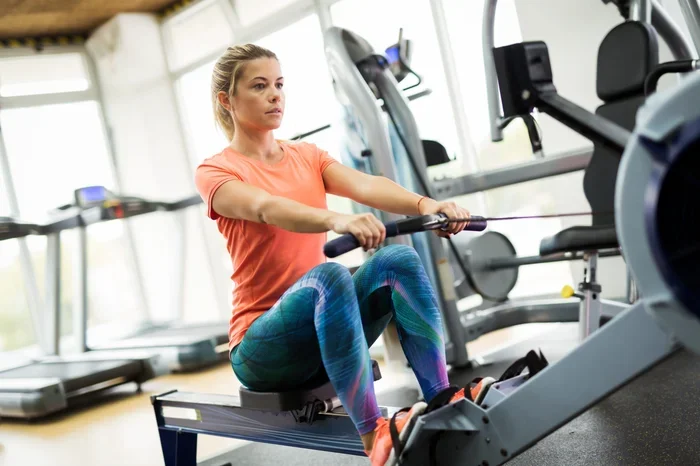
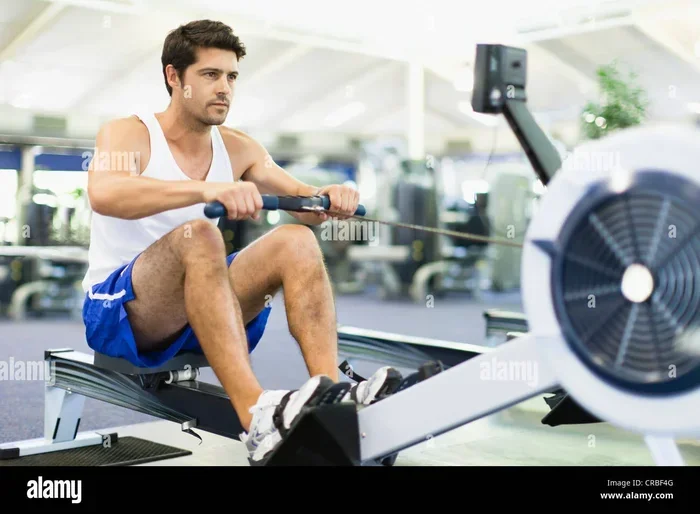
What Parts of the Body Does Rowing Work
Rowing is one of the best full-body workouts you can do. It targets your legs, back, arms, and core all at once. Whether you use a machine or a boat, rowing builds strength, boosts heart health, and burns serious calories. This guide breaks down every muscle group rowing works and how to get the most from your sessions.
Have you ever wondered what parts of the body does rowing work? The answer might surprise you. Rowing is not just an arm exercise. It is one of the most effective full-body workouts available. Whether you are using a rowing machine at the gym or pulling an oar on the water, this exercise hits almost every major muscle group. People love rowing because it builds strength, improves heart health, and burns a ton of calories all at the same time. In this guide, we will break down exactly which muscles rowing targets, why it is so effective, and how you can use it to reach your fitness goals.
Many people think rowing is just for the upper body. That is a common mistake. The truth is, your legs do most of the heavy lifting during each stroke. Your back, core, and arms all play important roles too. Understanding how rowing works your body helps you train smarter and get better results. Let us dive into the details.
Key Takeaways
- Rowing works over 80% of your body: It engages your legs, back, arms, shoulders, and core in every stroke.
- It is a low-impact exercise: Rowing is gentle on your joints while still delivering a high-intensity workout.
- You can build both strength and endurance: Rowing combines aerobic and anaerobic benefits in one movement.
- Proper form is essential: Using the right technique prevents injury and maximizes muscle engagement.
- Rowing burns calories fast: A 30-minute session can burn 200 to 400 calories depending on intensity.
- It suits all fitness levels: Beginners and athletes alike can adjust resistance and pace to match their goals.
📑 Table of Contents
What Parts of the Body Does Rowing Work?
Rowing is famous for being a full-body exercise. When you row correctly, you use muscles from your feet to your fingertips. Let us look at the main muscle groups rowing targets.
Your Legs Do the Heavy Work
The drive phase of a rowing stroke starts with your legs. Your quadriceps, hamstrings, and glutes push you backward against the footplate. This is where most of the power comes from. Your calves also help stabilize your ankles throughout the movement. If you want stronger legs, rowing is a fantastic way to build that strength without heavy weights.
Think about it this way. Every time you push off the footplate, you are doing a mini squat. Over time, this builds lean muscle in your thighs and glutes. It also improves your overall leg endurance. Strong legs help you in almost every other exercise and sport too.
Your Back and Core Keep You Stable
After your legs drive, your back muscles take over. Your latissimus dorsi, rhomboids, and trapezius all pull the handle toward your torso. These are the muscles that give your back that strong, defined look. Rowing regularly can help improve your posture and reduce back pain caused by sitting all day.
Your core muscles play a huge role too. Your abdominals and obliques keep your torso stable during every stroke. Without a strong core, you would not be able to transfer power from your legs to your arms efficiently. This is why many people notice improved core strength after just a few weeks of consistent rowing.
Your Arms and Shoulders Finish the Stroke
The final part of the rowing stroke involves your arms pulling the handle into your lower chest. Your biceps, forearms, and shoulders do the work here. While your arms contribute less power than your legs, they are still essential for completing the movement.
Your rear deltoids and upper back also help control the return phase. This balanced engagement means you build strength on both the front and back of your upper body. Over time, you will notice improved arm tone and shoulder stability.
Why Rowing Is a Full-Body Workout
What makes rowing different from machines like the treadmill or bike? The answer is simple. Rowing works your upper and lower body at the same time. Most cardio machines focus on just one area. But rowing engages over 80% of your muscles in every single stroke.
Compare this to something like cycling. Cycling mainly targets your legs. Or the elliptical, which focuses mostly on your lower body and glutes. The elliptical does work your upper body too, but it does not engage your core and back the same way rowing does. Rowing gives you a more complete workout in less time.
Another reason rowing stands out is the way it combines strength and cardio. You are pushing and pulling against resistance the entire time. This means you build muscle while also improving your heart health. Few exercises can claim that benefit.
Rowing Muscles Engagement Breakdown
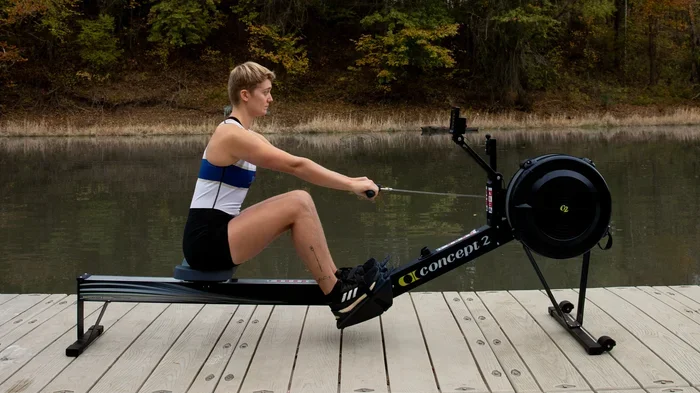
To understand how rowing works your body, it helps to look at the stroke in phases. Each phase activates different muscle groups. Here is a simple breakdown.
- The Catch: Your shins are vertical, and your arms are extended. Your core is engaged, and your hamstrings and calves are pre-loaded.
- The Drive: Your legs push hard, then your back swings open, and finally your arms pull the handle in. This is where the power happens.
- The Recovery: Your arms extend, your torso leans forward, and your knees bend as you slide back to the catch. This phase resets your body for the next stroke.
Every phase uses a different combination of muscles. This is what makes rowing so effective. You get a balanced workout that targets your entire body. If you want to learn more about which specific muscles activate during each phase, check out our detailed guide on what the rowing machine works on your body.
Benefits of Rowing for Your Body
Now that you know what parts of the body does rowing work, let us talk about the benefits. Rowing offers a long list of advantages that go beyond just building muscle.
Cardiovascular Health
Rowing gets your heart pumping. It is an excellent aerobic exercise that strengthens your heart and lungs. Regular rowing can lower your blood pressure, improve circulation, and reduce your risk of heart disease. Even 20 minutes of moderate rowing can make a real difference in your cardiovascular fitness.
Low-Impact Joint Protection
If you have bad knees or sensitive joints, rowing is a great option. Unlike running or jumping, rowing is smooth and low-impact. The gliding seat and fluid motion mean there is very little stress on your knees, hips, or ankles. This makes it perfect for people recovering from injuries or those who want a joint-friendly workout.
Calorie Burning and Weight Loss
Rowing burns a lot of calories in a short amount of time. A 155-pound person can burn around 260 calories in just 30 minutes of moderate rowing. Bump up the intensity, and that number goes even higher. Because rowing works so many muscles at once, your body burns more fuel than it would with a single-muscle exercise.
Improved Posture and Balance
Rowing strengthens the muscles that support your spine. Over time, this leads to better posture and balance. Many people who sit at desks all day develop rounded shoulders and a weak core. Rowing counteracts these problems by building a strong, stable back and midsection.
Common Rowing Mistakes to Avoid
Even though rowing is a great exercise, doing it wrong can reduce your results or lead to injury. Here are some common mistakes to watch out for.
- Relying too much on your arms: Your arms should finish the stroke, not start it. Let your legs drive the power first.
- Rounding your back: Keep your spine neutral throughout the movement. Rounding your back puts unnecessary stress on your lower spine.
- Sliding too far forward: Overcompressing at the catch can strain your knees. Keep the movement controlled and within a comfortable range.
- Rushing the recovery: The recovery phase is just as important as the drive. Take your time and let your body reset properly.
Getting your form right makes a huge difference. If you are new to rowing, start with lower resistance and focus on technique. Once your form feels natural, you can increase intensity and resistance safely.
How to Get Started with Rowing
Starting a rowing routine is easy. You do not need any special equipment beyond access to a rowing machine or a boat. Here are some simple steps to get you going.
- Warm up for 5 minutes: Start with light rowing at a relaxed pace to get your muscles ready.
- Focus on form first: Practice the drive and recovery sequence slowly. Quality always comes before quantity.
- Start with 10 to 15 minutes: Build up your duration gradually. Do not try to row for an hour on your first day.
- Increase intensity over time: Add more resistance or try interval training as your fitness improves.
- Cool down and stretch: Finish each session with 5 minutes of easy rowing and some gentle stretching.
Consistency is key. Aim for 3 to 4 rowing sessions per week, and you will start seeing results within a few weeks. Your endurance will improve, your muscles will get stronger, and you will feel more energized throughout the day.
Rowing vs. Other Cardio Machines
How does rowing compare to other popular cardio machines? Here is a quick look at the differences.
| Machine | Primary Muscles Worked | Impact Level | Full Body? |
|---|---|---|---|
| Rowing Machine | Legs, back, arms, core | Low | Yes |
| Treadmill | Legs, glutes | High | No |
| Stationary Bike | Legs, glutes | Low | No |
| Elliptical | Legs, glutes, some arms | Low | Partial |
As you can see, rowing is one of the few machines that truly works your entire body. It combines the cardiovascular benefits of a treadmill with the muscle engagement of a strength workout. This is why so many fitness experts recommend rowing as a go-to exercise.
Final Thoughts
So, what parts of the body does rowing work? The honest answer is almost all of them. From your legs and glutes to your back, core, arms, and shoulders, rowing delivers a complete workout that few other exercises can match. It is low-impact, highly effective, and suitable for people at every fitness level.
Whether your goal is to build strength, lose weight, improve heart health, or simply try something new, rowing is a fantastic choice. Start slow, focus on your form, and stay consistent. The results will follow. Grab a rower today and experience the full-body benefits for yourself.
Frequently Asked Questions
Is rowing a good workout for beginners?
Yes, rowing is excellent for beginners. It is low-impact and easy to learn. Start with short sessions at low resistance and focus on your form. As you get comfortable, you can increase the duration and intensity gradually.
How often should I row to see results?
Aim for 3 to 4 rowing sessions per week. Each session should last 20 to 45 minutes. Consistency is more important than intensity when you are just starting out. Give your body time to adapt and recover between sessions.
Can rowing help me lose belly fat?
Rowing burns a significant number of calories and engages your core muscles. While spot reduction is not possible, rowing creates a calorie deficit that helps reduce overall body fat, including belly fat. Combine it with a healthy diet for the best results.
Does rowing work your abs?
Yes, rowing works your abs throughout every stroke. Your core stabilizes your torso during the drive and recovery phases. This constant engagement strengthens your abdominal muscles over time, contributing to a stronger midsection.
Is rowing better than running?
It depends on your goals. Rowing is lower impact and works more muscle groups than running. Running burns more calories per minute at high intensity. Both are great exercises, but rowing is easier on your joints and provides a more balanced full-body workout.
What muscles does the rowing stroke target the most?
The rowing stroke targets your legs the most, especially your quads, hamstrings, and glutes. Your back and core also play major roles. Your arms and shoulders contribute during the pull phase. This is why rowing is considered one of the most comprehensive full-body exercises available.
=== CONCLUSION ===
Rowing is one of the most efficient and effective exercises you can add to your routine. It works your legs, back, core, arms, and shoulders all at once. The low-impact nature makes it accessible to almost everyone, from complete beginners to seasoned athletes. By understanding what parts of the body does rowing work, you can train with purpose and get the most out of every session. Start today, stay consistent, and enjoy the full-body benefits that rowing has to offer.