What Muscles Do You Work with a Rowing Machine
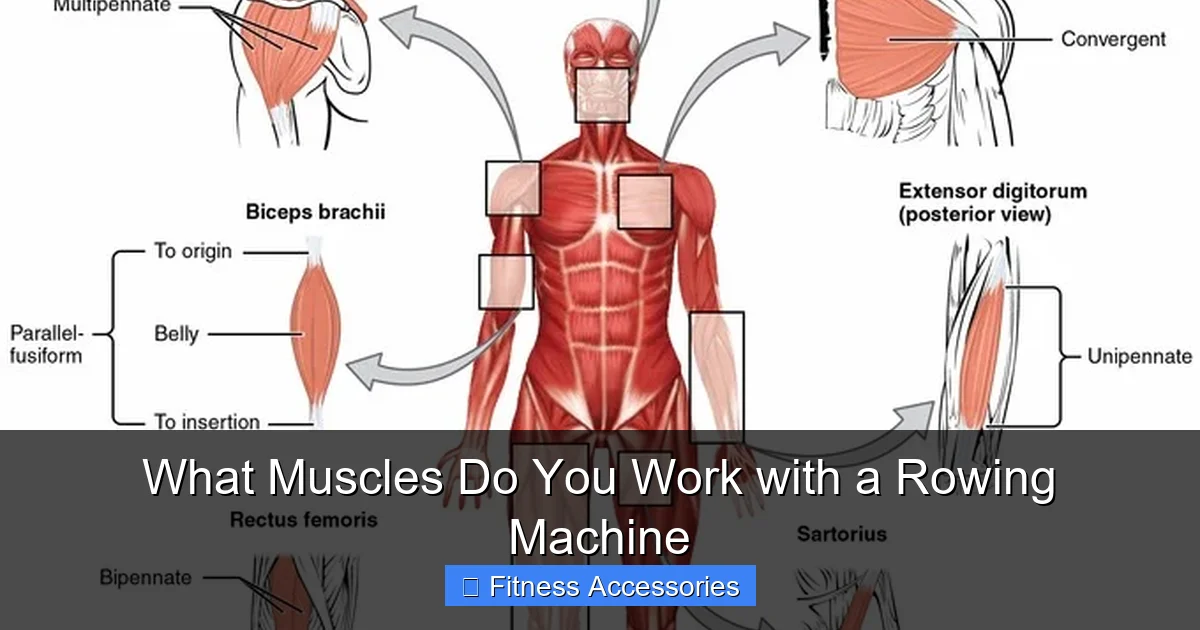
A rowing machine delivers a powerful full-body workout that engages over 85% of your major muscle groups in a single, fluid motion. From your legs and glutes to your back, core, and arms, rowing builds strength, endurance, and cardiovascular fitness simultaneously. Whether you’re a beginner or seasoned athlete, understanding what muscles you work with a rowing machine can help you maximize every stroke.
Key Takeaways
- Full-body engagement: A rowing machine works approximately 86% of your muscles, making it one of the most efficient exercises available.
- Legs and glutes lead the drive: Your quadriceps, hamstrings, and glutes generate about 60% of the power in each rowing stroke.
- Core stability is essential: Your abdominals, obliques, and lower back muscles stabilize your torso throughout the entire movement.
- Upper body pulls it all together: Your lats, rhomboids, biceps, and forearms handle the pulling phase of the stroke.
- Low-impact, high-reward: Rowing is gentle on joints while delivering intense muscular and cardiovascular benefits.
- Proper form maximizes muscle activation: Understanding the correct sequence of the rowing stroke ensures you target the right muscles effectively.
- Versatile for all fitness levels: You can adjust resistance and intensity to match your goals, from endurance to strength training.
📑 Table of Contents
- What Muscles Do You Work with a Rowing Machine?
- The Anatomy of a Rowing Stroke
- Lower Body Muscles: The Powerhouse of Rowing
- Core Muscles: Your Body’s Stabilizer
- Upper Body Muscles: The Pulling Power
- Cardiovascular and Endurance Benefits
- How to Maximize Muscle Engagement on a Rowing Machine
- Common Mistakes to Avoid
- Who Should Use a Rowing Machine?
- Conclusion
What Muscles Do You Work with a Rowing Machine?
If you have ever stepped onto a rowing machine and wondered exactly what muscles you work with a rowing machine, you are not alone. Rowing is one of the most misunderstood pieces of gym equipment out there. Many people assume it is just an upper body workout or purely a cardio machine. The truth is far more exciting. A rowing machine engages nearly every major muscle group in your body, making it one of the most efficient and effective exercises you can do.
Whether you are looking to build lean muscle, burn calories, improve your cardiovascular health, or simply add variety to your fitness routine, understanding what muscles you work with a rowing machine is the first step. In this comprehensive guide, we will break down every muscle group involved, explain the science behind the rowing stroke, and give you practical tips to get the most out of every single session. Let us dive in and explore the incredible full-body benefits of rowing.
The Anatomy of a Rowing Stroke
Understanding the Four Phases
To truly understand what muscles you work with a rowing machine, you need to break down the rowing stroke into its four distinct phases. Each phase activates different muscle groups in a specific sequence, creating a smooth, powerful, and continuous movement. The four phases are the catch, the drive, the finish, and the recovery.
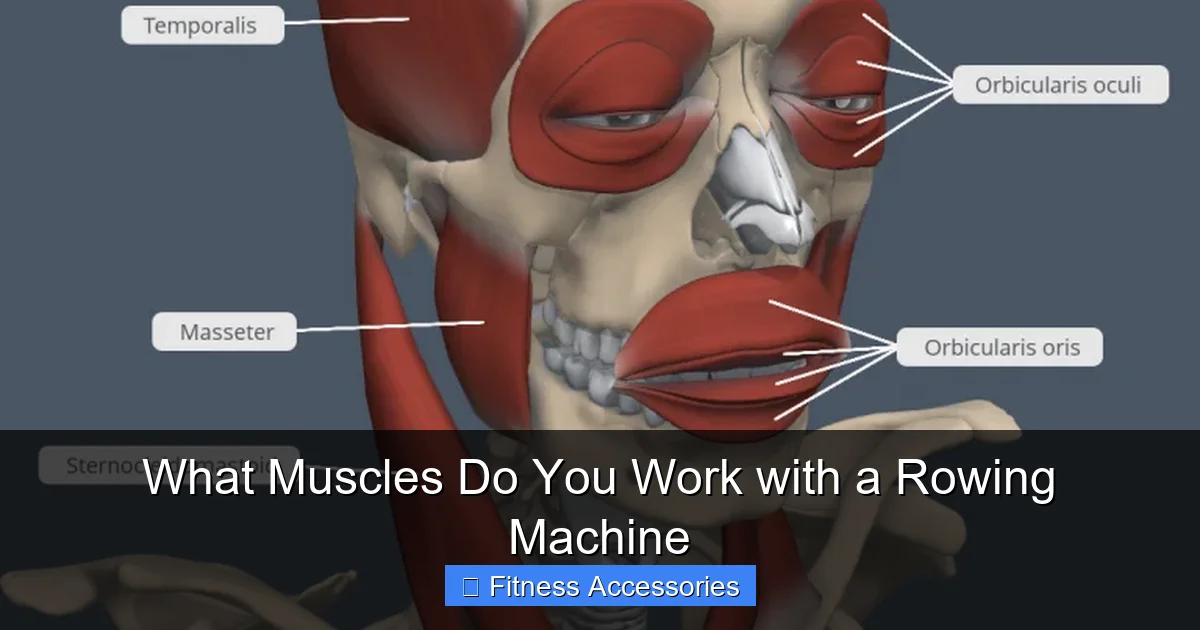
Visual guide about What Muscles Do You Work with a Rowing Machine
Image source: qut.pressbooks.pub
At the catch, you are in the starting position with your knees bent, arms extended forward, and your body leaning slightly ahead. Your shins are vertical, and your core is engaged. This is where the tension builds before the explosive movement begins.
The drive is the power phase. You push through your legs first, then swing your torso back, and finally pull with your arms. This is where the majority of the muscle activation happens, and it is the heart of what makes rowing such an incredible full-body exercise.
At the finish, your legs are fully extended, your torso is leaning back slightly, and your hands are pulled into your lower ribcage. Your back muscles and biceps are working hard here to complete the stroke.
Finally, the recovery is the controlled return to the starting position. You extend your arms, hinge forward at the hips, and bend your knees. This phase may seem passive, but your core and hip flexors are actively controlling the movement.
Why the Sequence Matters
The order in which you engage your muscles during the rowing stroke is critical. The correct sequence is legs, then back, then arms on the drive, and arms, then back, then legs on the recovery. This sequence ensures that the largest and strongest muscle groups, your legs, do the majority of the work. When you understand this sequence, you can dramatically improve your efficiency and reduce the risk of injury.
Many beginners make the mistake of pulling with their arms first. This not only reduces the power of each stroke but also puts unnecessary strain on smaller muscle groups that are not designed to lead the movement. By focusing on the proper sequence, you will engage the right muscles at the right time and get far better results from your rowing workouts.
Lower Body Muscles: The Powerhouse of Rowing
Quadriceps
Your quadriceps are the large muscles on the front of your thighs, and they are the primary drivers of the rowing stroke. When you push off from the catch position, your quads contract powerfully to extend your knees and generate forward momentum. Research suggests that approximately 60% of the power in each rowing stroke comes from the lower body, with the quads leading the charge.
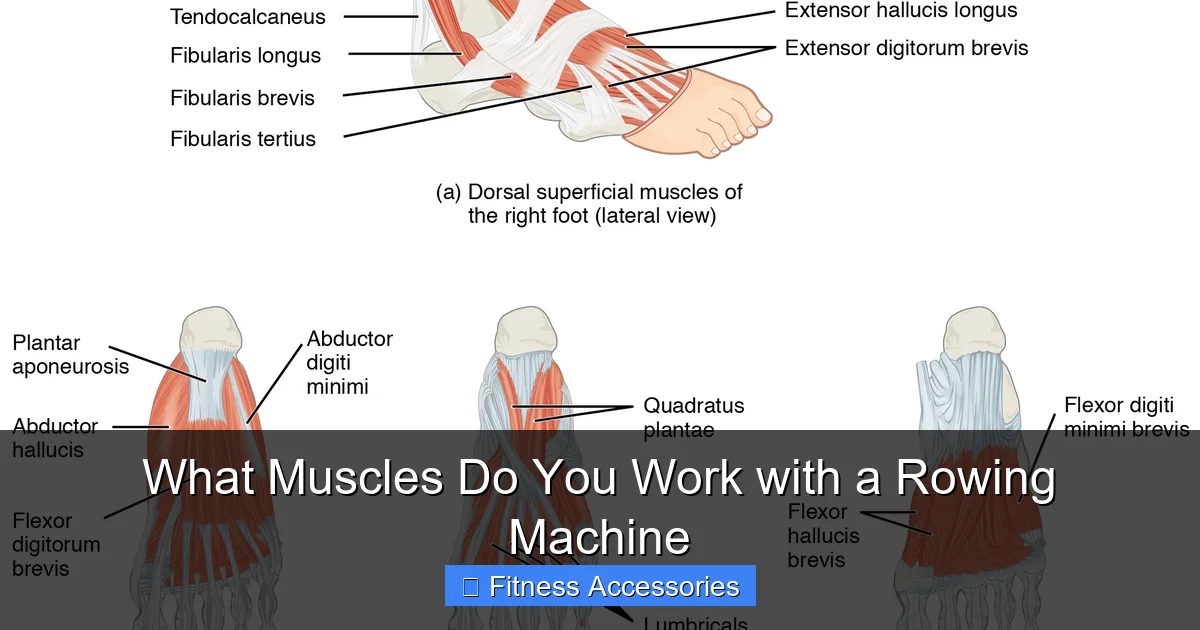
Visual guide about What Muscles Do You Work with a Rowing Machine
Image source: philschatz.com
If you want to feel your quads working during rowing, focus on driving through your heels and pushing your feet hard against the footplate. You will notice a burning sensation in your thighs during longer or more intense sessions, which is a clear sign that your quads are being thoroughly engaged.
Hamstrings
Located on the back of your thighs, your hamstrings play a crucial supporting role during the rowing stroke. They work alongside your quads during the drive phase to extend your hips and stabilize your knees. During the recovery phase, your hamstrings also help control the bending of your knees as you slide back to the catch position.
Strong hamstrings are essential for maintaining proper form and preventing knee injuries during rowing. If you find that your knees feel unstable or sore after rowing, it may be a sign that your hamstrings need strengthening. Adding exercises like Romanian deadlifts and hamstring curls to your routine can complement your rowing workouts beautifully.
Glutes
Your gluteal muscles, particularly the gluteus maximus, are among the largest and most powerful muscles in your body. During the rowing stroke, your glutes fire hard during the drive phase as you push your hips backward and extend your legs. They work in coordination with your hamstrings and quads to generate the explosive power that propels you backward on the machine.
Many people underestimate how much rowing works the glutes. If you want to maximize glute activation, focus on squeezing your glutes at the finish of each stroke when your legs are fully extended. This simple cue can make a significant difference in how effectively you engage these powerful muscles.
Calves
Your calf muscles, including the gastrocnemius and soleus, are also involved in the rowing stroke. They help stabilize your ankles and assist in the push-off during the drive phase. While the calves are not the primary movers in rowing, they play an important supporting role, especially during high-intensity intervals or sprint sessions.
Core Muscles: Your Body’s Stabilizer
Abdominals
Your abdominal muscles, including the rectus abdominis and the transverse abdominis, are constantly engaged during rowing. They stabilize your torso throughout the entire stroke, preventing excessive movement and protecting your spine. Every time you swing your torso from the forward lean at the catch to the slight backward lean at the finish, your abs are working hard to control that motion.

Visual guide about What Muscles Do You Work with a Rowing Machine
Image source: cdn.britannica.com
Rowing is one of the best exercises for building core strength because it requires both dynamic and static abdominal engagement. Unlike crunches or sit-ups, which isolate the abs in a single plane of motion, rowing challenges your core in multiple directions, building functional strength that translates to everyday activities and other sports.
Obliques
Your oblique muscles, located on the sides of your torso, are also activated during rowing. They help control the rotational forces that occur during the stroke and assist in maintaining proper posture. While rowing is primarily a forward-and-backward movement, subtle rotational forces are present, especially during high-power strokes.
Strong obliques contribute to better balance and stability on the rowing machine. They also help prevent the common mistake of twisting your torso excessively during the drive, which can lead to inefficient strokes and potential lower back strain.
Lower Back (Erector Spinae)
Your erector spinae muscles run along your spine and are critical for maintaining an upright posture during rowing. They work hard during the drive phase to extend your torso from the forward-leaning position and during the finish to hold your body in the correct position. A strong lower back is essential for rowing safely and effectively.
One of the most common rowing mistakes is rounding the lower back, which puts excessive stress on the spinal discs. By strengthening your erector spinae through rowing and complementary exercises like back extensions, you can protect your spine and improve your overall rowing performance.
Upper Body Muscles: The Pulling Power
Latissimus Dorsi
Your latissimus dorsi, commonly known as your lats, are the large muscles of your back and are heavily engaged during the pulling phase of the rowing stroke. As you pull the handle toward your body during the drive, your lats contract to bring your elbows back and squeeze your shoulder blades together. This is the same muscle activation pattern used in pull-ups and lat pulldowns.

Visual guide about What Muscles Do You Work with a Rowing Machine
Image source: pressbooks.bccampus.ca
Developing strong lats through rowing can improve your posture, enhance your pulling strength, and create that desirable V-taper physique. If you want to maximize lat engagement, focus on driving your elbows straight back rather than flaring them out to the sides.
Rhomboids and Trapezius
Your rhomboids, located between your shoulder blades, and your trapezius, which spans from your neck to your mid-back, are both actively engaged during the finish of the rowing stroke. These muscles work together to retract and depress your shoulder blades, which is essential for maintaining good posture and generating pulling power.
Many people who spend long hours at a desk develop weak rhomboids and tight traps, leading to rounded shoulders and neck pain. Rowing is an excellent corrective exercise for this issue because it strengthens the muscles that pull your shoulders back and opens up your chest.
Biceps and Forearms
Your biceps and forearms are the final muscles to engage during the drive phase of the rowing stroke. As you pull the handle into your lower ribcage, your biceps contract to bend your elbows, and your forearms grip the handle tightly. While these muscles are not the primary movers in rowing, they play an important role in completing each stroke.
If you find that your grip gives out before your legs or back during rowing, it may be a sign that your forearm and grip strength need improvement. Adding exercises like farmer’s carries and dead hangs to your routine can help build the grip endurance needed for longer rowing sessions.
Deltoids and Rotator Cuff
Your deltoid muscles, which cap your shoulders, and your rotator cuff muscles, which stabilize your shoulder joints, are both involved in the rowing stroke. The anterior deltoids assist in the initial pull, while the posterior deltoids help during the finish. The rotator cuff muscles work throughout the stroke to keep your shoulder joints stable and prevent injury.
Shoulder health is crucial for rowing longevity. If you experience shoulder pain during or after rowing, it may indicate a weakness or imbalance in your rotator cuff muscles. Incorporating shoulder stability exercises like external rotations and face pulls can help keep your shoulders healthy and pain-free.
Cardiovascular and Endurance Benefits
Heart and Lungs
While understanding what muscles you work with a rowing machine is important, we cannot overlook the incredible cardiovascular benefits of rowing. Rowing is both an aerobic and anaerobic exercise, meaning it challenges your heart and lungs while also building muscular endurance. During a moderate-intensity rowing session, your heart rate can reach 70-85% of its maximum, providing an excellent cardiovascular workout.
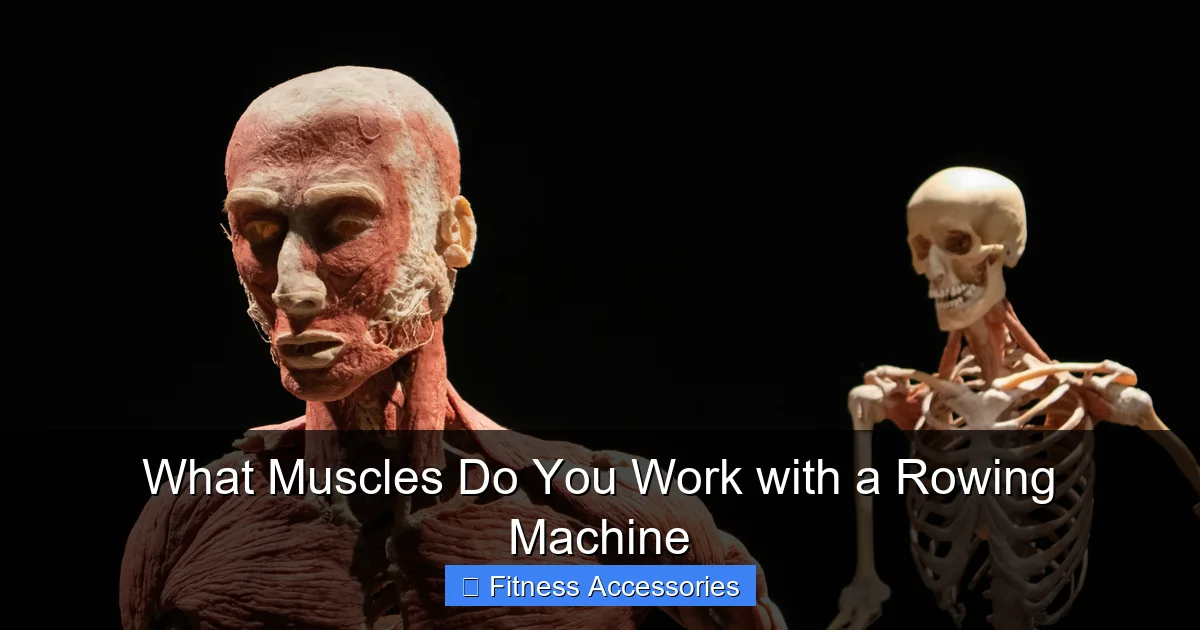
Visual guide about What Muscles Do You Work with a Rowing Machine
Image source: images.unsplash.com
Regular rowing has been shown to improve VO2 max, which is a measure of your body’s ability to use oxygen during exercise. A higher VO2 max is associated with better overall fitness, increased energy levels, and a reduced risk of heart disease. Rowing is one of the most efficient ways to improve your cardiovascular health while simultaneously building muscle.
Calorie Burning and Fat Loss
Because rowing engages so many muscle groups at once, it is an incredibly effective calorie-burning exercise. A 155-pound person can burn approximately 260 calories in just 30 minutes of moderate rowing, and significantly more during high-intensity intervals. This makes rowing an excellent choice for anyone looking to lose weight or improve their body composition.
The afterburn effect, also known as excess post-exercise oxygen consumption or EPOC, is particularly pronounced after rowing workouts. This means your body continues to burn calories at an elevated rate for hours after you finish rowing, making it one of the most time-efficient exercises for fat loss.
How to Maximize Muscle Engagement on a Rowing Machine
Focus on Proper Form
The single most important thing you can do to maximize what muscles you work with a rowing machine is to maintain proper form. Poor form not only reduces muscle activation but also increases your risk of injury. Here are some key form cues to keep in mind:
- Keep your back straight: Avoid rounding your lower back at any point during the stroke. Imagine a straight line from your head to your tailbone.
- Drive with your legs first: Remember the sequence: legs, back, arms. Your legs should initiate every stroke.
- Keep your shoulders relaxed: Do not hunch your shoulders up toward your ears. Keep them down and back.
- Control the recovery: The recovery phase should be smooth and controlled, not rushed. Take about twice as long to recover as you do to drive.
- Grip lightly: You do not need to squeeze the handle with all your might. A relaxed grip reduces forearm fatigue and improves endurance.
Vary Your Workouts
To continue challenging your muscles and making progress, it is important to vary your rowing workouts. Here are some effective workout formats to try:
- Steady-state rowing: Row at a moderate pace for 20-45 minutes to build endurance and aerobic capacity.
- Interval training: Alternate between high-intensity sprints and low-intensity recovery periods to build power and burn calories.
- Pyramid workouts: Gradually increase and then decrease your intensity or distance in a pyramid structure.
- Time trials: Row a set distance as fast as possible to test your fitness and track your progress.
- Technique drills: Dedicate sessions to specific aspects of your stroke, such as leg-only rowing or pause drills.
Complement Rowing with Strength Training
While rowing is an excellent full-body workout, adding targeted strength training can help address any muscle imbalances and further enhance your performance. Exercises like squats, deadlifts, pull-ups, and planks complement rowing perfectly by strengthening the same muscle groups used during the stroke.
Aim to include two to three strength training sessions per week alongside your rowing workouts. This combination will help you build muscle, improve your rowing times, and reduce your risk of overuse injuries. Remember that recovery is also essential, so make sure to include rest days in your training schedule.
Common Mistakes to Avoid
Pulling with Your Arms First
This is by far the most common mistake beginners make on a rowing machine. When you pull with your arms before driving with your legs, you lose a significant amount of power and put unnecessary strain on your biceps and shoulders. Always remember: legs, back, arms. Your legs should be doing the majority of the work.
Rounding Your Back
Rounding your lower back during the catch or drive phase puts your spinal discs at risk and reduces the effectiveness of your stroke. Focus on hinging forward at the hips while keeping your back flat. If you find it difficult to maintain a straight back, it may be a sign that your hamstrings are tight or your core needs strengthening.
Rowing Too Fast with Poor Form
Speed without proper form is counterproductive. Many people rush through their strokes, sacrificing technique for a higher stroke rate. This not only reduces muscle activation but also increases the risk of injury. Focus on quality over quantity. A slower, well-executed stroke is far more effective than a fast, sloppy one.
Ignoring the Recovery Phase
The recovery phase is just as important as the drive phase. Rushing through the recovery leads to inefficient strokes and increased fatigue. Use the recovery to reset your position, catch your breath, and prepare for the next powerful drive. A good rule of thumb is to make the recovery phase about twice as long as the drive phase.
Who Should Use a Rowing Machine?
Beginners
Rowing is an excellent exercise for beginners because it is low-impact, easy to learn, and scalable to any fitness level. You can start with short, low-intensity sessions and gradually increase the duration and intensity as your fitness improves. The rowing machine also provides immediate feedback through the monitor, making it easy to track your progress.
Athletes
Many professional athletes use rowing as a cross-training tool to build endurance, power, and full-body strength. Rowing complements sports like running, cycling, swimming, and team sports by working muscle groups that may not be fully engaged in the primary sport. It also provides a low-impact alternative for active recovery days.
People with Joint Issues
Because rowing is a low-impact exercise, it is an excellent option for people with joint issues, arthritis, or those recovering from injuries. Unlike running or jumping exercises, rowing does not put excessive stress on your knees, hips, or ankles. The smooth, gliding motion of the rowing stroke is gentle on the joints while still providing a challenging workout.
Older Adults
Rowing is a fantastic exercise for older adults because it builds strength, improves cardiovascular health, and enhances balance and coordination. The seated position reduces the risk of falls, and the adjustable resistance allows older adults to work at a comfortable intensity. Regular rowing can help maintain independence and quality of life as you age.
Conclusion
Understanding what muscles you work with a rowing machine reveals just how powerful and efficient this exercise truly is. From your quadriceps and glutes driving the stroke to your lats and biceps pulling the handle, and your core stabilizing your entire body, rowing engages nearly every major muscle group in a single, fluid motion. It is a low-impact, high-reward exercise that builds strength, burns calories, and improves cardiovascular health all at once.
Whether you are a beginner just starting your fitness journey or an experienced athlete looking for a challenging cross-training tool, the rowing machine has something to offer. By focusing on proper form, varying your workouts, and complementing rowing with targeted strength training, you can maximize the benefits and transform your body. So the next time you step onto a rowing machine, remember the incredible full-body workout you are about to experience and make every stroke count.
Frequently Asked Questions
Does a rowing machine build muscle?
Yes, a rowing machine can build muscle, particularly in your legs, back, core, and arms. While it may not build muscle as quickly as heavy weightlifting, consistent rowing with proper resistance and progressive overload can lead to noticeable muscle growth and improved muscle tone over time.
Is rowing better than running for a full-body workout?
Rowing engages significantly more muscle groups than running, making it a more comprehensive full-body workout. While running primarily targets the lower body and cardiovascular system, rowing works your legs, core, back, arms, and shoulders simultaneously, providing both strength and cardio benefits in one exercise.
How long should I row to see results?
Most people begin to see improvements in endurance and muscle tone within two to four weeks of consistent rowing. For significant changes in body composition and strength, aim for at least three to four rowing sessions per week, each lasting 20 to 45 minutes, combined with a balanced diet.
Can rowing help with back pain?
Yes, rowing can help alleviate back pain by strengthening the muscles that support your spine, including your erector spinae, rhomboids, and core muscles. However, it is essential to maintain proper form to avoid exacerbating existing back issues. If you have chronic back pain, consult a healthcare professional before starting a rowing program.
What is the correct order of muscle engagement during a rowing stroke?
The correct sequence is legs first, then back, then arms during the drive phase. On the recovery phase, the order reverses: arms extend first, then the torso hinges forward, and finally the knees bend. This sequence ensures that your strongest muscles, your legs, generate the majority of the power.
How many calories can you burn on a rowing machine?
The number of calories burned on a rowing machine depends on your weight, intensity, and duration. On average, a 155-pound person burns approximately 260 calories in 30 minutes of moderate rowing and up to 377 calories in 30 minutes of vigorous rowing. High-intensity interval sessions can burn even more.