What Is the Right Length for a Jump Rope
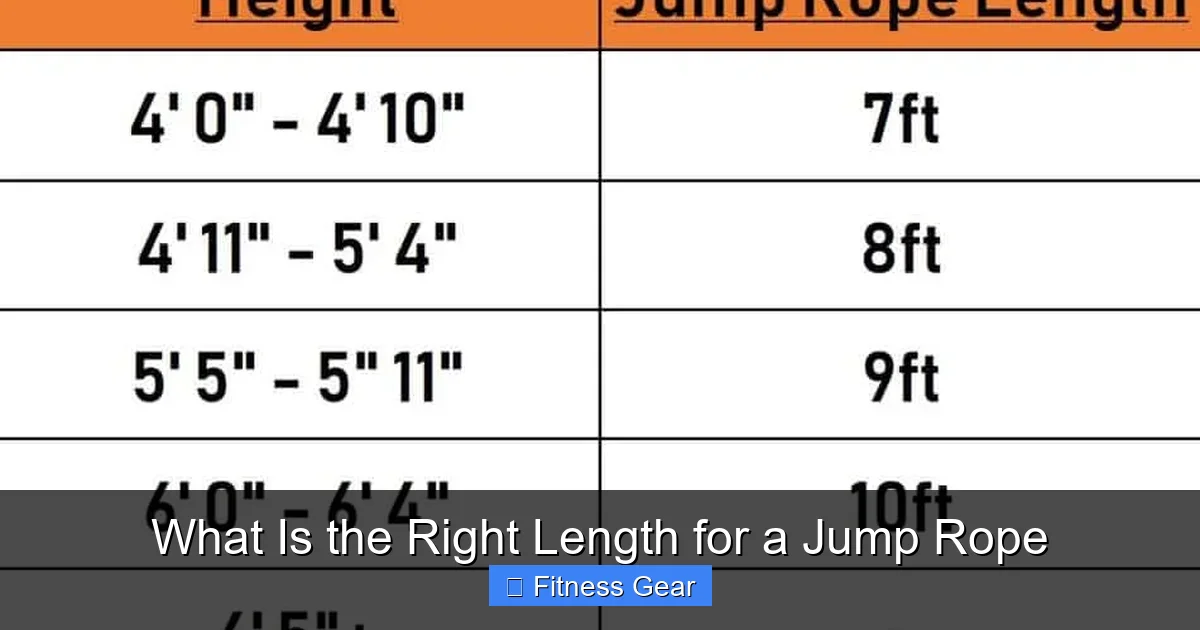
Choosing the right jump rope length is key to smooth, effective workouts. Use our easy‑to‑follow measuring method, check the sizing charts, and adjust for your height, skill level, and rope type. Get the perfect fit and jump with confidence.
Key Takeaways
- Measure with your feet: Stand on the rope and pull the handles up to your armpits for a quick fit.
- Height‑based guidelines work, but adjust for skill: Taller users need longer ropes; beginners benefit from a slightly longer rope than advanced athletes.
- Rope material matters: Weight‑adjusted cables, speed ropes, and beaded ropes each have unique length tolerances.
- Trim safely: Most quality ropes can be cut and re‑knotted without losing performance.
- Test before you buy: Swing the rope once; if it brushes your shins lightly, you’ve hit the sweet spot.
- Regular re‑check: As you improve, you may need a shorter rope for faster spins.
- Storage preserves length: Keep the rope loose, away from extreme heat, to avoid stretch or shrinkage.
📑 Table of Contents
- Introduction: Why Rope Length Matters More Than You Think
- 1. The Science Behind Rope Length
- 2. Quick Measurement Methods
- 3. Adjusting for Skill Level and Training Goals
- 4. Rope Types and Their Length Tolerances
- 5. How to Trim and Re‑Tie Your Rope
- 6. Maintaining the Perfect Length Over Time
- Conclusion: Your Perfect Rope Is Just a Few Inches Away
Introduction: Why Rope Length Matters More Than You Think
Imagine trying to run a race with shoes that are too big. You’d trip, waste energy, and probably give up early. The same thing happens with a jump rope that’s the wrong length. Too short, and you’ll constantly hit your feet. Too long, and the rope will drag, slowing you down and making every turn feel clumsy.
Whether you’re a beginner learning the basic bounce or an advanced athlete training for a CrossFit competition, the right rope length can make the difference between a fluid rhythm and a frustrating mess. In this guide we’ll break down exactly how to find that perfect length, why height, skill level, and rope type all play a role, and how to fine‑tune the rope as you improve.
1. The Science Behind Rope Length
How a Rope Works
A jump rope is essentially a rotating pendulum. When you swing it, the rope creates a circular path that must clear your body without catching on your feet. The distance from the handle to the point where the rope contacts the ground is called the arc radius. A longer rope increases the radius, which means a slower rotation speed for the same hand motion. A shorter rope reduces the radius, allowing faster spins but demanding more precise timing.
Visual guide about What Is the Right Length for a Jump Rope
Image source: media-photos.depop.com
Key Variables
- Height of the jumper: Taller people naturally have a larger arc radius.
- Hand speed: Faster hands can handle a slightly longer rope because they generate more angular velocity.
- Rope weight and flexibility: Heavy cables need a bit more slack to move smoothly, while ultra‑light speed ropes can be a touch shorter.
Why One Size Doesn’t Fit All
Manufacturers often list a “standard” length—usually 9 or 10 feet—but this is a middle ground for an average adult. The real answer to What Is the Right Length for a Jump Rope depends on a blend of personal measurements and the type of training you plan to do. That’s why we give you multiple methods to find the perfect fit.
2. Quick Measurement Methods
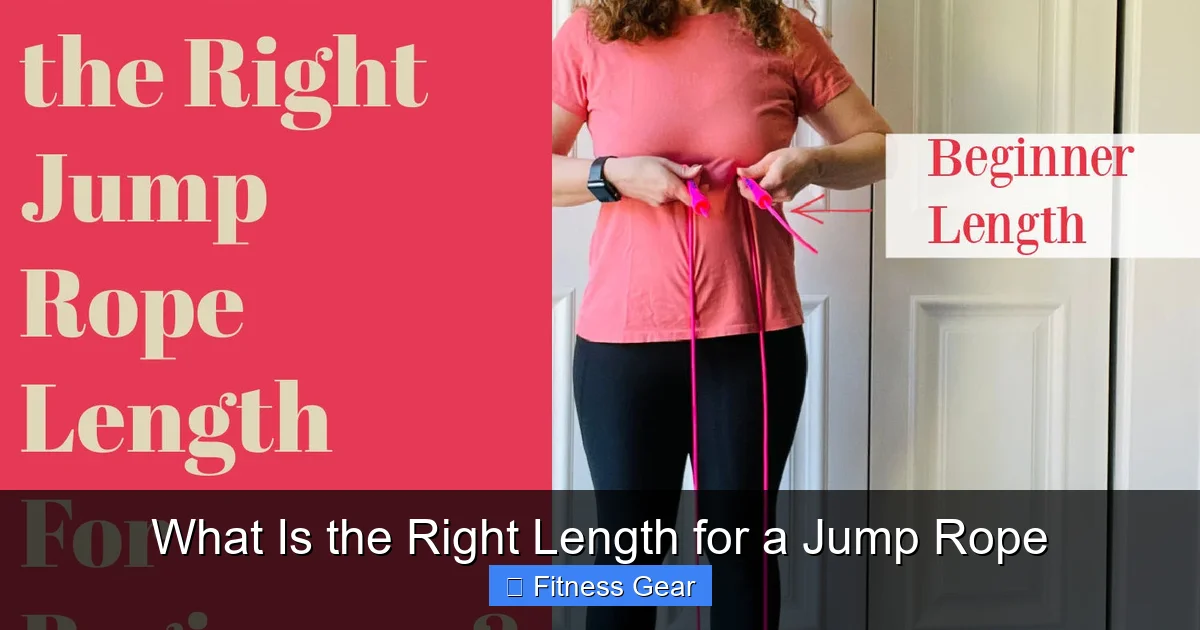
Method A: The Foot‑Stand Test
This is the fastest way to gauge length without a tape measure.
Visual guide about What Is the Right Length for a Jump Rope
Image source: jumpinto50.com
- Place the rope on a flat surface.
- Step in the middle of the rope with both feet.
- Pull the handles straight up toward your armpits.
- If the handles rest at your armpits, the rope is spot‑on. If they’re higher, you need a longer rope; if lower, shorten it.
Why it works: Your armpits roughly represent the highest point your hands will reach during a standard jump. This method accounts for both height and arm length.
Method B: Height‑Based Formula
Use this when you don’t have the rope handy.
- For beginners: Height (in inches) × 0.86 = rope length (in feet)
- For advanced jumpers: Height (in inches) × 0.80 = rope length (in feet)
Example: A 5’9” (69‑inch) beginner would need 69 × 0.86 ≈ 59 inches, or about 5‑feet‑0‑inches. Most stores round to the nearest whole foot, so a 5‑foot rope is a good starting point.
Method C: The “Handle‑to‑Ground” Check
When you have the rope in hand, hold one handle and let the other hang down. The hanging handle should reach the middle of your shin (just above the ankle) when you stand upright. Adjust the rope until this point is hit.
3. Adjusting for Skill Level and Training Goals
Beginners
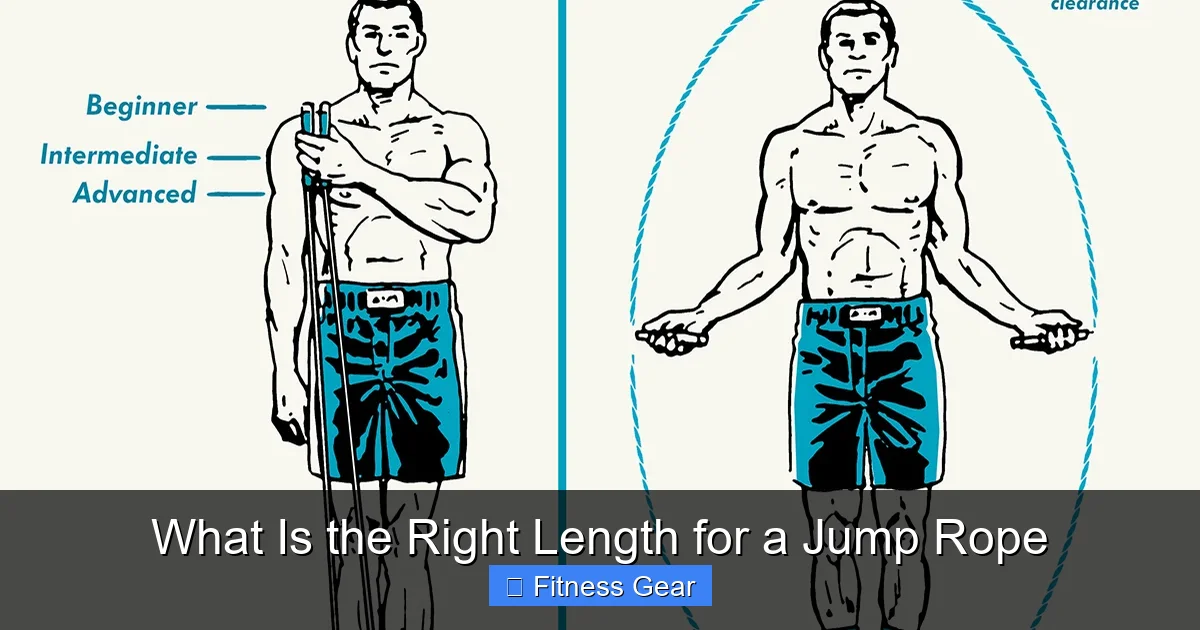
New to jumping? Choose a rope that is slightly longer than the “perfect” measurement—about 2‑3 inches extra. The extra slack gives you room for error, letting you focus on timing rather than constantly tripping.
Visual guide about What Is the Right Length for a Jump Rope
Image source: content.artofmanliness.com
Intermediate Jumpers
Once you’re comfortable with basic jumps, shave off those extra inches. A tighter rope improves speed and helps you transition to tricks like the criss‑cross or double under.
Advanced Athletes
Competitive jumpers often use the shortest rope that still clears their feet. For speed work, many elite athletes use a rope that reaches just below the belly button when they stand on it. This allows rotations of 200‑300 jumps per minute.
Specialized Training (CrossFit, Boxing, HIIT)
CrossFit boxes and boxing gyms favor speed ropes that are 9‑10 feet long for most adults. The length provides enough clearance for high‑intensity intervals while still allowing quick hand turnover. If you’re doing HIIT circuits that mix jumping with other moves, a slightly longer rope (10‑11 feet) can prevent accidental kicks during burpees.
4. Rope Types and Their Length Tolerances
Weighted Cable Ropes
These ropes have a metal or coated steel cable inside. They are heavier and tend to stay straight, which means you can afford a little extra length—usually 1‑2 feet more than the basic measurement.
Speed Ropes (PVC or Polypropylene)
Designed for fast rotations, speed ropes are thin and light. They should be cut to the exact length you need; any extra slack will cause “flipping” and reduce speed.
Beaded Ropes
Beaded ropes are great for beginners because the beads create a tactile feel. They are forgiving with length, but a rope that’s too long will cause the beads to hit your shins loudly, which can be uncomfortable.
Climbing Ropes (Heavy Duty)
These are used for rope‑climbing drills. Length is less critical because the rope is anchored to the ground. However, for jump‑training with a climbing rope, keep it at least 12 feet to avoid hitting the floor.
5. How to Trim and Re‑Tie Your Rope
Tools You’ll Need
- Sharp scissors or cable cutters
- Heat‑shrink tubing or electrical tape
- Measuring tape
- Marker pen
Step‑by‑Step Trimming Guide
- Measure the desired length using the foot‑stand test.
- Mark the cut point on each side of the rope.
- Cut the rope cleanly; for cable ropes, use cable cutters to avoid fraying.
- Slide a piece of heat‑shrink tubing over each cut end.
- Apply heat (a hair dryer works) until the tubing snugly seals the cut.
- Re‑attach the handles if they came off during cutting. Most handles screw on; simply thread them back on and tighten.
Tip: Always leave a little extra length (about 2 inches) before cutting. It’s easier to trim more off later than to add back.
Re‑Knotting for Adjustable Ropes
Some ropes come with a “adjustable” knot system. To shorten:
- Slide the knot upward a few centimeters.
- Pull the handle to tighten.
- Secure with a quick‑release clip if available.
This method is perfect for shared gym spaces where multiple users need different lengths.
6. Maintaining the Perfect Length Over Time
Why Ropes Stretch or Shrink
Heat, humidity, and repeated flexing can cause PVC ropes to stretch, while heavy‑weight cables may compress slightly after months of use. Beaded ropes can lose a bead or two, altering the effective length.
Regular Checks
Every 4‑6 weeks, repeat the foot‑stand test. If the rope now reaches higher than your armpits, it has stretched and may need trimming or replacement.
Storage Tips
- Hang the rope loosely on a hook—don’t coil it tightly.
- Avoid leaving it in direct sunlight or near heaters.
- For travel, coil the rope loosely and place it in a zip‑lock bag to keep dust out.
Conclusion: Your Perfect Rope Is Just a Few Inches Away
Finding the right length for a jump rope isn’t a mystery—it’s a simple blend of measurement, personal preference, and the type of rope you love. Start with the foot‑stand test, adjust for your skill level, and remember that different rope materials have slightly different tolerances. Trim carefully, re‑check regularly, and you’ll enjoy smoother swings, faster speeds, and fewer trips.
Now that you know What Is the Right Length for a Jump Rope, go ahead and measure, cut, and jump with confidence. Your next cardio session will feel easier, your tricks will look cleaner, and you’ll be one step closer to mastering the rope.
Frequently Asked Questions
How do I know if my jump rope is too long?
If the rope hits your shins or knees during a basic bounce, it’s too long. You should be able to clear your feet with a small margin.
Can I use the same rope for speed work and double unders?
Yes, but you may need to trim it a bit shorter for double unders to achieve the faster rotation speed required.
Do I need a different rope length for indoor vs. outdoor use?
Not usually. The surface doesn’t affect length, though outdoor ropes may need a little extra slack to handle uneven terrain.
Is it okay to cut a beaded rope?
Cutting a beaded rope is possible, but you’ll lose a few beads, which can affect the feel. It’s often easier to buy a shorter beaded rope.
What if my rope stretches after a few months?
Re‑measure using the foot‑stand test. If it’s longer, trim a small amount or replace the rope if the stretch is significant.
Should I buy a longer rope and cut it down, or get the exact size?
Buying a slightly longer rope gives you flexibility to fine‑tune the length. Most quality ropes can be safely trimmed without losing performance.