What Is Riding a Stationary Bike Good For

Riding a stationary bike is one of the most accessible and effective ways to boost your fitness. It helps with weight loss, heart health, joint protection, and stress relief without the impact of outdoor cycling or running. Whether you are a beginner or a seasoned athlete, a stationary bike workout fits your lifestyle and goals.
Have you ever wondered what riding a stationary bike is good for? Maybe you have seen one at the gym and thought about giving it a try. Or perhaps you already own one but are not sure you are using it to its full potential. Either way, you are in the right place.
A stationary bike workout offers a surprising range of benefits. It is not just about pedaling in place. This simple piece of equipment can transform your cardiovascular health, support weight loss, protect your joints, and even lift your mood. Let us dive into why so many people swear by indoor cycling.
What makes the stationary bike so appealing is its simplicity. You do not need fancy equipment or a gym membership. You just need a bike and a few minutes. Whether you are recovering from an injury or training for a marathon, there is a place for this machine in your routine.
Key Takeaways
- Cardio and Heart Health: Regular stationary bike sessions strengthen your heart and improve circulation.
- Low Impact on Joints: It is gentle on knees and hips, making it ideal for people with joint issues.
- Weight Loss Support: A steady ride burns calories and helps you maintain a healthy metabolism.
- Mental Health Boost: Indoor cycling reduces stress, anxiety, and improves overall mood.
- Convenience and Accessibility: You can ride at home anytime, regardless of weather or fitness level.
- Leg Strength and Endurance: Consistent use builds muscle in your legs and improves stamina.
- Suitable for All Fitness Levels: From gentle recovery rides to intense intervals, it adapts to you.
📑 Table of Contents
- What Does Riding a Stationary Bike Do for Your Body?
- How Good Is Riding a Stationary Bike for Exercise?
- Is a Stationary Bike Good Exercise for Bad Knees?
- What Are the Mental Health Benefits of Cycling?
- Stationary Bike vs Other Cardio Machines
- How to Get the Most Out of Your Stationary Bike
- Who Can Benefit from Riding a Stationary Bike?
- Common Mistakes to Avoid
- Final Thoughts
What Does Riding a Stationary Bike Do for Your Body?
Before we get into specific benefits, let us understand what happens when you hop on a stationary bike. Your body responds to the rhythmic pedaling motion in powerful ways. Every pedal stroke engages multiple muscle groups and triggers systems that keep you healthy.
Cardiovascular Improvement
Your heart is a muscle, and like any muscle, it gets stronger with exercise. When you ride a stationary bike, your heart rate increases. This improves blood flow and strengthens your cardiovascular system over time. Indoor cycling is one of the easiest ways to get your heart pumping without putting stress on your body.
Studies show that regular aerobic exercise, like cycling, can lower blood pressure and reduce the risk of heart disease. Even a 20 to 30 minute session can make a measurable difference. Over weeks and months, the results compound. You will notice better endurance, more energy, and improved oxygen flow throughout your body.
Muscle Engagement and Toning
Riding a bike works more than just your legs. Your quadriceps, hamstrings, calves, and glutes all fire during a ride. Your core muscles also engage to keep you stable on the bike. Even your arms get a mild workout when you grip the handlebars.
The beauty of a stationary bike workout is that you can adjust the resistance. Higher resistance builds more muscle. Lower resistance focuses on endurance. This flexibility means you can target different muscle groups on different days. It keeps your routine fresh and effective.
How Good Is Riding a Stationary Bike for Exercise?
The short answer is very good. Riding a stationary bike for exercise is one of the most efficient ways to improve your overall fitness. It delivers a full cardiovascular workout while being easy on your body. Let us break down why it works so well.
Calorie Burn and Weight Management
If you are looking to shed a few pounds, a stationary bike can help. A moderate 30 minute ride burns roughly 250 to 400 calories, depending on your weight and intensity. That adds up fast over time. Pair your rides with a balanced diet, and you will see real results.
One of the best things about indoor cycling is consistency. You can ride every single day without the soreness that comes from running or jumping. Consistency is the secret behind any successful fitness routine. The bike makes it easy to stick with it.
Building Endurance Over Time
Endurance is not just for athletes. It is for anyone who wants to climb stairs without getting winded or play with their kids without tiring out. Stationary bike training builds your aerobic base gradually. You start at your own pace and increase intensity as you get stronger.
Many people use interval training on their bikes. This means alternating between high intensity bursts and recovery periods. It is a proven method to boost endurance faster than steady riding alone. You can find a great guide on how good riding a stationary bike is for exercise if you want to learn more about structuring your sessions.
Is a Stationary Bike Good Exercise for Bad Knees?
This is one of the most common questions people ask. The answer is a reassuring yes. A stationary bike is widely recommended for people with knee problems or joint issues. Here is why.
Why It Is Gentle on Your Joints
Unlike running or jumping, cycling is a low impact exercise. Your feet stay on the pedals, and there is no jarring impact on your knees or ankles. The smooth circular motion lubricates your joints and can actually reduce stiffness over time.
For people recovering from injuries or living with arthritis, the stationary bike is a game changer. It allows you to stay active without making your condition worse. You control the resistance, the speed, and the duration. This means you can adapt every session to what your body can handle that day.
If you have specific knee concerns, check out our detailed guide on is a stationary bike good exercise for bad knees for expert advice and practical tips.
Rehabilitation and Recovery
Physical therapists often prescribe stationary bike exercises for patients recovering from surgery or injury. The bike helps restore range of motion and rebuild strength safely. It is one of the first pieces of equipment you will see in a rehabilitation gym.
Even if you are not recovering from an injury, the bike serves as excellent active recovery. On days when you are sore from strength training, a gentle ride gets blood flowing to your muscles. This speeds up recovery and reduces stiffness. It is a win win for your body.
What Are the Mental Health Benefits of Cycling?
We often talk about the physical benefits of riding a stationary bike, but the mental health perks are just as important. Exercise is one of the most effective natural ways to improve your mood and reduce stress.
Stress Relief and Mood Boost
When you ride, your brain releases endorphins. These are the feel good chemicals that make you feel happy and relaxed. Even a short 15 minute ride can lift your spirits and clear your mind. Many people describe their cycling sessions as a form of moving meditation.
Stress and anxiety can take a serious toll on your overall health. Finding a simple, enjoyable way to manage them is essential. Hoping on a stationary bike gives you a healthy outlet. You focus on your pedaling rhythm, and the worries of the day start to fade away.
Better Sleep and Mental Clarity
Regular exercise improves sleep quality, and cycling is no exception. People who ride consistently report falling asleep faster and waking up more refreshed. Better sleep leads to sharper focus, improved memory, and a more positive outlook on life.
You do not need to ride for hours to see these benefits. Even 20 to 30 minutes, three to four times a week, makes a noticeable difference. The key is making it a regular part of your routine.
Stationary Bike vs Other Cardio Machines
Curious how a stationary bike compares to other popular cardio machines? Let us look at the key differences.
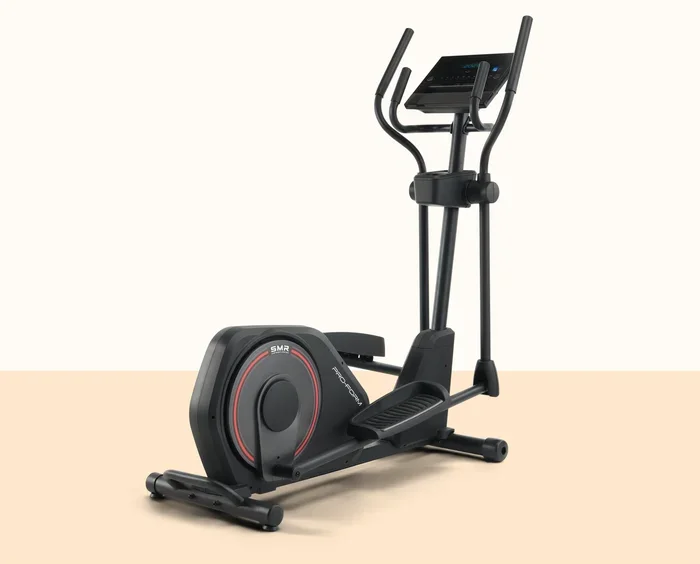
| Feature | Stationary Bike | Treadmill | Elliptical |
|---|---|---|---|
| Impact on Joints | Very Low | High | Low |
| Calories Burned (30 min) | 250-400 | 300-500 | 250-400 |
| Muscle Groups Targeted | Legs, core | Full body | Full body |
| Beginner Friendly | Yes | Moderate | Yes |
| Space Required | Low | High | Medium |
| Injury Risk | Very Low | Moderate | Low |
As you can see, the stationary bike holds its own against other machines. It is especially appealing for people who want a safe, effective workout at home. While a treadmill burns slightly more calories, the bike is far easier on your joints. And compared to an elliptical, it takes up less space and is simpler to use.
Many people also wonder how it stacks up against walking. Is riding a stationary bike as good as walking? The answer depends on your goals, but cycling often delivers more cardiovascular benefit in less time. Walking is great, but the bike lets you do more work with less strain.
How to Get the Most Out of Your Stationary Bike
Now that you know all the benefits, let us talk about how to actually use the bike effectively. Proper technique and smart planning make a huge difference.
Set Up Your Bike Correctly
Before you start pedaling, take a moment to adjust your bike. Your seat height should allow a slight bend in your knee when your leg is fully extended. Your handlebars should be at a comfortable distance. Poor setup leads to discomfort and can cause injury over time.
Take five minutes before your first ride to get everything dialed in. Small adjustments can transform your experience. You will ride longer, feel better, and get more out of every session.
Start Slow and Build Up
If you are new to cycling, do not jump into intense workouts right away. Start with 10 to 15 minutes at a comfortable pace. Focus on maintaining a steady rhythm. As your fitness improves, gradually increase the duration and resistance.
Listen to your body. Some soreness is normal, but sharp pain is not. Push yourself, but do not overdo it. Progress takes time, and consistency beats intensity every time.
Mix Up Your Routine
Doing the same ride every day can get boring. Keep things interesting by varying your sessions. Try a steady endurance ride one day. Do intervals the next. Add a hill climb simulation with higher resistance.
Variety keeps your body challenged and your mind engaged. It also prevents plateaus, where your progress stalls. A diverse routine leads to better overall fitness and faster results.
Who Can Benefit from Riding a Stationary Bike?
Here is the best part. Almost anyone can ride a stationary bike. It is one of the most inclusive pieces of exercise equipment available.
- Seniors: It provides a safe way to stay active and maintain mobility.
- Overweight Beginners: It is gentle on joints while still delivering a solid workout.
- Busy Parents: You can ride at home while the kids nap or while watching TV.
- Athletes in Recovery: It maintains fitness during injury downtime.
- Office Workers: A quick ride breaks up long periods of sitting and boosts energy.
- People with Chronic Conditions: Doctors often recommend cycling for heart health and diabetes management.
The stationary bike truly is for everyone. No matter your age, fitness level, or goals, there is a way to make it work for you.
Common Mistakes to Avoid
Even though the stationary bike is simple, people still make mistakes that hold them back. Here are a few to watch out for.
- Skipping the warm up: Always start with 3 to 5 minutes of easy pedaling. Cold muscles are more prone to injury.
- Riding with poor posture: Slouching on the handlebars strains your back and neck. Sit up tall and engage your core.
- Setting resistance too high too soon: This can put unnecessary strain on your knees. Build up gradually.
- Neglecting hydration: You sweat more than you think, even indoors. Keep water nearby and sip throughout your ride.
- Doing the same thing every day: Your body adapts quickly. Change up your routine to keep challenging yourself.
Avoiding these mistakes will help you get better results and stay injury free. Small adjustments lead to big improvements over time.
Final Thoughts
So, what is riding a stationary bike good for? The answer is a lot. It strengthens your heart, torches calories, protects your joints, lifts your mood, and fits seamlessly into almost any lifestyle. It is one of the most versatile and accessible tools you can add to your fitness routine.
Whether you are just starting out or looking to switch up your current routine, the stationary bike deserves a spot in your home or gym. It delivers real results without the complexity or cost of other equipment. You owe it to yourself to give it a try. Your body and mind will thank you.
Remember, the best exercise is the one you actually enjoy and will do consistently. The stationary bike checks every box. It is effective, enjoyable, and endlessly adaptable. Start today, and you will feel the difference before you know it.
For more insights on how this form of exercise compares to other workouts, check out our article on what is a better workout elliptical or stationary bike to find the right machine for your goals.
Frequently Asked Questions
Is 30 minutes on a stationary bike enough exercise?
Yes, 30 minutes on a stationary bike is considered a solid workout for most people. It meets the recommended daily exercise guidelines and can significantly improve your cardiovascular health, especially if you maintain a moderate to vigorous intensity.
Can riding a stationary bike help you lose belly fat?
Spot reduction is a myth, but cycling burns calories overall, which helps reduce body fat including belly fat. Combined with a healthy diet and strength training, regular stationary bike sessions can help you achieve a leaner physique.
How often should you ride a stationary bike per week?
Aim for at least 3 to 5 sessions per week for noticeable results. Each session can range from 20 to 45 minutes depending on your fitness level. Consistency matters more than intensity when you are starting out.
Is a stationary bike better than a treadmill for weight loss?
Both are effective, but the stationary bike is gentler on your joints and easier to sustain over time. You may burn slightly fewer calories per minute compared to running, but you can ride longer and more frequently, which balances out the difference.
What muscles does riding a stationary bike work?
The primary muscles worked are your quadriceps, hamstrings, calves, and glutes. Your core muscles also engage for stability, and your arms get a light workout from holding the handlebars. Increasing resistance targets your muscles more intensely.
Can beginners use a stationary bike safely?
Absolutely. The stationary bike is one of the safest and most beginner-friendly pieces of equipment available. Start with low resistance and short sessions, and gradually increase as your fitness improves. Always focus on proper form and listen to your body.