
What Is More Effective Exercise Bike or Treadmill
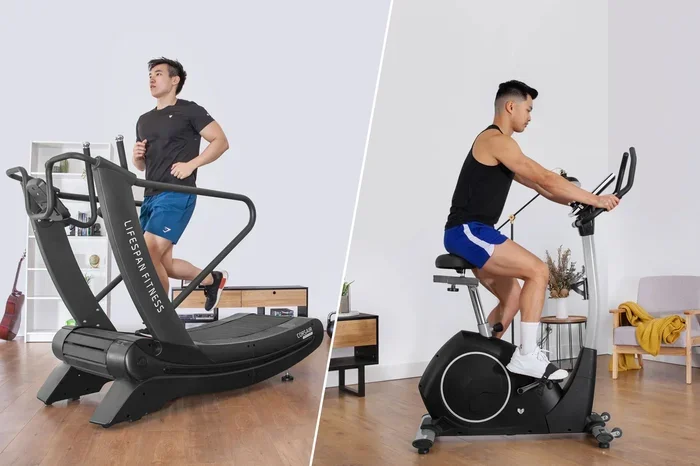
An exercise bike and treadmill each deliver powerful workouts, but the most effective choice depends on your fitness goals, joint health, and personal preferences. Both machines offer excellent cardiovascular benefits, but they differ significantly in calorie burn, muscle engagement, and injury risk. This guide breaks down the key differences so you can pick the right machine for your home gym setup.
When it comes to home gym equipment, the debate between an exercise bike and a treadmill never gets old. People ask this question all the time, and for good reason. The machine you choose shapes your workouts, your results, and even how often you actually show up to exercise.
So, which one is more effective? The short answer is: it depends on what you want to achieve. A treadmill generally wins for calorie burn and running-specific training. An exercise bike wins for joint-friendly cardio and sustained endurance work. Both are excellent tools, but they serve different needs.
In this article, we will break down everything you need to know. We will compare calorie burn, muscle engagement, joint impact, and long-term fitness results. By the end, you will know exactly which machine fits your goals best.
Key Takeaways
- Treadmills burn more calories: Running on a treadmill engages more muscles and typically burns more calories per session than cycling.
- Exercise bikes are gentler on joints: If you have knee or hip issues, a stationary bike offers a low impact exercise option that still delivers a great cardio workout.
- Both machines support weight loss: The most effective machine is the one you will actually use consistently.
- Workout intensity matters more than the machine: Adjusting resistance and speed on either device can dramatically change your results.
- Consider your fitness goals: Treadmills suit runners and high-intensity trainers, while bikes work well for endurance and recovery workouts.
- Space and budget play a role: Exercise bikes tend to be more compact and affordable than treadmills for home gym setups.
📑 Table of Contents
Calorie Burn: Treadmill vs Exercise Bike
Calorie burn is usually the first thing people compare. And honestly, it is the most straightforward metric to look at. A treadmill generally burns more calories than an exercise bike at the same effort level. Why? Because running involves your entire body, including your core, arms, and legs.
When you cycle, you mainly work your lower body. Your quads, hamstrings, and glutes do the heavy lifting. But your upper body stays relatively inactive. This difference in muscle engagement directly affects how many calories you burn.
Here is a quick comparison based on a 155-pound person working out for 30 minutes:
- Treadmill running at 6 mph: approximately 300-400 calories
- Treadmill walking at 3.5 mph: approximately 150-200 calories
- Exercise bike at moderate intensity: approximately 200-300 calories
- Exercise bike at high intensity: approximately 300-450 calories
These numbers vary based on your body weight, workout intensity, and fitness level. But the pattern holds: higher intensity equals more calories burned on either machine.
If you want to maximize calorie burn, a treadmill at a running pace is hard to beat. However, a vigorous indoor cycling session can close the gap significantly. The key is pushing yourself hard enough. If you coast on either machine, you will not see great results.
For a deeper look at how these two machines compare for calorie burn, check out our detailed breakdown on does a treadmill or exercise bike burn more calories.
Joint Health and Impact on Your Body
This is where the exercise bike really shines. Running on a treadmill puts repetitive stress on your knees, ankles, hips, and lower back. Every footstrike sends impact forces through your joints. Over time, this can lead to soreness or even injury, especially if you have pre-existing conditions.
An exercise bike, on the other hand, is a low impact exercise machine. Your feet stay planted on the pedals. There is no jarring impact. This makes cycling much easier on your joints while still giving you an effective cardio workout.
Who Should Choose the Exercise Bike?
- People with knee pain or arthritis
- Those recovering from joint injuries
- Older adults looking for safe, sustained movement
- Anyone who wants a comfortable long-duration workout
Who Should Choose the Treadmill?
- Healthy individuals who enjoy running
- People training for outdoor races or events
- Those who want high-impact bone-strengthening exercise
- Runners who need a weather-proof training option
If you are unsure which option is safer for your knees, we have a dedicated guide on which is better for knees treadmill or bike that goes deeper into this topic.
Muscle Engagement and Workout Effectiveness
A treadmill works more muscles overall. Running activates your legs, glutes, core, and even your arms when you swing them naturally. This full-body engagement makes treadmill workouts highly effective for building endurance and burning calories.
An exercise bike targets your lower body primarily. Your quadriceps, hamstrings, calves, and glutes do most of the work. Some bikes with moving arms can engage your upper body too, but standard stationary bikes focus on the legs.
However, muscle engagement does not tell the whole story. An exercise bike can still deliver an incredibly effective workout. The secret lies in resistance training. By increasing the resistance on a bike, you build strength in your legs and glutes similar to climbing a hill. This can be surprisingly intense.
For treadmill users, incline settings offer a similar benefit. Walking or running on an incline engages your glutes and hamstrings more than flat running. Both machines offer ways to increase difficulty without changing the equipment itself.
Want to know which machine gives you a better overall workout? Read our comparison on which is a better workout bike or treadmill.
Which Machine Fits Your Fitness Goals?
Your fitness goals should drive your choice. Let us look at common goals and which machine serves them best.
Goal: Weight Loss
For pure weight loss, the treadmill has a slight edge. It burns more calories per minute, especially at running speeds. But here is the truth that many people overlook: the most effective machine is the one you will actually use every week. If you hate running, you will not stick with a treadmill. If you love cycling, an exercise bike will keep you coming back.
Goal: Cardiovascular Health
Both machines improve heart health effectively. Cardio exercise strengthens your heart, lowers blood pressure, and improves circulation. Whether you choose a bike or treadmill, consistent use will boost your cardiovascular fitness. The American Heart Association recommends at least 150 minutes of moderate aerobic activity per week, and both machines help you reach that target.
For more on which machine is better for heart health, see our article on which is better for cardio treadmill or bike.
Goal: Endurance Training
An exercise bike excels at long, steady endurance sessions. You can cycle for 60 minutes or more at a moderate pace without stressing your joints. Treadmills can do this too, but the impact on your body adds up over long distances.
Goal: Training for a Race
If you are preparing for a running event, the treadmill is the clear winner. It mimics the exact movement pattern you need. An exercise bike will not translate directly to running performance, though it can serve as a great cross-training tool.
Pros and Cons of Each Machine
Let us lay out the honest strengths and weaknesses of both machines.
Treadmill Pros and Cons
Pros:
- Burns more calories at higher speeds
- Mimics natural running movement
- Great for race training and hill workouts
- Engages more muscle groups
- Supports walking, jogging, and running
Cons:
- Higher impact on joints
- Takes up more space
- Generally more expensive
- Louder during use
- Higher injury risk if form is poor
Exercise Bike Pros and Cons
Pros:
- Very low impact on joints
- Compact and easy to store
- More affordable than most treadmills
- Great for long, comfortable sessions
- Safe for beginners and older adults
Cons:
- Less overall muscle engagement
- Burns fewer calories at the same effort level
- Does not mimic outdoor running
- Can feel repetitive over time
- Limited upper body workout
Expert Tips to Maximize Your Workout
No matter which machine you choose, how you use it matters just as much as the machine itself. Here are some expert tips to get the most out of your workouts.
1. Use interval training. Alternate between high-intensity bursts and recovery periods. This method, called HIIT, burns more calories and boosts your fitness faster than steady-state workouts. Try sprinting for 30 seconds followed by 90 seconds of easy pace on a treadmill. On a bike, increase resistance for 30 seconds then ease off.
2. Track your heart rate. A heart rate monitor helps you stay in the right zone for your goals. For fat burn, aim for 60-70% of your max heart rate. For cardio fitness, push to 70-85%. Both machines work great with heart rate monitors and fitness trackers.
3. Add resistance or incline. Do not just go through the motions. On a bike, crank up the resistance. On a treadmill, increase the incline. These simple changes make any workout significantly more effective.
4. Stay consistent. The best machine is the one you use regularly. Aim for at least 3-5 sessions per week. Consistency beats intensity every time when it comes to long-term results.
5. Mix it up. Use both machines if you can. Alternating between a treadmill day and a bike day keeps your workouts fresh and challenges your body in different ways. This approach also reduces the risk of overuse injuries.
Common Mistakes People Make
Avoid these common mistakes to get better results from either machine.
- Skipping warm-ups: Always start with 5 minutes of easy pace. Cold muscles are more prone to injury.
- Relying on the handrails: On a treadmill, holding the rails reduces your calorie burn and throws off your posture. On a bike, gripping the handlebars too tightly strains your shoulders.
- Setting resistance too low: If you can easily chat while cycling, increase the resistance. The same goes for treadmill speed.
- Ignoring form: Poor posture on either machine leads to back pain and reduced effectiveness. Keep your back straight and engage your core.
- Doing the same workout every day: Your body adapts quickly. Change your routine every few weeks to keep making progress.
For a deeper comparison of how these two machines stack up for overall effectiveness, check out our guide on which is better a stationary bike or treadmill.
Final Verdict: Which Is More Effective?
The answer really comes down to your personal situation. If you are healthy, enjoy running, and want to burn maximum calories, a treadmill is more effective. It engages more muscles, burns more calories, and directly trains the running movement pattern.
If you have joint issues, want a comfortable workout, or prefer low impact exercise, an exercise bike is more effective for you. It delivers excellent cardio benefits without the wear and tear on your knees and hips. Plus, it fits into smaller spaces and costs less.
Here is the bottom line: both machines are effective. The best choice is the one that aligns with your goals, fits your body, and keeps you motivated to show up. Consistency is the real driver of results. Pick the machine you enjoy, use it regularly, and you will see progress.
Still not sure? Try both if you can. Many gyms offer both options. Test them out, see how your body responds, and make an informed decision. Your fitness journey is personal, and the right equipment makes all the difference.
Frequently Asked Questions
Is a treadmill or exercise bike better for weight loss?
A treadmill generally burns more calories per minute, which can support faster weight loss. However, an exercise bike is still highly effective, especially if you maintain a consistent routine. The best machine for weight loss is the one you will use regularly and at a high enough intensity.
Can I get a good cardio workout on an exercise bike?
Absolutely. An exercise bike provides an excellent cardio workout that strengthens your heart and lungs. By adjusting resistance and maintaining a moderate to high intensity, you can achieve the same cardiovascular benefits as running on a treadmill.
Which machine is safer for people with knee problems?
An exercise bike is much safer for people with knee issues. It is a low impact exercise that does not put stress on your joints the way running on a treadmill does. Always consult your doctor before starting any new exercise routine.
How long should I work out on a treadmill or exercise bike?
Aim for at least 30 minutes per session, 3 to 5 times per week. For weight loss, you may need longer or higher intensity sessions. The American Heart Association recommends 150 minutes of moderate aerobic activity per week for overall health.
Does an exercise bike tone your legs?
Yes, cycling on an exercise bike tones your quadriceps, hamstrings, calves, and glutes. Increasing the resistance builds more muscle definition. However, it does not significantly engage your upper body, so pair it with some arm exercises for a full-body tone.
Should I buy a treadmill or exercise bike for my home gym?
Consider your space, budget, fitness goals, and joint health. Treadmills are larger and more expensive but offer more calorie burn. Exercise bikes are compact, affordable, and joint-friendly. Think about which machine you will actually enjoy using every day.


