What Is Better Recumbent or Upright Bike 2

Choosing between a recumbent bike and an upright bike depends on your fitness goals, comfort needs, and workout style. A recumbent bike offers a reclined seat with back support, making it ideal for people with joint pain or back issues. An upright bike mimics a traditional bicycle and engages more muscles, delivering a higher-intensity cardio workout. Both machines provide excellent low-impact exercise for burning calories and improving heart health at home.
So you want to buy an exercise bike but cannot decide between a recumbent bike and an upright bike. You are not alone. This is one of the most common questions people ask when building a home gym. The truth is, there is no single “best” answer. It all comes down to your body, your goals, and your preferences.
In this guide, we break down everything you need to know. We compare comfort, muscle engagement, calorie burn, and more. By the end, you will know exactly which bike fits your needs. Let us dive in.
Key Takeaways
- Comfort First: Recumbent bikes have a reclined seat with back support, reducing strain on your joints and spine during long sessions.
- Muscle Engagement: Upright bikes activate your core, glutes, and upper body more, giving you a fuller cardio workout in less time.
- Calorie Burn: Both bikes burn similar calories, but upright bikes tend to push your heart rate higher for greater calorie burn potential.
- Space and Size: Recumbent bikes are wider but lower to the ground, while upright bikes are more compact and easier to store.
- Best for Beginners: Recumbent bikes are gentler on the body and easier to use, making them a great starting point for new exercisers.
- Price Range: Both types come in a wide range of prices, from budget-friendly models under $300 to premium options over $1,000.
- Your Goals Matter: Choose a recumbent bike for comfort and rehab, or an upright bike for intensity and performance training.
📑 Table of Contents
What Is a Recumbent Bike?
A recumbent bike features a reclined seating position. You sit back with your legs extended forward to reach the pedals. This design puts less pressure on your lower back and joints. Many people find it more comfortable than other stationary bike options.
The seat on a recumbent bike is wide and padded. It supports your entire back. This makes it a popular choice for people recovering from injuries. If you have back pain or knee problems, a recumbent bike might be your best friend.
Who Should Choose a Recumbent Bike?
You should consider a recumbent bike if any of these sound familiar:
- You have chronic back pain or spinal issues.
- You need a low-impact exercise option for your joints.
- You prefer a relaxed seating position during workouts.
- You are new to exercise and want something easy to use.
- You plan to read or watch TV while cycling.
Many physical therapists recommend recumbent bikes for rehabilitation. The supportive seat and smooth pedaling motion make them safe for people of all fitness levels. They are especially popular among older adults who want to stay active without stressing their bodies.
What Is an Upright Bike?
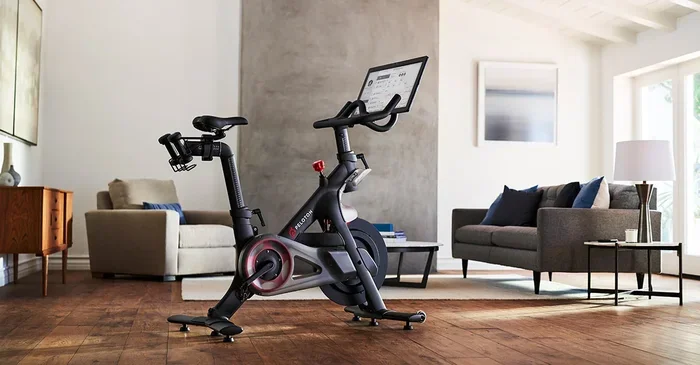
An upright bike looks like a regular bicycle. You sit upright on a smaller seat with your feet below you. The riding position is more natural if you have ever ridden a bike outdoors. This design engages more muscles throughout your body.
With an upright bike, your core works harder to keep you balanced. Your arms and shoulders also get involved when you hold the handlebars. This means you get a more complete workout in a shorter amount of time.
Who Should Choose an Upright Bike?
An upright bike might be right for you if:
- You want a higher-intensity cardio workout.
- You prefer a compact design that takes up less floor space.
- You enjoy a traditional cycling feel.
- You want to engage your core and upper body during workouts.
- You are training for outdoor cycling or sports performance.
Upright bikes are also great for people who want to simulate outdoor biking indoors. They take up less room than recumbent bikes in most cases. If you have limited space in your home gym, this matters a lot.
Recumbent vs Upright Bike: Head-to-Head Comparison
Let us get into the real comparison. Below is a side-by-side look at how these two bikes stack up across key categories.
| Feature | Recumbent Bike | Upright Bike |
|---|---|---|
| Seating Position | Reclined with back support | Upright, like a regular bike |
| Comfort Level | Very comfortable for long sessions | Comfortable but less back support |
| Muscle Engagement | Legs and glutes primarily | Full body including core and arms |
| Calorie Burn | Moderate to high | Moderate to high, often higher intensity |
| Joint Impact | Very low impact | Low impact |
| Space Required | Wider footprint | More compact |
| Best For | Rehab, comfort, beginners | Cardio training, performance |
| Price Range | $250 to $1,500+ | $200 to $1,200+ |
As you can see, both bikes have strong points. The recumbent bike wins on comfort and joint protection. The upright bike wins on muscle engagement and space efficiency. Your choice depends on what matters most to you.
Calorie Burn Comparison
Many people ask, “Which bike burns more calories?” The answer depends on how hard you push yourself. A recumbent bike can burn 400 to 600 calories per hour at moderate intensity. An upright bike can burn a similar amount, but many people work harder on upright bikes because the position feels more natural for pushing effort.
Research shows that workout intensity matters more than bike type for calorie burn. If you pedal hard on a recumbent bike, you will burn just as many calories as on an upright bike. The key is to challenge yourself with resistance levels and interval training on either machine.
Muscle Engagement Differences
An upright bike engages more muscle groups than a recumbent bike. Here is a quick breakdown:
- Recumbent Bike: Quadriceps, hamstrings, glutes, and calves. The reclined position reduces upper body involvement.
- Upright Bike: Quadriceps, hamstrings, glutes, calves, core, and upper body. The upright position requires your core to stabilize you.
If you want a full-body workout, the upright bike is the clear winner. But if you are focused on leg strengthening or rehabilitation, the recumbent bike targets those muscles effectively without straining your back.
Comfort and Ergonomics
Comfort is a huge factor when choosing between a recumbent bike and an upright bike. You might spend 30 minutes or more on your bike during a single workout. If you are uncomfortable, you will not stick with it.
A recumbent bike seat is wide and supports your lower back. You sit in a laid-back position that feels like sitting in a recliner. This is a game-changer for people who have trouble with traditional bike seats. The seat position also means less pressure on your sit bones and tailbone.
An upright bike seat is smaller and firmer. It resembles a bicycle seat. Some people love this feel, while others find it uncomfortable after 15 or 20 minutes. However, many modern upright bikes come with padded seats and adjustable positions to improve comfort.
Quick Tip: Always test ride a bike before buying it. Visit a local store and spend at least 10 minutes on each type. Your body will tell you which one feels right.
Which Bike Is Better for Weight Loss?
Both bikes can help you lose weight when combined with a healthy diet. The best bike for weight loss is the one you will actually use consistently. Consistency beats intensity every time.
If comfort keeps you riding longer, a recumbent bike might help you burn more total calories over time. If you prefer high-intensity interval training and push yourself harder, an upright bike may deliver faster results. The truth is, the difference between the two is small when all other factors are equal.
Here are some quick tips to maximize weight loss on either bike:
- Start with 20 to 30 minute sessions, 3 to 5 times per week.
- Use interval training: alternate between high resistance and low resistance.
- Increase your resistance levels gradually as you get stronger.
- Track your heart rate and aim for 70 to 85 percent of your max heart rate.
- Combine your bike workouts with strength training for the best results.
Expert Insights and Common Mistakes
Common Mistakes to Avoid
Even experienced riders make mistakes. Here are a few to watch out for:
- Skipping warm-ups: Always start with 5 minutes of easy pedaling. This warms your muscles and prevents injury.
- Setting resistance too high too soon: Start light and build up. Too much resistance too early can strain your knees.
- Slouching on a recumbent bike: Even with back support, poor posture reduces the effectiveness of your workout.
- Neglecting the handlebars on upright bikes: Use the handlebars to engage your upper body and improve balance.
- Doing the same workout every day: Mix up your routines with different resistance levels and interval patterns.
Expert Tips for Getting the Most Out of Your Bike
Fitness experts recommend a few strategies to maximize your results. First, set specific goals. Are you training for endurance, building strength, or just staying active? Your goal should shape your workout plan.
Second, track your progress. Most modern bikes come with digital displays that track speed, distance, calories, and heart rate. Use this data to push yourself a little harder each week. Small improvements add up fast over time.
Third, stay consistent. The best exercise bike in the world will not help if it collects dust in the corner. Aim for at least 3 to 5 sessions per week. Make it a habit, and the results will follow.
Which Bike Should You Buy?
After all this comparison, you might still be wondering which bike is right for you. Here is a simple guide to help you decide.
Choose a recumbent bike if you want a comfortable, low-impact workout. It is ideal for beginners, older adults, or anyone with joint or back issues. The supportive seat and easy setup make it a great choice for people who want to start exercising without strain.
Choose an upright bike if you want a more intense cardio workout and a compact design. It works well for people who enjoy traditional cycling and want to engage their full body. It is also a great option if space is limited in your home.
If you are still unsure, consider this: you can always start with a recumbent bike and transition to an upright bike later. Or, if your budget allows, many people end up owning both. The important thing is to start moving and enjoy the process.
For more details on comparing these machines, check out our article on is a recumbent bike better than an upright bike for an in-depth look at the differences.
Also, if you are curious about how recumbent bikes compare to other equipment, read our guide on is a recumbent bike better than a stationary bike to understand where recumbent bikes fit in the broader fitness landscape.
And if you want to explore even more options, we also have a detailed comparison of which is better a recumbent bike or an elliptical to help you decide between different types of cardio machines.
Final Thoughts
The debate between a recumbent bike and an upright bike comes down to personal preference and fitness goals. Both machines offer excellent cardio workouts with low impact on your joints. Both can help you burn calories, build endurance, and improve your heart health.
If comfort and back support are your top priorities, go with a recumbent bike. If you want a more intense, space-efficient workout, choose an upright bike. There is no wrong choice here. The best bike is the one that gets you riding regularly and enjoying the process.
So go ahead. Make your choice, set up your home gym, and start pedaling. Your future self will thank you. The journey to better fitness starts with a single pedal stroke, and either bike will get you there.
Frequently Asked Questions
Is a recumbent bike better for weight loss than an upright bike?
Not necessarily. The best bike for weight loss is the one you will use consistently. Both bikes burn similar calories when you work at the same intensity. If a recumbent bike is more comfortable for you, you may end up exercising longer and burning more calories overall.
Can I replace my upright bike with a recumbent bike?
Yes, you can. Many people switch from upright to recumbent bikes for comfort reasons. The recumbent bike provides more back support and is gentler on your joints. Just be aware that the muscle engagement pattern is slightly different, so your body may need a short adjustment period.
Which bike is easier on the knees?
A recumbent bike is generally easier on the knees. The reclined position and extended leg placement reduce pressure on the knee joints. If you have knee problems or are recovering from knee surgery, a recumbent bike is often the safer choice.
How long should I ride a bike for a good workout?
For a solid cardio workout, aim for 20 to 45 minutes per session. Beginners should start with 15 to 20 minutes and gradually increase the duration. The American Heart Association recommends at least 150 minutes of moderate aerobic activity per week, which breaks down to about 30 minutes a day, five days a week.
Do recumbent bikes take up more space than upright bikes?
Yes, recumbent bikes tend to be wider than upright bikes. However, they are lower to the ground, so they may fit better in tight spaces. Upright bikes have a smaller footprint but are taller, so you need adequate ceiling height. Measure your available space before purchasing either type.
Can I build muscle on a recumbent or upright bike?
Both bikes can help build muscle, especially in your legs. An upright bike engages more muscle groups including your core and upper body. A recumbent bike focuses more on the lower body. For best results, combine biking with strength training exercises on other days.