What Is a Good Incline on a Treadmill

A good incline on a treadmill typically ranges from 1% to 15%, depending on your fitness level and goals. Walking or running at an incline engages more muscles, burns extra calories, and mimics outdoor terrain. Whether you are a beginner or a seasoned runner, adjusting your treadmill incline can transform your workouts and help you reach your fitness goals faster.
Have you ever wondered why some treadmill workouts feel so much harder than others? The answer often comes down to one simple setting: the incline. When you raise the treadmill deck, you change everything about how your body moves, how many muscles you engage, and how many calories you burn. A good incline on a treadmill can turn a boring walk into a powerful workout that delivers real results.
Whether you are just starting your fitness journey or you are a seasoned gym-goer, understanding treadmill incline is essential. It is not just about making things harder. It is about working smarter. The right treadmill incline settings help you build strength, improve heart health, and burn fat without pounding your joints. In this guide, we will break down exactly what incline levels work best for different goals, how to use them safely, and how to add incline training to your routine starting today.
Key Takeaways
- 1% to 3% incline is ideal for beginners and simulates a gentle outdoor walk.
- 6% to 10% incline boosts calorie burn and targets glutes, hamstrings, and calves.
- 15% incline creates a challenging hill workout for advanced fitness enthusiasts.
- Incline walking reduces joint impact compared to running on a flat surface.
- Always start low and gradually increase to avoid strain or injury.
- Pairing incline training with the right walking speed maximizes results.
- Consistency with incline workouts improves cardiovascular health and endurance.
📑 Table of Contents
What Does Incline on a Treadmill Mean?
The incline on a treadmill refers to the angle or slope of the walking or running surface. When you set the incline to zero, the deck is flat. As you increase the number, the front of the belt rises higher. This simulates walking or running uphill, just like you would on a real hill outdoors.
Most modern treadmills let you adjust the incline in percentage increments. A 1% incline means a very gentle slope. A 15% incline creates a steep hill. Some advanced models even go higher. The treadmill incline setting directly affects how hard your body works. Even a small increase can make a noticeable difference in your effort level and the muscles you target.
How Incline Affects Your Body
When you walk or run on an incline, your body has to push upward against gravity. This engages your leg muscles more deeply, especially the glutes, hamstrings, and calves. Your heart rate goes up, which means your cardiovascular system works harder. The result is a more efficient workout in less time. You burn more calories per minute than you would on a flat surface.
Incline walking also puts less stress on your knees and hips compared to running on a flat belt. This makes it a great option for people who want a low-impact cardio workout that still feels challenging. If you have joint concerns or are recovering from an injury, adjusting the treadmill incline can help you stay active without pain.
Why Incline Walking Matters for Your Fitness Goals
Walking on a flat treadmill is fine for a casual stroll. But if you want to challenge yourself and see real progress, adding incline is the way to go. The incline training principle works because it increases the energy your body needs to move. More energy means more calories burned and more muscles activated.
Calorie Burn and Fat Loss
One of the biggest reasons people add incline to their treadmill workouts is to burn more calories. Walking at a 1% incline can increase your calorie burn by about 10 to 15 percent compared to walking flat. At a 6% incline, that number jumps even higher. A good incline for weight loss typically falls between 4% and 10%, depending on your fitness level.
Here is a simple way to think about it. If you walk for 30 minutes on a flat treadmill, you might burn around 150 calories. The same walk at a 6% incline could burn 200 or more calories. Over weeks and months, that adds up significantly. Pairing your incline treadmill workout with a healthy diet creates a strong foundation for fat loss.
Muscle Building and Toning
Incline walking does more than burn fat. It also shapes and tones your lower body. Walking uphill targets the glutes more intensely than flat walking. The hamstrings and calves also work harder to push you forward and upward. Over time, this leads to stronger, more defined legs and a firmer backside.
Many people who want to build lean muscle without heavy weights turn to incline training on the treadmill. It is a simple, effective way to strengthen your legs while also improving your heart health. This makes it a double-duty exercise that fits into almost any fitness routine.
Cardiovascular Health and Endurance
Your heart benefits greatly from incline workouts. When you walk at an incline, your heart rate rises faster than it does on flat ground. This trains your cardiovascular system to become more efficient. Over time, you will notice improved endurance, better stamina, and a stronger heart.
Regular incline walking can also help lower blood pressure and improve circulation. These benefits extend beyond the gym and into daily life. You will find that everyday activities feel easier when your heart and lungs are working at a higher level of efficiency.
Best Incline Levels for Different Goals
The right treadmill incline depends on what you want to achieve. There is no one-size-fits-all answer. Here is a breakdown of the best incline levels based on common fitness goals.
| Goal | Recommended Incline | Best For |
|---|---|---|
| Beginner Walking | 1% to 3% | Easing into exercise, building habit |
| Fat Burning | 4% to 6% | Maximizing calorie burn while walking |
| Glute and Leg Toning | 8% to 12% | Targeting lower body muscles |
| Hill Training | 12% to 15% | Advanced users building endurance |
| Recovery Walk | 0% to 1% | Active recovery days |
Beginner Incline: 1% to 3%
If you are new to treadmill workouts, start with a 1% to 3% incline. This gentle slope mimics the natural resistance you would face walking outdoors on a flat road. It is enough to make your workout slightly more challenging than walking on a completely flat surface without overwhelming your body.
At this level, you can focus on building a consistent walking habit. Aim for 20 to 30 minutes at a comfortable pace. Once you feel ready, you can gradually increase the incline or the duration of your sessions. What Is A Good Incline To Walk On Treadmill for beginners? This range is the perfect starting point.
Intermediate Incline: 4% to 10%
Once you have built some base fitness, try increasing the incline to 4% to 10%. This range is excellent for fat loss and lower-body toning. Your heart rate will climb, and you will feel your leg muscles working much harder.
A popular approach is to alternate between a flat section and an inclined section. For example, walk at 0% for two minutes, then increase to 6% for three minutes. This interval-style incline workout keeps things interesting and challenges your body in new ways. For more on walking pace, check out What Speed Is Brisk Walking On A Treadmill to pair with your incline settings.
Advanced Incline: 12% to 15%
Experienced walkers and runners often push the incline to 12% to 15%. This creates a steep hill that demands serious effort. It is an excellent way to build serious leg strength and cardiovascular endurance.
At this level, you will likely need to slow your walking pace. That is perfectly normal. The goal is not speed. The goal is effort and muscle engagement. For a deep dive into what a 15% incline feels like, read our guide on What Is A 15 Percent Incline On A Treadmill.
How to Add Incline to Your Treadmill Routine
Adding incline to your treadmill workouts is simple, but doing it the right way makes all the difference. You want to progress gradually and listen to your body. Here is how to get started.
Start with a Warm-Up
Always begin your treadmill session with a 5-minute warm-up at 0% incline. Walk at a relaxed pace and let your muscles loosen up. This prepares your joints and reduces the risk of strain when you increase the slope.
Increase Gradually
Do not jump to a high incline right away. Start at 2% or 3% and add 1% every few minutes as your body adjusts. This gradual approach lets your muscles, lungs, and heart adapt without sudden shock. If you feel dizzy or overly fatigued, reduce the incline immediately.
Use Handrails Sparingly
It is tempting to grab the handrails when the incline gets steep. But relying on them too much reduces the effectiveness of the workout. Your core muscles stay engaged when you walk without holding on. If you need balance, lightly touch the rails, but try to walk with proper posture and an upright torso.
Pair Incline with the Right Speed
The incline and speed work together to determine how hard your workout is. At higher inclines, you should slow your pace slightly. A brisk walk at 3% incline is far more effective than a fast walk at the same slope. If you are unsure what pace to use, What Speed Should I Walk On A Treadmill offers great guidance on finding the right pace for your fitness level.
Cool Down Properly
After your inclined walk, spend 5 minutes at 0% incline to cool down. Let your heart rate come back to normal. Stretch your calves, hamstrings, and quads to prevent soreness and improve flexibility the next day.
Common Mistakes to Avoid with Treadmill Incline
Even with the best intentions, it is easy to make mistakes when using treadmill incline. Here are the most common ones and how to avoid them.
- Starting too steep: Jumping to a 10% or 15% incline on your first try can strain your muscles and joints. Always begin low and work your way up.
- Holding the handrails too tightly: This reduces the calorie burn and throws off your natural walking posture. Let your arms swing naturally.
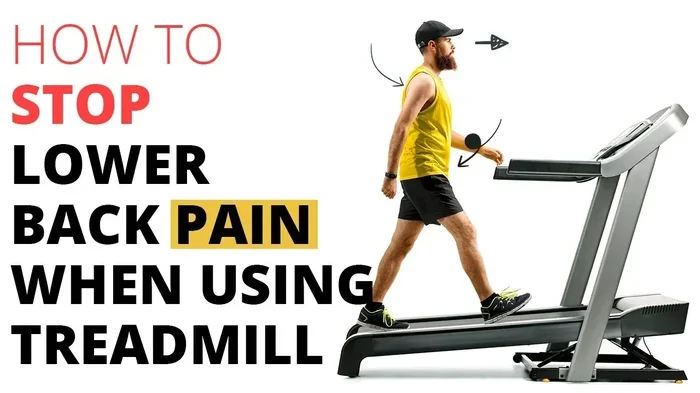
- Ignoring your posture: Leaning forward at a steep incline puts unnecessary stress on your lower back. Keep your torso upright and your core engaged.
- Skipping the warm-up: Cold muscles do not respond well to sudden inclines. Always warm up before increasing the slope.
- Doing the same incline every session: Your body adapts quickly. Vary your incline settings to keep challenging yourself and avoid plateaus.
- Overdoing it: More incline is not always better. Listen to your body and take rest days when needed.
Avoiding these mistakes will help you get the most out of every incline treadmill workout while staying safe and injury-free.
Incline Walking vs. Flat Walking: What Is the Difference?
It is helpful to understand exactly what changes when you add incline to your treadmill. Here is a side-by-side comparison.
| Factor | Flat Walking (0%) | Incline Walking (6%) |
|---|---|---|
| Calorie Burn | Lower | Higher (up to 30-40% more) |
| Muscle Engagement | Moderate | High (glutes, hamstrings, calves) |
| Heart Rate | Moderate | Elevated |
| Joint Impact | Low | Low to Moderate |
| Perceived Effort | Easy | Moderate to Hard |
| Outdoor Simulation | Minimal | Mimics uphill walking |
As you can see, even a moderate incline like 6% makes a significant difference. For a deeper look at what a 6% incline specifically means, check out our article on What Is A 6 Percent Incline On A Treadmill.
The bottom line is clear. Adding incline to your treadmill routine makes every step count more. You burn more calories, build more muscle, and improve your cardiovascular fitness faster than you would on a flat surface. Whether your goal is weight loss, muscle toning, or better heart health, the treadmill incline is one of the most powerful tools at your disposal.
Start with a gentle slope, build up over time, and stay consistent. The results will follow. Your next treadmill session is the perfect time to try a new incline setting and feel the difference for yourself.
Frequently Asked Questions
What Is A Good Incline On A Treadmill For Beginners?
A good incline for beginners is between 1% and 3%. This gentle slope adds a bit of challenge without overwhelming your body. Start with 1% and increase gradually as your fitness improves.
Does Walking on an Incline Help You Lose Belly Fat?
Incline walking burns more calories than flat walking, which supports overall fat loss. While you cannot target belly fat specifically, regular incline workouts combined with a healthy diet will help reduce body fat, including around the midsection.
How Long Should I Walk on an Incline Treadmill?
A 20 to 30-minute incline walk is a great starting point for most people. As you build endurance, you can extend your sessions to 45 minutes or longer. The key is consistency and gradual progression.
Is Incline Walking Better Than Running on a Treadmill?
Incline walking is a lower-impact alternative to running. It burns a high number of calories while putting less stress on your joints. For people who cannot run comfortably, incline walking is an excellent way to get a challenging cardiovascular workout.
What Speed Should I Walk at on an Incline Treadmill?
A comfortable brisk walk at 2.5 to 3.5 mph works well for most incline levels. At steeper inclines, you may naturally slow down. Focus on maintaining good posture and a steady effort rather than chasing a high speed.
Can I Do Incline Training Every Day?
You can do incline walking several times a week, but it is wise to include rest days. Your muscles need time to recover and grow stronger. Alternating incline days with flat walking or other activities is a smart approach.
=== CONCLUSION ===
A good incline on a treadmill can completely change the quality of your workouts. Whether you are a beginner starting at 1% or an advanced walker tackling a 15% hill, the incline setting gives you control over how hard you push yourself. The benefits are real: more calories burned, stronger legs, better heart health, and a workout that never gets boring.
Start where you are. Use the guidelines in this article to find the right treadmill incline settings for your goals. Progress slowly, stay consistent, and pay attention to how your body responds. With time and dedication, you will see and feel the results. Your next treadmill session is waiting. Make it count by adding just a little more incline than last time.