What Is a Good 2k Time for Rowing
A good 2k rowing time varies by age, fitness level, and experience. Beginners typically aim for 8 to 10 minutes, while intermediate rowers target 6 to 8 minutes. Advanced athletes often shoot for sub-6 minute splits. Your 2k rowing time is one of the best benchmarks for measuring overall rowing fitness and endurance.
If you have been spending time on a rowing machine, you have probably heard people talk about the 2k row. It is one of the most popular tests in the rowing world. But what exactly is a good 2k time for rowing? The answer depends on your fitness level, age, and experience. This guide breaks it all down in a way that is easy to understand and act on.
Whether you are just starting out or looking to shave seconds off your current time, knowing the benchmarks helps you set realistic goals. A 2k row is not just a physical challenge. It is also a test of mental toughness, pacing strategy, and rowing technique. Let us dive into what makes a solid time and how you can get there.
Key Takeaways
- Beginners: A good 2k time falls between 8 and 10 minutes for most new rowers.
- Intermediate rowers: Target a 2k time between 6 and 8 minutes with consistent training.
- Advanced athletes: Competitive rowers aim for sub-6 minute 2k times.
- Training matters: Consistent practice, proper form, and smart pacing can significantly improve your time.
- Age and gender: Fitness standards shift based on age group and biological sex.
- Use the 2k test: The 2000 meter row is a widely accepted benchmark for rowing performance.
📑 Table of Contents
What Is the 2K Rowing Test?
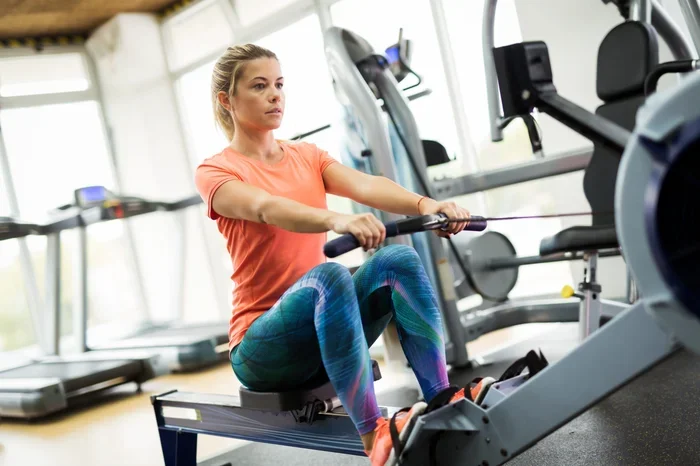
The 2k rowing test is a 2000 meter row performed on a rowing machine, also known as an ergometer or erg. It is a standard benchmark used by coaches, athletes, and fitness enthusiasts worldwide. The test measures your overall rowing fitness, combining cardiovascular endurance, muscular strength, and technique into one number.
Most indoor rowing workouts use the 2k distance as a go-to benchmark. It is long enough to challenge your aerobic system but short enough to push your anaerobic limits. This makes it a perfect measure of rowing performance across all fitness levels.
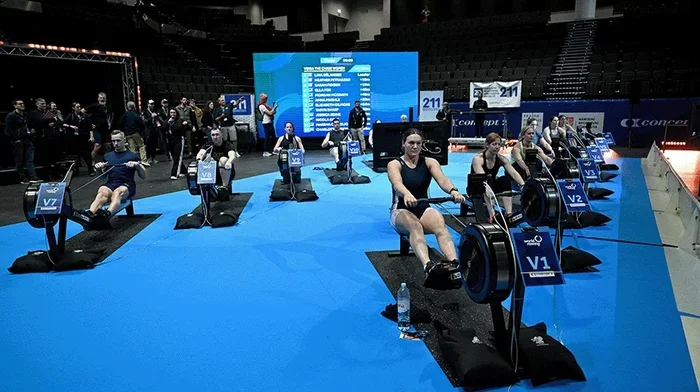
The 2k row is also the standard distance for many competitive rowing events, including CrossFit workouts and indoor rowing competitions. Because of this, having a reliable benchmark time gives you a clear picture of where you stand.
What Is a Good 2K Rowing Time?
So, what is a good 2k time for rowing? Let us break it down by fitness level. These numbers give you a general idea of where you should be aiming.
Beginner Level (8 to 10 Minutes)
If you are new to indoor rowing, a time between 8 and 10 minutes is a solid starting point. At this stage, you are still building your base rowing endurance and learning the basics of the stroke. Do not be discouraged if your first few attempts fall in this range. Everyone starts somewhere.
Many people wonder what a good 500m rowing time is as a building block. The truth is, breaking the 2k into smaller chunks helps you understand your pacing. A beginner should aim for roughly 2 minutes per 500 meters.
Intermediate Level (6 to 8 Minutes)
Once you have been rowing consistently for a few months, an intermediate 2k time falls between 6 and 8 minutes. At this level, you have developed better technique and stronger rowing endurance. Your strokes per minute become more controlled, and you can maintain a steady rowing pace throughout the full distance.
If you want to know how your pace compares, check out our guide on what is a good pace on a rowing machine for more detailed benchmarks.
Advanced Level (Under 6 Minutes)
Advanced rowers and competitive athletes aim for a 2k time under 6 minutes. This requires serious dedication, refined technique, and high-level cardiovascular fitness. Many competitive rowing machines users and crossFit athletes fall into this category.
For elite male athletes, sub-5 minute 2k times are common. Elite female athletes often post times under 6 minutes. These numbers reflect years of dedicated rowing training and refined rowing form.
Factors That Affect Your 2K Rowing Time
Several factors play a role in determining your 2k rowing time. Understanding these can help you focus your training efforts more effectively.
Age and Gender
Age and gender naturally influence rowing performance benchmarks. Younger athletes tend to have faster times due to higher cardiovascular capacity and muscle power. Similarly, biological males often post faster times than biological females due to differences in muscle mass and lung capacity.
That said, these are general trends. Individual results vary widely. A fit 50-year-old woman may easily outperform a sedentary 25-year-old man. The key is to compare yourself to your own progress over time, not to someone else.
Body Weight and Composition
Your body weight matters more in rowing than in many other cardio exercises. Heavier individuals may find it harder to maintain speed, especially on a rowing machine with air resistance. However, having more muscle mass can also be an advantage since rowing engages your entire body.
Focus on building lean muscle and improving your power-to-weight ratio. This will help you move faster on the machine without burning out too quickly.
Training Consistency
The single biggest factor in improving your 2k time is consistency. Rowing three to five times per week yields much better results than occasional long sessions. Your body adapts to the rowing workout demands when you train regularly.
Even just 15 to 20 minutes of focused rowing training per session can lead to significant improvements over weeks and months. The key is showing up and putting in the work.
How to Improve Your 2K Rowing Time
Now that you know what a good time looks like, let us talk about how to get there. Improving your 2k rowing time takes a mix of smart training, proper technique, and patience.
Master Your Rowing Technique
Bad technique wastes energy and slows you down. Proper rowing form is the foundation of fast times. Focus on the sequence: legs push first, then the torso leans back, and finally the arms pull to the chest. The recovery phase reverses this order.
For a detailed breakdown of proper technique, check out our article on what is the proper form for a rowing machine. Spending time drilling your form will pay off in both speed and efficiency.
Practice Interval Training
Interval training is one of the best ways to boost your rowing speed and endurance. Try alternating between hard efforts and easy recovery rows. For example, row 500 meters at a fast pace, then rest for 1 minute. Repeat this 4 to 6 times.
This type of training teaches your body to handle different rowing intensities. Over time, you will notice your pace getting faster and your recovery getting quicker.
Focus on Your Stroke Rate
Your strokes per minute, also called your stroke rate or SPM, is a crucial factor. Most rowers perform best between 24 and 32 strokes per minute during a 2k row. Going too fast too early will drain your energy before you reach the finish.
Find a sustainable rhythm and stick with it. A steady, controlled stroke rate beats a frantic, unsustainable one every time. If you want to learn more about optimal stroke rates, read our guide on what is a good strokes per minute when rowing.
Track Your Progress
Use your rowing machine monitor to track your split times and overall 2k time. Recording your results after each session helps you see trends and stay motivated. Many modern rowers store workout data in apps or on the machine itself.
Set small, achievable goals. Maybe you want to drop 10 seconds off your time in the next month. These micro-goals keep you focused and make the bigger improvements feel within reach.
Common Mistakes That Slow Down Your 2K Row
Avoiding common mistakes can save you valuable seconds and prevent injury. Here are the pitfalls most rowers fall into.
- Starting too fast: Going all out in the first 250 meters burns out your legs and leaves you struggling in the final 500 meters. Pace yourself from the start.
- Rounding your back: A curved spine during the rowing stroke puts unnecessary stress on your lower back. Keep your back straight and core engaged throughout.
- Overgripping the handle: Squeezing the handle too tightly wastes arm energy and causes early fatigue. Hold the handle lightly and let your legs do the heavy lifting.
- Ignoring the recovery: The recovery phase is just as important as the drive. Use it to rest and reset before the next powerful stroke.
- Skipping warm-ups: Jumping straight into a hard 2k row without warming up increases injury risk and reduces performance. Spend 5 to 10 minutes rowing at an easy pace first.
How Does Your 2K Time Compare to Other Fitness Markers?
Your 2k rowing time is a great overall fitness indicator. It reflects your cardiovascular health, muscular endurance, and body composition all at once. Many fitness professionals use it as a reliable benchmark for rowing fitness and general athletic readiness.
For context, a 2k row also burns a significant number of calories. If you are curious about how rowing for weight loss compares to other exercises, our article on how good is a rowing machine for weight loss provides detailed insights.
The beauty of the 2k test is that it is simple. You just row 2000 meters as fast as you can. No complicated equipment. No fancy gym membership. Just you, the machine, and your effort. That makes it one of the most accessible fitness benchmarks available.
Quick Tips for a Better 2K Row
- Warm up for at least 5 minutes before starting your timed effort.
- Keep your stroke rate between 26 and 30 SPM for optimal efficiency.
- Drive with your legs first, then pull with your arms.
- Stay relaxed in your shoulders and grip during the recovery.
- Breathe steadily and rhythmically throughout the row.
- Practice 2k rows once a week to track your improvement.
- Use your machine’s monitor to watch your split times in real time.
Final Thoughts on Your 2K Row
Your 2k rowing time is more than just a number on a screen. It is a snapshot of your current fitness level and a roadmap for future improvement. Whether you are a beginner working toward that first sub-10 minute row or an advanced athlete chasing a sub-6 minute goal, every second of progress matters.
The beauty of indoor rowing is that it is inclusive. People of all ages, sizes, and fitness levels can benefit from this incredible full-body workout. Set your goals, trust the process, and celebrate every improvement along the way.
Remember, a good 2k time for rowing is the one that is better than your last one. Focus on your own journey, stay consistent with your rowing training, and you will see results. Now get on that machine and row your heart out.
Frequently Asked Questions
What is a good 2k rowing time for beginners?
A good 2k rowing time for beginners is between 8 and 10 minutes. This range accounts for the learning curve of mastering technique and building base endurance. Focus on consistency and form before chasing faster times.
How often should I test my 2k rowing time?
Testing your 2k time once every 4 to 6 weeks is ideal. This gives your body enough time to adapt and improve between tests. Testing too frequently can lead to burnout and inaccurate results.
Does body weight affect 2k rowing time?
Yes, body weight plays a role in your rowing performance. Heavier individuals may need more effort to maintain speed on a rowing machine. However, building lean muscle and improving technique can offset this factor significantly.
Is the 2k row a good full-body workout?
Absolutely. The 2k row engages approximately 86% of your muscles, including your legs, back, arms, and core. It is one of the most efficient full-body workouts you can do on a single piece of equipment.
What stroke rate should I aim for during a 2k row?
Most rowers perform best between 26 and 30 strokes per minute during a 2k row. This range balances power and efficiency. Going too high too early will cause fatigue and slow your overall time.
Can rowing help me lose belly fat?
Yes, rowing is an excellent exercise for burning calories and reducing body fat, including belly fat. It combines cardiovascular conditioning with full-body muscle engagement. For more details, check out our guide on whether a rowing machine is good for losing belly fat.