What Does Using a Rowing Machine Do for You
Using a rowing machine delivers a powerful full-body workout that builds strength, boosts cardiovascular health, and burns calories efficiently—all with minimal joint stress. Whether you’re a beginner or a seasoned athlete, rowing engages over 80% of your muscles in one smooth, rhythmic motion. It’s not just exercise—it’s smart, sustainable fitness you can do at home or the gym.
Key Takeaways
- Full-Body Engagement: Rowing works 86% of your major muscle groups—legs, core, back, and arms—in a single fluid motion.
- Low-Impact, High-Reward: Unlike running or jumping, rowing is gentle on joints while delivering intense cardio and strength benefits.
- Calorie Torcher: A 30-minute session can burn 250–400+ calories, making it ideal for weight management.
- Improves Heart Health: Regular rowing strengthens your heart and lungs, lowering risks of chronic disease.
- Boosts Mental Wellbeing: The rhythmic motion reduces stress and enhances focus through mindful movement.
- Adaptable for All Levels: From rehab patients to elite athletes, rowing scales easily with resistance and pace.
- Space-Efficient Home Fitness: Compact models fold away, offering gym-quality workouts without the commute.
📑 Table of Contents
What Does Using a Rowing Machine Do for You?
You’ve probably seen rowing machines tucked into gym corners or advertised as the “ultimate home workout.” But what does using a rowing machine actually do for your body and mind? Spoiler: it’s way more than just pulling a handle back and forth. Rowing is one of the most efficient, full-body exercises you can do—and it’s backed by science, athletes, and everyday fitness lovers alike.
Unlike isolated workouts that target just one muscle group, rowing engages nearly every major part of your body in a smooth, coordinated motion. It blends strength training and cardio into a single session, saving time while maximizing results. Plus, it’s low-impact, meaning your knees, hips, and spine thank you—even after intense sessions.
So whether you’re chasing weight loss, building endurance, or just want a smarter way to move, understanding what a rowing machine does for you could change your fitness game forever.
1. Delivers a True Full-Body Workout
Engages Over 80% of Your Muscles
Here’s the magic of rowing: it’s not just an arm or leg workout—it’s both, plus your core, back, and shoulders. Each stroke follows a precise sequence: legs push first, then your torso swings back, and finally your arms pull. This chain reaction activates your quads, hamstrings, glutes, lats, rhomboids, biceps, and deep core stabilizers.

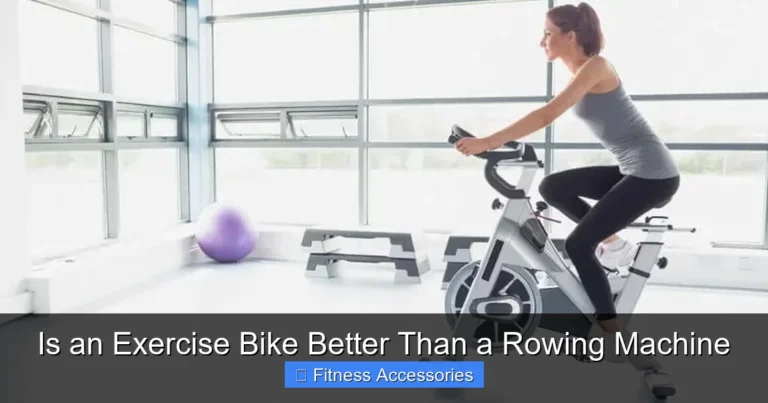
Visual guide about What Does Using a Rowing Machine Do for You
Image source: i.pinimg.com
According to the American Council on Exercise, rowing recruits about 86% of your skeletal muscles. That’s more than cycling, running, or even swimming in some cases. And because the movement is continuous and rhythmic, your muscles work together efficiently—no wasted motion.
Builds Functional Strength
Rowing doesn’t just build muscle for show—it builds strength you use in real life. Think lifting groceries, climbing stairs, or playing with your kids. The pushing and pulling motions mimic everyday movements, improving coordination and joint stability. Over time, you’ll notice better posture, stronger grip, and improved balance.
Pro tip: Focus on driving through your heels during the leg push. This activates your glutes and hamstrings more effectively and protects your lower back.
2. Burns Calories Like a Champion
High Calorie Expenditure in Less Time
If fat loss is your goal, rowing is your secret weapon. A 155-pound person can burn roughly 260 calories in 30 minutes of moderate rowing—and up to 377 calories during vigorous sessions. That’s comparable to running at a 10-minute mile pace, but without the pounding on your joints.
What makes rowing so efficient? It combines resistance (from the flywheel or water) with cardiovascular effort. Your heart rate stays elevated, your muscles stay engaged, and your metabolism gets a serious boost—even after you step off the machine (thanks to the afterburn effect, or EPOC).
Supports Sustainable Weight Management
Unlike crash diets or extreme workouts, rowing supports long-term weight control. It’s easy to scale intensity—go slow for recovery days or sprint intervals for fat burn. Plus, building lean muscle through rowing increases your resting metabolic rate, meaning you burn more calories even while sitting on the couch.
Example: Try a 20-minute HIIT session: 30 seconds hard rowing, 30 seconds rest. Repeat 10 times. You’ll torch calories and keep your metabolism humming for hours.
3. Boosts Cardiovascular Health
Strengthens Your Heart and Lungs
Rowing is aerobic exercise at its finest. As you row, your heart pumps faster to deliver oxygen to working muscles, and your lungs expand to meet demand. Over time, this trains your cardiovascular system to become more efficient—lowering resting heart rate, improving blood pressure, and reducing bad cholesterol.

Visual guide about What Does Using a Rowing Machine Do for You
Image source: media.cnn.com
Studies show that regular aerobic exercise like rowing can cut your risk of heart disease by up to 35%. And because rowing is rhythmic and steady, it’s easier to maintain a target heart rate zone than with erratic movements like boxing or basketball.
Improves Endurance and Stamina
Ever feel winded climbing a flight of stairs? Rowing fixes that. Consistent sessions build your VO2 max—the measure of how well your body uses oxygen. Higher VO2 max means better endurance, whether you’re hiking, dancing, or chasing your dog around the park.
Beginner tip: Start with 10–15 minutes at a conversational pace. Gradually increase duration and intensity each week. Your stamina will surprise you.
4. Is Gentle on Your Joints
Low-Impact, High-Intensity Training
One of rowing’s biggest perks? It’s easy on your body. There’s no jumping, landing, or sudden stops. Your feet stay planted, and the seat glides smoothly—so your knees, ankles, and hips avoid the shock that comes with running or plyometrics.
Visual guide about What Does Using a Rowing Machine Do for You
Image source: iryo-illust.com
This makes rowing perfect for people with arthritis, past injuries, or joint sensitivity. Physical therapists often recommend it for rehab because it builds strength without strain. Even older adults can row safely with proper form and moderate resistance.
Reduces Injury Risk
Because rowing is controlled and symmetrical, it promotes balanced muscle development. Unlike sports that favor one side (like tennis), rowing works both sides equally—reducing imbalances that lead to injury. Plus, the seated position supports your spine, lowering back strain compared to standing exercises.
Important: Always warm up for 3–5 minutes before rowing. Focus on posture—keep your back straight, shoulders relaxed, and core braced.
5. Enhances Mental Wellbeing
Reduces Stress and Anxiety
There’s something meditative about rowing. The repetitive motion—pull, slide, pull, slide—creates a rhythm that calms the mind. It’s like moving meditation. Many rowers report feeling clearer, calmer, and more focused after a session.

Visual guide about What Does Using a Rowing Machine Do for You
Image source: cdn.kibrispdr.org
Physically, rowing triggers the release of endorphins and serotonin—your brain’s natural mood lifters. It also lowers cortisol, the stress hormone. Just 20 minutes can shift your mindset from overwhelmed to empowered.
Builds Discipline and Confidence
Rowing teaches patience. Progress isn’t instant—it’s built stroke by stroke. But as you hit new distances, shave seconds off your time, or increase resistance, you gain confidence. That discipline spills into other areas of life: work, relationships, personal goals.
Mindset tip: Use rowing as a daily reset. Leave your phone behind. Focus on your breath and the sound of the flywheel. It’s therapy with results.
6. Fits Any Lifestyle or Fitness Level
Scalable for Beginners to Pros
Don’t worry if you’ve never touched a rowing machine. It’s beginner-friendly. Start with light resistance and short intervals. As your form improves, add time and intensity. Advanced users can tackle 5K rows, pyramid intervals, or race simulations.
Visual guide about What Does Using a Rowing Machine Do for You
Image source: i.pinimg.com
Most machines let you adjust resistance (via air, magnetic, or water systems), so the workout grows with you. And since rowing is self-paced, you never feel left behind—unlike group classes where everyone moves at the same speed.
Perfect for Home Workouts
Modern rowing machines are compact, quiet, and often foldable. You don’t need a gym membership or a huge space. A 6×2-foot area is enough. Many connect to apps like Hydrow, ErgData, or Peloton for guided workouts, leaderboards, and progress tracking.
Space-saving idea: Place your rower near a window or TV. Row while watching your favorite show—it makes time fly (and calories burn).
Conclusion: Row Your Way to Better Health
So, what does using a rowing machine do for you? It transforms your body and mind—efficiently, safely, and sustainably. You get a full-body workout that builds strength, torches calories, protects your joints, and sharpens your focus. It’s not just exercise; it’s a lifestyle upgrade.
Whether you’re rehabbing an injury, training for a race, or just want to feel stronger every day, rowing meets you where you are. And with home models more accessible than ever, there’s no excuse not to start.
Your first stroke is the hardest. But once you feel that full-body engagement—the power in your legs, the pull in your back, the rhythm in your breath—you’ll understand why rowing isn’t just a machine. It’s a movement.
Frequently Asked Questions
How often should I use a rowing machine?
For general fitness, aim for 3–5 sessions per week, mixing steady-state rows with interval training. Beginners can start with 2–3 times weekly and gradually increase frequency as endurance builds.
Is rowing better than running for weight loss?
Rowing burns similar calories to running but with less joint impact. It also builds more upper-body muscle, which can boost metabolism long-term—making it a smart choice for sustainable fat loss.
Can rowing help with back pain?
Yes, when done with proper form. Rowing strengthens core and postural muscles that support the spine. However, consult a doctor if you have acute back issues before starting.
Do rowing machines build muscle?
Absolutely. Rowing builds lean muscle in the legs, back, shoulders, and arms. While it won’t make you bulky like heavy lifting, it creates a toned, athletic physique over time.
How long should a beginner row?
Start with 10–15 minutes per session, focusing on technique over speed. As fitness improves, extend to 20–30 minutes. Consistency matters more than duration early on.
What muscles does a rowing machine work?
It targets quads, hamstrings, glutes, calves, lats, rhomboids, traps, biceps, triceps, and deep core stabilizers—making it one of the most comprehensive exercises available.