What Does the Rowing Machine Do at the Gym

Curious about the rowing machine? It’s a full‑body cardio and strength tool that burns calories, builds muscle, and improves heart health—all while being low‑impact. Whether you’re a beginner or a seasoned athlete, this guide shows you how to use it effectively and why it belongs in every workout routine.
Key Takeaways
- Full‑body workout: Rowing engages legs, core, back, and arms in a single motion.
- Low‑impact cardio: It protects joints while delivering high‑intensity aerobic benefits.
- Strength and endurance: Adjustable resistance builds muscle and stamina simultaneously.
- Calorie‑burning power: You can torch 400‑800 calories per hour depending on effort.
- Versatile programming: From HIIT intervals to steady‑state rows, the machine fits any training plan.
- Easy on the budget: Many gyms have them; home models range from $300‑$1,200.
- Improves posture: Regular rowing strengthens the back and core, reducing slouch.
📑 Table of Contents
- Introduction: Why the Rowing Machine Is a Gym Staple
- How a Rowing Machine Works: The Mechanics Behind the Motion
- Benefits of Rowing: What the Machine Actually Does for Your Body
- How to Use a Rowing Machine Effectively
- Rowing vs. Other Gym Equipment: What Sets It Apart?
- Choosing the Right Rowing Machine for Home or Gym Use
- Integrating Rowing Into Your Overall Fitness Plan
- Conclusion: The Rowing Machine Is More Than a Cardio Gadget
Introduction: Why the Rowing Machine Is a Gym Staple
Walk into any modern gym and you’ll likely see a line of sleek, black machines that look a bit like a bike‑trainer crossed with a treadmill. That’s the rowing machine, also called an indoor rower or ergometer. It’s more than a novelty; it’s a powerhouse for total‑body fitness.
People often wonder, “What does the rowing machine do at the gym?” In short, it provides a low‑impact, high‑efficiency workout that blends cardio, strength, and flexibility. It’s perfect for anyone who wants to burn calories, sculpt muscle, and protect their joints—all in one session.
How a Rowing Machine Works: The Mechanics Behind the Motion
Basic Components
Every rowing machine shares four core parts:

Visual guide about What Does the Rowing Machine Do at the Gym
Image source: rowingmachineking.com
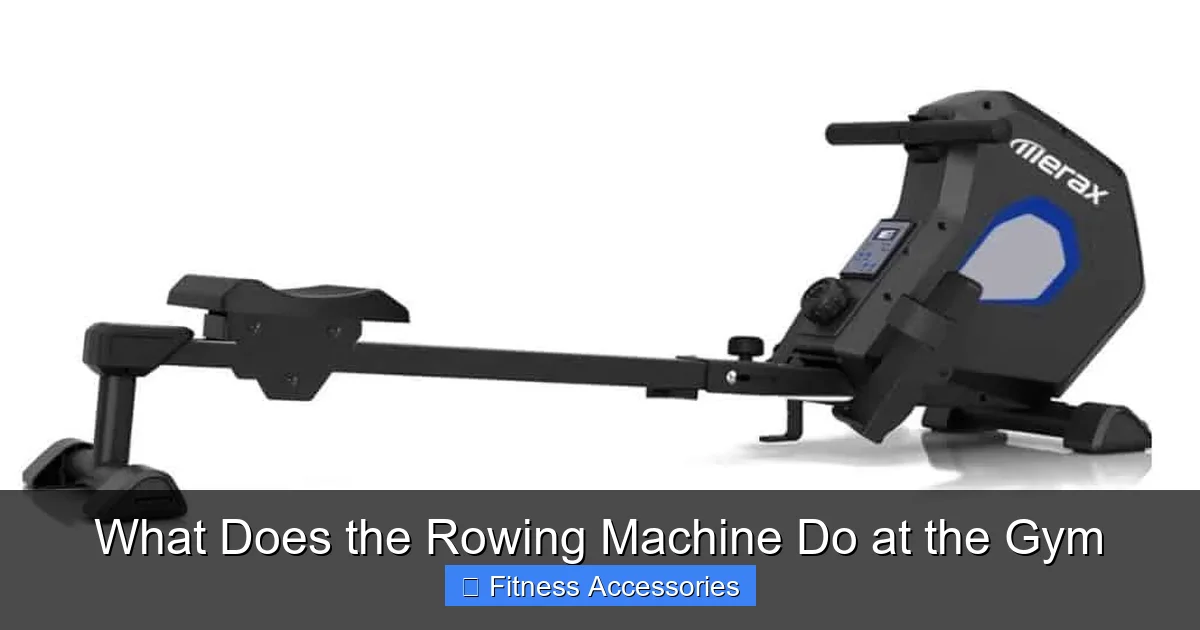
- Flywheel or resistance system: Generates the feel of water or air resistance.
- Seat: Slides back and forth on a rail.
- Handle and chain/cable: Connects your hands to the resistance.
- Footrests: Secure your feet and allow you to push with your legs.
Four‑Phase Stroke
The rowing motion is broken into four phases, each targeting different muscles:
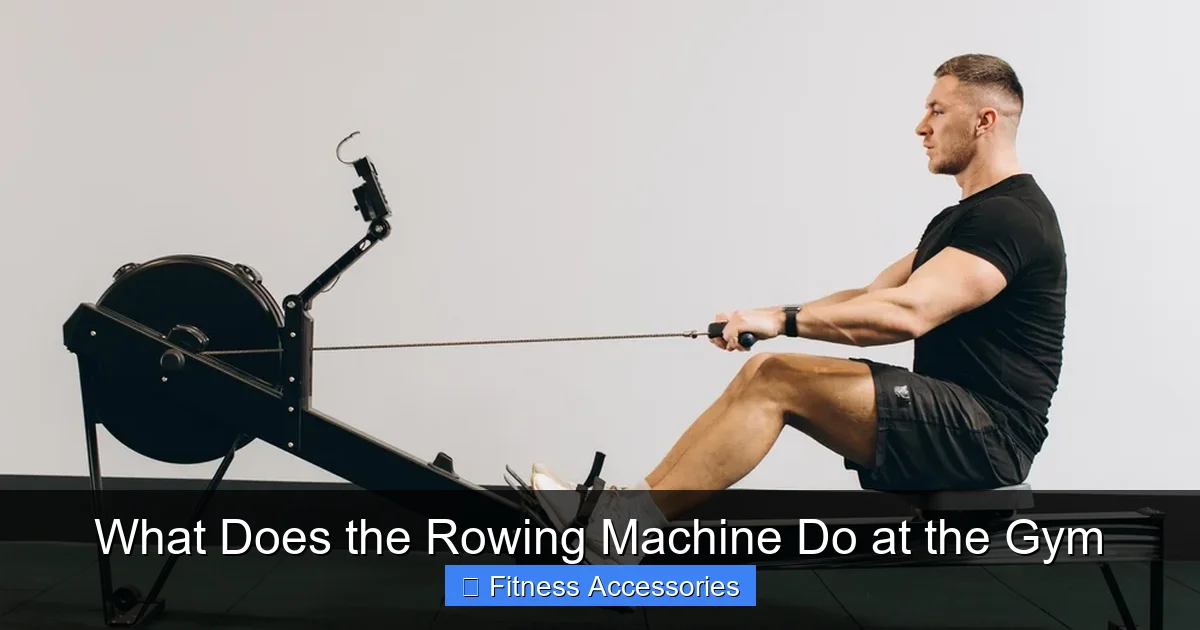
- Catch: Knees bent, shins vertical, torso leaned forward, arms extended.
- Drive: Push through the heels, straighten legs, lean back, then pull the handle.
- Finish: Legs straight, torso slightly leaned back, elbows bent, handle pulled to the chest.
- Recovery: Extend arms, hinge at the hips, bend knees, and slide the seat forward.
Repeating this cycle creates a fluid, rhythmic workout that feels natural once you get the hang of it.
Benefits of Rowing: What the Machine Actually Does for Your Body
Cardiovascular Health
Rowing elevates heart rate while keeping impact low. Studies show that 30 minutes of moderate rowing can improve VO₂ max—a key indicator of aerobic fitness—just like running or cycling.
Visual guide about What Does the Rowing Machine Do at the Gym
Image source: muscleandstrong.com
Strength Building
Because you push with your legs and pull with your back and arms, rowing builds muscle in the quads, glutes, hamstrings, lats, and forearms. The resistance can be dialed up for a strength‑focused session.
Calorie Burning
On average, a 155‑lb person burns about 500 calories in a 45‑minute rowing session at moderate intensity. Higher intensities or interval training can push that number above 800 calories per hour.
Joint‑Friendly
Unlike high‑impact activities such as running, rowing’s smooth sliding motion reduces stress on knees, hips, and ankles, making it ideal for those with joint concerns.
Mental Benefits
The repetitive, meditative rhythm of rowing can lower stress hormones and improve focus. Many athletes use it as a mental warm‑up before competitions.
How to Use a Rowing Machine Effectively
Setting Up Correctly
1. Adjust the footrests: Place the strap over the widest part of your foot and tighten so your heel can lift slightly.
Visual guide about What Does the Rowing Machine Do at the Gym
Image source: rowingmachineking.com
2. Set the damper or resistance: For beginners, start low (2‑4 on a water rower, 1‑3 on a magnetic model). Increase as you get stronger.
3. Check the monitor: Most machines display distance, time, strokes per minute (SPM), and calories.
Perfecting the Stroke
Follow the four‑phase guide:
- Catch: Sit tall, shins vertical, arms straight.
- Drive: Push with legs first, then lean back, finally pull the handle to your chest.
- Finish: Legs straight, lean slightly back, elbows tucked.
- Recovery: Reverse the motion—extend arms, hinge forward, bend knees.
Keep your core engaged throughout to protect your lower back.
Sample Workouts
Steady‑State Row – 20 minutes at 22‑24 SPM, moderate resistance. Great for endurance.
HIIT Intervals – 1 minute hard (30‑32 SPM), 1 minute easy (18‑20 SPM). Repeat 10‑12 times for a calorie‑blasting session.
Power Strokes – 10 sets of 10 powerful strokes with 30‑second rest. Focus on explosive leg drive.
Rowing vs. Other Gym Equipment: What Sets It Apart?
Rowing vs. Treadmill
Both boost cardio, but rowing adds upper‑body work and is lower‑impact. If you have knee issues, the rower is gentler.
Rowing vs. Elliptical
Ellipticals also provide low‑impact cardio, yet they often isolate the lower body. Rowing offers a true full‑body pull‑push motion.
Rowing vs. Stationary Bike
Bike workouts focus mainly on the legs. Rowing incorporates the back, shoulders, and arms, delivering a more balanced muscular stimulus.
Choosing the Right Rowing Machine for Home or Gym Use
Types of Resistance
- Air rowing machines: Use a fan; resistance increases with stroke speed. Popular for high‑intensity workouts.
- Water rowers: Simulate the feel of rowing on water; provide smooth, natural resistance.
- Magnetic rowers: Offer quiet operation and precise resistance settings.
- Hydraulic rowers: Compact and inexpensive but can feel uneven.
Key Features to Look For
- Performance monitor: Should track distance, time, SPM, and calories.
- Adjustable footrests and seat: For comfort and proper ergonomics.
- Weight capacity: Choose a model that exceeds your body weight.
- Build quality: Steel frames and sturdy rails last longer.
Budget Recommendations
Under $500: Concept2 Model D (used) or Sunny Health & Fitness magnetic rower.
$500‑$1,000: Concept2 Model D (new), WaterRower Natural.
Above $1,000: Hydrow (connected experience), Concept2 Model E, WaterRower Club.
Integrating Rowing Into Your Overall Fitness Plan
Weekly Schedule Example
- Monday: 30‑minute steady‑state row + core circuit.
- Wednesday: HIIT intervals (10 × 1‑minute hard/1‑minute easy).
- Friday: Power strokes + strength training (squats, deadlifts).
- Weekend: Light active recovery (yoga or walking).
Combining With Other Modalities
Pair rowing with resistance training to maximize muscle growth. Use it as a warm‑up before weightlifting or as a finisher after a strength session.
Conclusion: The Rowing Machine Is More Than a Cardio Gadget
In answer to the core question—what does the rowing machine do at the gym?—it delivers a low‑impact, full‑body workout that builds strength, burns calories, and improves heart health. Its versatility lets you tailor sessions from gentle endurance rows to intense HIIT blasts. Whether you’re a beginner, a rehab client, or an elite athlete, the rower can fit seamlessly into your routine.
So the next time you see that sleek black machine, hop on, lock your feet in, and let the rhythmic pull‑push guide you toward a stronger, fitter you.
Frequently Asked Questions
What muscles does a rowing machine work?
Rowing targets the quads, glutes, hamstrings, core, lats, rhomboids, shoulders, and forearms, giving you a true full‑body workout.
Is rowing low‑impact enough for joint problems?
Yes. The sliding seat and smooth pull reduce stress on knees, hips, and ankles, making it a joint‑friendly cardio option.
How many calories can I burn on a rowing machine?
Depending on intensity and body weight, you can burn roughly 400‑800 calories per hour. High‑intensity intervals push the higher end of that range.
Do I need a membership to use a rowing machine?
No. Many gyms have them, but you can also buy a home model. Entry‑level options start around $300, while premium models exceed $1,200.
Can rowing improve my posture?
Regular rowing strengthens the back and core, helping you sit and stand taller and reducing the tendency to slouch.
What’s the best resistance setting for beginners?
Start with a low to moderate setting—air rowers at 2‑4, water rowers with a light fan speed, or magnetic rowers on level 2‑3. Increase gradually as you gain confidence.