What Does a Rowing Machine Do to Your Body
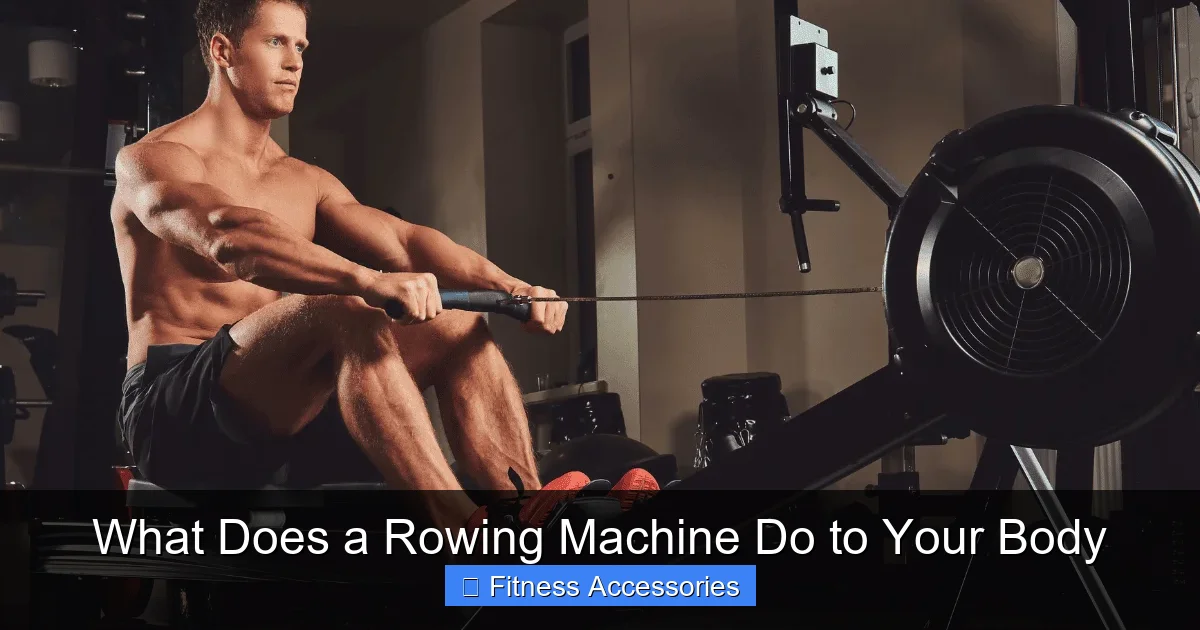
Rowing machines give you a full‑body workout that burns calories, strengthens muscles, and protects joints. By engaging the legs, core, back, and arms, they improve cardiovascular health, enhance posture, and help you achieve a lean, toned physique.
Key Takeaways
- Full‑body conditioning: Rowing works the legs, core, back, and arms in one motion.
- Cardiovascular boost: Regular sessions improve heart and lung efficiency.
- Low‑impact on joints: The smooth sliding seat reduces stress on knees and hips.
- Calorie‑torching power: You can burn 400‑800 calories per hour depending on intensity.
- Strengthens posture: Engages the posterior chain, helping to straighten the spine.
- Versatile training: Adjustable resistance lets beginners to elite athletes benefit.
- Convenient at home: One piece of equipment replaces many gym machines.
📑 Table of Contents
- Introduction: Why Rowing Is the Hidden Gem of Fitness
- 1. The Full‑Body Muscle Workout
- 2. Cardiovascular Benefits: Heart‑Healthy Rowing
- 3. Calorie Burn and Weight Management
- 4. Joint‑Friendly, Low‑Impact Training
- 5. Posture, Core Stability, and Back Health
- 6. Mental Benefits and Stress Relief
- Conclusion: The All‑Around Body Builder
Introduction: Why Rowing Is the Hidden Gem of Fitness
Imagine a workout that feels like gliding across water, yet you stay perfectly dry and safe inside your living room. That’s the magic of a rowing machine. While many people think of rowing as a sport for elite athletes, the reality is that a rowing machine offers a surprisingly gentle yet powerful way to sculpt the body, boost heart health, and protect joints.
In this article we’ll unpack exactly what a rowing machine does to your body. From the muscles that fire up on each stroke to the way your heart responds, you’ll see why this piece of equipment belongs in any serious fitness routine.
1. The Full‑Body Muscle Workout
Rowing is one of the few exercises that truly engages the entire body in a single, fluid motion. Let’s break down the muscle groups involved.
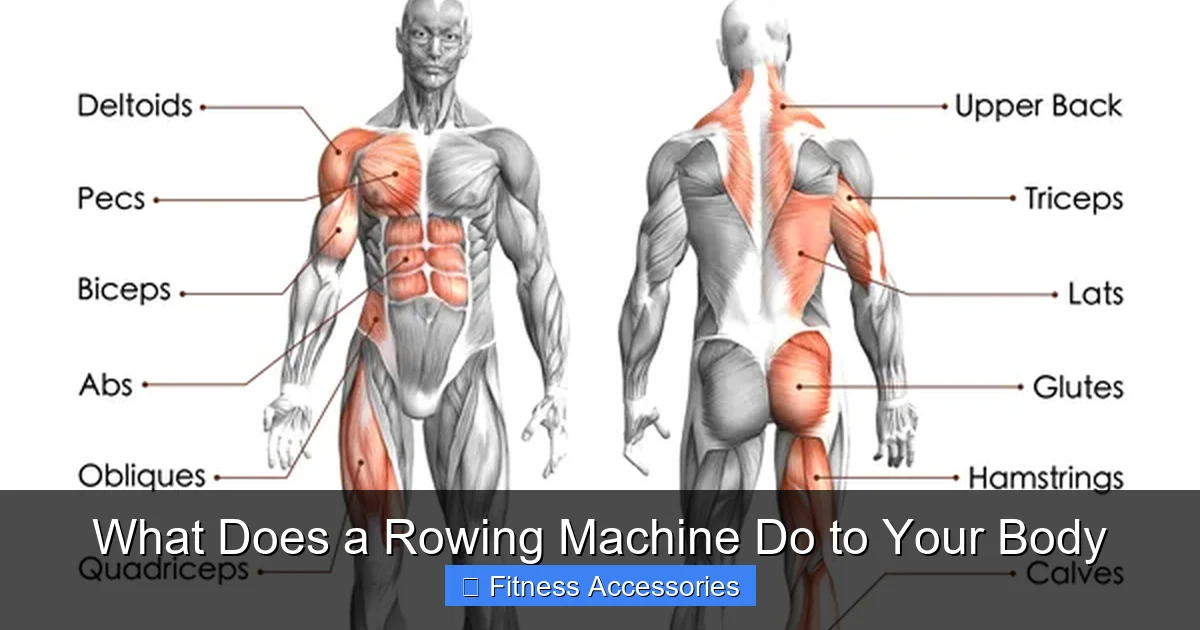
Visual guide about What Does a Rowing Machine Do to Your Body
Image source: topiom.com
Leg Power: The Drive Phase
The first part of the stroke starts with the legs. As you push against the foot‑rests, the quadriceps, hamstrings, glutes, and calves contract hard. This “drive” accounts for roughly 60 % of the power generated in each pull.
- Quadriceps: Extend the knee, giving you the initial push.
- Glutes: Provide hip extension, adding force and stability.
- Hamstrings & calves: Assist in the final push and help control the return.
Core Engagement: The Bridge Between Upper and Lower Body
While your legs generate force, your core stabilizes the torso. The rectus abdominis, obliques, and erector spinae work together to keep the spine neutral and transfer power efficiently.
- Rectus abdominis: Prevents excessive arching during the drive.
- Obliques: Control rotation and keep the body aligned.
- Erector spinae: Maintains a straight back, protecting the lower back.
Upper‑Body Pull: The Finish
When the legs finish extending, the arms and back take over. The latissimus dorsi, rhomboids, trapezius, biceps, and forearms complete the stroke, pulling the handle toward the chest.
- Latissimus dorsi: The primary pulling muscle, giving you that “rowing” feel.
- Rhomboids & trapezius: Retract the shoulder blades for a strong finish.
- Biceps & forearms: Bend the elbows and grip the handle.
Practical Tip
To feel each muscle group, try a “pause drill.” Row normally, then pause for 2 seconds at the end of each phase (leg drive, body swing, arm pull). This isolates the muscles and improves technique.
2. Cardiovascular Benefits: Heart‑Healthy Rowing
Beyond muscle work, rowing is a stellar cardio exercise. Because you’re moving large muscle groups simultaneously, the heart pumps more blood, and your lungs take in more oxygen.
Improved VO₂ Max
VO₂ max measures the maximum amount of oxygen your body can use during intense activity. Studies show that 30‑minute rowing sessions, three times a week, can raise VO₂ max by 10‑15 % in beginners.
Heart Rate Zones
Rowing lets you easily target specific heart‑rate zones:
- Zone 2 (fat‑burn): 60‑70 % of max HR—steady rowing at 18‑22 strokes per minute (spm).
- Zone 4 (anaerobic): 80‑90 % of max HR—intervals of 30‑45 seconds all‑out rowing followed by equal rest.
Practical Tip
Use a heart‑rate monitor and aim for 20‑30 minutes in Zone 2 for endurance, or 10‑15 minutes of high‑intensity intervals for cardio conditioning.
3. Calorie Burn and Weight Management
One of the most asked questions is, “How many calories does rowing burn?” The answer depends on intensity, body weight, and duration.
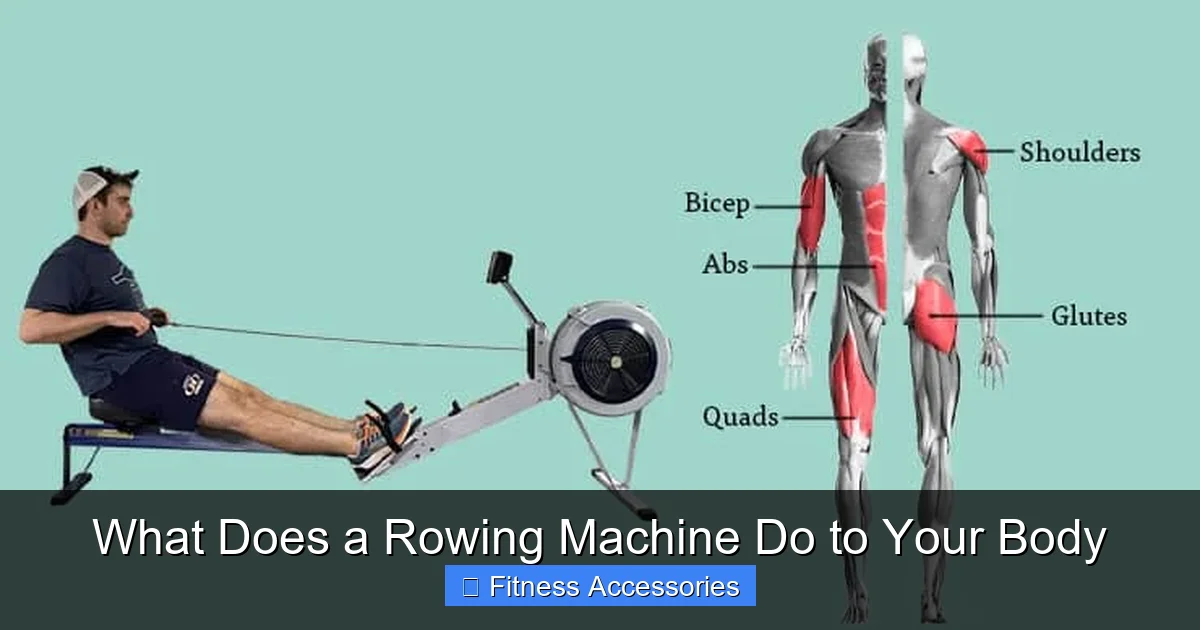
Visual guide about What Does a Rowing Machine Do to Your Body
Image source: honehealth.com
Typical Calorie Expenditure
For a 155‑lb (70 kg) person:
- Moderate pace (12‑14 spm): ~300 calories per 30 minutes.
- Vigorous pace (20‑24 spm): ~420 calories per 30 minutes.
- High‑intensity intervals: up to 600 calories per 30 minutes.
Why Rowing Is Efficient
Because you’re using both large (legs) and medium (back, arms) muscle groups, the metabolic demand is high. Plus, the low‑impact nature means you can stay longer without joint pain, increasing total calorie burn.
Practical Tip
Track your workouts with a rowing app that estimates calories based on your weight and stroke rate. Adjust resistance to keep the calorie burn steady as you get fitter.
4. Joint‑Friendly, Low‑Impact Training
Running and high‑impact aerobics can be hard on knees, hips, and ankles. Rowing offers a smooth, gliding motion that preserves joint health.
How the Mechanics Protect Joints
The sliding seat and foot‑rests create a linear motion. Your knees move in a controlled, non‑weight‑bearing way, while the hips hinge rather than hammer the ground.
Suitable for All Ages
Because the impact is minimal, rowing is recommended for:
- Seniors looking to maintain mobility.
- People recovering from lower‑body injuries.
- Athletes cross‑training to reduce overuse injuries.
Practical Tip
If you have knee issues, focus on a smooth leg drive and avoid “bouncing” at the catch. Keep the knee angle around 90° and push through the heels.
5. Posture, Core Stability, and Back Health
Modern life leads to slouched shoulders and weak cores. Rowing directly combats these problems.
Strengthening the Posterior Chain
The posterior chain includes the glutes, hamstrings, and lower back. Rowing repeatedly contracts these muscles, pulling the spine into a neutral alignment.
Core Activation
During each stroke, the core resists rotation, preventing the torso from collapsing. Over time, this builds a solid “cage” around the spine, reducing lower‑back pain.
Practical Tip
Practice the “perfect posture drill”: Sit tall, shoulders relaxed, engage the core, and pull the handle to your lower ribs—not your chest. This encourages a stronger, safer movement pattern.
6. Mental Benefits and Stress Relief
Physical activity isn’t just about the body; the mind reaps rewards too.
Endorphin Release
Rowing triggers the release of endorphins, the body’s natural “feel‑good” chemicals. A 20‑minute session can lift mood and reduce anxiety.
Mind‑Body Rhythm
The repetitive, rhythmic nature of rowing creates a meditative flow. Many users report a “zone” feeling similar to running or swimming.
Practical Tip
Combine rowing with your favorite podcast or calming music. The cadence of the strokes syncs with the beat, making the session both effective and enjoyable.
Conclusion: The All‑Around Body Builder
What does a rowing machine do to your body? It sculpts muscles from head to toe, ignites your cardiovascular engine, burns calories, protects joints, and even sharpens your mind. Whether you’re a beginner seeking a low‑impact start or an elite athlete looking for cross‑training variety, the rowing machine adapts to your needs.
Start with short, consistent sessions—5 minutes of easy rowing, three times a week—and gradually increase time, intensity, and resistance. In a few weeks you’ll notice stronger legs, a tighter core, better posture, and a healthier heart. So, strap in, grab the handle, and let the water‑less glide transform your body.
Frequently Asked Questions
How many calories does rowing burn per hour?
For an average adult, rowing at a moderate pace burns about 400‑500 calories per hour, while vigorous rowing can exceed 800 calories.
Is rowing suitable for beginners?
Yes. Most rowing machines have adjustable resistance, allowing beginners to start with low intensity and progress as strength and technique improve.
Can rowing help with weight loss?
Absolutely. Combining regular rowing sessions with a balanced diet creates a calorie deficit, which is essential for losing body fat.
What’s the best stroke rate for a full‑body workout?
A stroke rate of 22‑24 strokes per minute (spm) balances cardiovascular challenge with strength work, making it ideal for most fitness goals.
Do I need a special rowing technique?
Follow the basic “catch‑drive‑finish‑recovery” sequence, keep your back straight, engage the core, and push through the heels. A short tutorial video can help you master the form.
How often should I row to see results?
Three to five sessions per week, each lasting 20‑30 minutes, is enough to improve fitness, burn calories, and build muscle.