What Back Exercises Can I Do with Dumbbells
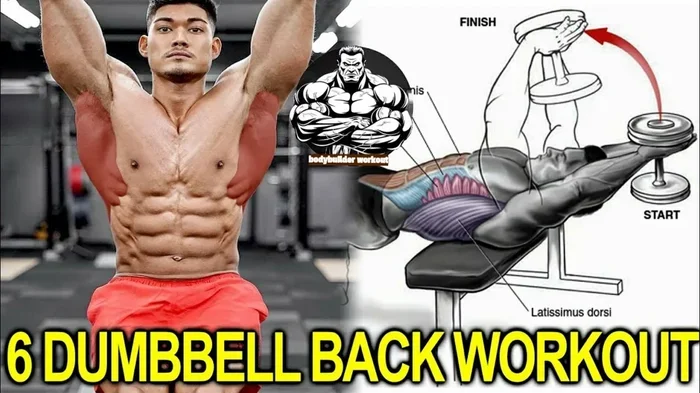
You can build a powerful back using just dumbbells. This guide covers the most effective back exercises with dumbbells, from rows and deadlifts to pullovers and shrugs. You will learn proper form, rep ranges, and how to structure a complete dumbbell back workout for all fitness levels.
Key Takeaways
- Dumbbells are versatile: You can target every back muscle group with just a pair of dumbbells.
- Rows are the king of back exercises: Bent-over rows, single-arm rows, and chest-supported rows build thickness and strength.
- You do not need a gym: Most dumbbell back exercises work perfectly at home with minimal space.
- Progressive overload matters: Gradually increase weight or reps to keep growing your back muscles.
- Form prevents injury: Proper technique ensures you hit the right muscles and avoid strain.
- Variety drives results: Mixing different exercises keeps your workouts effective and engaging.
📑 Table of Contents
- Why Dumbbells Are Great for Back Training
- Top Dumbbell Back Exercises for Muscle Growth
- How to Build a Dumbbell Back Workout Routine
- Common Mistakes to Avoid During Back Exercises
- Benefits of Training Your Back with Dumbbells
- Quick Tips for Maximizing Your Back Workout
- How Often Should You Train Your Back?
- What Weight Dumbbells Should You Use for Back Exercises?
- Conclusion
Why Dumbbells Are Great for Back Training
Your back is one of the largest muscle groups in your body. Training it properly improves your posture, reduces back pain, and boosts overall strength. But you do not need a fancy gym setup to get a great back workout. Dumbbells are one of the best tools for building a strong back.
Unlike barbells, dumbbells allow each arm to work independently. This helps fix muscle imbalances and engages more stabilizer muscles. You can perform a wide range of movements that target your lats, traps, rhomboids, and lower back. Whether you are a beginner or an experienced lifter, dumbbells give you the freedom to train your back effectively.
If you are new to dumbbell training, start with lighter weights and focus on mastering the movements. You can always check out our guide on best dumbbell exercises for more ideas. The beauty of dumbbells is that they fit into any workout routine, whether you train at home or in a gym.
Top Dumbbell Back Exercises for Muscle Growth
Let us dive into the most effective back exercises with dumbbells. Each exercise targets different parts of your back. Adding a mix of these to your routine ensures complete back development.
1. Bent Over Dumbbell Row
The bent over row is a staple for building back thickness. It works your lats, rhomboids, and rear delts. Hold a dumbbell in each hand, hinge at the hips, and pull the weights toward your ribcage. Keep your back flat and your core tight throughout the movement.
For a detailed breakdown of this exercise, check out our guide on how to do a bent over row with dumbbells. This movement is a must-have in any dumbbell back workout.
2. Single Arm Dumbbell Row
The single arm row lets you focus on one side at a time. Place one hand and knee on a bench. With the opposite hand, hold a dumbbell and pull it toward your hip. This exercise is excellent for building back width and fixing strength imbalances between sides.
Keep your torso stable and avoid twisting. Move slowly and control the weight on both the pull and the lower. You will feel a deep stretch and contraction in your back with every rep.
3. Dumbbell Pullover
The pullover is a unique exercise that targets your lats and serratus muscles. Lie on a flat bench and hold one dumbbell with both hands above your chest. Lower it slowly behind your head and pull it back to the starting position.
This movement also stretches your ribcage and improves chest flexibility. It is a great addition to any home back workout routine. Start with a lighter weight until you are comfortable with the range of motion.
4. Dumbbell Shrugs
Shrugs isolate your upper traps, which are often neglected. Hold a dumbbell in each hand at your sides. Lift your shoulders straight up toward your ears and hold for a second at the top. Lower them back down slowly.
Do not roll your shoulders. The movement should be a straight vertical lift. This exercise helps relieve tension in the neck and upper back area. It is simple but very effective for building the upper back.
5. Reverse Flyes
Reverse flyes target your rear delts and upper back. Bend forward at the waist with a dumbbell in each hand. Raise both arms out to the sides until they are parallel to the floor. Squeeze your shoulder blades together at the top.
This exercise improves posture and balances your shoulder development. Use a light to moderate weight and focus on the squeeze. Slow and controlled reps give the best results.
6. Dumbbell Deadlift
The dumbbell deadlift works your entire posterior chain, including your lower back, glutes, and hamstrings. Stand with a dumbbell in each hand in front of your thighs. Hinge at the hips and lower the weights while keeping your back straight. Return to standing by driving your hips forward.
This is a compound movement that builds functional strength. It also strengthens your grip and core. Keep the dumbbells close to your legs throughout the exercise for maximum effectiveness.
How to Build a Dumbbell Back Workout Routine
Now that you know the exercises, let us talk about how to put them together. A well-structured back workout routine ensures balanced development and prevents overtraining.
A good starting point is to train your back twice per week. Allow at least 48 hours of rest between sessions. Here is a simple framework to follow:
- Exercise 1: A compound movement like bent over rows (3 sets of 8-12 reps)
- Exercise 2: A single-arm movement like single arm rows (3 sets of 10-12 reps per side)
- Exercise 3: An isolation exercise like reverse flyes or shrugs (3 sets of 12-15 reps)
- Exercise 4: A stretch or compound like pullovers or deadlifts (2-3 sets of 10-12 reps)
Rest for 60 to 90 seconds between sets. As you get stronger, increase the weight or add more reps. This principle is called progressive overload, and it is the key to building muscle.
If you want to train your whole body with dumbbells, check out our article on can I get a full body workout with dumbbells. It covers how to pair back exercises with other muscle groups for a balanced routine.
Common Mistakes to Avoid During Back Exercises
Even with the best exercises, poor form can hold you back or cause injury. Here are the most common mistakes people make during dumbbell back exercises:
- Rounding the lower back: Always maintain a neutral spine. If your back rounds during rows or deadlifts, reduce the weight immediately.
- Using too much momentum: Swinging the weights takes tension off your back muscles. Control every rep and focus on the mind-muscle connection.
- Shrugging the shoulders up to the ears during rows: Keep your shoulders pulled down and back. This engages the right muscles and prevents neck strain.
- Lifting too much weight too soon: Start with manageable weights. Perfect your form before adding load. Quality always beats quantity.
- Skipping the warm-up: Warm up your back with light stretches or band pull-aparts before picking up the dumbbells.
Avoiding these mistakes will help you get better results and stay injury-free. Remember, back exercises with dumbbells should feel challenging but never painful.
Benefits of Training Your Back with Dumbbells
Training your back with dumbbells offers many benefits beyond just looking good. Here is why you should make back training a regular part of your routine:
- Better posture: Strong back muscles pull your shoulders back and keep your spine aligned. This reduces slouching and neck pain.
- Improved athletic performance: A strong back generates power for almost every sport and physical activity.
- Injury prevention: Strengthening the muscles around your spine protects you from common back injuries.
- Balanced physique: Training your back creates symmetry and complements your chest and shoulder work.
- Functional strength: Everyday tasks like carrying groceries or lifting objects become easier with a strong back.
These benefits make it clear why back exercises with dumbbells deserve a top spot in your training plan. You do not need expensive equipment to see real results.
Quick Tips for Maximizing Your Back Workout
Want to get the most out of your dumbbell back sessions? Follow these quick tips:
- Focus on the squeeze: At the top of each rowing movement, pause and squeeze your back muscles for one to two seconds.
- Use a full range of motion: Lower the dumbbells fully to stretch your back, then pull them through a complete range.
- Train your back with variety: Rotate between different exercises every few weeks to keep your muscles challenged.
- Breathe properly: Exhale on the exertion phase (the pull) and inhale on the way down.
- Track your progress: Keep a workout log to monitor your weights, reps, and sets. Progress tracking keeps you motivated and accountable.
These small adjustments can make a big difference in your results. Consistency is the real secret. Show up, put in the work, and trust the process.
How Often Should You Train Your Back?
Most people benefit from training their back two to three times per week. This frequency allows enough stimulus for muscle growth while giving your muscles time to recover. If you are training full body, your back will get worked in every session.
If you follow a split routine, dedicate one or two days specifically to back training. Make sure you are not training your back on consecutive days without rest. Recovery is when your muscles actually grow stronger.
Listen to your body. If your back feels sore or fatigued, give it extra rest. Overtraining can lead to setbacks and injuries. A balanced approach delivers the best long-term results.
What Weight Dumbbells Should You Use for Back Exercises?
The right weight depends on your fitness level and the specific exercise. For compound movements like bent over rows and deadlifts, you can typically use heavier dumbbells. Aim for a weight where you can complete 8 to 12 reps with good form.
For isolation exercises like reverse flyes and shrugs, use lighter weights. These smaller muscles fatigue faster and do not need heavy loads. A good starting point for beginners is a pair of 10 to 15 pound dumbbells.
If you are unsure about your starting weight, check out our guide on what size dumbbells you need to build muscle. It provides detailed recommendations based on your goals and experience level.
Conclusion
Back exercises with dumbbells are simple, effective, and accessible to everyone. You do not need a gym membership or expensive equipment to build a strong, well-developed back. Rows, deadlifts, pullovers, shrugs, and reverse flyes cover every muscle group in your back.
Focus on proper form, progressively increase your weights, and stay consistent with your routine. The exercises in this guide give you everything you need to train your back effectively at home or in the gym. Start with the movements you enjoy most, stay patient, and trust that your hard work will pay off.
Your back is the foundation of almost every movement you make. Take care of it, train it wisely, and it will serve you well for years to come. Grab your dumbbells and get to work today.
Frequently Asked Questions
Can I build a strong back with just dumbbells?
Absolutely. Dumbbells allow you to target every major back muscle group including your lats, traps, rhomboids, and lower back. With the right exercises and consistent training, you can build significant back strength and size using only dumbbells.
How many times per week should I train my back with dumbbells?
Training your back two to three times per week is ideal for most people. This gives your muscles enough stimulus to grow while allowing proper recovery between sessions. Listen to your body and adjust frequency based on how your back feels.
What is the best dumbbell exercise for upper back?
The single arm dumbbell row and reverse flyes are among the best exercises for targeting your upper back. They isolate the rhomboids, traps, and rear delts effectively. Focus on squeezing your shoulder blades together at the top of each rep for maximum benefit.
Do I need a bench to do back exercises with dumbbells?
No, many dumbbell back exercises require no bench at all. Bent over rows, single arm rows, shrugs, and deadlifts can all be done standing on the floor. A bench is helpful for exercises like chest-supported rows and pullovers but is not essential.
Can beginners do dumbbell back exercises safely?
Yes, beginners can safely perform dumbbell back exercises by starting with light weights and focusing on proper form. The bent over row and dumbbell shrug are great entry-level movements. Always warm up before training and increase weight gradually as your strength improves.
What weight dumbbells should I start with for back exercises?
Beginners should start with a pair of 10 to 15 pound dumbbells for most back exercises. For isolation movements like reverse flyes, you may want to go even lighter. The right weight allows you to complete 8 to 12 reps with clean form while still feeling challenged by the last few reps.