What Are the Benefits of Doing Jump Rope
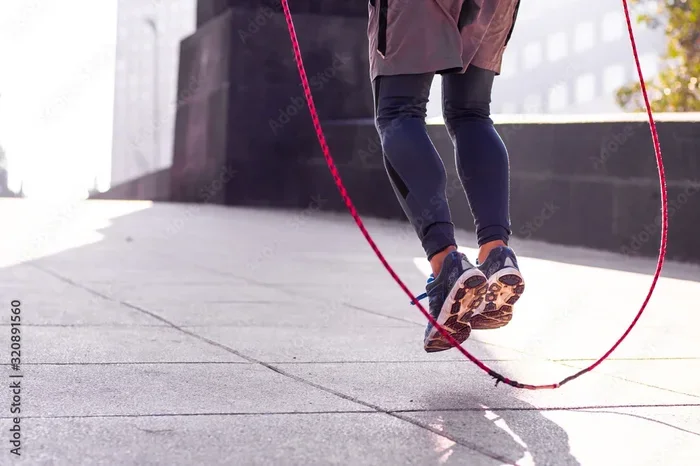
Doing jump rope is one of the most efficient full-body workouts you can do. It boosts cardiovascular health, burns serious calories, and improves coordination in just minutes a day. Whether you are a beginner or a seasoned athlete, the benefits of doing jump rope make it a must-add to your routine.
There is a reason boxers, athletes, and fitness lovers all swear by jump rope. It is simple, cheap, and incredibly effective. When you pick up a rope and start swinging, your entire body wakes up. The benefits of doing jump rope go far beyond just burning calories.
Maybe you have seen people jumping rope at the park or in a boxing gym and wondered what all the hype is about. Or perhaps you already jump rope but want to understand exactly why it works so well. Either way, you are in the right place.
In this article, we will break down every major benefit of adding jump rope to your workout. We will cover heart health, weight loss, coordination, and so much more. By the end, you will know exactly why this humble exercise tool deserves a spot in your fitness routine.
Key Takeaways
- Heart Health Boost: Jump rope strengthens your heart and improves cardiovascular endurance fast.
- Burns Major Calories: A few minutes of jump rope can burn as many calories as running a mile.
- Full Body Workout: It engages your legs, arms, core, and shoulders all at once.
- Better Coordination: Regular practice improves your balance, timing, and agility.
- Portable and Affordable: You can do it anywhere with just a simple rope and proper shoes.
- Low Impact Option: When done right, jump rope is easier on your joints than running.
- Mental Health Benefits: It reduces stress and boosts your mood through rhythmic movement.
📑 Table of Contents
What Makes Jump Rope So Effective
Jump rope works because it combines several fitness elements into one movement. You are not just working one muscle group. You are building endurance, speed, and power all at the same time. This makes it a top choice for people who want maximum results in minimum time.
When you jump rope, your heart rate spikes quickly. This means your cardiovascular system gets a serious workout fast. The rhythmic motion also helps you build a strong mind-muscle connection. Your brain has to coordinate your hands, feet, and timing all at once.
The beauty of jump rope is that you can adjust the intensity. Want a light warm-up? Swing the rope slowly. Want a brutal HIIT session? Pick up the pace. This flexibility makes it suitable for almost everyone, from beginners to elite athletes.
Why It Beats Many Other Exercises
Compared to running, jump rope often burns more calories in less time. It also puts less stress on your knees and ankles when you use the right proper rope length and technique. This makes it a great alternative for people who want a high-impact workout without the joint pain.
Unlike machines at the gym, a jump rope is completely portable. You can take it to the park, the beach, or your hotel room while traveling. There is no need for electricity or expensive equipment. Just grab your rope and go.
Top Health Benefits of Doing Jump Rope
The health benefits of doing jump rope are backed by science and real-world experience. Let us look at the biggest ones you can expect.
Cardiovascular Health
Your heart is a muscle, and like any muscle, it gets stronger with exercise. Jump rope is one of the best ways to train your heart. It raises your heart rate quickly and keeps it elevated throughout your session.
Over time, regular jump rope sessions can lower your resting heart rate. This means your heart does not have to work as hard during daily activities. Better cardiovascular health also reduces your risk of heart disease and stroke.
If you are new to exercise, start with short sessions of just one to two minutes. Build up gradually. You can also check out the benefits of a weighted jump rope if you want to add extra resistance to your routine.
Calorie Burning and Weight Loss
If you are looking to lose weight, jump rope is a game changer. A 155-pound person can burn over 300 calories in just 30 minutes of moderate jump rope. That is more than what you would burn walking or doing light cycling.
Because jump rope raises your heart rate so fast, it creates an afterburn effect. This means your body continues to burn calories even after you stop exercising. This is often called excess post-exercise oxygen consumption, or EPOC.
For the best weight loss results, pair jump rope with a healthy diet. Consistency is key. Even 10 to 15 minutes a day can lead to noticeable changes over time.
Full Body Muscle Engagement
One of the greatest advantages of jump rope is that it works almost your entire body. Your calves, quads, and hamstrings power each jump. Your core stabilizes your torso the whole time. Your shoulders and arms control the rope.
This full-body engagement means you are building functional strength. Functional strength helps you in everyday life, from carrying groceries to playing sports. It also helps prevent injuries by strengthening muscles around your joints.
Want to know exactly which body parts benefit most? Check out our guide on what parts of the body does jump rope work for a detailed breakdown.
Bone Density and Joint Health
Jumping is a weight-bearing exercise, which means it helps build stronger bones. As you land from each jump, your bones experience a small impact. This signals your body to build more bone tissue over time.
Stronger bones reduce your risk of osteoporosis as you age. This is especially important for women and older adults who are more prone to bone loss.
Contrary to what some people think, jump rope can actually be gentle on your joints when done correctly. The key is to land softly on the balls of your feet and use a proper surface. Avoid jumping on concrete. A rubber mat or wooden floor is much better for your joints.
Mental and Coordination Benefits
Jump rope is not just a physical exercise. It also delivers powerful mental and cognitive benefits that many people overlook.
Improved Coordination and Balance
When you jump rope, your brain has to coordinate your eyes, hands, and feet simultaneously. This kind of cross-body coordination sharpens your neuromuscular connections. Over time, you will notice better balance and quicker reflexes in sports and daily life.
Boxers use jump rope specifically to improve their footwork and timing. But you do not need to be a boxer to enjoy these benefits. Anyone who jumps rope regularly will see improvements in their overall body awareness.
Stress Relief and Mental Clarity
Exercise is one of the best ways to reduce stress, and jump rope is no exception. The rhythmic motion can feel almost meditative. As you focus on your breathing and timing, your mind lets go of daily worries.
Jump rope also triggers the release of endorphins, your body’s natural feel-good chemicals. These chemicals help reduce anxiety and boost your mood. Even a short five-minute session can leave you feeling more energized and focused.
Better Focus and Discipline
Learning jump rope tricks and maintaining a steady rhythm takes concentration. This kind of focused practice trains your brain to stay present. Over time, you develop better mental discipline that carries over into other areas of your life.
How to Get Started with Jump Rope
Starting jump rope is easier than you might think. You do not need any special skills or expensive gear. Here is how to begin your journey.
- Choose the Right Rope: Look for a rope that reaches your armpits when you stand on the middle of it. For more on sizing, see our guide on standard jump rope length.
- Wear Proper Shoes: Good shoes make a huge difference. Look for shoes with cushioning and support. Check out our picks for the best shoes to jump rope in to find the right pair.
- Start Slow: Begin with just one to two minutes of jumping. Rest for 30 seconds. Repeat three to five times. Gradually increase your duration as your fitness improves.
- Focus on Form: Keep your elbows close to your sides. Use your wrists to turn the rope, not your arms. Land softly on the balls of your feet.
- Stay Consistent: Aim for three to five sessions per week. Consistency matters more than intensity when you are just starting out.
Quick Tips for Beginners
- Keep your jumps low. You only need one to two inches off the ground.
- Breathe steadily throughout each session.
- Use a rope with bearings for smooth, fast rotation.
- Warm up for five minutes before jumping to prevent injury.
- Cool down and stretch after your session to reduce soreness.
Common Mistakes to Avoid
Even though jump rope is simple, there are a few common mistakes that can slow your progress or cause injury.
Jumping too high: This wastes energy and puts extra stress on your joints. Keep your jumps low and efficient.
Using the wrong rope length: A rope that is too long or too short makes it harder to maintain a steady rhythm. Make sure you have the right fit for your height.
Ignoring your posture: Keep your back straight and your core engaged. Slouching puts unnecessary strain on your lower back.
Overtraining too soon: Your muscles and joints need time to adapt. Start with short sessions and build up gradually. Pushing too hard too fast is a recipe for shin splints and fatigue.
Skipping rest days: Recovery is just as important as the workout itself. Give your body time to repair and grow stronger between sessions.
Expert Insights on Jump Rope Benefits
Fitness experts and coaches have long recognized jump rope as a top-tier exercise. Many personal trainers include it in their clients’ programs because of its efficiency and versatility.
According to the American Council on Exercise, jump rope burns approximately 13 calories per minute. This places it among the most calorie-efficient exercises available. It also ranks high on the ACE fitness pyramid for improving cardiorespiratory fitness.
Many professional sports teams use jump rope as part of their training. Basketball players use it for footwork. Soccer players use it for endurance. Tennis players use it for agility. The benefits of doing jump rope extend well beyond general fitness.
Dr. John Ratey, a Harvard psychiatrist, has called exercise the best tool for improving brain function. Jump rope, with its combination of rhythm and movement, is especially effective at boosting cognitive performance and mood.
Final Thoughts
The benefits of doing jump rope are hard to ignore. From heart health and weight loss to better coordination and mental clarity, this simple exercise delivers powerful results. It is affordable, portable, and suitable for people of all fitness levels.
Whether you want to lose weight, get in better shape, or simply add variety to your workouts, jump rope has something to offer. Start with just a few minutes a day. Stay consistent. You will be amazed at the progress you make.
So grab a rope, find a good surface, and start jumping. Your body and mind will thank you.
Frequently Asked Questions
How long should I jump rope each day?
For beginners, start with 5 to 10 minutes per session. As your fitness improves, you can work up to 20 to 30 minutes. Even 10 minutes of jump rope can provide significant health benefits when done consistently.
Is jump rope better than running?
Both are great exercises, but jump rope often burns more calories in less time. It is also easier on your joints when done with proper form and the right surface. Many people prefer jump rope because it is more engaging and requires less space.
Can jump rope help with weight loss?
Yes, jump rope is excellent for weight loss. It burns a high number of calories and creates an afterburn effect that keeps your metabolism elevated. Combined with a healthy diet, regular jump rope sessions can lead to meaningful fat loss over time.
Do I need special shoes for jump rope?
While you do not need special shoes, proper footwear makes a big difference. Look for shoes with good cushioning and arch support. Avoid shoes with thick soles that can throw off your balance. Check out our guide on the best shoes for jump rope to find the right pair.
Can beginners do jump rope?
Absolutely. Jump rope is one of the most beginner-friendly exercises. Start with short sessions, focus on basic technique, and build up gradually. The key is consistency, not intensity. Most beginners see noticeable improvement within just a few weeks.
What kind of jump rope is best for beginners?
A basic beaded or cable rope with adjustable length is ideal for beginners. Avoid heavy ropes at first until you have built your coordination and stamina. As you progress, you can explore weighted ropes for added intensity.