Perfect Turkey Oven Temperature Guide for Juicy Results
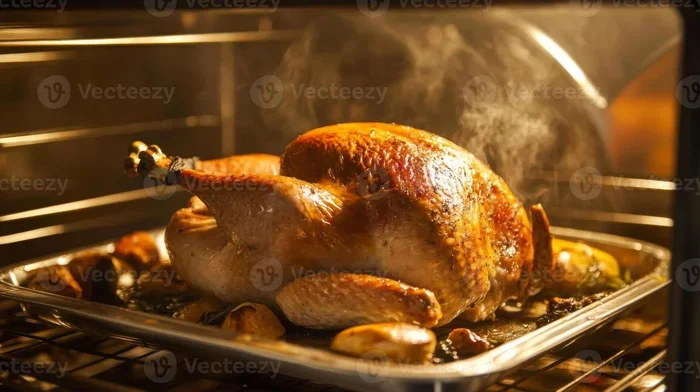
Turkey oven temperature is the single most important factor in roasting a perfectly juicy bird. Whether you are cooking a small breast or a whole holiday turkey, getting the heat right makes all the difference. The ideal turkey oven temperature balances crispy skin with tender, moist meat inside. Most experts recommend roasting at 325°F to 350°F for even cooking throughout. This guide covers everything you need to know about turkey oven temperature for foolproof results every time.
Roasting a turkey can feel intimidating. There is so much to think about. Will it be dry? Will the skin be crispy? How long will it take? The answer to all of these questions starts with one thing: turkey oven temperature. Getting the heat right is the foundation of a great roast. Everything else flows from there.
Whether you are a first-time cook or a holiday veteran, understanding your oven settings makes the process so much easier. A juicy turkey oven temperature ensures the meat stays tender while the skin turns golden and crispy. In this guide, we will walk you through everything you need to know. You will learn the best temperatures, common mistakes, and pro tips that will take your roast to the next level.
Key Takeaways
- 325°F to 350°F is the sweet spot for roasting turkey evenly and safely.
- Internal temperature matters more than oven setting — aim for 165°F in the thickest part.
- Breast and thigh meat cook at different rates, so monitor both zones carefully.
- Resting your turkey for 20 to 30 minutes keeps juices locked in after roasting.
- A meat thermometer is the only reliable way to check if your turkey is done.
- Brining before roasting adds moisture and flavor to every bite.
- Avoid opening the oven door too often, as it drops the heat and slows cooking.
📑 Table of Contents
- What Is the Ideal Turkey Oven Temperature?
- Turkey Breast vs. Thigh: Temperature Differences
- How Long to Roast a Turkey at the Right Heat
- Turkey Oven Temperature by Weight
- Common Turkey Oven Temperature Mistakes to Avoid
- Pro Tips for the Perfect Roast
- Quick Tips for Turkey Oven Temperature Success
- Conclusion
What Is the Ideal Turkey Oven Temperature?
The most recommended turkey oven temperature for roasting is between 325°F and 350°F. This range works for almost every size bird. It allows the meat to cook evenly without drying out the outer parts before the inside is done. Low and slow is the name of the game when it comes to oven roasted turkey.
Some recipes call for a higher temperature at the start, like 425°F, to crisp the skin quickly. Then the heat drops to 325°F or 350°F for the rest of the cook. This two-stage method works well too. But for beginners, sticking with a steady 325°F to 350°F is the safest bet.
Why 325°F to 350°F Works Best
At this temperature range, the turkey cooks gently. The heat has time to penetrate deep into the meat. This means the breast and thigh cook more evenly. You also get less shrinkage, which means more juicy meat on the plate. Plus, the crispy turkey skin still forms beautifully at these moderate temperatures.
If you set the oven too high, the outside burns before the inside reaches a safe turkey cooking temperature. If you go too low, the bird spends too long in the oven and dries out. That is why 325°F to 350°F is the gold standard for roasting turkey in the oven.
Turkey Breast vs. Thigh: Temperature Differences
Not all parts of the turkey cook at the same rate. This is one of the most important things to understand about turkey oven temperature. The breast meat is leaner and thinner. It cooks faster than the thigh, which is darker, fattier, and denser.
The internal temperature turkey breast should reach 165°F. The thigh can go slightly higher, up to 175°F to 180°F, for the best texture. The darker meat benefits from a bit more heat because the extra fat keeps it moist. So when you check your bird, remember that one number does not fit both parts.
How to Check Both Zones
Use a digital meat thermometer inserted into the thickest part of the breast. Do not let it touch the bone. Then check the thigh by inserting it into the thickest part of the meat near the bone. Both spots need to hit their target temperatures for the best results.
Here is a quick comparison of the two zones:
- Breast meat: Target 165°F. Lean and tender. Can dry out fast if overcooked.
- Thigh meat: Target 175°F to 180°F. Dark meat is more forgiving and stays juicier.
- Wing and drumstick: Target 165°F to 175°F. These smaller pieces cook faster.
Many cooks pull the turkey out when the breast hits 160°F. The carryover cooking will raise it another 5 degrees while it rests. This trick helps prevent dry breast meat, which is the number one complaint about roasted turkey.
How Long to Roast a Turkey at the Right Heat
Turkey roasting time depends on the size of the bird and the oven temperature you choose. At 325°F, a general rule is about 13 to 15 minutes per pound for an unstuffed turkey. At 350°F, you can shave a few minutes off. But always go by internal temperature, not just the clock.
A 12-pound turkey at 325°F will take roughly 3 to 4 hours. A smaller 8-pound bird might be done in about 2.5 hours. These are estimates. Your actual turkey cooking time per pound can vary based on oven accuracy, whether the bird is stuffed, and even the shape of the roasting pan.
Stuffed vs. Unstuffed Turkey
Stuffing a turkey adds cooking time because the center needs to reach a safe temperature too. If you stuff your bird, plan for an extra 30 to 45 minutes. The stuffing must also reach 165°F inside the cavity. Many food safety experts now recommend cooking stuffing separately to avoid any turkey food safety risks.
An unstuffed turkey is much simpler to monitor. You can check the temperature faster and more accurately. For most home cooks, an unstuffed bird gives more predictable results and shorter turkey roasting time.
Turkey Oven Temperature by Weight
Here is a helpful guide to roasting times based on bird size at 325°F:
- 8 to 10 pounds: 2.5 to 3 hours
- 10 to 12 pounds: 3 to 3.5 hours
- 12 to 14 pounds: 3.5 to 4 hours
- 14 to 18 pounds: 4 to 4.5 hours
- 18 to 20 pounds: 4.5 to 5 hours
- 20 to 24 pounds: 5 to 5.5 hours
These times assume a steady oven temperature for turkey of 325°F. Always add extra time if your bird is frozen or if you are using a deep roasting pan, which can block heat circulation. And remember, these are starting points. The meat thermometer is your final authority.
Common Turkey Oven Temperature Mistakes to Avoid
Even experienced cooks make mistakes with their turkey oven temperature. Knowing what to avoid saves you from a dry or undercooked bird. Here are the most common errors people make when roasting turkey.
Opening the Oven Door Too Often
Every time you open the oven door, the temperature drops by 25°F or more. This slows down the cooking and can lead to uneven results. Resist the urge to peek too often. Trust your timer and your thermometer. Only open the door when you need to baste or check the temperature near the end of the cook.
Skipping the Thermometer
Relying on a pop-up timer or guesswork is risky. Those little pop-up timers are not always accurate. They can trigger too early or too late. A digital instant-read thermometer takes the guesswork out completely. It is the best investment you can make for perfect oven roasted turkey every single time.
Setting the Temperature Too High for a Small Bird
A small turkey or a turkey breast roasts faster than a large one. Cranking the oven to 400°F or higher might seem like a shortcut, but it often leads to burnt skin and dry meat. Keep the turkey oven temperature moderate, even for smaller cuts. You will get much better results.
Not Letting the Turkey Rest
Pulling the turkey straight off the pan and cutting into it right away is a huge mistake. The juices need time to redistribute. Cutting too early lets all those flavorful juices run out onto the cutting board instead of staying in the meat. Always let your holiday turkey rest for at least 20 to 30 minutes before carving.
Pro Tips for the Perfect Roast
Want to take your turkey oven temperature game to the next level? These expert tips make a real difference. They are simple, practical, and they work every time.
Brine Your Turkey Overnight
Brining is one of the best ways to guarantee juicy meat. A simple saltwater soak for 12 to 24 hours seasons the bird from the inside out. The salt breaks down proteins and helps the meat hold onto moisture. Even a quick dry brine, where you rub salt directly on the skin, makes a noticeable difference in juicy turkey results.
Bring the Turkey to Room Temperature First
Take your bird out of the fridge 30 to 60 minutes before roasting. A cold turkey going into a hot oven cooks unevenly. The outside overcooks while the inside stays cold. Letting it sit at room temperature helps the turkey cooking temperature rise more evenly throughout the roast.
Tent with Foil if Needed
If the skin is browning too fast, loosely tent the bird with aluminum foil. This slows down the browning without trapping too much steam. You get the best of both worlds: crispy skin and perfectly cooked meat. Remove the foil during the last 30 minutes for extra crispiness.
Use a Roasting Rack
A roasting rack lifts the turkey off the bottom of the pan. Hot air circulates underneath, which promotes even cooking. It also prevents the bottom from sitting in grease and getting soggy. A simple rack makes a big difference in your turkey roasting technique.
Save the Drippings
The pan drippings from a perfectly roasted turkey are liquid gold. Use them to make gravy, drizzle over slices, or add richness to side dishes. A good roasting pan with a removable bottom makes it easy to separate the drippings from the fat.
Quick Tips for Turkey Oven Temperature Success
- Preheat your oven fully before putting the turkey in.
- Place the thermometer in the thickest part of the breast and thigh.
- Rotate the pan halfway through if your oven has hot spots.
- Baste every 45 minutes for extra flavor and moisture.
- Let the turkey rest for 20 to 30 minutes before carving.
- Store leftovers within two hours of cooking for food safety.
Conclusion
The secret to a perfect roast turkey is simpler than most people think. It all comes down to turkey oven temperature. Stick with 325°F to 350°F, use a reliable thermometer, and pay attention to the internal temperature of both breast and thigh. These basic steps transform an intimidating dish into something anyone can master.
Remember that every bird is a little different. Use the guidelines in this article as your starting point, then adjust based on what you see and taste. The more you roast, the more confident you will become. Soon, nailing the perfect turkey oven temperature will feel like second nature.
Now it is your turn. Pick up a thermometer, preheat that oven, and roast a turkey that will have everyone coming back for seconds. Happy cooking.
Frequently Asked Questions
What is the best turkey oven temperature for a juicy result?
The best turkey oven temperature for juicy results is 325°F to 350°F. This range cooks the bird gently and evenly, keeping the meat moist while the skin turns crispy. Avoid going above 375°F for long roasts, as it can dry out the breast meat.
How long does it take to roast a turkey at 325°F?
At 325°F, plan for about 13 to 15 minutes per pound for an unstuffed turkey. A 12-pound bird will take roughly 3 to 4 hours. Always use a meat thermometer to confirm the internal temperature has reached 165°F in the breast and 175°F in the thigh.
Should I start my turkey at a higher temperature?
Some cooks start at 425°F for 20 to 30 minutes to crisp the skin, then drop to 325°F. This method works well but is not necessary. A steady 325°F from start to finish is simpler and produces excellent results for most home cooks.
What internal temperature is safe for turkey?
The safe internal temperature for turkey is 165°F in the thickest part of the breast, thigh, and stuffing. Use a digital instant-read thermometer to check accurately. Remember that carryover cooking will raise the temperature by about 5 degrees after you pull the bird out.
Can I roast a turkey at 300°F?
Yes, you can roast at 300°F, but it will take longer. This lower temperature works well for very large birds or if you want extra gentle cooking. Just be sure the internal temperature still reaches 165°F in all areas for food safety.
How do I keep turkey breast from drying out?
To keep the breast moist, brine the bird beforehand, cook at a steady 325°F, and pull the turkey out when the breast reaches 160°F. The carryover temperature will bring it up to the safe 165°F while it rests. Always let the turkey rest for 20 to 30 minutes before cutting.