Authentic Tom Yum Soup Recipe That Will Blow Your Mind
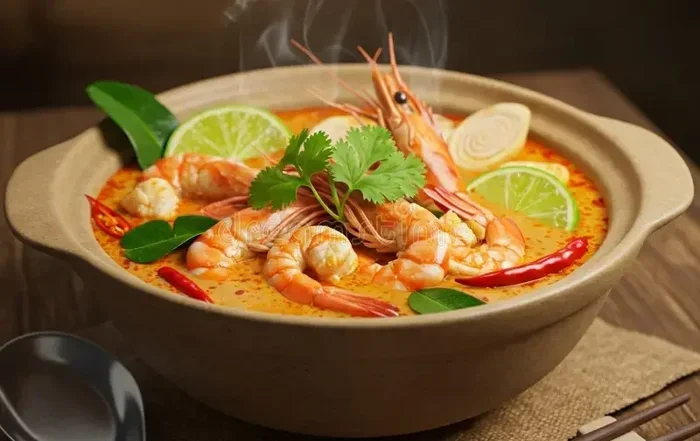
This authentic tom yum soup recipe brings the bold, aromatic flavors of Thailand right to your kitchen. You will learn how to build a deeply flavorful broth using fresh lemongrass, galangal, and kaffir lime leaves. Whether you prefer it with shrimp, mushrooms, or a creamy coconut twist, this guide covers every variation. Follow our step-by-step instructions and pro tips to make restaurant-quality soup at home. Your taste buds are in for a real treat.
There is a bowl of soup that has the power to wake up every single sense at once. The heat hits your tongue first, then the sour tang makes your lips pucker, and finally, the aroma wraps around you like a warm embrace. That is tom yum soup for you. It is one of the most beloved dishes in Thai cuisine, and for good reason.
If you have ever eaten at a Thai restaurant, you know that tom yum soup is not just another entry on the menu. It is a statement. A bold declaration of flavor that balances spicy, sour, salty, and aromatic notes in a single spoonful. The good news is that you do not need a trip to Bangkok to enjoy it. With the right ingredients and a little guidance, you can make authentic tom yum soup in your own kitchen.
This recipe guide walks you through everything you need to know. From the essential ingredients to the step-by-step cooking process, we have got you covered. You will also discover popular variations, health benefits, and expert tips that will take your soup from good to absolutely unforgettable. Let us dive right in.
Key Takeaways
- Fresh ingredients matter: Authentic tom yum soup relies on real lemongrass, galangal, and kaffir lime leaves for its signature aroma.
- Balance is everything: The perfect tom yum soup strikes a harmony between sour, salty, spicy, and sweet flavors.
- Two main styles exist: Tom yum nam sai is clear broth, while tom yum nam khon is creamy and rich.
- Customization is easy: You can swap proteins, adjust spice levels, and add your favorite vegetables.
- Health benefits are real: This Thai soup is packed with anti-inflammatory ingredients and immune-boosting properties.
- It cooks fast: A full pot of authentic tom yum soup comes together in under 40 minutes.
📑 Table of Contents
What Makes Tom Yum Soup So Special?
Tom yum soup stands out because of its intense, layered flavors. Unlike many other soups that rely on a single dominant taste, this Thai classic hits multiple flavor notes at once. The sourness comes from fresh lime juice. The saltiness comes from fish sauce. The heat comes from fresh chilies. And the aroma? That comes from a beautiful bouquet of herbs and spices.
What makes tom yum soup truly special is the broth. A traditional Thai hot and sour soup starts with a base of aromatics that are simmered together. Lemongrass, galangal, and kaffir lime leaves create a fragrant foundation that is impossible to replicate with dried or powdered substitutes. This is why homemade tom yum soup tastes so much better than anything from a packet or a can.
Another thing that sets this dish apart is its versatility. You can make it with shrimp, chicken, mushrooms, or even tofu. You can keep it clear and brothy or add coconut milk for a creamier version. No matter how you make it, tom yum soup always delivers a punch of flavor that is both comforting and exciting.
The History Behind Tom Yum
Tom yum soup has roots that go back centuries in Thailand. The name itself comes from two Thai words. “Tom” means to boil, and “yam” means to mix. So essentially, tom yum is a boiled, mixed salad in soup form. It originated as a simple street food dish, sold by vendors in markets across Bangkok and other Thai cities.
Over time, tom yum soup evolved. Different regions of Thailand added their own twists. Some versions became creamier with the addition of coconut milk. Others kept the broth thin and intensely flavored. Today, tom yum goong (the shrimp version) is the most famous variation worldwide. But locals also love mushroom tom yum, tom yum with chicken, and even seafood combinations that include squid and fish.
Essential Ingredients for Authentic Tom Yum Soup
The secret to a great tom yum soup lies in the ingredients. You cannot rush this part. Each component plays a specific role in building the final flavor profile. Here is what you need to gather before you start cooking.
The Aromatic Foundation
- Lemongrass: This is the backbone of tom yum soup. It adds a bright, citrusy fragrance that defines the dish. Use fresh stalks and bruise them before adding to the pot.
- Galangal: Often confused with ginger, galangal has a sharper, more piney flavor. It is essential for authentic Thai soup recipes.
- Kaffir lime leaves: These fragrant leaves add a unique floral citrus note that no substitute can fully replicate.
- Fresh Thai chilies: Bird’s eye chilies give tom yum soup its signature heat. Adjust the amount based on your spice tolerance.
The Flavor Builders
- Fish sauce: This provides the salty depth that balances the sourness of the lime juice.
- Lime juice: Freshly squeezed lime juice is what gives tom yum soup its bright, tangy punch.
- Tomato: Sliced tomatoes add a subtle sweetness and a pop of color.
- Sugar: A small amount of sugar rounds out the flavors and tempers the heat.
- Shrimp paste: This adds a deep umami layer that makes the broth taste richer and more complex.
The Protein and Vegetables
- Shrimp: The most traditional choice for tom yum goong. Use fresh or thawed shrimp for the best results.
- Mushrooms: Button mushrooms or straw mushrooms work beautifully in mushroom tom yum.
- Thai basil: This herb adds a peppery, slightly anise-like finish that elevates the entire dish.
- Cilantro and green onions: These fresh garnishes add brightness and color to the finished bowl.
Step-by-Step Tom Yum Soup Recipe
Now that you have your ingredients ready, it is time to cook. This authentic tom yum soup recipe is straightforward and fast. You will have a steaming pot of delicious soup on the table in about 30 minutes.
Step 1: Prepare the Aromatics
Start by preparing your aromatics. Bruise 3 to 4 stalks of lemongrass by hitting them with the back of a knife. This helps release the oils and flavor. Peel and slice about 3 slices of galangal. Tear 5 to 6 kaffir lime leaves in half. Slice 3 to 4 fresh Thai chilies. These aromatic ingredients will form the soul of your tom yum soup.
Step 2: Build the Broth
Bring 6 cups of water to a boil in a large pot. Add the bruised lemongrass, galangal, kaffir lime leaves, and chilies. Let the broth simmer for about 10 minutes. This allows the aromatics to infuse the water and create a deeply fragrant base. The kitchen should start smelling incredible at this point.
Step 3: Add the Protein
If you are using shrimp, add them to the pot now. Shrimp cooks very quickly, usually within 3 to 4 minutes. You want them pink and cooked through but still tender. For chicken, you would add thinly sliced chicken breast earlier in the process so it cooks through completely. For mushroom tom yum, add sliced mushrooms during this step.
Step 4: Season the Soup
This is where the magic happens. Add 2 tablespoons of fish sauce, the juice of 2 fresh limes, 1 tablespoon of tomato slices, a teaspoon of sugar, and a small spoonful of shrimp paste. Stir everything together and taste the broth. This is your chance to adjust the balance. Need more sour? Add more lime juice. Too salty? A little more sugar will help. The key to perfect tom yum soup is finding your ideal balance of flavors.
Step 5: Garnish and Serve
Remove the pot from the heat. Add a handful of fresh Thai basil leaves and sliced green onions. Ladle the soup into bowls and serve immediately. The heat of the soup will gently wilt the basil without cooking it completely, preserving its fresh aroma. Serve with steamed jasmine rice or enjoy it as a standalone soup.
Quick Tips for the Perfect Broth
- Always use fresh lime juice, never bottled. The difference in flavor is enormous.
- Do not overcook the shrimp. They turn rubbery very quickly.
- Taste the broth after each addition of seasoning and adjust gradually.
- If you cannot find galangal at your local grocery store, check Asian markets or order it online.
Popular Tom Yum Soup Variations
One of the best things about tom yum soup is that it comes in many forms. While the base recipe remains the same, different regions and cooks have created exciting variations over the years. Here are the most popular ones you should know about.
Tom Yum Nam Sai (Clear Broth Version)
Tom yum nam sai is the classic clear broth version. This is what most people think of when they hear the name tom yum soup. The broth is light, transparent, and intensely flavored. All the aromatic herbs and spices shine through clearly. This version is perfect for those who love a sharp, punchy soup experience.
Tom Yum Nam Khon (Creamy Version)
Tom yum nam khon is the creamy, richer version of the soup. It gets its velvety texture from the addition of coconut milk. This variation is especially popular in restaurants because the creaminess tempers the heat and sourness, making it more approachable for beginners. The coconut milk also adds a subtle sweetness that complements the other flavors beautifully.
Tom Yum Goong (Shrimp Version)
Tom yum goong is the most iconic variation. “Goong” means shrimp in Thai. This version uses large, succulent shrimp as the main protein. The shrimp shells are often simmered in the broth first to extract maximum flavor before the shrimp meat is added back in. It is the version you will find at almost every Thai restaurant around the world.
Mushroom Tom Yum
For vegetarians and mushroom lovers, mushroom tom yum is a fantastic option. Straw mushrooms, button mushrooms, or even oyster mushrooms work wonderfully in this dish. The mushrooms absorb the flavorful broth and add a satisfying meaty texture. Some versions also include tofu for extra protein.
Comparison of Tom Yum Variations
| Variation | Broth Type | Main Protein | Flavor Profile |
|---|---|---|---|
| Tom Yum Nam Sai | Clear | Shrimp or mushrooms | Sharp, intense, tangy |
| Tom Yum Nam Khon | Creamy (coconut milk) | Shrimp or chicken | Rich, mellow, balanced |
| Tom Yum Goong | Clear or creamy | Shrimp | Bold, aromatic, spicy |
| Mushroom Tom Yum | Clear | Mixed mushrooms | Earthy, tangy, light |
Tips for Perfecting Your Tom Yum Soup
Making great tom yum soup is all about technique and attention to detail. Here are some expert tips that will help you elevate your soup to restaurant quality every single time.
Start with the Best Ingredients You Can Find
The quality of your tom yum soup depends directly on the quality of your ingredients. Fresh lemongrass, real galangal, and genuine kaffir lime leaves make a world of difference. Avoid dried substitutes whenever possible. They simply cannot match the vibrant, complex flavors of fresh aromatics.
Do Not Skip the Bruising Step
Bruising the lemongrass stalks before adding them to the pot is a small step that makes a huge difference. It breaks open the fibers and releases the essential oils. Without this step, your Thai hot and sour soup will taste flat and one-dimensional.
Adjust Seasoning at the End
The best cooks always taste and adjust at the very end. Add the lime juice and fish sauce last so you can control the balance precisely. Remember that flavors intensify as the soup sits, so it is better to season lightly and adjust after tasting.
Let the Broth Simmer Properly
Rushing the simmering step is a common mistake. Give your aromatics at least 10 minutes in simmering water to fully infuse the broth. This patience pays off with a deeper, more complex flavor that makes your tom yum soup truly special.
Keep Your Spice Level in Check
If you are sensitive to heat, start with fewer chilies and add more gradually. You can always add spice, but you cannot take it away. Remember that the chilies also contribute to the aroma, so even a mild version of tom yum soup will still be wonderfully fragrant.
Health Benefits of Tom Yum Soup
Beyond its incredible taste, tom yum soup offers some impressive health benefits. This is one reason why it has become so popular around the world. The combination of herbs and spices used in authentic tom yum soup has been valued in traditional Thai medicine for centuries.
Lemongrass is known for its anti-inflammatory properties and digestive benefits. Galangal contains compounds that may help with nausea and circulation. Fresh chilies boost metabolism and provide a healthy dose of vitamin C. Fish sauce adds essential minerals and amino acids to the broth. Together, these ingredients make tom yum soup not just delicious but also genuinely nourishing.
The soup is also naturally low in calories, especially the clear broth version. A typical serving of tom yum soup contains around 50 to 80 calories per cup, making it an excellent choice for those watching their weight while still wanting bold, satisfying flavors. It is also naturally gluten-free, which makes it suitable for many dietary preferences.
Expert Insights on Tom Yum Soup
According to Thai culinary experts, the key to an exceptional bowl of tom yum soup is balance. Every element should complement the others without any single flavor dominating. Chef Pim Techamuanvivit, a well-known Thai chef, often emphasizes that the best Thai soup recipes start with respect for each ingredient. She notes that the herbs should be added at the right time, the broth should be given enough space to develop, and the final seasoning should be adjusted with care and attention.
Another expert tip from Thai home cooks is to never boil the lime juice. Adding it off the heat preserves its bright, fresh flavor. Boiling lime juice can make it bitter and diminish the vibrant sourness that defines great tom yum soup.
Common Mistakes to Avoid When Making Tom Yum Soup
Even experienced cooks can make mistakes with tom yum soup. Being aware of these common pitfalls will help you avoid them and achieve better results every time.
- Using dried herbs instead of fresh: Dried lemongrass and galangal simply do not deliver the same vibrant, complex flavors as fresh ingredients.
- Adding lime juice too early: Boiling the lime juice can turn it bitter. Always add it at the end, off the heat.
- Over-salting the broth: Fish sauce is very salty. Add it gradually and taste as you go to avoid an overly salty tom yum soup.
- Using the wrong type of chili: Dried chilies or chili flakes cannot replicate the fresh, bright heat of Thai bird’s eye chilies.
- Rushing the process: The aromatic broth needs time to develop. Skipping the simmering step results in a weak, underwhelming soup.
Conclusion
Tom yum soup is more than just a recipe. It is an experience. A bowl of this vibrant Thai hot and sour soup has the power to transport you straight to the bustling streets of Bangkok, where vendors stir giant pots of aromatic broth over roaring flames. The combination of lemongrass, galangal, chilies, lime, and fish sauce creates a flavor profile that is unlike anything else in the world of soup.
Making authentic tom yum soup at home is easier than you might think. With fresh ingredients, a little patience, and the guidance in this article, you can create a bowl of soup that rivals anything served in the best Thai restaurants. Start with the clear broth version if you are new to this dish, and then experiment with the creamy coconut version once you feel confident.
The beauty of tom yum soup is that it is endlessly adaptable. Try different proteins, swap in your favorite vegetables, or adjust the spice level to suit your mood. Once you master the basic technique, you will find yourself making this Thai soup recipe on a regular basis. It is comfort food with a kick, a bowl that warms you from the inside out while exciting your senses at the same time.
So gather your ingredients, fire up the stove, and make yourself a pot of tom yum soup tonight. Your taste buds will thank you. This is one recipe you will want to come back to again and again.
Frequently Asked Questions
What is the difference between tom yum soup and tom kha soup?
Tom yum soup is a clear, hot and sour broth made with lemongrass, galangal, chilies, and lime juice. Tom kha soup, on the other hand, is a creamy coconut milk-based soup that shares some of the same aromatics but has a milder, sweeter flavor profile. Both are delicious Thai classics but offer very different eating experiences.
Can I make tom yum soup without shrimp?
Absolutely. While shrimp is the most traditional protein for tom yum goong, you can use chicken, mushrooms, tofu, or even a combination of seafood. The aromatic broth works beautifully with any protein you choose. Just adjust cooking times based on what you are using.
Is tom yum soup spicy?
Tom yum soup has a noticeable level of spiciness thanks to the fresh Thai chilies. However, you can easily adjust the heat level by using fewer chilies or removing the seeds. The sour and salty flavors also help balance the spice, so even sensitive eaters can enjoy a milder version.
Can I make tom yum soup in a slow cooker?
Yes, you can adapt the authentic tom yum soup recipe for a slow cooker. Add the aromatics and broth in the morning and let them simmer on low for several hours. However, add the lime juice, fish sauce, and fresh herbs like basil and cilantro right before serving to preserve their bright flavors.
What is the best rice to serve with tom yum soup?
Steamed jasmine rice is the traditional pairing for tom yum soup. Its light, fluffy texture and subtle fragrance complement the bold flavors of the soup perfectly. You can also serve it with sticky rice if you prefer a more authentic Thai street food experience.
How long does tom yum soup keep in the fridge?
Tom yum soup keeps well in the refrigerator for up to 3 days. Store it in an airtight container. However, the lime juice and fresh herbs are best added fresh when you reheat the soup, as they can lose their brightness after being stored.
=== CONCLUSION ===
Tom yum soup is a vibrant, flavorful dish that deserves a regular spot in your kitchen. With this guide, you now have everything you need to make an authentic tom yum soup that will impress your family and friends. Remember to use fresh ingredients, balance your seasonings carefully, and enjoy the process. Whether you prefer the clear broth version or the creamy coconut twist, this Thai hot and sour soup is sure to become a favorite in your household. So roll up your sleeves, gather your herbs, and get cooking. Your perfect bowl of tom yum soup is just a few steps away.