
The Best Swordfish Steak Recipe for a Flavorful Dinner
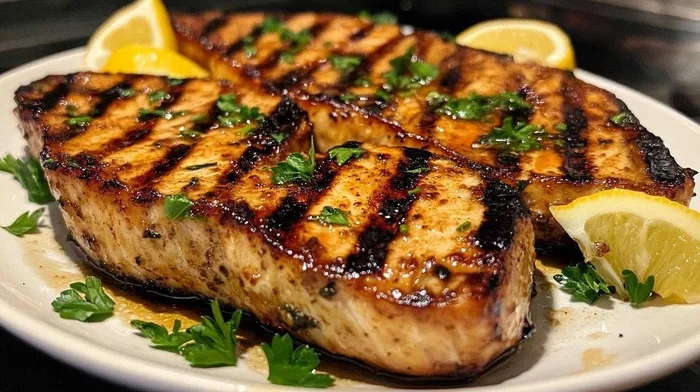
The best swordfish steak recipe combines simple seasoning, high heat, and precise timing for a juicy, restaurant-quality dinner. This guide walks you through every step, from choosing the freshest swordfish to mastering the perfect sear. You will learn pro tips, common mistakes, and variations that make this swordfish steak recipe a weeknight favorite.
There is something special about a perfectly cooked swordfish steak. It is firm, meaty, and full of flavor. Unlike flakier fish, swordfish holds its shape on the pan or grill. This makes it one of the best choices for a swordfish steak recipe at home. Whether you are cooking for a date night or a casual Tuesday dinner, this fish delivers every time.
In this guide, you will find everything you need to make the best swordfish steak you have ever tasted. We will cover how to pick the right fillet, what seasoning to use, and the exact cooking steps. You will also learn quick tips and common mistakes to avoid. By the end, you will feel confident enough to make this swordfish steak recipe your signature dish.
The beauty of this recipe is its simplicity. You do not need fancy ingredients or complicated techniques. A few quality items, a hot pan, and a little patience are all you need. Let us dive in and make your swordfish dinner unforgettable.
Key Takeaways
- Simple Ingredients: A great swordfish steak needs just a few quality ingredients to shine.
- Perfect Sear: High heat and a hot pan create beautiful grill marks and a flavorful crust.
- Resting Matters: Letting the steak rest keeps it juicy and tender after cooking.
- Versatile Recipe: This swordfish steak recipe works on the grill, in a pan, or under the broiler.
- Quick to Make: From prep to plate, this meal comes together in under 30 minutes.
- Healthy and Delicious: Swordfish is packed with protein and omega-3s, making it a nutritious dinner choice.
📑 Table of Contents
Why This Swordfish Steak Recipe Works So Well
Not all fish recipes are created equal. Some require a lot of fuss, while others fall apart on the grill. Swordfish is different. It is a dense, meaty fish that responds well to high heat. This makes it ideal for searing, grilling, or broiling. When you follow a solid swordfish steak recipe, the results are almost guaranteed to be delicious.
The Flavor Profile of Swordfish
Swordfish has a mild, slightly sweet taste. It is not overly fishy, which makes it a crowd-pleaser. The texture is firm and steak-like, which is why it is often compared to a beef steak. When you sear it properly, the outside gets a beautiful golden crust while the inside stays moist and tender.
The natural flavor of swordfish pairs well with many ingredients. Lemon, garlic, fresh herbs, and olive oil all complement it beautifully. This versatility is another reason why a swordfish steak recipe fits into so many meal plans. You can keep it simple or get creative with your seasoning.
Health Benefits of Swordfish
Beyond its taste, swordfish is a healthy choice. It is high in protein and low in fat. A single serving gives you a big boost of omega-3 fatty acids. These are good for your heart, brain, and overall health. It also provides selenium, vitamin D, and B vitamins.
For those watching their calorie intake, swordfish is a great option. A four-ounce cooked swordfish fillet has about 170 calories and 30 grams of protein. This makes it perfect for a light yet satisfying healthy fish recipe. You get a filling meal without the heaviness of red meat.
What You Will Need to Make It
Before you start cooking, gather your ingredients. Having everything ready makes the process smooth and stress-free. Here is what you need for this swordfish steak recipe.
Ingredients for the Perfect Swordfish Steak
- Swordfish steaks: Look for steaks that are at least one inch thick. Thicker cuts hold up better during cooking and stay juicy inside.
- Olive oil: A good quality extra virgin olive oil works best. It adds flavor and helps the seasoning stick to the fish.
- Fresh garlic: Minced garlic adds a savory depth that complements the mild swordfish flavor.
- Lemon: Fresh lemon juice and zest brighten up the dish. Always use fresh lemons instead of bottled juice.
- Fresh herbs: Rosemary, thyme, or parsley all work wonderfully. Fresh herbs give a brighter flavor than dried ones.
- Salt and black pepper: Simple but essential. Season generously for the best flavor.
- Red pepper flakes: Optional, but they add a nice kick of heat if you like a little spice.
Equipment You Will Need
You do not need a lot of equipment for this recipe. A cast iron skillet is the best choice for searing swordfish. It holds heat evenly and creates a beautiful crust. If you prefer grilling, a clean grill grate works just as well. You will also need a spatula, a cutting board, and a sharp knife for prepping.
Make sure your pan or grill is very hot before the fish hits the surface. This is the secret to getting those perfect grill marks and a flavorful sear on your pan seared swordfish.
Step-by-Step Swordfish Steak Recipe
Now for the fun part. Here is the full walkthrough of making the best swordfish steak at home. Follow these steps closely, and you will get fantastic results every time.
Step 1: Prep the Swordfish
Take your swordfish steaks out of the refrigerator about 15 to 20 minutes before cooking. Letting them come to room temperature helps them cook more evenly. Pat the steaks dry with paper towels. This is a crucial step for getting a good sear. Moisture on the surface creates steam, which prevents a crispy crust from forming.
Brush both sides lightly with olive oil. Then season generously with salt, pepper, minced garlic, and a squeeze of fresh lemon juice. If you have time, let the seasoned steaks rest for 10 minutes. This allows the flavors to penetrate the fish.
Step 2: Heat Your Pan or Grill
Place your cast iron skillet over medium-high heat. Let it get really hot before adding the fish. You can test the heat by flicking a few drops of water onto the pan. If they sizzle and evaporate immediately, you are ready.
If you are grilling, preheat your grill to medium-high. Clean the grates well and brush them with a little oil. This prevents the swordfish from sticking and makes it easier to flip.
Step 3: Cook the Swordfish Steak
Place the swordfish steak in the hot pan. Do not move it for about 3 to 4 minutes. Let it sear undisturbed. You will see beautiful golden-brown grill marks form on the bottom. Resist the urge to peek or flip too early.
Flip the steak carefully with a spatula. Cook the other side for another 3 to 4 minutes. The total cooking time depends on the thickness of your steak. For a one-inch thick swordfish steak, about 6 to 8 minutes total works well. Use a meat thermometer to check the internal temperature. The USDA recommends reaching 145 degrees Fahrenheit in the center.
Step 4: Rest and Serve
Remove the swordfish from the heat and let it rest on a plate for 3 to 5 minutes. Resting allows the juices to redistribute throughout the steak. If you cut into it right away, the juices will run out, and the fish will be dry.
While the steak rests, squeeze some fresh lemon juice over the top. Add a sprinkle of fresh herbs and a drizzle of good olive oil. Serve it alongside roasted vegetables, a fresh salad, or a simple side of rice. This swordfish dinner is complete and satisfying in under 30 minutes.
Cooking Methods Compared
There are several ways to cook swordfish steaks. Each method brings out different flavors and textures. Here is a comparison of the most popular techniques for your swordfish steak recipe.
| Method | Best For | Cook Time | Flavor Profile |
|---|---|---|---|
| Pan Seared | Crispy crust, quick weeknight meals | 6 to 8 minutes | Rich, buttery, golden |
| Grilled | Smoky flavor, summer dinners | 6 to 8 minutes | Smoky, charred, outdoor |
| Broiled | Indoor grilling, easy cleanup | 8 to 10 minutes | Lightly charred, caramelized |
| Baked | Hands-off cooking, saucy recipes | 12 to 15 minutes | Moist, tender, infused |
For most home cooks, pan searing is the go-to method. It is fast, easy, and produces stunning results. Grilling adds a wonderful smoky flavor that is hard to beat on a summer evening. Broiling is a great alternative if you do not have access to an outdoor grill. Baking works well when you are cooking swordfish with a sauce or stuffing.
No matter which method you choose, the key is high heat and a watchful eye. Overcooking is the biggest enemy of a good swordfish steak. Keep a close eye on the clock and use a thermometer to check doneness.
Pro Tips for the Perfect Swordfish Steak
Even a simple swordfish steak recipe can be elevated with a few pro tips. These small details make a big difference in the final result.
Buy the Right Swordfish
When shopping for swordfish, look for steaks with a bright, creamy color. The fish should smell fresh, like the ocean, not fishy or ammonia-like. Avoid any steaks that look dull or have a slimy texture. Fresh swordfish makes all the difference in your seared swordfish dish.
Do Not Overcook the Fish
Swordfish can go from perfectly done to dry and tough very quickly. The inside should be opaque and flaky but still moist. If you are unsure, it is better to pull the steak off the heat a little early. The residual heat will continue to cook the fish as it rests.
Let the Fish Rest
As mentioned earlier, resting is essential. Give your swordfish steak a few minutes on the plate before cutting into it. This one simple step keeps the steak juicy and flavorful. It is the same principle that applies to a great steak on the grill.
Experiment with Marinades
A good swordfish marinade can add incredible depth of flavor. Try a Mediterranean-style marinade with olive oil, lemon, capers, and oregano. Or go Asian-inspired with soy sauce, ginger, and sesame oil. Marinating the steak for 20 to 30 minutes before cooking infuses it with extra flavor.
Quick Tips
- Always pat your swordfish dry before seasoning for a better sear.
- Use a cast iron skillet for the most consistent results.
- Let the steak rest at room temperature for 15 minutes before cooking.
- Invest in a good meat thermometer to avoid overcooking.
- Fresh herbs added at the end give the brightest flavor.
Common Mistakes to Avoid
Even experienced cooks can make mistakes with swordfish. Knowing what to avoid will help you get better results every time.
Buying Frozen Swordfish Without Checking Quality
Frozen swordfish can be perfectly fine if it is high quality. However, avoid any frozen steaks that have freezer burn or ice crystals. These are signs of poor storage and can affect the taste and texture. When possible, buy fresh swordfish from a reputable fishmonger.
Cooking the Steak Straight from the Fridge
Cold fish hitting a hot pan cooks unevenly. The outside may overcook while the inside stays cold. Always let your swordfish come to room temperature for about 15 minutes before cooking. This small step leads to a much more evenly cooked swordfish fillet.
Using Too Much Oil or Heat
A thin layer of oil is all you need. Too much oil causes the fish to fry rather than sear. Similarly, if the heat is too low, the swordfish will steam instead of develop a crust. Medium-high heat is the sweet spot for most grilled swordfish and pan-seared steaks.
Cutting Into the Steak Too Soon
We know it is tempting, but do not cut into the swordfish right away. The juices need time to settle. Cutting too early releases all that moisture, leaving you with a drier steak. Trust the process and let it rest for a few minutes.
Expert Insights
Chef Maria Santos, a seafood specialist with over 15 years of experience, shares this advice: “The secret to a great swordfish steak is restraint. Use minimal seasoning, keep the heat high, and do not walk away from the pan. Swordfish rewards simplicity.” She also recommends sourcing swordfish from sustainable fisheries whenever possible, which supports healthy ocean ecosystems and ensures the best quality fish.
Delicious Variations to Try
Once you have mastered the basic swordfish steak recipe, it is fun to try different variations. These twists keep the dish exciting and let you explore new flavor combinations.
Mediterranean Swordfish with Tomatoes and Olives
This variation adds a Mediterranean twist to your swordfish dinner. After searing the steak, set it aside and sauté cherry tomatoes, Kalamata olives, and capers in the same pan. Spoon the mixture over the swordfish and finish with fresh basil. Serve with crusty bread to soak up the flavorful sauce.
Garlic Butter Swordfish
For a richer flavor, make a quick garlic butter sauce. Melt butter in the pan after removing the swordfish. Add minced garlic, a squeeze of lemon, and a pinch of parsley. Spoon this luscious sauce over your seared swordfish just before serving. It is indulgent and absolutely delicious.
Grilled Swordfish with Mango Salsa
This is a perfect summer variation. Grill your swordfish steak and top it with a fresh mango salsa made with diced mango, red onion, cilantro, lime juice, and a touch of jalapeño. The sweet and tangy salsa pairs beautifully with the smoky, charred fish. It is a swordfish steak recipe that feels like a vacation in every bite.
Conclusion
A great swordfish steak recipe does not have to be complicated. With the right ingredients, proper technique, and a little attention, you can create a restaurant-quality meal at home. Swordfish is forgiving, flavorful, and incredibly versatile. It works on the grill, in the pan, or under the broiler.
This guide has given you everything you need to succeed. From choosing the freshest swordfish to mastering the perfect sear, you are now equipped to make a memorable swordfish dinner. Remember to keep it simple, respect the cooking time, and let the steak rest before serving.
Try this swordfish steak recipe this week and see how easy it is to make a delicious, healthy meal that the whole family will love. Once you get the hang of it, you will reach for swordfish again and again. Happy cooking!
Frequently Asked Questions
How long does it take to cook a swordfish steak?
Most swordfish steaks take about 6 to 8 minutes total when pan-seared or grilled. This assumes the steak is about one inch thick. Thicker steaks may need a few extra minutes. Always use a meat thermometer to check that the internal temperature reaches 145 degrees Fahrenheit.
What is the best way to tell if swordfish is cooked?
The best way is to use a meat thermometer. The internal temperature should read 145 degrees Fahrenheit. The fish should also look opaque throughout and flake easily with a fork. If the center still looks translucent, give it another minute or two on the heat.
Can I use frozen swordfish for this recipe?
Yes, you can use frozen swordfish, but thaw it properly first. Place the frozen steaks in the refrigerator overnight to defrost slowly. Avoid thawing swordfish at room temperature, as this can affect the texture and safety. Always pat the fish dry after thawing before cooking.
What goes well with swordfish steak?
Swordfish pairs beautifully with roasted vegetables, quinoa, couscous, or a light rice pilaf. A fresh side salad with lemon vinaigrette also works great. For a Mediterranean feel, try it with a tomato-based sauce and crusty bread. The mild flavor of swordfish complements a wide range of sides.
Is swordfish safe to eat?
Swordfish is generally safe and nutritious when consumed in moderation. However, it does contain mercury, so pregnant women, nursing mothers, and young children should limit their intake. For most adults, eating swordfish once or twice a week is considered safe. Always buy swordfish from reputable sources to ensure quality and sustainability.
Can I add a marinade to the swordfish steak?
Absolutely. A marinade adds extra flavor and can tenderize the fish slightly. A simple marinade of olive oil, lemon juice, garlic, and herbs works perfectly. Marinate the swordfish for 20 to 30 minutes, but no longer than two hours. Acidic marinades left too long can break down the fish and change its texture.


