Steak Cooking Temperature Chart For Perfect Results
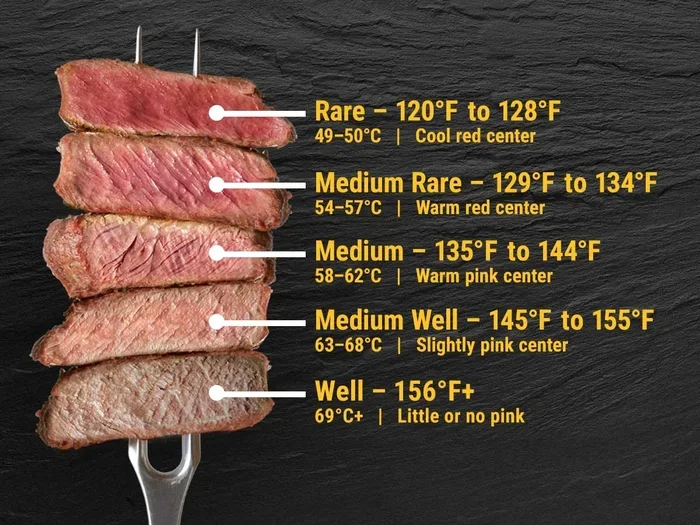
Master the art of cooking steak with our complete steak cooking temperature chart. This guide shows you the exact internal temperatures for every level of doneness, from rare to well done. You will learn how to use a meat thermometer, avoid common mistakes, and get restaurant-quality results at home. Whether you grill, pan-sear, or use the oven, the right temperature makes all the difference.
There is nothing quite like a perfectly cooked steak. The sizzle when it hits the pan. The juicy bite. The flavor that fills the room. But here is the truth many home cooks learn the hard way: steak cooking temperature is everything. A few degrees can mean the difference between a tough, dry piece of meat and one that melts in your mouth.
If you have ever wondered why your steak never tastes like the one you had at that fancy restaurant, the answer is almost always temperature. This steak cooking temperature chart guide will walk you through every temperature, every doneness level, and every method you need to know. By the end, you will never second-guess your steak again.
We will cover everything from rare to well done. We will talk about grilling, pan-searing, and oven finishing. You will also learn how to use a meat thermometer correctly, why resting matters, and what mistakes to avoid. Let us dive in.
Key Takeaways
- Know your temps: Use a steak cooking temperature chart to hit the exact internal temperature for every level of doneness.
- Invest in a meat thermometer: It is the single best tool for consistent, perfect steak results every time.
- Rest your steak: Always let steak rest for 5-10 minutes after cooking to lock in juices.
- Avoid common mistakes: Don’t press the steak with a spatula, skip the thermometer, or cut too early.
- Adjust for thickness: Thicker steaks need lower heat and longer cooking times for even results.
- Try the reverse sear: This method gives you a perfect crust and evenly cooked interior.
📑 Table of Contents
Why Steak Temperature Matters So Much
Temperature is the single most important factor when cooking steak. It controls everything: texture, juiciness, flavor, and even safety. When you understand steak temperatures, you take control of your cooking. You stop relying on guesswork and start relying on science.
The Science Behind Steak Doneness
When heat hits a steak, the proteins inside begin to change. At lower temperatures, the meat stays soft and juicy. As the temperature rises, the proteins tighten and squeeze out moisture. This is why a medium rare steak feels so different from a well done steak. The more you cook, the drier and tougher it gets.
Here is a simple way to think about it:
- Rare: The proteins are barely changed. The steak is cool red in the center.
- Medium Rare: The proteins have started to set but plenty of juice remains.
- Medium: More proteins have tightened. The steak is pink with some firmness.
- Medium Well: Most proteins are set. Very little pink remains.
- Well Done: All proteins are fully tightened. The steak is gray throughout and dry.
This is why a steak cooking temperature chart is so valuable. It gives you a clear target to aim for every single time.
How Thickness Affects Cooking Temperature
Not all steaks are the same thickness. A thin skirt steak behaves very differently from a thick ribeye. Steak thickness matters because it determines how long heat needs to reach the center. A thin steak can go from raw to overcooked in seconds. A thick steak gives you more room for error.
As a general rule, steaks that are at least 1.5 inches thick are the easiest to cook properly. They allow you to build a great crust on the outside while keeping the inside at your desired steak doneness. If your steak is thinner than an inch, you need to watch the temperature very closely.
The Steak Cooking Temperature Chart
This is the heart of the guide. The steak cooking temperature chart below shows the exact internal temperatures for every level of doneness. Use it as your go-to reference whenever you cook steak.
Remember these temperatures are for the final internal temperature after cooking. Always measure at the thickest part of the steak, away from the bone or fat.
Temperature Chart by Doneness Level
- Rare: 120-125°F (49-52°C). Cool red center. Very soft texture.
- Medium Rare: 130-135°F (54-57°C). Warm red center. Juicy and tender.
- Medium: 140-145°F (60-63°C). Pink center. Slightly firm but moist.
- Medium Well: 150-155°F (66-68°C). Slight hint of pink. Firmer texture.
- Well Done: 160°F and above (71°C+). No pink. Dry and fully cooked through.
Understanding Carryover Cooking
One of the most important things to know is that your steak’s temperature will rise after you take it off the heat. This is called carryover cooking. The residual heat continues to cook the steak as it rests. For a thick steak, the temperature can rise by 5-10 degrees after removing it from the heat source.
This means you should pull your steak off the heat a few degrees before it reaches your target steak internal temp. If you want a medium rare steak at 135°F, pull it off at around 130°F. It will reach the perfect temperature while resting.
Steak Surface Temperature vs Internal Temperature
It is also important to understand the difference between surface temperature and internal temperature. When you sear a steak, the outside can reach 500°F or more. But the inside might only be 130°F. The meat thermometer reads the internal temperature, which is what determines doneness. Always insert the probe into the center of the thickest part for an accurate reading.
How to Use a Meat Thermometer Correctly
A meat thermometer is the best tool you can own for cooking steak. It takes all the guesswork out of the process. But you need to use it correctly to get accurate results.
Types of Meat Thermometers
Not all thermometers are the same. Here are the main types you will encounter:
- Instant-Read Thermometers: Give you a reading in about 10 seconds. Great for checking temperature at the end of cooking.
- Leave-In Thermometers: Stay in the steak throughout cooking. Best for grilling or oven roasting.
- Wireless Thermometers: Send temperature readings to your phone. Perfect for hands-off grilling.
- Digital Probe Thermometers: Fast and accurate. The go-to choice for most home cooks.
Where to Insert the Thermometer
Insert the probe into the thickest part of the steak. Avoid touching bone, fat, or the pan surface, as these give false readings. For a pan seared steak, check the temperature from the top or side, not the bottom. Make sure the probe reaches the center of the meat for the most accurate steak surface temperature reading.
When to Check the Temperature
Do not keep poking the steak with the thermometer. Every time you make a hole, juices escape. Check the temperature only when you think the steak is close to done. For thick steaks, start checking about 5 minutes before you expect it to be ready. Use the steak cooking temperature chart as your guide.
Cooking Methods and Their Temperature Targets
Different cooking methods require different approaches to temperature control. Here is how each method works with the steak cooking temperature chart.
Grilling Steak Temperatures
Grilling is one of the most popular ways to cook steak. The high direct heat from charcoal or gas creates a beautiful crust. When grilling, you want a hot grill surface, usually around 450-500°F. The grill temperature on the surface is much higher than the internal temperature of the steak.
For a great grilled steak:
- Preheat your grill on high for at least 15 minutes.
- Sear the steak over direct heat for 2-3 minutes per side.
- Move to indirect heat if the steak is thick and needs more time.
- Use the meat thermometer to check the internal temperature regularly.
- Pull the steak off when it is 5 degrees below your target temperature.
Pan-Searing Steak Temperatures
Pan seared steak is a classic method that delivers incredible flavor. You need a hot cast iron skillet or stainless steel pan. The key is getting the pan ripping hot before the steak goes in.
For the best pan-seared steak:
- Heat the pan over high heat until it is smoking hot.
- Add a high smoke-point oil like avocado or grapeseed oil.
- Sear for 2-3 minutes per side to build a deep brown crust.
- For thick steaks, finish in a 400°F oven after searing.
- Use the steak cooking temperature chart to monitor the internal temp as it cooks in the oven.
Reverse Sear Method
The reverse sear method is a game-changer for thick steaks. Instead of searing first, you cook the steak low and slow in the oven until it reaches about 10-15 degrees below your target steak internal temp. Then you sear it hard in a hot pan for 1-2 minutes per side.
This method gives you the most even steak doneness from edge to edge. There is no gray band of overcooked meat. The result is a steak with a perfect crust and a perfectly even pink center.
Common Mistakes When Cooking Steak
Even experienced cooks make mistakes. Here are the most common ones and how to avoid them.
Not Using a Thermometer
The biggest mistake is guessing doneness by touch or time. The finger test is unreliable. Time on the stove varies based on heat source, pan material, and steak thickness. A meat thermometer removes all guesswork. It is the single most important tool for consistent results.
Skipping the Rest Period
Many people cut into their steak the moment it comes off the heat. This is a mistake. When you cut into a hot steak, the juices run out onto the cutting board instead of staying in the meat. Always let your steak rest for at least 5-10 minutes after cooking. This allows the juices to redistribute throughout the meat.
Cooking from Cold
Putting a cold steak straight from the fridge onto a hot grill or pan leads to uneven cooking. The outside overcooks before the inside reaches the right temperature. Take your steak out of the fridge 30-40 minutes before cooking. This lets it come closer to room temperature for more even results.
Pressing the Steak with a Spatula
Never press down on your steak with a spatula while it cooks. You are squeezing out all those precious juices. Let the steak cook untouched on one side until it releases naturally from the pan. Then flip it once.
Pro Tips for Perfect Steak Every Time
Here are some expert tips that will elevate your steak game immediately.
Salt Early, Salt Smart
Salt your steak at least 40 minutes before cooking, or right before you put it on the heat. Salting early draws out moisture, which then gets reabsorbed into the meat. This creates a deeper, more seasoned flavor throughout the steak. If you only have a few minutes, salt right before cooking. It is still better than not salting at all.
Let the Steak Come to Room Temperature
As mentioned above, taking the steak out of the fridge 30-40 minutes before cooking helps it cook more evenly. This small step makes a big difference in your final result. The steak cooking temperature chart works best when the steak starts from a more even temperature throughout.
Use the Right Oil
Do not use olive oil for high-heat searing. It has a low smoke point and will burn. Use avocado oil, grapeseed oil, or vegetable oil instead. These oils can handle the high heat needed for a great sear without smoking or burning.
Know Your Cut
Different cuts of beef have different ideal cooking temperatures. A tender filet mignon can handle higher heat and shorter cooking times. A tougher cut like flank steak benefits from lower temperatures and longer cooking. Understanding your beef steak temperatures by cut helps you choose the right method.
Keep a Cooking Log
Every time you cook steak, write down what you did and how it turned out. Note the temperature, the time, the method, and the result. Over time, you will build a personal reference that tells you exactly what works best for your stove, your grill, and your preferences. This is how you truly master the steak cooking temperature chart.
Frequently Asked Questions
What is the best temperature for steak?
The best temperature depends on your preference. Most steak lovers prefer medium rare at 130-135°F because it offers the best balance of juiciness and flavor. Medium rare steak is tender, juicy, and full of beef flavor. However, if you prefer a different level of doneness, the steak cooking temperature chart gives you every option.
How long should I rest my steak after cooking?
Rest your steak for at least 5-10 minutes after cooking. For thicker steaks, 10 minutes is ideal. During this time, the juices redistribute throughout the meat, making every bite moist and flavorful. Cutting too early causes all those juices to escape onto the plate instead of staying in the steak.
Can I use the steak cooking temperature chart for all types of steak?
Yes, the steak cooking temperature chart works for all cuts of beef steak. Whether you are cooking ribeye, filet mignon, New York strip, T-bone, or flank steak, the same internal temperature ranges apply. The only difference is the cooking method and time, which vary based on thickness and fat content.
What is carryover cooking and why does it matter?
Carryover cooking is the rise in temperature that happens after you remove the steak from the heat source. The residual heat continues to cook the steak as it rests. For thick steaks, this can add 5-10 degrees. This is why you should pull the steak off the heat 5 degrees before your target steak doneness temperature.
Do I need a meat thermometer to cook steak?
While you can cook steak without a thermometer, using one dramatically improves your results. A meat thermometer takes the guesswork out of the process and helps you hit the exact steak internal temp you want every time. It is especially helpful for thick steaks where timing alone is unreliable.
How does steak thickness affect cooking temperature?
Steak thickness affects how long it takes for heat to reach the center. Thicker steaks need lower heat and longer cooking times for even results. A thick steak also has more carryover cooking, so you need to pull it off the heat earlier. Always use the steak cooking temperature chart as your guide, and adjust your timing based on thickness.
Conclusion
Cooking the perfect steak is not about luck. It is about knowledge, technique, and the right tools. The steak cooking temperature chart is your roadmap to steak perfection. When you know the exact temperatures for each level of doneness, you remove all the guesswork from the equation.
Use a meat thermometer every time. Respect the steak internal temp numbers. Let your steak rest before cutting. And avoid the common mistakes that ruin otherwise great steaks. With practice and these guidelines, you will consistently cook steaks that rival any restaurant.
Start with the chart. Experiment with different methods. Find your favorite level of doneness and the technique that works best for you. The more you cook, the more intuitive it becomes. Soon, you will not even need the chart anymore because you will just know. And that is when you truly become a steak master.
So fire up your grill, heat your cast iron skillet, and put this steak cooking temperature chart to work. Your perfect steak is waiting.