Signs of Engine Overheating
Recognizing the signs of engine overheating early can save you from costly repairs and dangerous breakdowns. From a rising temperature gauge to steam billowing from the hood, your vehicle gives clear warnings before disaster strikes. This guide covers every symptom, cause, and fix you need to know to stay safe on the road.
Your car engine runs hot. Really hot. We are talking thousands of degrees Fahrenheit inside those metal cylinders. And yet, most of us take for granted that our vehicles will just keep running without a hitch. The truth is, engines overheat more often than you might think, and the warning signs are there if you know what to look for.
Ignoring the signs of engine overheating can lead to blown head gaskets, cracked engine blocks, and repairs that cost thousands of dollars. Worse yet, an overheating engine on the highway can become a safety hazard. Whether you are driving a brand-new car or an older model, understanding what your vehicle is telling you could save you a lot of money and stress.
In this article, we walk you through every sign your engine gives when it is running too hot. We also cover what causes overheating, how to respond in the moment, and tips to prevent it from happening again. Consider this your go-to guide for keeping your engine cool and your car running strong.
Key Takeaways
- Temperature gauge spikes: A rising needle on your dashboard is the first and most obvious sign your engine is overheating.
- Steam or smoke from the hood: Visible steam means your coolant has likely boiled and needs immediate attention.
- Unusual smells: Sweet coolant odors or burning rubber indicate specific cooling system problems.
- Loss of power: An overheating engine struggles to perform and may misfire or stall.
- Coolant leaks: Puddles under your car or a dropping coolant level signal a serious system issue.
- Hot hood: An unusually hot engine bay when you touch it is a clear danger sign.
- Act fast: Pull over safely, turn off the engine, and seek help to prevent permanent engine damage.
📑 Table of Contents
What Is Engine Overheating?
Engine overheating happens when your car’s internal temperature rises beyond what the cooling system can handle. Every engine has a normal operating temperature range, usually between 195 and 220 degrees Fahrenheit. When the temperature climbs past this range, things start to go wrong fast.
Your cooling system does the heavy lifting here. It uses a mix of water and coolant, a radiator, a water pump, and a thermostat to keep things at a safe level. When any part of this system fails, heat builds up with nowhere to go. The result is an overheating engine that can cause serious internal damage if you do not address it quickly.
The Top Signs of Engine Overheating
Your car does not just shut down and call it a day when it overheats. It sends you signals first. The key is knowing what those signals look and feel like. Here are the most common signs of engine overheating you should never ignore.
1. Temperature Gauge Reading High
Your dashboard has a temperature gauge for a reason. It tells you exactly how hot your engine is running at any given moment. When the needle starts climbing into the red zone, that is your first warning sign. Some modern cars also display a digital warning or a red engine temperature light on the dashboard.
Do not wait for the needle to hit the top. If you notice it creeping into the upper range, pull over and check things out. A high reading even for a few minutes can start causing damage to internal engine parts.
2. Steam or Smoke Coming From Under the Hood
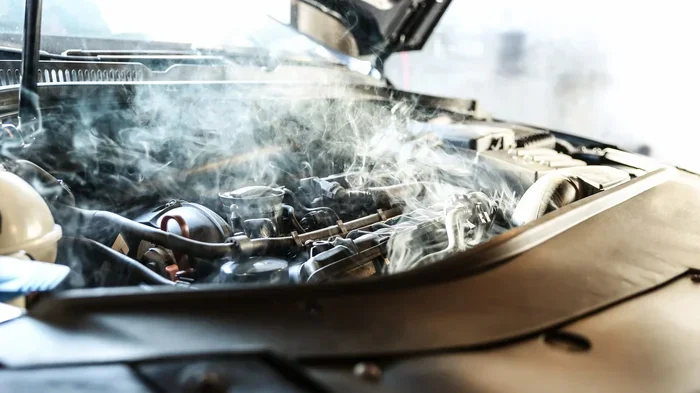
This is probably the most dramatic and unmistakable sign. When you see steam or white smoke billowing from under your hood, your coolant has likely boiled over. The pressurized cooling system cannot hold the liquid anymore, so it escapes as steam.
Do not pop the hood immediately. The steam is extremely hot and can cause burns. Pull over to a safe spot, turn off the engine, and wait at least 15 to 20 minutes before opening anything. Once the engine cools, you can check the coolant reservoir and look for leaks.
3. Unusual Smells From the Engine Bay
Your nose can be a powerful tool when it comes to spotting engine trouble. A sweet, syrupy smell often means coolant is leaking and hitting hot engine parts. This is a common sign of a coolant system issue. On the other hand, a burning or acrid smell might mean oil is leaking onto a hot surface or a belt is slipping and melting.
Either way, unusual smells from under the hood should never be ignored. They are early warning signals that something in your cooling or lubrication system is not working as it should.
4. Coolant Leaks Under the Car
If you notice a puddle of green, orange, or pink fluid under your car after parking, that is likely a coolant leak. Low coolant levels are one of the leading causes of engine overheating. The coolant can escape from a cracked hose, a damaged radiator, a faulty water pump, or a leaking radiator cap.
Check your coolant reservoir regularly. If the level drops frequently, you have a leak somewhere in the system. Catching this early can prevent your engine from overheating and suffering severe damage.
5. Hot Hood That Feels Unusually Warm
Your engine bay will always be warm when the car is running. But there is a difference between normal warmth and dangerous heat. If you can barely hold your hand near the hood, or if the heat feels intense even after a short drive, something is wrong.
A hot hood often means the cooling system is not doing its job. It could be a failing radiator fan, a blocked radiator, or low coolant levels. This sign often comes with other symptoms, so pay close attention to what else your car is telling you.
6. Loss of Engine Power or Misfiring
When an engine overheats, it starts to struggle. You might notice a loss of power when you hit the gas, or the engine might misfire and run rough. This happens because the extreme heat affects the combustion process inside the cylinders.
In severe cases, the engine might stall completely. If you experience a sudden loss of power while driving, pull over safely and turn off the engine. Continuing to drive on an overheating engine can cause the pistons to seize or the head gasket to fail.
7. Thumping or Knocking Noises
An overheating engine can produce strange sounds. A thumping or knocking noise often comes from the engine block when the coolant boils and creates air pockets. These air pockets prevent proper cooling and cause metal parts to knock against each other.
This is a serious sign. It means the engine has been overheating for a while and internal components may already be damaged. Stop driving immediately and call for roadside assistance.
What Causes an Engine to Overheat?
Knowing the signs is only half the battle. Understanding what causes engine overheating helps you prevent it from happening in the first place. Here are the most common culprits.
Low Coolant Levels
This is the number one cause of engine overheating. Coolant absorbs heat from the engine and carries it to the radiator where it cools down. If your coolant level is low, there is not enough fluid to do this job. Leaks in hoses, the radiator, the water pump, or the head gasket can all cause coolant loss over time.
Make it a habit to check your coolant level during routine maintenance. Most cars have a transparent reservoir that lets you see the fluid level without even opening the hood.
Thermostat Failure
The thermostat controls how much coolant flows through the engine. When it gets too hot, the thermostat opens to let coolant circulate. When it gets too cool, it closes to let the engine warm up. A stuck thermostat that refuses to open will cause the engine to overheat quickly.
Thermostat failure is common in older vehicles but can happen in any car. Replacing a thermostat is relatively inexpensive compared to the damage a stuck one can cause.
Radiator Problems
The radiator is the heart of your cooling system. It releases heat from the coolant into the air. If the radiator gets clogged, damaged, or develops leaks, it cannot do its job properly. A clogged radiator is especially common in older cars or vehicles that have not had regular coolant flushes.
Radiator fans also play a big role. These fans pull air through the radiator to cool the coolant when the car is moving slowly or idling. If the fan motor fails, your engine can overheat even on a mild day.
Water Pump Failure
The water pump circulates coolant through the engine and radiator. When it fails, coolant stops moving, and heat builds up fast. Water pump failure can result from a worn belt, a corroded impeller, or simply age and mileage.
Most water pumps last around 60,000 to 90,000 miles, but they can fail earlier. Listen for whining noises near the front of the engine, which can be an early sign of water pump trouble.
Broken or Slipping Drive Belts
Your engine uses serpentine belts to power the water pump and other accessories. If a belt breaks or slips, the water pump stops working and the engine overheats. A squealing noise from the engine bay is often the first clue that a belt is failing.
Regular belt inspections during oil changes can catch wear and tear before it leads to a breakdown. Replacing a belt is cheap and easy compared to repairing an overheated engine.
Head Gasket Failure
The head gasket sits between the engine block and the cylinder head. It keeps coolant and oil from mixing while maintaining proper compression. When a head gasket fails, coolant can leak into the cylinders or oil passages, causing overheating and serious engine damage.
Head gasket failure is often the result of prolonged overheating. Once the gasket fails, the engine can overheat even more, creating a dangerous cycle. This is one of the most expensive repairs a car owner can face.
What to Do When Your Engine Overheats
So your engine is overheating right now. What do you do? Stay calm and follow these steps to protect yourself and your vehicle.
- Turn off the air conditioning. The A/C puts extra strain on the engine. Turning it off helps reduce the heat load immediately.
- Turn on the heater. This might feel counterintuitive, but the heater core acts as a secondary radiator and pulls heat away from the engine.
- Pull over safely. Find a safe spot off the road and turn off the engine. Do not keep driving.
- Do not open the hood right away. Wait at least 15 minutes for the steam to dissipate and the engine to cool.
- Check the coolant level. Once cooled, carefully open the reservoir cap and check the coolant level. If it is low, you can add a mix of water and coolant.
- Call for help. If the problem persists or you cannot identify the cause, call a tow truck or roadside assistance. Driving an overheating engine can cause catastrophic damage.
How to Prevent Engine Overheating
Prevention is always better than cure, and this is especially true when it comes to your engine. Here are simple steps you can take to keep your engine running at a safe temperature.
- Check coolant levels regularly. Make this part of your monthly car care routine. Top off as needed with the correct coolant type for your vehicle.
- Flush and replace coolant on schedule. Old coolant loses its effectiveness over time. Most manufacturers recommend a flush every 30,000 to 50,000 miles.
- Inspect hoses and belts. Look for cracks, bulges, or soft spots in coolant hoses. Check belts for fraying or looseness.
- Monitor the temperature gauge. Keep an eye on your gauge while driving. If it starts climbing, take action immediately.
- Keep the radiator clean. Debris like leaves and bugs can block airflow through the radiator. Clean the front of the radiator regularly.
- Address leaks promptly. Even small coolant leaks can lead to overheating over time. Fix them as soon as you notice them.
- Get regular maintenance. Routine oil changes and system inspections help catch small problems before they become big, expensive ones.
Taking these preventive steps can extend the life of your engine significantly. Many overheating problems are entirely avoidable with a little attention and regular care.
How Much Does It Cost to Fix an Overheating Engine?
The cost of repairing an overheated engine varies widely depending on the damage. Here is a quick breakdown of common repair costs.
| Repair | Estimated Cost Range |
|---|---|
| Thermostat Replacement | $150 – $300 |
| Water Pump Replacement | $300 – $750 |
| Radiator Repair or Replacement | $300 – $900 |
| Head Gasket Replacement | $1,000 – $2,500 |
| Engine Block Repair (Crack) | $1,500 – $4,000+ |
As you can see, the cost goes up dramatically the longer you ignore the problem. A simple thermostat replacement costs a few hundred dollars. But a blown head gasket or cracked engine block can cost thousands. The message is clear: address overheating signs early to save money and avoid a total engine replacement.
When to See a Professional
Some overheating issues you can handle yourself, like topping off coolant or replacing a belt. But other situations call for a trained mechanic. If you notice any of these signs, it is time to seek professional help:
- The engine overheats repeatedly even after you add coolant.
- You see steam or smoke coming from the engine bay while driving.
- The temperature gauge stays in the red zone despite turning off the A/C and using the heater.
- You notice a mix of oil and coolant, which may indicate a head gasket failure.
- The car stalls or refuses to start after overheating.
A professional mechanic can run diagnostic tests, pressure-check the cooling system, and identify hidden problems you cannot see from under the hood. Do not hesitate to get expert help when the situation feels beyond your control.
Remember, your engine is the heart of your vehicle. Taking care of overheating issues quickly and proactively keeps your car running smoothly for years to come. Stay alert, stay informed, and never ignore the warning signs your car gives you.
Explore More on Our Site
At our site, we cover a wide range of topics to help you stay informed about your vehicle and your health. If you are interested in staying active while dealing with car maintenance downtime, check out our article on treadmill costs for home fitness options. We also have a guide on treadmill dimensions to help you find the right fit for your space. For those wondering about vehicle specifics, our piece on Planet Fitness treadmills explores commercial-grade equipment you might encounter at the gym.
Conclusion
The signs of engine overheating are your car’s way of telling you something is wrong. A rising temperature gauge, steam from the hood, unusual smells, coolant leaks, and loss of power are all clear warnings that demand your attention. Ignoring these signs can lead to expensive repairs, dangerous breakdowns, and even total engine failure.
The good news is that most overheating problems are preventable with regular maintenance and a watchful eye. Check your coolant levels, inspect your hoses and belts, and never let your temperature gauge climb into the red zone for too long. When you do notice signs of trouble, act quickly and follow the steps outlined in this guide.
Your engine works hard for you every day. Give it the care and attention it deserves, and it will keep running strong for miles to come. Stay safe, stay informed, and never underestimate the power of paying attention to what your car is trying to tell you.
Frequently Asked Questions
Can I keep driving if my engine is overheating?
No, you should not keep driving if your engine is overheating. Continuing to drive can cause permanent damage to the engine block, head gasket, and pistons. Pull over safely, turn off the engine, and wait for it to cool before checking the coolant level or calling for roadside assistance.
How long can an engine run before it is damaged from overheating?
Most engines can sustain damage within 30 to 60 seconds of running at extreme overheating temperatures. Even a few minutes of driving with a high temperature gauge can cause the head gasket to fail or the engine block to crack. The sooner you address overheating, the better your chances of avoiding costly repairs.
What is the most common cause of engine overheating?
The most common cause is a low coolant level, usually due to a leak in the cooling system. Other frequent causes include a faulty thermostat, a broken radiator fan, a failing water pump, or a damaged drive belt. Regular maintenance and coolant checks can prevent most of these issues.
Is it safe to add coolant while the engine is hot?
No, it is not safe to add coolant to a hot engine. The cooling system is pressurized, and opening the cap while the engine is hot can cause hot coolant to spray out and cause severe burns. Always wait at least 15 to 20 minutes for the engine to cool before adding coolant.
Can low oil cause an engine to overheat?
Yes, low oil can contribute to engine overheating. Oil lubricates engine parts and helps carry away heat. When oil levels are low, friction increases and heat builds up faster. While oil issues are not the most common cause of overheating, they can definitely make the problem worse.
How much does it cost to fix an overheated engine?
The cost depends entirely on the damage. A simple thermostat replacement might cost $150 to $300, while a head gasket repair can run $1,000 to $2,500 or more. A cracked engine block can cost $1,500 to $4,000 or require a full engine replacement. Addressing overheating signs early is the best way to keep repair costs low.