How Many Minutes Per Pound Should You Roast Pork Loin
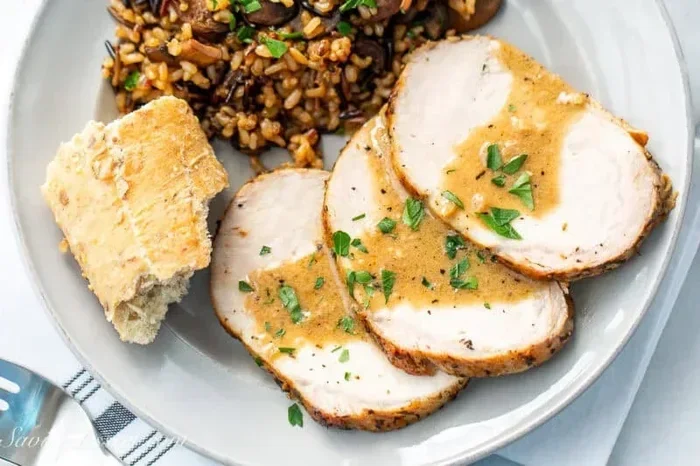
Roasting pork loin takes about 25 to 30 minutes per pound at 375°F for a perfectly juicy result. The internal temperature should reach 145°F for safe eating. This guide covers timing, temperature, seasoning, and carving tips so you can roast pork loin like a pro with confidence every single time.
Roast pork loin is one of the most satisfying meals you can make at home. It is tender, juicy, and perfect for family dinners or special occasions. But here is the question that trips up so many home cooks: how many minutes per pound should you roast pork loin?
The answer is not as simple as one number. Several factors change the cooking time. These include the oven temperature, whether the pork loin is bone-in or boneless, and your starting meat temperature. But do not worry. By the end of this guide, you will know exactly how long to roast pork loin per pound. You will also learn the best temperature, seasoning tips, and how to avoid common mistakes.
Roast pork loin timing is the foundation of a great meal. Get this right, and everything else falls into place. The meat comes out moist, the outside turns golden, and your family will ask for seconds. Let us dive into the details so you can roast pork loin with total confidence.
Key Takeaways
- Plan for 25 to 30 minutes per pound at 375°F for a standard roast pork loin.
- Always use a meat thermometer to check that the internal temperature hits 145°F.
- Let the roast rest for 10 to 15 minutes after cooking to lock in juicy juices.
- Boneless pork loin cooks faster than bone-in cuts, so adjust your timing accordingly.
- Season generously with herbs, garlic, and salt for maximum flavor.
- Avoid overcooking by pulling the pork loin off heat at the right moment.
📑 Table of Contents
- The Basic Rule for Roast Pork Loin Timing
- How Long to Roast Pork Loin Per Pound
- Pork Loin Cooking Temperature Guide
- Tips for Perfect Roast Pork Loin Every Time
- Common Mistakes When Roasting Pork Loin
- How to Serve and Carve Roast Pork Loin
- Nutrition and Health Benefits of Pork Loin
- Frequently Asked Questions
- Conclusion
The Basic Rule for Roast Pork Loin Timing
The general rule of thumb is simple. Plan for 25 to 30 minutes per pound at 375°F. This works for most standard pork loin roasts. But this is just a starting point. The actual time can shift based on a few key variables.
Here is what affects the cooking time for roast pork loin:
- Oven temperature: Higher temperatures cook faster but may brown the outside more.
- Bone-in vs. boneless: Bone-in pork loin takes a bit longer because the bone slows heat transfer.
- Starting temperature: A cold pork loin straight from the fridge takes longer than one at room temperature.
- Oven accuracy: Every oven is different. Some run hot, some run cold.
- Shape of the roast: A thicker roast takes more time than a thinner one.
These variables mean that pork loin roast time per pound is really a range, not a fixed number. That is why a meat thermometer is your best friend in the kitchen. It takes the guesswork out entirely.
Why the Range Matters
Some recipes say 20 minutes per pound. Others say 35. The truth is, both can be correct depending on the method. A slow roast at 325°F might take closer to 35 minutes per pound. A hotter oven at 400°F could finish in 20 minutes per pound. The key is knowing your oven and using a thermometer to check doneness.
How Long to Roast Pork Loin Per Pound
Let us break this down into easy-to-follow scenarios. This way, you can pick the method that works best for your schedule and kitchen setup.
Standard Method: 375°F
At 375°F, plan for 25 to 30 minutes per pound. This is the most popular temperature for roasting pork loin. It gives you a nice golden crust on the outside while keeping the inside moist and tender.
For example, a 3-pound pork loin would take about 75 to 90 minutes. A 5-pound roast would need roughly 2 to 2.5 hours. These are ballpark figures. Always check the internal temperature before serving.
Low and Slow Method: 325°F
If you prefer a slower roast, 325°F is a great option. At this temperature, plan for 30 to 35 minutes per pound. The low and slow approach gives you a more even cook and a deeper flavor. It also reduces the risk of the outside drying out before the inside is done.
This method works especially well for bone-in pork loin. The bone acts as an insulator, and the lower heat gives it more time to cook through evenly.
High Heat Method: 425°F
For a faster cook with a crispy, caramelized crust, try 425°F. At this temperature, pork loin per pound cooking time drops to about 20 to 25 minutes. The high heat sears the outside quickly, locking in moisture.
However, this method requires more attention. You need to watch the roast closely to avoid overcooking. It is best for smaller roasts under 4 pounds.
Pork Loin Cooking Temperature Guide
Timing matters, but temperature matters even more. The USDA recommends cooking pork to an internal temperature of 145°F followed by a 3-minute rest. This is the safe temperature for pork loin. It ensures the meat is cooked through but still juicy.
Here is a quick reference for pork loin temperatures:
- 145°F: Safe and slightly pink in the center. This is the USDA-recommended temperature.
- 150°F to 155°F: A touch more done. Still moist but firmer texture.
- 160°F and above: Well done. The meat will be drier and less tender.
Most experts agree that 145°F is the sweet spot for roast pork loin. It keeps the meat tender and flavorful. Pull the roast off the heat when the thermometer reads about 5 degrees below your target. The temperature will rise during the resting phase.
This carryover cooking is important. It means the pork loin continues to cook after you take it out of the oven. So if you pull it at 140°F, it will reach 145°F during the rest. This simple trick makes a big difference in the final result.
Using a Meat Thermometer
A digital meat thermometer is the single best tool for roasting pork loin. Insert it into the thickest part of the roast, away from the bone if there is one. Check the temperature in at least two spots for accuracy.
Do not rely on the oven timer alone. Ovens vary, and every roast is different. The thermometer takes the guesswork out and gives you peace of mind.
Tips for Perfect Roast Pork Loin Every Time
Roasting pork loin is easy once you know a few pro tips. These simple steps take your roast from good to outstanding.
1. Bring the Meat to Room Temperature
Take the pork loin out of the fridge 30 to 45 minutes before cooking. This lets it cook more evenly. A cold roast going into a hot oven creates uneven results. The outside overcooks while the inside is still cold.
2. Season Generously
Do not be shy with your seasoning. A simple mix of salt, black pepper, garlic powder, and paprika works wonders. You can also add fresh herbs like rosemary and thyme for extra flavor.
Rub the seasoning all over the pork loin, including underneath any netting or skin. The more surface contact, the more flavor you get.
3. Sear Before Roasting
For an extra flavorful crust, sear the pork loin in a hot skillet with a little oil before roasting. This step browns the outside and adds a delicious caramelized flavor. It only takes about 2 to 3 minutes per side.
4. Add Liquid to the Pan
Pour a cup of chicken broth, white wine, or water into the bottom of the roasting pan. This creates steam that keeps the pork loin moist. It also makes cleanup easier by preventing drippings from burning.
5. Rest the Roast Properly
Once the pork loin is done, let it rest for 10 to 15 minutes before slicing. This lets the juices redistribute throughout the meat. If you cut too early, the juices run out and the meat dries out.
Cover the roast loosely with aluminum foil during resting. This keeps it warm without trapping too much steam, which could make the crust soggy.
6. Save the Drippings
The juices left in the roasting pan make an amazing gravy. Simply pour them into a saucepan, add a little broth, and simmer until thickened. Pour this over sliced pork loin for a restaurant-quality finish.
Common Mistakes When Roasting Pork Loin
Even experienced cooks make mistakes with pork loin. Here are the most common ones and how to avoid them.
Overcooking the Roast
This is the number one mistake. Pork loin is a lean cut of meat. It does not have much fat to keep it moist. Overcooking by even 10 minutes can turn a tender roast into dry, tough meat.
The fix is simple. Use a meat thermometer and pull the roast early. Remember the carryover cooking effect. The pork loin continues to cook after you take it out of the oven.
Skipping the Rest
Cutting into the roast right away is tempting. But this releases all the juices onto the cutting board instead of staying in the meat. Give it at least 10 minutes of rest. Your patience will be rewarded with a juicier, more flavorful roast.
Not Seasoning Enough
Pork loin has a mild flavor. It needs seasoning to shine. A light sprinkle of salt is not enough. Be generous with your spices and herbs. The outside of the roast is where most of the flavor lives, so coat it well.
Ignoring the Oven Hot Spots
Most ovens have hot spots that cook unevenly. If you notice one side of the roast browning faster, rotate the pan halfway through cooking. This simple step ensures even cooking on all sides.
How to Serve and Carve Roast Pork Loin
Carving roast pork loin properly makes a big difference in presentation and texture. Here is how to do it right.
First, identify the direction of the grain. The grain is the direction of the muscle fibers. You want to slice against the grain for the most tender bite. This shortens the muscle fibers and makes each slice easier to chew.
Cut slices about 1/2 inch thick. This thickness is perfect for pork loin. It is thin enough to be tender but thick enough to hold together on the plate.
Serve the sliced pork loin with the pan drippings or a simple apple sauce on the side. Roasted apples, mashed potatoes, and green beans all make great companions to a juicy roast pork loin.
If you are tracking your calorie intake, a 3-ounce serving of roasted pork loin has about 150 to 170 calories. It is a lean protein choice that fits well into most healthy eating plans. For those who also enjoy staying active, a 30-minute session on the elliptical can burn a similar number of calories, making pork loin a satisfying part of a balanced lifestyle.
Nutrition and Health Benefits of Pork Loin
Pork loin is a fantastic source of lean protein. A 3-ounce serving provides about 22 grams of protein with relatively low fat. It is also rich in B vitamins, especially B1, B6, and niacin, which support energy metabolism and brain function.
Pork loin also provides important minerals like zinc, selenium, and phosphorus. These nutrients support immune function, thyroid health, and bone strength. It is a nutrient-dense meat that delivers a lot of nutrition per calorie.
For those who enjoy staying active, pairing a nutritious meal like roasted pork loin with regular exercise creates a balanced lifestyle. Activities like jumping rope are excellent for cardiovascular health. In fact, a 10-minute jump rope session can burn a significant number of calories, and learning how many calories 10 minutes of jump rope burns can help you plan your fitness routine alongside healthy meals like pork loin.
Serving Suggestions for a Balanced Meal
Roast pork loin pairs well with a variety of sides. Here are some ideas for a complete, balanced meal:
- Roasted vegetables: Carrots, Brussels sprouts, and sweet potatoes roast beautifully alongside pork.
- Mashed potatoes: A classic comfort food that complements the savory pork flavor.
- Fresh salad: A light green salad with apple slices and walnuts adds a nice contrast.
- Crusty bread: Perfect for soaking up the pan drippings and gravy.
For those who track their fitness and nutrition together, understanding how different activities burn calories can help you plan your meals. If you are curious about the energy expenditure from various exercises, checking out how many calories jump rope burns per minute gives you a useful reference point for balancing your diet and activity levels.
Frequently Asked Questions
How long does it take to roast a 2-pound pork loin?
At 375°F, a 2-pound pork loin takes about 50 to 60 minutes to roast. This follows the general rule of 25 to 30 minutes per pound. Always use a meat thermometer and check for an internal temperature of 145°F in the thickest part of the roast.
Should I cover my pork loin with foil while roasting?
No, you do not need to cover pork loin with foil. Leaving it uncovered allows the outside to brown and develop a delicious crust. If the top is browning too fast, you can loosely tent it with foil for the last 15 to 20 minutes of cooking.
Can I roast pork loin at 350°F instead of 375°F?
Yes, 350°F works fine. At this temperature, add about 5 extra minutes per pound to the cooking time. The roast will take a bit longer but will still turn out moist and tender. The lower temperature gives you a slightly gentler cook.
How do I know if my pork loin is done without a thermometer?
The best way is to use a meat thermometer. However, you can also check by inserting a knife into the thickest part. The juices should run clear, not pink. The meat should feel firm but still springy when you press it. But a thermometer is far more reliable and takes the guesswork out.
Can I cook pork loin faster at a higher temperature?
Yes, you can cook at a higher temperature like 425°F to reduce cooking time. At this heat, plan for about 20 to 25 minutes per pound. But higher temperatures increase the risk of drying out the meat. Watch the roast closely and use a thermometer to prevent overcooking.
What is the best way to reheat leftover roast pork loin?
Reheat leftover pork loin gently in the oven at 300°F, covered with foil. Add a splash of broth or water to keep it moist. Heat for about 15 to 20 minutes until warmed through. Avoid microwaving, which can dry out the meat quickly and make it tough.
Conclusion
Roasting pork loin does not have to be complicated. The basic rule is straightforward. Plan for 25 to 30 minutes per pound at 375°F and use a meat thermometer to check for 145°F internal temperature. From there, it is all about small details that make a big difference.
Bring the meat to room temperature before cooking. Season it generously. Sear it for extra flavor. Add liquid to the pan to keep it moist. And always let it rest before slicing. These simple steps transform a basic roast into a showstopper.
Avoid the common mistakes that cause dry, tough pork loin. Do not overcook it. Do not skip the rest. Do not be shy with seasoning. With the right approach, your roast pork loin will be tender, juicy, and full of flavor every single time.
Now that you know exactly how many minutes per pound to roast pork loin, it is time to get cooking. Pick up a beautiful pork loin from your local butcher or grocery store, follow this guide, and enjoy a meal that will impress everyone at the table. Happy roasting!