Read More About Overnight Caregivers and Family Support
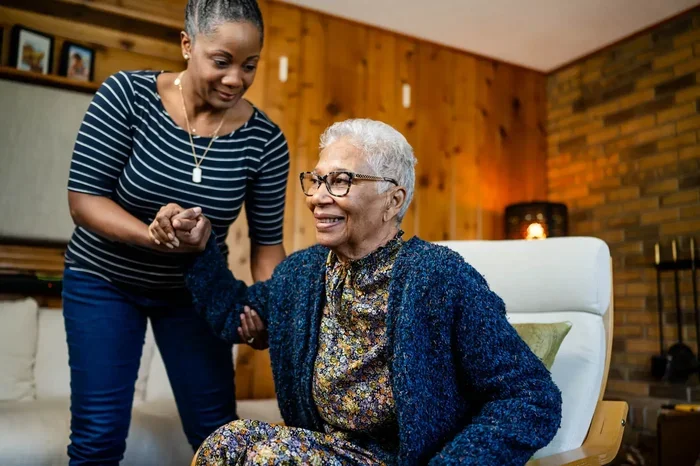
Overnight caregivers and family support work together to provide round-the-clock care for loved ones who need it most. This guide covers everything you need to know about hiring overnight caregivers, managing family support systems, and preventing caregiver burnout. You will learn practical tips, real-world examples, and expert-backed strategies to make nighttime caregiving easier and more sustainable for the whole family.
Caring for a loved one through the night is one of the most demanding roles a family member can take on. Overnight caregivers and family support form a partnership that keeps vulnerable individuals safe, comfortable, and attended to during the darkest hours. Whether you are a spouse, adult child, or sibling stepping into this role, the journey is both deeply rewarding and incredibly challenging.
This article walks you through everything you need to know about overnight caregiving. We will cover what overnight caregivers do, how family members can contribute, what challenges you might face, and how to build a sustainable care plan that works for everyone involved. Let us dive in.
Key Takeaways
- Overnight caregivers provide critical nighttime supervision that ensures safety and comfort for individuals who need continuous care.
- Family support fills the gaps between professional care shifts and strengthens the overall care network.
- Caregiver burnout is real and preventable with the right strategies, rest schedules, and self-care routines.
- Choosing the right caregiver requires checking credentials, compatibility, and emergency response skills.
- Open family communication is the foundation of any successful overnight care arrangement.
- Respite care options exist to give family caregivers a much-needed break without compromising care quality.
- Small daily habits like exercise and sleep hygiene make a big difference in caregiver well-being.
📑 Table of Contents
- What Are Overnight Caregivers and Why Do Families Need Them
- The Role of Family Support in Overnight Care
- Common Challenges Faced by Overnight Caregivers
- How to Choose the Right Overnight Caregiver
- Tips for Managing Family Support Effectively
- Preventing Caregiver Burnout and Protecting Your Health
- Final Thoughts on Overnight Caregivers and Family Support
What Are Overnight Caregivers and Why Do Families Need Them
An overnight caregiver is a trained professional or a family member who provides supervision and assistance during nighttime hours. These hours typically span from late evening to early morning, often covering a full eight to twelve hour shift. The goal is simple: keep the person in their care safe and comfortable while the rest of the household sleeps.
Who Needs Overnight Care?
Many people benefit from overnight care. Elderly individuals with dementia or Alzheimer’s disease often wander or experience sundowning, a period of confusion that worsens at night. People recovering from surgery or serious illness may need help with medication, bathroom visits, or repositioning to prevent bedsores. Even younger adults with severe disabilities may require overnight monitoring.
Families turn to overnight caregivers when they realize they cannot do it all alone. Sleep deprivation takes a toll, and trying to manage a full-time job alongside nighttime caregiving is simply not sustainable. Overnight caregivers and family support share the load so that no one person bears the entire burden.
What Does an Overnight Caregiver Actually Do?
The duties of an overnight caregiver go far beyond just being present. Here is a look at what a typical night might involve:
- Monitoring vital signs and responding to health alarms or alerts
- Assisting with toileting and personal hygiene needs during the night
- Repositioning the patient every few hours to prevent pressure sores
- Preparing morning medications or feeding routines as scheduled
- Documenting any incidents or changes in condition for the day team
- Responding to emergencies such as falls, seizures, or sudden confusion
- Providing companionship and reassurance during restless or anxious moments
Each night looks different depending on the individual’s needs. A caregiver for someone with dementia might spend more time redirecting wandering behavior, while a caregiver for a post-surgical patient might focus on pain management and mobility assistance.
The Role of Family Support in Overnight Care
Professional overnight caregivers are essential, but they cannot do it all. Family support is the invisible backbone of any successful care arrangement. When families step in, the entire care system becomes stronger and more resilient.
How Family Members Can Help
Family support does not always mean being physically present at 3 a.m. It can take many forms. Some family members handle daytime responsibilities so the overnight caregiver can focus entirely on the patient. Others manage logistics like scheduling, billing, and communicating with doctors.
Here are practical ways family members contribute:
- Covering daytime shifts so the overnight caregiver gets a proper break
- Handling household chores like cooking, cleaning, and laundry
- Managing medical appointments and keeping track of prescriptions
- Providing emotional support to both the patient and the overnight caregiver
- Researching resources like local support groups and financial assistance programs
- Sharing updates with other family members to keep everyone informed
When overnight caregivers and family support work in harmony, the person receiving care gets a much better experience. The caregiver feels less isolated, and the family feels more confident that their loved one is in good hands around the clock.
Building a Family Care Agreement
One of the most underrated tools in family caregiving is the written care agreement. This is not a legal document that needs a lawyer. It is simply a shared understanding of who does what, when. Sit down with all involved family members and map out responsibilities clearly.
Agree on things like:
- Who handles the overnight shift on weekdays versus weekends
- Who is the emergency contact when the professional caregiver is not available
- How decisions about medical care will be made
- What the budget is for additional caregiving expenses
Writing it down prevents misunderstandings later. It also makes it easier to adjust the plan when circumstances change.
Common Challenges Faced by Overnight Caregivers
Overnight caregiving comes with a unique set of challenges. Understanding these difficulties is the first step toward solving them.
Sleep Deprivation and Fatigue
The most obvious challenge is the toll on sleep. Overnight caregivers often get only fragmented rest, especially if the person they care for has insomnia, dementia, or frequent bathroom needs. Over weeks and months, this sleep debt adds up and affects every part of a caregiver’s life.
Signs of caregiver sleep deprivation include irritability, difficulty concentrating, weakened immunity, and mood swings. If you notice these in yourself or someone you know, it is time to reassess the care arrangement.
Emotional Strain and Isolation
Nighttime caregiving can feel incredibly lonely. The world is quiet, and there is often no one to talk to during those long hours. Many overnight caregivers report feeling disconnected from friends, family, and their own social lives. This isolation can lead to depression if it is not addressed.
Family support plays a crucial role here. A simple phone call from a sibling during a night shift can make a world of difference. Regular check-ins from family members help the caregiver feel seen and valued.
Managing Medical Emergencies at Night
Emergencies do not wait for business hours. A fall, a sudden change in breathing, or a medication reaction can happen at any hour. Overnight caregivers need to be prepared for these situations with clear protocols and quick access to emergency contacts.
Families can help by ensuring that emergency numbers are posted visibly, that the caregiver has easy access to a phone, and that they understand the patient’s specific medical needs and warning signs.
How to Choose the Right Overnight Caregiver
Finding the right person to care for your loved one overnight is one of the most important decisions you will make. It is not just about qualifications. It is about trust, compatibility, and reliability.
What to Look For in a Caregiver
Start with the basics. A qualified overnight caregiver should have relevant training and certifications. Look for certifications in CPR and first aid, experience with the specific condition your loved one has, and a clean background check. But do not stop there.
Here are additional qualities that make a great overnight caregiver:
- Patience and empathy — nighttime care requires a calm, gentle demeanor
- Physical stamina — helping someone reposition or walk at 2 a.m. is demanding
- Attention to detail — documenting changes in condition requires focus
- Good communication skills — they must report clearly to the family each morning
- Trustworthiness — you are inviting a stranger into your home at night
Many families find it helpful to conduct a trial shift before committing to a long-term arrangement. This gives everyone a chance to see how the dynamic works in a real setting.
The Importance of Backup Caregivers
No caregiver is available 100% of the time. Illness, vacations, and emergencies happen. Having a backup overnight caregiver lined up is essential. Families should work with agencies or build a small network of trusted individuals who can step in when needed.
This is where family support becomes especially valuable. A trusted family member who can fill in during a gap ensures continuity of care without panic or disruption.
Tips for Managing Family Support Effectively
Organizing family support for overnight caregiving takes intention and effort. Here are proven strategies that work.
Use Technology to Stay Connected
Shared calendars, group chats, and caregiving apps can transform how a family coordinates. Everyone knows who is responsible for what, and updates happen in real time. Apps like CaringBridge, Lotsa Helping Hands, or even a simple shared Google Calendar can reduce confusion and missed responsibilities.
Hold Regular Family Meetings
Set a weekly or biweekly time to check in with all family members involved in care. Discuss what is working, what is not, and what needs to change. These meetings keep everyone aligned and prevent small issues from becoming big problems.
Accept Help When It Is Offered
Many family members want to help but do not know how. When someone says “let me know if you need anything,” take them up on it. Assign specific tasks like grocery runs, meal prep, or sitting with the patient for a few hours so the overnight caregiver can sleep.
Preventing Caregiver Burnout and Protecting Your Health
Caregiver burnout is not a sign of weakness. It is a natural consequence of giving too much for too long without adequate support. The good news is that burnout is preventable with the right approach.
Recognize the Warning Signs Early
Burnout does not happen overnight. It builds gradually. Watch for these signs in yourself:
- Feeling drained every single day, no matter how much sleep you get
- Losing interest in activities you once enjoyed
- Becoming easily irritated or angry with the person you care for
- Neglecting your own health, meals, or sleep
- Feeling like no one appreciates what you do
If you recognize yourself in these signs, it is time to take action. Reach out to other family members and ask for help. Consider hiring additional support or exploring respite care options.
Small Habits That Make a Big Difference
Taking care of yourself is not selfish. It is necessary. Here are simple habits that can help you stay healthy while caregiving:
- Stay physically active — even a short walk or gentle stretching routine helps. Using resistance bands for legs and glutes at home is a quick way to stay strong without leaving the house. You can learn more about how to use resistance bands for legs and glutes in just a few minutes a day.
- Prioritize sleep hygiene — go to bed at the same time each night, keep your room dark and cool, and avoid screens before bed
- Eat nourishing meals — prep simple, healthy meals on your days off so you always have something ready
- Stay socially connected — a phone call with a friend or a weekly support group can lift your spirits
- Track your health — many caregivers use wearable devices to monitor their own sleep and activity levels. Understanding what is more accurate, Apple Watch or treadmill readings, can help you make better decisions about your own fitness tracking
The Power of Respite Care
Respite care gives family caregivers a temporary break. It can be a few hours a week or a full day off. During this time, another caregiver or family member steps in so you can rest, run errands, or simply do something for yourself.
Respite care is not a luxury. It is a necessity. Families who use respite care consistently report lower stress levels, better relationships with the person they care for, and improved overall health.
When to Consider Professional Help Full-Time
Sometimes family support alone is not enough. If the care needs exceed what your family can provide, it may be time to bring in professional help full-time or consider alternative arrangements like assisted living facilities. This is not a failure. It is a thoughtful decision made with your loved one’s best interests at heart.
Families can also explore overnight caregivers and family support combinations where the professional handles the night shift and family members cover the day. This hybrid approach often works best for families who want to provide comprehensive care without burning out.
Final Thoughts on Overnight Caregivers and Family Support
Caring for a loved one overnight is one of the most selfless acts a person can perform. It requires strength, patience, and an enormous amount of love. But no one should have to do it alone. Overnight caregivers and family support are most effective when they work together as a team.
Start by having honest conversations with your family about needs and capabilities. Set realistic expectations. Build a plan that includes professional help, family contributions, and time for self-care. Small adjustments today can prevent major crises tomorrow. The care you provide matters, and so does taking care of yourself in the process.
Remember that every family’s caregiving journey looks different. What matters most is that you show up, ask for help when you need it, and never stop looking for ways to make the system work better for everyone involved.
Frequently Asked Questions
What does an overnight caregiver typically do during their shift?
An overnight caregiver monitors the patient throughout the night, assists with toileting and repositioning, administers scheduled medications, responds to emergencies, and documents any changes in condition. They also provide companionship and reassurance during restless or anxious moments. Their primary goal is to keep the person safe and comfortable until morning.
How can family members support an overnight caregiver?
Family members can support overnight caregivers by handling daytime responsibilities, managing household chores, attending medical appointments, and providing emotional encouragement. Clear communication and a shared care agreement also help prevent misunderstandings. Even small gestures like a kind message or a meal delivered during the night shift can make a huge difference.
What are the signs of caregiver burnout?
Signs of caregiver burnout include constant exhaustion, loss of interest in hobbies, irritability toward the person being cared for, neglecting your own health, and feeling unappreciated. If you experience these symptoms, it is important to reach out to other family members, explore respite care, or seek professional support before your health suffers further.
How do I know if my loved one needs overnight care?
Your loved one may need overnight care if they have conditions like dementia that cause wandering or sundowning, if they need frequent assistance with toileting or repositioning, or if they are at risk of falls during the night. A doctor or care coordinator can help assess whether overnight care is appropriate based on their specific needs.
Can family members serve as overnight caregivers?
Yes, family members can serve as overnight caregivers, but it is important to consider the physical and emotional demands of the role. Families should create a schedule that prevents any single person from being overburdened. Sharing the responsibility among multiple family members and supplementing with professional help when needed leads to better outcomes for both the caregiver and the patient.
What should I look for when hiring an overnight caregiver?
Look for relevant certifications like CPR and first aid, experience with your loved one’s specific condition, a clean background check, and strong communication skills. Personality fit matters too — the caregiver should be patient, empathetic, and reliable. Many families also arrange a trial shift to see how the caregiver interacts with their loved one before committing long-term.