Rater Comments Ncoer
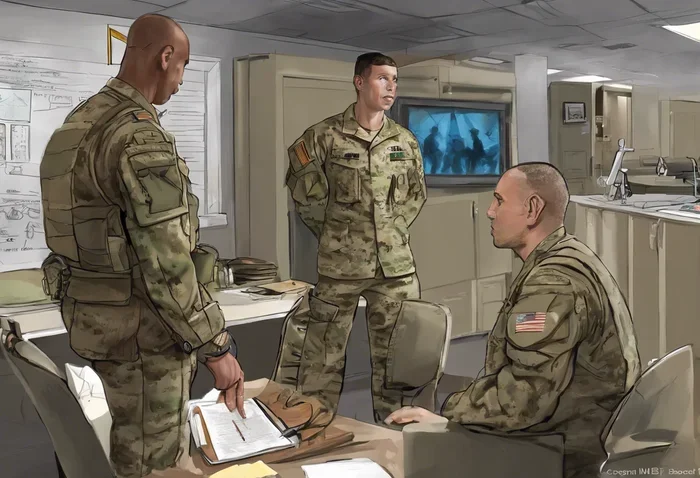
Rater comments NCOER are the heart of every army evaluation report. Strong NCOER rater comments can shape a soldier’s career, promotion chances, and professional growth. This guide covers everything you need to write effective, impactful rater assessment comments for the noncommissioned officer evaluation report.
Every noncommissioned officer in the U.S. Army knows the NCOER shapes careers. But what really makes the difference? It comes down to the words on the page. Rater comments NCOER are more than just paperwork. They tell a story about a soldier’s performance, character, and potential. A well-written rater assessment can open doors. A weak one can close them just as fast.
If you are a rater, senior rater, or even a rated NCO who wants to understand the process better, this guide is for you. We will walk through everything you need to know about writing NCOER rater comments that stand out. From understanding the structure to avoiding common mistakes, you will find practical advice you can use right away.
Key Takeaways
- Rater comments NCOER carry significant weight in a soldier’s career progression and promotion board decisions.
- Effective NCOER rater comments must be specific, evidence-based, and tied directly to the rated NCO’s duty description.
- Army evaluation report writers should avoid generic phrases and instead use concrete examples that showcase leadership and performance.
- Rater responsibilities include conducting proper counseling sessions and documenting honest, fair assessments throughout the rating period.
- Senior rater comments and rater comments serve different purposes, and understanding this distinction improves evaluation quality.
- Bullet comments in the NCOER must follow army regulations and use the correct format to maximize impact.
- Regular evaluation counseling ensures transparency and helps the rated NCO understand expectations before the report is finalized.
📑 Table of Contents
- What Are Rater Comments NCOER?
- Understanding the Rater’s Role and Responsibilities
- How to Write Strong Rater Comments NCOER
- Common Mistakes to Avoid in Rater Comments
- Tips for Writing NCOER Bullet Comments That Stand Out
- The Impact of Rater Comments on Career Development
- Expert Insights on Writing Effective NCOER Evaluations
- Key Takeaways
- Conclusion
What Are Rater Comments NCOER?
The NCOER, or Noncommissioned Officer Evaluation Report, is the primary tool the Army uses to evaluate its NCOs. It captures a soldier’s performance, potential, and professionalism over a specific rating period. Within this report, the rater comments NCOER section holds special importance.
The rater is the direct supervisor. This is the person who works side by side with the rated NCO every day. Because of that close relationship, the rater’s voice carries real weight. Rater comments NCOER provide a firsthand look at how a soldier performs in real-world situations. They are not just summaries. They are detailed narratives that describe behavior, achievements, and areas for growth.
Why Rater Comments Matter So Much
Think about it this way. Promotion boards review hundreds of army evaluation reports. They do not have time to interview every soldier. What they do have is the written record. The rater comments give them a window into the soldier’s daily performance. Strong, specific comments can make a candidate rise above the pack. Vague or generic comments can cause even a highly capable NCO to get passed over.
NCO performance review comments also matter for the rated soldier’s own development. When a rater writes honest, constructive feedback, it helps the NCO understand where they stand and what to focus on next. This is why evaluation counseling before and after the report is so important.
Understanding the Rater’s Role and Responsibilities
Being a rater is a serious responsibility. It is not just about filling out a form. A rater must observe, document, and communicate honestly. Let us break down what this role really means in the context of rater comments NCOER.
Core Rater Responsibilities
The rater has several key duties that directly affect the quality of the army evaluation report:
- Observing performance daily: The rater must pay attention to how the NCO leads, trains, and behaves throughout the rating period.
- Conducting counseling sessions: Regular evaluation counseling keeps the rated NCO informed about expectations and progress.
- Documenting achievements: Writing down specific examples as they happen makes the final NCOER rater comments much easier and more accurate.
- Writing honest assessments: A good rater does not sugarcoat or exaggerate. They provide a fair and balanced view of the soldier’s performance.
- Meeting deadlines: Submitting the report on time ensures the rated NCO’s career timeline stays on track.
Rater vs. Senior Rater: What Is the Difference?
Many people confuse the rater and the senior rater, but they serve different purposes. The rater comments NCOER focus on the day-to-day performance and direct leadership of the NCO. The senior rater comments provide a broader perspective. The senior rater usually has a higher-level view of the unit and the NCO’s overall contribution.
Both sections matter. But the rater section is often the first thing a promotion board reads. That is why rater assessment quality can make or break an evaluation.
How to Write Strong Rater Comments NCOER
Writing effective NCOER rater comments is both an art and a science. You want to be thorough, but you also want to be clear and concise. Here is how to do it right.
Start with the Duty Description
Every rated NCO has a duty description that outlines their responsibilities. Your rater comments NCOER should tie directly back to this document. Did the NCO excel at leading physical training? Did they handle administrative tasks with precision? Reference specific duties and explain how the soldier performed them.
For example, instead of writing “Good leader,” try something like “Sergeant Smith consistently led squad physical training sessions with energy and discipline, resulting in a 95 percent pass rate on the Army Combat Fitness Test.” That second version tells a much clearer story.
Use the STAR Method for Bullet Comments
The NCOER uses a bullet comment format. Each bullet should follow a simple structure:
- Situation: Set the context.
- Task: Describe what was assigned or expected.
- Action: Explain what the NCO specifically did.
- Result: Share the measurable outcome.
This STAR method ensures every bullet in your rater comments NCOER carries weight and meaning. It also makes the report much easier to read during a promotion board review.
Focus on Army Values and Leadership Traits
The Army evaluates NCOs based on core values like loyalty, duty, respect, selfless service, honor, integrity, and personal courage. Your NCOER rater comments should reflect these values in action. Did the rated NCO put the team first? Did they show integrity under pressure? Use specific examples that demonstrate these traits.
Similarly, leadership attributes like bearing, courage, and judgment should be woven into the narrative. A strong rater assessment shows how the NCO embodies these qualities in real situations.
Be Specific and Avoid Clichés
One of the biggest mistakes raters make is using generic language. Phrases like “performed duties satisfactorily” or “a solid NCO” do not help. They blend in with thousands of other reports. Rater comments NCOER should feel personal and unique to each soldier.
Use numbers, dates, and specific examples whenever possible. If the NCO trained a new squad member who later excelled, say so. If they led a successful mission or training event, describe it. Specificity is what separates a forgettable comment from a powerful one.
Common Mistakes to Avoid in Rater Comments
Even experienced raters sometimes make errors when writing NCOER rater comments. Being aware of these mistakes can save you from costly evaluation problems.
Being Too Vague
Vague comments do not give promotion boards anything to work with. When you write “performed well in all areas,” you are not helping the rated NCO. You are also not doing your job as a rater. Every rater assessment should contain concrete details that prove your points.
Copying and Pasting from Previous Reports
Some raters reuse comments from earlier army evaluation reports. This is a bad habit. Each rating period is different. The rated NCO has likely grown and taken on new responsibilities. Copy-pasted comments can look lazy and dishonest. They also miss the chance to capture the soldier’s current performance accurately.
Waiting Until the Last Minute
Writing rater comments NCOER at the last minute leads to rushed, low-quality assessments. You may forget important details or fail to capture meaningful examples. Start writing your comments throughout the rating period. Keep a running log of achievements and observations. This makes the final write-up much smoother and more accurate.
Ignoring the Rated NCO’s Input
The rated NCO should have a say in their own evaluation. During evaluation counseling sessions, listen to their perspective. If they share accomplishments or challenges, consider including them in the NCOER rater comments. This creates a more balanced and fair report.
Tips for Writing NCOER Bullet Comments That Stand Out
The bullet comment section of the NCOER is where many raters struggle. You have limited space, but you need to say a lot. Here are some tips to make your bullets count.
- Lead with action verbs: Words like “led,” “coordinated,” “developed,” and “implemented” show initiative and impact.
- Include measurable results: Numbers speak louder than words. Use percentages, scores, and timelines to add credibility.
- Keep each bullet focused: One bullet should cover one achievement or observation. Do not try to cram too much into a single line.
- Align with the duty description: Make sure every bullet connects to the NCO’s assigned responsibilities.
- Show growth over time: If the NCO improved in an area during the rating period, highlight that progression in your rater comments NCOER.
Remember, the goal of bullet comments NCOER is to paint a clear picture of the soldier’s performance. Every word should earn its place on the page.
The Impact of Rater Comments on Career Development
It is easy to think of rater comments NCOER as just another step in the administrative process. But the truth is, these comments have a real impact on a soldier’s career. They influence promotions, assignments, professional development opportunities, and even retention decisions.
Promotion Boards and Rater Comments
When a promotion board reviews a noncommissioned officer evaluation report, the rater section is one of the first things they read. Board members look for evidence of strong leadership, consistent performance, and potential for greater responsibility. If your rater assessment clearly demonstrates these qualities, the rated NCO has a much better chance of standing out.
On the other hand, if the comments are weak, generic, or unclear, the board may question the soldier’s qualifications. This is why taking the time to write thoughtful, detailed NCOER rater comments is so important.
Professional Development and Counseling
Beyond promotions, rater comments NCOER also guide a soldier’s professional development. When an NCO reads honest feedback about their strengths and weaknesses, they can focus their efforts on growth. This is why evaluation counseling sessions should always reference the written report. The NCO should know exactly what the rater wrote and why.
Strong rater comments also build trust between the rater and the rated NCO. When a soldier feels their supervisor sees their hard work and potential, it boosts morale and motivation. That is a win for everyone.
Expert Insights on Writing Effective NCOER Evaluations
Experienced raters and Army leaders agree on a few key principles for writing top-quality rater comments NCOER. Here is what the experts emphasize:
- Start early: Do not wait until the last week of the rating period. Begin noting observations and achievements from day one.
- Be honest: An evaluation report should reflect reality. Exaggerating or downplaying performance does no one any favors.
- Use the rated NCO’s perspective: Ask the soldier what they are proud of and where they feel they grew. This can enrich your rater assessment significantly.
- Review army regulations: Familiarize yourself with the latest AR 623-3 and DA Form 2166-9 guidelines. These documents outline the proper format and expectations for army evaluation reports.
- Seek feedback: If you are new to writing NCOER rater comments, ask a fellow NCO or your first sergeant for advice. A second pair of eyes can catch errors and improve quality.
Key Takeaways
- Rater comments NCOER carry significant weight in a soldier’s career progression and promotion board decisions.
- Effective NCOER rater comments must be specific, evidence-based, and tied directly to the rated NCO’s duty description.
- Army evaluation report writers should avoid generic phrases and instead use concrete examples that showcase leadership and performance.
- Rater responsibilities include conducting proper counseling sessions and documenting honest, fair assessments throughout the rating period.
- Senior rater comments and rater comments serve different purposes, and understanding this distinction improves evaluation quality.
- Bullet comments in the NCOER must follow army regulations and use the correct format to maximize impact.
- Regular evaluation counseling ensures transparency and helps the rated NCO understand expectations before the report is finalized.
Conclusion
Rater comments NCOER are one of the most powerful tools in the Army’s evaluation system. They capture a soldier’s performance in words, giving promotion boards, commanders, and the rated NCO themselves a clear picture of who that person is and what they can become. Writing strong NCOER rater comments takes effort, but the payoff is enormous.
When you take the time to be specific, honest, and thoughtful in your rater assessment, you do more than fill out a form. You help a fellow NCO grow. You strengthen your unit. And you uphold the standards of the profession of arms. Every bullet point, every narrative comment, and every counseling session contributes to a culture of excellence and accountability.
So the next time you sit down to write rater comments NCOER, remember that your words matter. They shape careers. They build leaders. And they reflect the trust the Army places in you as a rater. Make every word count.
Frequently Asked Questions
What is the purpose of rater comments in the NCOER?
Rater comments NCOER serve as the direct supervisor’s firsthand assessment of a noncommissioned officer’s performance. These comments provide specific, detailed feedback on how the rated NCO executes their duties, leads their team, and demonstrates army values. Promotion boards and commanders rely heavily on these comments to make personnel decisions.
How long should rater comments NCOER be?
There is no strict page limit, but quality matters more than quantity. A good NCOER rater comments section should be thorough enough to cover the rated NCO’s key achievements and areas for growth. Typically, a well-written narrative section runs one to two pages. Every sentence should add value and avoid filler.
Can a rater use bullet comments instead of narrative comments?
Yes, the NCOER allows both narrative and bullet comment formats. Many raters prefer bullet comments NCOER because they are concise and easy to scan. However, a mix of narrative and bullet comments often works best. Use bullets for key achievements and a short narrative to connect the dots and provide context.
What is the difference between rater comments and senior rater comments?
The rater comments NCOER focus on the day-to-day performance and direct leadership of the rated NCO. The rater works closely with the soldier and observes their daily actions. Senior rater comments provide a broader, more strategic view of the NCO’s overall contribution to the unit. Both sections are important and complement each other in the evaluation process.
How often should a rater conduct evaluation counseling sessions?
Raters should conduct evaluation counseling at least once during the rating period, ideally at the midpoint. This session gives the rated NCO a chance to understand expectations, discuss progress, and address any concerns. Regular counseling also ensures the final rater assessment reflects mutual understanding and transparency.
What are the biggest mistakes to avoid when writing NCOER rater comments?
The most common mistakes include being too vague, copying comments from previous reports, waiting until the last minute, and ignoring the rated NCO’s input. Strong NCOER rater comments should be specific, honest, and tied to the soldier’s duty description. Avoiding these pitfalls will significantly improve the quality and impact of your army evaluation report.