Orange Peel Test
The orange peel test is a simple yet powerful method for checking the texture and quality of painted or coated surfaces. It gets its name from the bumpy texture that resembles the skin of an orange. This test helps inspectors and manufacturers spot surface defects before products reach customers. Whether you work in automotive, aerospace, or general manufacturing, understanding this test can save you time and money. It is a key part of any solid quality control process.
Have you ever looked at a freshly painted car and noticed tiny bumps in the surface? That texture is called orange peel, and it is something inspectors check carefully. The orange peel test measures how smooth or rough a painted surface really is. It plays a big role in paint quality across many industries.
Whether you work in automotive manufacturing, aerospace, or general production, surface texture matters. A coating inspection that includes the orange peel test can catch problems early. This saves time, reduces waste, and ensures products meet high standards. Let us walk through everything you need to know about this important quality control method.
Key Takeaways
- Surface Quality Indicator: The orange peel test reveals texture defects that affect the appearance and durability of coated surfaces.
- Simple and Effective: You can perform this test using basic visual inspection or specialized instruments like a profilometer.
- Widely Used Industries: Automotive, aerospace, and manufacturing sectors rely on this test for paint quality control.
- Preventable: Proper spray technique, environmental control, and material selection can prevent orange peel defects.
- Quick Results: The test delivers immediate feedback, allowing for fast adjustments during production.
- Regulatory Compliance: Many industries have standards that require surface texture testing for certification.
📑 Table of Contents
What Is the Orange Peel Test?
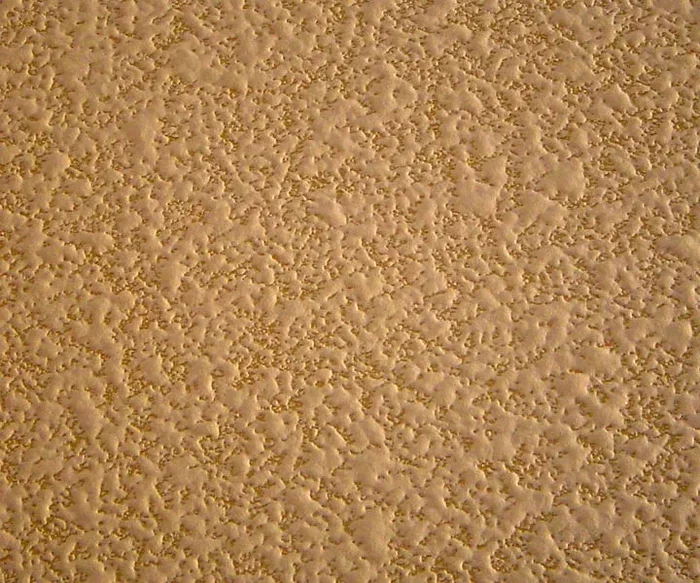
The orange peel test is a visual and measurement-based method used to assess the surface texture of painted or coated materials. When paint does not lay down smoothly, it creates a pattern of tiny peaks and valleys. This pattern looks similar to the skin of an orange, which is how the test got its name.
The Origin of the Name
The name comes from the way an orange peel has a slightly rough, dimpled surface. When paint is sprayed onto a panel and does not flow evenly, the dried paint film develops a similar texture. Inspectors compare the surface to this familiar texture to rate the quality of the finish. The orange peel test has been used for decades in industries where surface appearance is critical. It is one of the most common visual inspection methods in quality control workflows.
Why Surfaces Get a Texture
Several factors can cause a surface texture problem in painted surfaces. The paint may be too thick or too thin. The spray gun might be set incorrectly. Temperature and humidity in the environment also play a big role. When any of these factors are off, the paint film does not settle evenly. The result is a textured surface that fails the orange peel test. Understanding these causes is the first step toward prevention.
How the Orange Peel Test Works
Performing the orange peel test involves checking the surface for texture irregularities. There are two main approaches: visual inspection and instrument-based measurement. Both methods give valuable information about the quality of a coated surface and help teams make informed decisions.
Visual Inspection Methods
The simplest form of the orange peel test relies on the human eye. An inspector holds the painted panel at a specific angle under controlled lighting. They look for any visible texture that resembles orange skin. This method is fast and requires no special equipment. However, it depends on the inspector’s experience and judgment. Visual surface finish assessment works well for quick checks on the production line. Just like what a treadmill stress test reveals about heart health, visual inspection of a surface reveals important information about coating quality. Both tests serve as first-line diagnostic tools in their respective fields.
Instruments and Tools
For more precise results, technicians use instruments like a surface profilometer. This device scans the surface and provides exact measurements of roughness. A specular gloss meter is another common tool. It measures how light reflects off the painted surface. The higher the gloss reading, the smoother the surface tends to be. These instruments give objective data that supports the orange peel test and helps teams make informed decisions about coating quality. Using both methods together gives the most complete picture of surface condition.
Why the Orange Peel Test Matters
The orange peel test is not just about looks. Surface texture affects many aspects of a coated product. Here is why this test holds such importance in quality control.
- Appearance: A smooth surface looks better and more professional. Customers notice texture defects immediately.
- Durability: Uneven coating uniformity can lead to premature wear. Thick spots may crack, while thin spots may not protect the base material.
- Paint Adhesion: Texture problems can signal issues with how well the paint sticks to the surface. Poor adhesion leads to peeling and flaking over time.
- Reflection Quality: Smooth surfaces reflect light evenly. Orange peel creates scattered reflections that make the finish look dull and uneven.
- Regulatory Compliance: Many industries have strict standards. The orange peel test helps ensure products meet these requirements.
In short, the orange peel test protects both the look and the lifespan of coated products. It is a small test with big implications. Ignoring surface texture can lead to costly rework, customer complaints, and product failures down the road.
Common Causes of Orange Peel in Paint
Understanding what causes orange peel texture helps teams prevent it. The orange peel test identifies the problem, but knowing the root causes leads to better solutions. Let us look at the most common culprits.
Spray Gun Settings
The way paint is sprayed has a huge impact on surface texture. If the spray gun pressure is too high, the paint droplets break up too much. If the pressure is too low, the paint does not atomize properly. Both situations lead to an uneven paint film. Adjusting the nozzle size, air pressure, and distance from the surface helps achieve a smoother finish. Regular maintenance of spray equipment also plays a key role in preventing texture defects. Teams should document optimal settings for each paint type and surface combination.
Environmental Conditions
The environment where painting takes place matters a lot. High humidity can slow the drying process and cause the paint to sag or form bumps. Low temperatures make paint thicker and harder to spread evenly. Temperature swings during application can also create problems. Controlling the environment through proper ventilation and climate control supports better coating inspection results and reduces the chance of orange peel forming. Many facilities use climate-controlled paint booths specifically to manage these environmental conditions.
Paint Mix and Material Quality
The quality of the paint itself is another major factor. Old or improperly stored paint may not flow well. Mixing ratios that are off can change the viscosity and drying behavior. Using fresh, properly mixed materials gives the best chance of a smooth finish. Teams should always check paint quality before starting any application work. Storing materials at the correct temperature and using them within their shelf life makes a noticeable difference.
How to Prevent and Fix Orange Peel
Prevention is always better than fixing a problem after it happens. Here are practical steps to keep surfaces smooth and pass the orange peel test every time.
Best Practices for Smooth Finishes
- Adjust spray gun settings to match the paint type and surface being coated.
- Keep the environment at stable temperature and humidity levels during application.
- Use high-quality paint and follow the manufacturer’s mixing instructions exactly.
- Apply thin, even coats instead of one thick coat.
- Allow proper drying time between coats to prevent surface defects.
- Perform regular surface texture checks throughout the production process.
Fixing Existing Orange Peel
If a surface already shows orange peel texture, there are ways to fix it. Light sanding can smooth out minor texture issues. The area can then be repainted with better technique. For more severe cases, the entire coating may need to be stripped and reapplied. Using a surface profilometer after the fix helps confirm that the surface now meets quality standards. Always test a small area first before committing to a full repair.
When to Perform an Orange Peel Test
The orange peel test should be performed at multiple stages of production. It is not just a final check. Regular testing throughout the process catches problems early and prevents wasted materials.
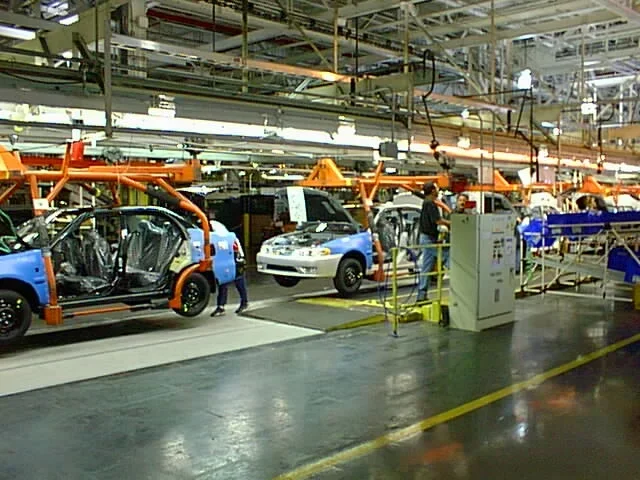
In automotive manufacturing, the test is performed after each paint booth pass. Aerospace companies apply it during final assembly inspections. General manufacturing teams often include it in their routine quality control schedule. The orange peel test is also valuable when switching to a new paint supplier or changing application equipment. Any time there is a change in process or materials, running the test ensures nothing has changed in surface quality.
Some teams also perform the orange peel test on products that have been in storage for long periods. Over time, coatings can change due to temperature fluctuations or UV exposure. Testing before shipment confirms that the product still meets the required standards. Think about how what is involved in a treadmill stress test includes multiple checkpoints throughout the procedure. Similarly, the orange peel test works best when applied at regular intervals, not just at the end of production.
Finally, the orange peel test should always be part of a broader quality assurance strategy. It works hand in hand with other tests like gloss measurement, adhesion testing, and visual grading. Together, these methods create a complete picture of surface quality. Making the orange peel test a regular habit in your workflow pays dividends in product consistency and customer satisfaction.
For those interested in learning more about different testing procedures and how long various evaluations take, you can explore how long a treadmill stress test takes to understand how test duration varies across industries and applications.
Final Thoughts on the Orange Peel Test
The orange peel test is a straightforward yet essential tool for anyone working with painted or coated surfaces. It helps teams catch texture problems early, maintain high standards, and deliver products that look and perform their best. From automotive shops to aerospace facilities, this test plays a vital role in quality control.
By understanding what causes orange peel and how to prevent it, you can improve your production process significantly. Regular testing, proper equipment maintenance, and attention to environmental conditions all contribute to better results. The orange peel test gives you the feedback you need to make real improvements.
Remember that surface quality is about more than just appearance. It affects durability, adhesion, and long-term performance. Make the orange peel test a regular part of your inspection routine, and you will see the difference in your finished products. Start incorporating this simple test into your workflow today and notice the improvement in your coating quality.
Frequently Asked Questions
What does orange peel look like on a painted surface?
Orange peel appears as a series of small, rounded bumps that resemble the texture of an orange peel. The surface looks uneven rather than smooth and glossy. In mild cases, the texture is subtle and only visible at certain angles. In severe cases, the bumps are clearly visible to the naked eye and feel rough to the touch.
Can orange peel be completely prevented?
While it is difficult to eliminate orange peel entirely, it can be minimized significantly. Proper spray technique, controlled environmental conditions, and high-quality materials all contribute to a smoother finish. Regular orange peel test checks help catch any issues before they become major problems.
What tools are used to measure orange peel?
Technicians use several tools to measure surface texture. A surface profilometer provides precise roughness measurements. A specular gloss meter measures how light reflects off the surface. Visual inspection remains the most common method, especially for quick checks on the production floor. Combining these tools gives the most accurate results.
Does orange peel affect the function of the coating?
Yes, it can. Beyond appearance, orange peel can affect paint adhesion and coating uniformity. Uneven surfaces may trap moisture or debris, leading to faster deterioration. In some applications, texture can also interfere with the performance of subsequent layers or finishes applied over the coating.
How often should the orange peel test be performed?
The frequency depends on the industry and production volume. In high-volume manufacturing, the test may be performed after every paint booth pass. In lower-volume settings, testing at the start and end of each production batch is common. Any time materials or equipment change, a fresh round of testing is recommended.
Is the orange peel test the same as a gloss test?
No, they are related but different. The orange peel test focuses on surface texture and roughness. A gloss test measures how much light the surface reflects in a specular direction. Both tests provide valuable information, and they are often used together for a complete picture of surface quality.