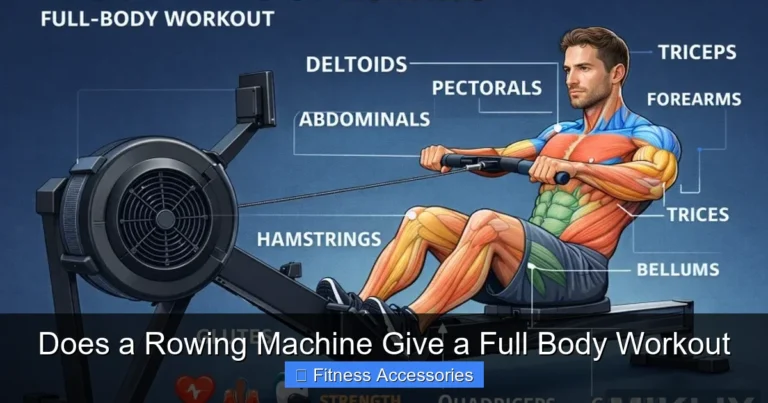
Is Rowing a Good Exercise for Lower Back Pain
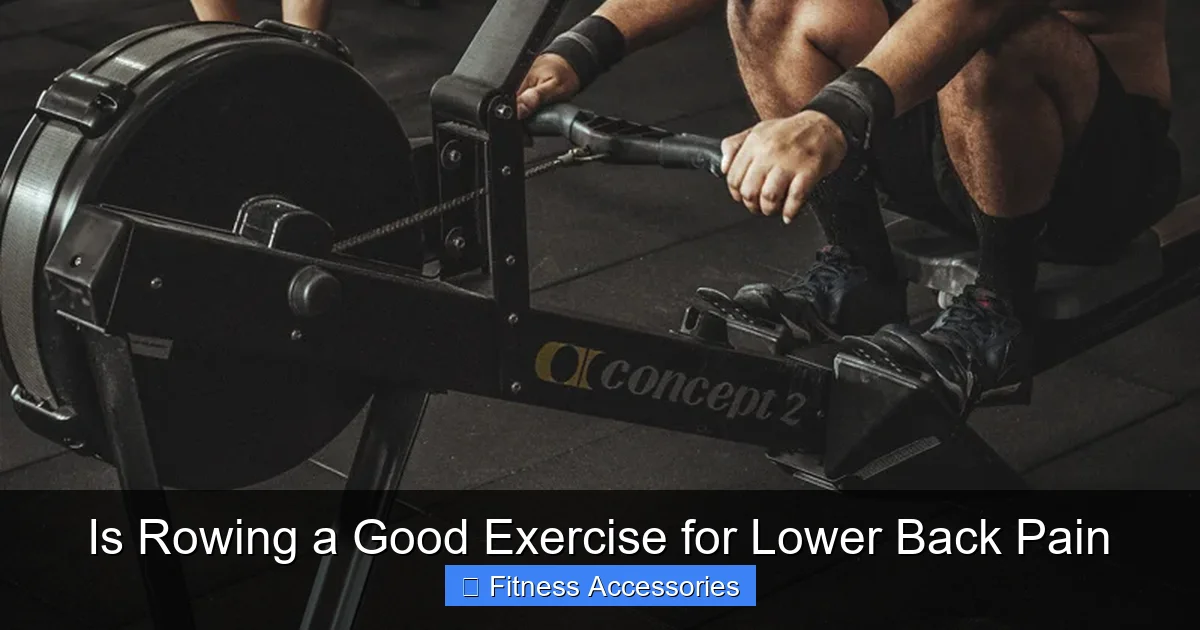
Rowing can be a powerful, low‑impact workout that strengthens the core and supports a healthy lower back—if done correctly. By focusing on proper form, gradual progression, and balanced training, you can enjoy rowing’s cardio boost without aggravating back pain.
Key Takeaways
- Proper form is essential: A neutral spine and engaged core protect the lower back during each stroke.
- Start slow and progress gradually: Begin with short sessions at low resistance to let your back adapt.
- Complement rowing with mobility work: Stretching hip flexors, hamstrings, and thoracic spine reduces strain.
- Listen to your body: Pain that worsens during or after rowing signals the need to adjust technique or seek professional advice.
- Alternative low‑impact cardio options exist: Swimming, elliptical, and walking can be swapped in if rowing feels too intense.
- Strengthen surrounding muscles: Glutes, hamstrings, and core muscles share the load and keep the lumbar region stable.
- Equipment matters: Seat padding, foot strap positioning, and appropriate resistance settings make a big difference.
📑 Table of Contents
- Introduction: Why the Question Matters
- How Rowing Works: The Mechanics Behind the Motion
- Benefits of Rowing for the Lower Back
- Potential Risks: When Rowing Can Harm the Lower Back
- How to Row Safely When You Have Lower Back Pain
- Alternatives and Complementary Cardio Options
- When to Seek Professional Advice
- Conclusion: Can Rowing Be a Good Exercise for Lower Back Pain?
Introduction: Why the Question Matters
Lower back pain is one of the most common reasons people skip workouts. It can feel like a brick wall that stops you from enjoying the activities you love. Rowing, with its reputation as a full‑body, low‑impact cardio workout, often pops up as a possible solution. But is rowing a good exercise for lower back pain, or does it risk making the problem worse?
In this article we’ll walk through the science, the mechanics, and the practical steps that let you decide if rowing belongs in your pain‑management plan. Think of it as a friendly chat over a cup of coffee—no jargon, just clear answers you can use today.
How Rowing Works: The Mechanics Behind the Motion
What Happens in a Rowing Stroke?
A rowing stroke has two main phases: the drive and the recovery. During the drive you push with your legs, lean back slightly, and pull the handle toward your chest. The recovery is the reverse—arms extend, you hinge at the hips, and slide forward.
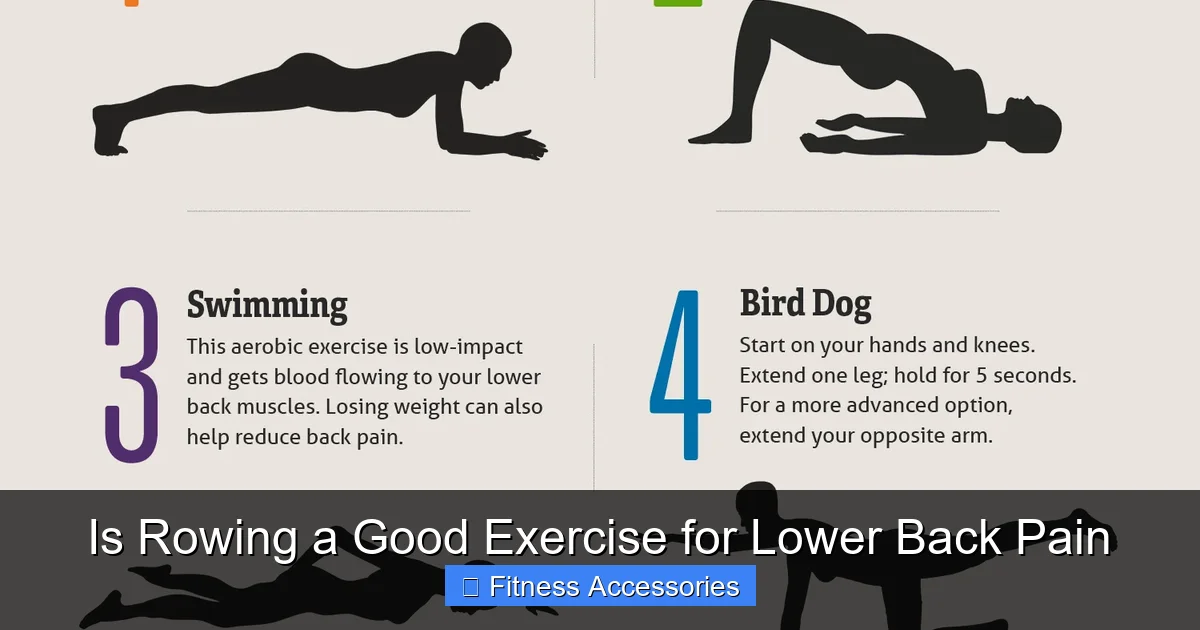
Visual guide about Is Rowing a Good Exercise for Lower Back Pain
Image source: blog.ohiohealth.com
The motion engages the legs, glutes, core, back, shoulders, and arms. Because the power comes from the legs and hips, the lower back should act as a stabilizer, not the primary mover.
Why Rowing Is Considered Low‑Impact
Unlike running, rowing keeps both feet on a fixed surface and eliminates the repetitive pounding that can jar the spine. The smooth, fluid motion reduces shock, which is why many physiotherapists recommend rowing machines for cardiovascular fitness when joint pain is a concern.
Benefits of Rowing for the Lower Back
Strengthening Core Muscles
The core—abdominals, obliques, and deep spinal stabilizers—works hard to keep your spine neutral during each stroke. A stronger core means less strain on the lumbar discs and ligaments.
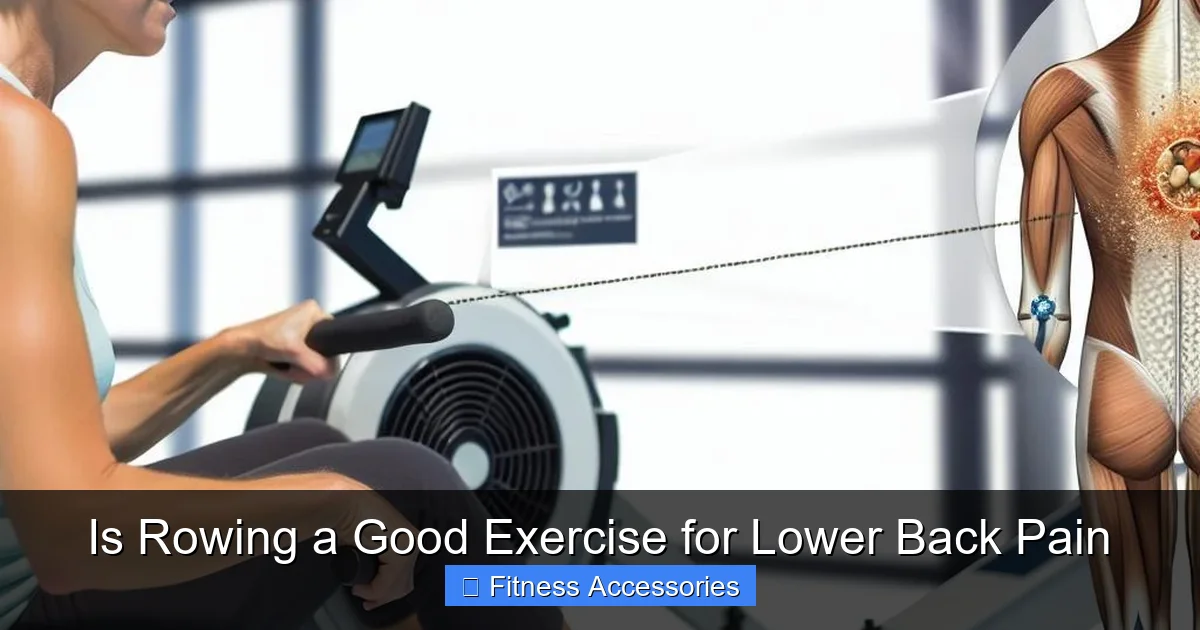
Visual guide about Is Rowing a Good Exercise for Lower Back Pain
Image source: backpainsolution.org
Improving Posture
Rowing trains you to sit upright, engage the chest, and avoid slouching. Over time, this can translate to better everyday posture, which is a key factor in preventing chronic back pain.
Cardiovascular Health Without Spinal Compression
Because the movement is seated and the impact is minimal, you get a solid cardio session while keeping compression on the lumbar vertebrae low. This is especially helpful for people who find high‑impact cardio too harsh on their backs.
Potential Risks: When Rowing Can Harm the Lower Back
Rounding the Lower Back
If you start the drive with a rounded lumbar spine, the discs take extra pressure. Over time this can lead to irritation or even herniation. The key is to keep a neutral curve—think of a gentle “C” shape, not a “U”.

Visual guide about Is Rowing a Good Exercise for Lower Back Pain
Image source: eatthis.com
Using Too Much Resistance Too Soon
Heavy resistance forces you to pull harder with the back muscles, which can overwork the lumbar region before the surrounding muscles are ready. Begin with light resistance and focus on technique.
Improper Seat Position and Foot Straps
A seat that slides too far forward or foot straps that are too loose cause you to over‑rotate the hips, pulling the lower back out of alignment. Adjust the footplates so that the knees are slightly bent at the catch position.
How to Row Safely When You Have Lower Back Pain
Step‑by‑Step Form Checklist
- Set up the machine: Adjust the foot straps, seat, and damper (resistance) to a comfortable level.
- Start with the catch: Knees bent, shins vertical, shins just past the footplates, torso leaning slightly forward from the hips, spine neutral.
- Drive: Push through the heels, straighten the legs, keep the core braced, then hinge at the hips and pull the handle to the lower ribs.
- Recovery: Extend the arms, hinge forward, then bend the knees to slide the seat forward, returning to the catch.
- Breathing: Inhale during recovery, exhale during the drive.
Progression Plan for a Sensitive Back
Week 1–2: 5‑minute sessions at the lowest resistance, focusing on the form checklist. Rest between strokes if needed.
Week 3–4: Increase to 10 minutes, add 1‑2 minutes of gentle core activation (planks, bird‑dogs) before rowing.
Week 5–6: Add 1‑2 minutes of moderate resistance while maintaining perfect form. Keep total session under 20 minutes.
Mobility and Stretching Routines
Incorporate these moves on rowing days:
- Cat‑Cow stretch (5 reps): Mobilizes the thoracic and lumbar spine.
- Hip flexor stretch (30 seconds each side): Reduces anterior pelvic tilt.
- Hamstring wall stretch (30 seconds each side): Prevents pulling the pelvis forward.
Strengthening Complementary Muscles
Adding a few targeted exercises 2‑3 times a week can protect your back while you row:
- Glute bridges (3 × 12): Activate the glutes to share the load.
- Dead bugs (3 × 10 each side): Teach core stability.
- Standing banded rows (3 × 15): Strengthen the upper back without spinal loading.
Alternatives and Complementary Cardio Options
When Rowing Feels Too Much
If you experience sharp pain despite perfect form, consider swapping a rowing session for one of these low‑impact activities:
- Swimming: Water supports the spine while providing full‑body resistance.
- Elliptical trainer: Smooth gliding motion keeps impact low.
- Walking on a treadmill with slight incline: Improves circulation without loading the lumbar region.
Hybrid Workouts
Combine rowing with other modalities to keep the routine fresh and protect the back. For example, a 15‑minute row followed by 10 minutes of gentle yoga (focus on cat‑cow, child’s pose, and supine twists) can enhance flexibility and reduce tension.
When to Seek Professional Advice
Red Flags That Need a Doctor’s Eye
If you notice any of the following, stop rowing and consult a healthcare professional:
- Sudden, sharp pain that radiates down the leg.
- Numbness or tingling in the buttocks or feet.
- Loss of bladder or bowel control.
- Persistent pain that worsens after rest.
Working with a Physical Therapist
A PT can assess your movement patterns, recommend personalized modifications, and design a rehab program that may include rowing as a controlled, therapeutic tool.
Conclusion: Can Rowing Be a Good Exercise for Lower Back Pain?
In short, yes—rowing can be a good exercise for lower back pain when you respect the fundamentals of form, start with low resistance, and pair the activity with core‑strengthening and mobility work. The rowing machine offers a low‑impact cardio option that, unlike running or high‑impact aerobics, does not hammer the spine. However, the same benefits disappear if you sacrifice technique or push too hard, too fast.
Take the gradual approach outlined above, listen to your body, and don’t hesitate to get professional input if pain persists. With patience and proper mechanics, rowing can become a spine‑friendly part of your fitness toolbox, helping you stay fit while keeping the lower back happy.
Frequently Asked Questions
Is rowing safe for someone with chronic lower back pain?
It can be safe if you use proper form, start with low resistance, and keep the spine neutral. Always consult a healthcare provider before beginning.
How long should a beginner rowing session be if they have back pain?
Start with 5‑10 minutes, focusing on technique. Gradually increase the duration by 2‑3 minutes each week as tolerated.
What is the most common rowing mistake that hurts the lower back?
Rounding the lumbar spine during the drive. This places excess pressure on the discs and can trigger pain.
Can I use a rowing machine at the gym if I have a herniated disc?
Only under a doctor’s or physical therapist’s guidance. Light resistance and strict form are essential, and you may need to limit range of motion.
Should I combine rowing with other back‑friendly exercises?
Yes. Adding core‑stability work, glute activation, and regular stretching helps protect the lower back and enhances rowing performance.
What alternative cardio machines are recommended for lower back pain?
Swimming, elliptical trainers, and walking on an incline are all low‑impact options that spare the lumbar spine while still providing a good workout.