Is Riding a Stationary Bike Bad for Knees

Is riding a stationary bike bad for knees? The short answer is no — when done correctly, it is one of the safest low-impact exercises for knee health. Stationary bikes put minimal stress on your joints compared to running or walking on a treadmill. This guide covers proper form, common mistakes, and expert-backed tips to keep your knees safe.
Have you ever hopped on a stationary bike and felt a dull ache in your knees halfway through your workout? You are not alone. Many people wonder whether riding a stationary bike is bad for knees, especially if they have a history of joint pain or injuries.
The good news is that cycling is widely regarded as one of the best low-impact exercises for knee health. Unlike running or jogging, which slam your joints with every stride, stationary bike workouts let you move your legs in a smooth, controlled motion. This makes them ideal for people who want to stay active without beating up their joints.
But that does not mean you can just hop on and ride without thinking. Bad form, wrong settings, and overuse can all lead to knee pain on a bike. In this article, we will break down everything you need to know about stationary bike knee safety. You will learn what causes knee pain, how to set up your bike correctly, and when to see a doctor.
Whether you are recovering from an injury, managing arthritis, or just trying to stay fit, this guide will help you ride smarter and safer. Let us dive in.
Key Takeaways
- Stationary biking is generally knee-friendly: It is a low-impact exercise that reduces joint stress compared to running or jogging.
- Proper bike setup matters: Incorrect seat height or pedal position can cause knee pain even on a stationary bike.
- Riding technique prevents injuries: Maintaining correct posture and resistance levels protects your knee joints.
- People with existing knee conditions can benefit: Studies show cycling helps with knee rehabilitation and arthritis management.
- Know when to stop: Persistent knee pain during or after riding signals a problem that needs attention.
- Compare options wisely: Some machines are easier on knees than others, and choosing the right one matters.
📑 Table of Contents
- Why People Worry About Knees and Stationary Bikes
- Is Riding a Stationary Bike Bad for Knees?
- How to Set Up Your Stationary Bike to Protect Your Knees
- Proper Pedaling Technique for Knee Safety
- Who Should Be Extra Careful With Stationary Bikes?
- Benefits of Riding a Stationary Bike for Knee Health
- Quick Tips to Keep Your Knees Safe on a Stationary Bike
- Common Mistakes That Cause Knee Pain on Stationary Bikes
- When to See a Doctor About Knee Pain
- Conclusion
Why People Worry About Knees and Stationary Bikes
The knee is one of the most complex joints in the human body. It bears a lot of weight and handles a wide range of motion every single day. So it is natural to worry about putting it through repetitive motion like cycling.
Many people associate cycling with knee pain because they have heard stories or experienced it themselves. But here is the truth: the bike is not the enemy. Usually, the problem comes down to how you use it. Understanding this distinction is the first step toward pain-free riding.
Common Causes of Knee Pain While Cycling
Several factors can trigger knee discomfort during or after a ride. Let us look at the most common ones.
- Incorrect seat height: If your seat is too low or too high, your knees compensate by bending at awkward angles. This puts extra pressure on the joint.
- Too much resistance: Pushing against heavy resistance forces your knees to work harder than they should. This is a common mistake among beginners.
- Poor pedaling technique: Relying only on the downstroke instead of a full circular pedal motion creates uneven stress on the knee.
- Overuse: Riding too long or too often without rest can inflame the tendons around the knee.
- Existing conditions: People with arthritis, meniscus tears, or previous knee injuries are more susceptible to pain during exercise.
How Stationary Bikes Compare to Other Cardio Machines
Not all cardio machines treat your knees the same way. Let us compare a few popular options.
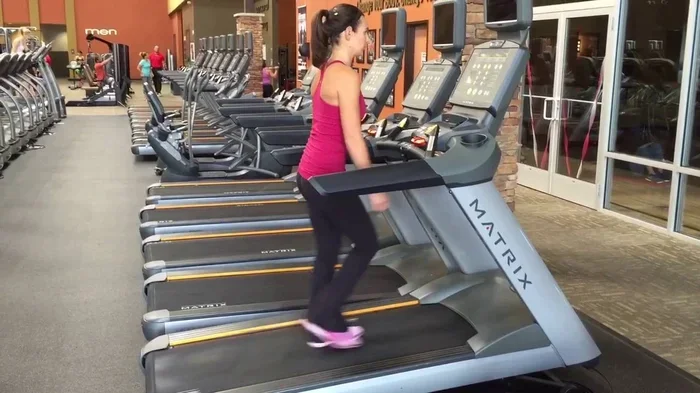
- Treadmill: Running on a treadmill creates significant impact on the knees. Each footstrike sends shock waves through the joint. If you have bad knees, a treadmill may not be your best friend.
- Elliptical: Ellipticals are also low-impact, but they require a standing posture that can strain the knees differently. Some people find them uncomfortable on longer rides.
- Stationary Bike: Cycling on a stationary bike keeps you seated and in a controlled motion. The stationary bike knee impact is minimal, making it one of the gentlest options available.
- Rowing Machine: Rowing engages the knees but in a different way. It involves bending and straightening under load, which can be tough for people with existing knee problems.
If you are specifically looking for a knee-friendly machine, the stationary bike wins for most people. You can read more about treadmills vs. ellipticals for bad knees to understand the full picture.
Is Riding a Stationary Bike Bad for Knees?
The direct answer to this question is no — riding a stationary bike is not inherently bad for your knees. In fact, many doctors and physical therapists actually recommend cycling as part of knee rehabilitation programs. The smooth, circular motion of pedaling helps lubricate the joint and strengthen the muscles around it without jarring impact.
When you ride a stationary bike, your body weight is supported by the seat. This eliminates the gravitational force that would otherwise pound your knees with every step. The result is a workout that strengthens your legs and improves cardiovascular fitness while keeping stress off your joints.
However, this does not mean you should ignore pain. If something feels wrong during a ride, your body is telling you something. Listening to those signals is just as important as the workout itself.
The Science Behind Cycling and Knee Health
Research supports the idea that cycling is good for knees. Studies have shown that low-impact cycling can reduce stiffness, improve range of motion, and strengthen the quadriceps muscles that support the knee joint. The key is doing it correctly and consistently.
One study found that people with mild to moderate knee osteoarthritis experienced less pain and better function after regular stationary bike sessions. The controlled environment of a stationary bike makes it even safer than outdoor cycling, where uneven terrain adds unpredictable stress to the joints.
If you are dealing with a specific knee condition, you might want to check out this article on stationary bikes and torn meniscus for more targeted information.
How to Set Up Your Stationary Bike to Protect Your Knees
The single most important thing you can do for your knees is set up your bike correctly. A proper setup transforms cycling from a potentially painful activity into a safe, effective workout. Here is how to do it.
Step 1: Adjust Your Seat Height
Your seat height is the foundation of good knee alignment on a bike. When the pedal is at the lowest point of its rotation, your knee should have a very slight bend — about 25 to 30 degrees. If your leg is fully extended, the seat is too high. If your knee is bent too much, the seat is too low.
To find the right height, sit on the bike and place your heel on the pedal at its lowest point. Your leg should be straight without your hips rocking side to side. Once you place the ball of your foot on the pedal, you will have that perfect slight bend.
Step 2: Set the Seat Forward or Backward
Your seat position front to back also affects your knees. When the pedal is at the 3 o’clock position (the forward-most point), your front knee should be directly above the ball of your foot. If your knee is too far forward or too far back, you need to slide the seat.
This alignment ensures that your knee joint tracks properly throughout the pedal stroke. Poor tracking is one of the leading causes of cycling-related knee pain.
Step 3: Adjust Handlebar Height
Many people overlook the handlebars, but they matter for your knees too. If the handlebars are too low, you will lean forward and put more weight on your arms and knees. If they are too high, you may slouch and lose proper core engagement.
For knee protection, aim for handlebars that are at the same height as the seat or slightly higher. This keeps your weight distributed evenly and reduces strain on your joints.
Step 4: Start with Low Resistance
Resistance is like weight at the gym. Too much too soon is a recipe for pain. Start with a low to moderate resistance level and gradually increase it as your legs get stronger. A good rule of thumb is to be able to pedal comfortably while still feeling challenged.
If you are pushing so hard that your knees start to ache, the resistance is too high. Listen to your body and back off when needed.
Proper Pedaling Technique for Knee Safety
How you pedal matters just as much as how your bike is set up. Many beginners use only the downstroke, which puts concentrated force on the front of the knee. Learning a full circular pedaling motion distributes the work more evenly across the joint.
The Full Circle Pedal Stroke
Imagine scraping mud off the bottom of your shoe as you bring the pedal back around. This mental cue helps you engage the muscles at the top and bottom of the stroke. A complete pedal circle uses more muscles and takes pressure off any single point of the knee.
Focus on these three phases of the pedal stroke:
- Downstroke (1 to 5 o’clock): This is where most of your power comes from. Push down smoothly and steadily.
- Backstroke (5 to 7 o’clock): Pull your foot back gently. This engages your hamstrings and takes some load off the quadriceps and knees.
- Upstroke (7 to 11 o’clock): Lift your foot slightly. This works your hip flexors and keeps the motion fluid.
Practicing this technique might feel awkward at first, but it becomes second nature with time. And your knees will thank you for it.
Who Should Be Extra Careful With Stationary Bikes?
While stationary bikes are safe for most people, certain groups need to take extra precautions. Knowing your risk factors helps you adjust your approach and avoid injury.
People With Arthritis
If you have osteoarthritis or rheumatoid arthritis, cycling can actually help. The motion lubricates the joint and strengthens surrounding muscles without high impact. However, you should keep resistance low and sessions moderate. Long rides with heavy resistance can flare up arthritis symptoms.
People With Previous Knee Injuries
If you have had a knee surgery or significant injury in the past, get clearance from your doctor before starting a cycling routine. Once you are cleared, work with a physical therapist to develop a safe program. Riding a stationary bike after knee surgery is often recommended as part of recovery, but the timing and intensity must be carefully managed.
People With Patellar Tendinitis
Also known as jumper’s knee, patellar tendinitis causes pain just below the kneecap. Cycling with this condition can be tricky because the tendon is loaded during every pedal stroke. Reducing resistance, shortening sessions, and ensuring proper seat height can help manage symptoms.
Benefits of Riding a Stationary Bike for Knee Health
Beyond just being safe, stationary bikes offer specific benefits that actively support knee health. Here are some of the top advantages.
- Strengthens the muscles around the knee: Strong quadriceps and hamstrings act as natural knee braces, absorbing shock and stabilizing the joint.
- Improves blood flow to the joint: Movement brings nutrient-rich blood to the cartilage and tissues, promoting healing and reducing stiffness.
- Maintains range of motion: Regular pedaling keeps the knee joint flexible and prevents it from stiffening up.
- Burns calories without impact: You get a great cardio workout without the wear and tear that comes from high-impact activities like running.
- Supports weight management: Maintaining a healthy weight reduces the load on your knees every single day. If you want to learn more about weight loss benefits, check out this guide on how effective stationary bikes are for weight loss.
The benefits extend far beyond just the knees. Regular cycling improves heart health, boosts mood, and increases overall endurance. It is one of the most well-rounded exercises you can do, especially if joint health is a concern.
Quick Tips to Keep Your Knees Safe on a Stationary Bike
Here are some practical tips you can start using today to protect your knees while cycling.
- Warm up for 5 to 10 minutes before jumping into intense pedaling. Start with low resistance and gentle movements to get blood flowing to the joints.
- Stretch after every ride. Focus on your quadriceps, hamstrings, and calves. Tight muscles pull on the knee joint and can cause pain over time.
- Keep your sessions moderate. Start with 15 to 20 minutes and gradually build up. There is no need to ride for an hour if you are just starting out.
- Wear proper footwear. Shoes with good support help stabilize your feet and ankles, which affects how your knees track during pedaling.
- Stay hydrated. Dehydration can reduce the cushioning fluid in your joints, making them more prone to discomfort.
- Rest when you need to. Overtraining is one of the fastest ways to develop knee pain. Give your body time to recover between sessions.
These simple habits make a huge difference over time. Consistency with proper care is the key to years of pain-free cycling.
Common Mistakes That Cause Knee Pain on Stationary Bikes
Avoiding these mistakes will save you a lot of grief. Many people develop knee pain on a stationary bike simply because of habits they do not even realize are harmful.
- Skipping the warm-up: Cold muscles and stiff joints do not respond well to sudden movement. A proper warm-up is non-negotiable.
- Riding with your knees caving inward: This is called knee valgus, and it puts enormous stress on the ligaments. Keep your knees tracking in line with your toes.
- Using too much resistance too soon: More resistance is not always better. It should challenge you without causing pain.
- Ignoring pain signals: Some people think pushing through pain builds strength. But with joints, pain usually means damage. Stop and assess if your knees hurt during a ride.
- Neglecting to adjust the bike: Every body is different. The default settings on a gym bike are not meant for your specific body. Always customize your setup.
By steering clear of these common errors, you can enjoy all the benefits of cycling without the downside of knee pain.
When to See a Doctor About Knee Pain
Not all knee pain is cause for alarm. Soreness after a new or intense workout is normal and usually goes away within a day or two. But certain types of pain deserve professional attention.
See a doctor if you experience any of the following:
- Sharp or stabbing pain that comes on suddenly during a ride.
- Swelling around the knee joint that does not go down after rest.
- Popping or clicking sounds accompanied by pain or instability.
- Pain that persists for more than a few days after stopping exercise.
- Difficulty bearing weight on the affected knee during daily activities.
A healthcare professional can properly diagnose the issue and recommend a treatment plan. In many cases, they will suggest physical therapy or modifications to your cycling routine rather than stopping altogether.
Conclusion
So, is riding a stationary bike bad for knees? The evidence is clear: when set up correctly and used with proper technique, stationary biking is one of the safest and most effective exercises for knee health. It strengthens the muscles around the joint, improves flexibility, and provides a great cardio workout without the jarring impact of running or walking on a treadmill.
The key is to be smart about it. Adjust your bike to fit your body, use proper pedaling form, start slow, and listen to what your knees are telling you. If you take care of your joints, they will take care of you for years to come.
Whether you are a complete beginner or a seasoned cyclist, these principles apply. Protect your knees, enjoy your rides, and remember that consistency beats intensity every single time. Happy cycling!
Frequently Asked Questions
Can riding a stationary bike make knee pain worse?
Yes, if the bike is set up incorrectly or you use too much resistance, it can make existing knee pain worse. However, when done correctly with proper form and appropriate settings, stationary biking typically helps reduce knee pain rather than cause it.
How long should I ride a stationary bike if I have bad knees?
Start with 10 to 15 minute sessions and gradually increase to 20 to 30 minutes as your comfort level improves. Keep resistance low and focus on maintaining proper form throughout the ride. Consistency matters more than duration.
Is a recumbent bike better for knees than an upright bike?
A recumbent bike can be easier on the knees for some people because it offers back support and a more open hip angle. However, both types are generally knee-friendly when used correctly. Choose the one that feels most comfortable for your body.
Should I avoid cycling if I have arthritis in my knees?
No, most doctors actually recommend cycling for people with knee arthritis. The low-impact motion helps lubricate the joint and strengthen surrounding muscles. Just keep resistance low, avoid long sessions, and consult your doctor if you are unsure.
What is the best resistance level for protecting knees on a stationary bike?
A moderate resistance level that allows you to pedal smoothly without straining is best. You should be able to maintain a steady rhythm without your knees aching. If you feel your knees grinding or hurting, reduce the resistance immediately.
Can cycling help recover from a knee injury?
Yes, cycling is often recommended as part of knee injury rehabilitation. The low-impact motion helps restore range of motion and rebuild strength around the joint. Always get clearance from your doctor or physical therapist before starting after an injury.