Is It Safe to Use Rowing Machine While Pregnant
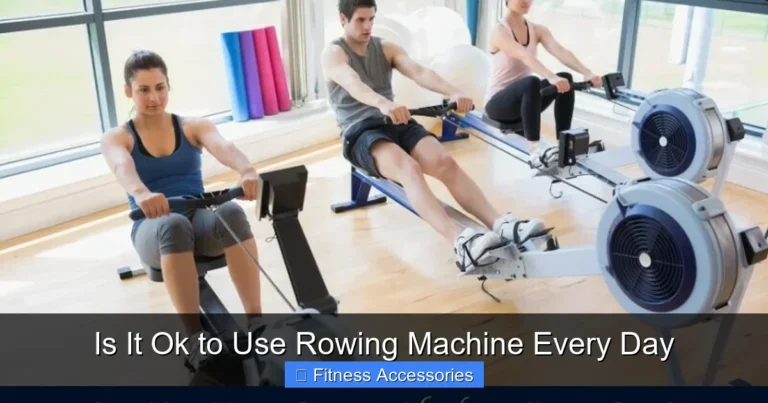
Using a rowing machine while pregnant can be safe for many women, but it requires caution, proper technique, and approval from a healthcare provider. Low-impact cardio like rowing offers excellent benefits during pregnancy, including improved circulation, reduced swelling, and better mood. However, each trimester brings unique challenges, and modifications are essential to protect both mother and baby. Always listen to your body and consult your doctor before starting or continuing any exercise routine during pregnancy.
Key Takeaways
- Consult your doctor first: Always get medical clearance before using a rowing machine while pregnant, especially if you have any pregnancy complications or risk factors.
- Rowing is low-impact: It provides an excellent cardiovascular workout without putting harsh stress on your joints, making it a favorable option for expecting mothers.
- Modify intensity each trimester: As your body changes, you should reduce resistance, slow your pace, and adjust your range of motion accordingly.
- Focus on proper form: Maintain an upright posture, engage your core safely, and avoid overreaching or jerky movements that could strain your body.
- Watch for warning signs: Stop immediately if you experience dizziness, shortness of breath, vaginal bleeding, chest pain, or contractions.
- Stay hydrated and cool: Pregnancy raises your body temperature, so drink plenty of water and row in a well-ventilated space.
- Previously active mothers may continue: If you rowed regularly before pregnancy, you can often continue with modifications, but beginners should avoid starting during pregnancy.
📑 Table of Contents
- Is It Safe to Use a Rowing Machine While Pregnant?
- Benefits of Using a Rowing Machine During Pregnancy
- Understanding the Risks and Precautions
- Trimester-by-Trimester Guidelines
- Proper Rowing Technique During Pregnancy
- Warning Signs to Stop Rowing Immediately
- Alternative Exercises If Rowing Does Not Feel Right
- Expert Opinions and Research
- Conclusion
Is It Safe to Use a Rowing Machine While Pregnant?
Pregnancy is a time of enormous change, and staying active can feel both exciting and intimidating. If you were a regular rower before your baby arrived, you are probably wondering whether you can keep using your favorite machine. The short answer is that using a rowing machine while pregnant can be safe for many women, but it depends on your individual health, your fitness history, and how you adapt your routine as your pregnancy progresses.
Rowing is a low-impact, full-body workout that strengthens the cardiovascular system while building muscular endurance. Unlike running or jumping, it does not pound your joints or create sudden impact. For that reason, many obstetricians and fitness experts consider rowing one of the more pregnancy-friendly cardio options. Still, every pregnancy is unique, and what feels comfortable in the first trimester may become risky by the third. Understanding the benefits, the risks, and the right modifications will help you make an informed decision.
In this guide, we will walk through everything you need to know about using a rowing machine while pregnant. We will cover trimester-by-trimester guidelines, safety precautions, proper technique, warning signs to watch for, and answers to the most common questions expecting mothers ask. Whether you are a seasoned athlete or someone who simply wants to stay active, this article will help you navigate prenatal fitness with confidence.
Benefits of Using a Rowing Machine During Pregnancy
Low-Impact Cardiovascular Conditioning
One of the greatest advantages of rowing is that it provides a powerful cardiovascular workout without stressing your joints. During pregnancy, your body releases the hormone relaxin, which loosens ligaments and joints to prepare for childbirth. This makes high-impact activities like running or plyometrics more uncomfortable and potentially risky. A rowing machine, on the other hand, keeps your feet planted and your body supported, allowing you to raise your heart rate safely.

Visual guide about Is It Safe to Use Rowing Machine While Pregnant
Image source: safe.co.uk
Regular cardiovascular exercise during pregnancy has been linked to improved blood pressure regulation, better sleep quality, reduced gestational diabetes risk, and a more positive mood. The American College of Obstetricians and Gynecologists (ACOG) recommends at least 150 minutes of moderate-intensity aerobic activity per week for healthy pregnant women. Rowing fits neatly into that recommendation when performed at a comfortable pace.
Full-Body Muscle Engagement
Rowing engages approximately 86% of the body’s muscles. The movement works your legs, back, core, shoulders, and arms in a coordinated sequence. For pregnant women, this full-body engagement helps maintain muscle tone, supports postural changes, and builds the stamina needed for labor and delivery.
Importantly, rowing strengthens the posterior chain — the muscles along the back of your body. As your belly grows, these muscles work harder to keep you upright. A strong back can reduce the lower-back pain that plagues many expecting mothers. Additionally, the leg drive component of rowing helps maintain lower-body circulation, which may reduce swelling in the ankles and feet.
Mental Health and Stress Relief
Pregnancy hormones can bring mood swings, anxiety, and fatigue. Exercise releases endorphins, which are natural mood boosters. The rhythmic, repetitive nature of rowing can be almost meditative, giving your mind a break from the constant stream of pregnancy worries. Many women report that a gentle rowing session leaves them feeling calmer, more centered, and more energized.
Understanding the Risks and Precautions
Why Medical Clearance Is Essential
Before you step foot on a rowing machine, you need to talk to your healthcare provider. Certain pregnancy complications make exercise unsafe. Your doctor may advise against physical activity if you have placenta previa after 26 weeks, incompetent cervix, persistent second- or third-trimester bleeding, ruptured membranes, preeclampsia, or a history of spontaneous preterm birth.

Visual guide about Is It Safe to Use Rowing Machine While Pregnant
Image source: askgazebo.com
Even if your pregnancy is low-risk, your doctor knows your medical history and can give you personalized guidance. Some women may need to limit exercise intensity, avoid certain movements, or stop altogether depending on how their pregnancy unfolds. Never assume that because you were active before, you can continue without checking in with your provider.
The Supine Position Concern
After the first trimester, lying flat on your back for extended periods can compress the vena cava, the large vein that returns blood to the heart. This can cause dizziness, low blood pressure, and reduced blood flow to the baby. While rowing does not place you on your back, certain rowing machine designs — particularly those with a very low seat or a reclined position — could put you in a semi-supine posture. Standard upright rowing machines are generally fine, but be mindful of your body position throughout the movement.
Core Temperature and Overheating
Pregnant women run hotter than usual. Your baseline body temperature is slightly elevated during pregnancy, and overheating during exercise can be dangerous for the developing baby, especially during the first trimester. Signs of overheating include feeling excessively hot, nausea, dizziness, and rapid heartbeat that does not match your effort level.
To prevent overheating, row in a cool, well-ventilated room. Wear loose, breathable clothing. Drink water before, during, and after your session. Avoid rowing in hot environments such as a garage in summer or a stuffy gym without air conditioning.
Trimester-by-Trimester Guidelines
First Trimester (Weeks 1–12)
The first trimester is often the most delicate period of pregnancy. While many women do not yet look pregnant, enormous changes are happening inside. The baby’s major organs are forming, and the risk of miscarriage is highest during this period. That said, if you were rowing regularly before pregnancy, you can generally continue with some adjustments.

Visual guide about Is It Safe to Use Rowing Machine While Pregnant
Image source: mahmayi.com
During the first trimester, focus on maintaining your fitness rather than pushing for personal records. Keep your intensity at a moderate level where you can still hold a conversation. Fatigue and nausea may hit unexpectedly, so be willing to shorten your sessions or skip a day if your body is asking for rest. Stay well-hydrated and avoid overheating.
If you are new to rowing, this is not the time to start. Your body is already working hard to support the pregnancy, and adding a brand-new exercise routine can be too much stress. Stick with activities you already know and love.
Second Trimester (Weeks 13–26)
The second trimester is often called the “golden period” of pregnancy. Energy levels tend to return, morning sickness usually fades, and the belly is not yet so large that movement becomes awkward. This is typically the safest and most comfortable time to use a rowing machine.
As your belly grows, you will need to modify your technique. Shorten your stroke slightly to avoid compressing your abdomen at the catch position. Reduce the resistance setting on your machine. Focus on smooth, controlled movements rather than explosive power. Your center of gravity is shifting, so be careful when getting on and off the machine.
This is also a good time to incorporate pelvic floor exercises into your routine. The rowing motion naturally engages the pelvic floor, which can help prepare your body for delivery and reduce the risk of postpartum incontinence.
Third Trimester (Weeks 27–40)
By the third trimester, your belly is large and your body is preparing for birth. Balance becomes a challenge, and fatigue returns. Many women find that rowing becomes uncomfortable or impractical during these final weeks. The range of motion required for a full stroke may feel restricted, and the effort of pulling may feel disproportionately hard.
If you still feel comfortable rowing, keep sessions short — 15 to 20 minutes at low resistance. Monitor your heart rate carefully. Some experts recommend keeping your heart rate below 140 beats per hour during pregnancy, though newer guidelines suggest using the “talk test” as a more reliable gauge. If you cannot speak comfortably while rowing, you are pushing too hard.
Listen to your body above all else. If rowing no longer feels good, switch to walking, swimming, or prenatal yoga. The goal is to stay active, not to force yourself through a workout that causes discomfort.
Proper Rowing Technique During Pregnancy
Setting Up the Machine Correctly
Proper setup is critical when using a rowing machine while pregnant. Adjust the foot straps so they sit comfortably over the widest part of your foot. Make sure the seat allows you to slide freely without hitting the end of the rail. Set the resistance to a low level — typically between 3 and 5 on a 10-point scale. You want enough resistance to feel the workout, but not so much that you have to strain.

Visual guide about Is It Safe to Use Rowing Machine While Pregnant
Image source: barrenjoey.com.au
If your machine has a performance monitor, use it to track your stroke rate and pace. Aim for a stroke rate of 18 to 24 strokes per minute. This is a comfortable, sustainable pace that keeps your heart rate in a safe zone.
The Pregnancy-Safe Rowing Stroke
The rowing stroke has four phases: the catch, the drive, the finish, and the recovery. During pregnancy, each phase requires slight modification.
The Catch: At the start of the stroke, your knees are bent and your arms are extended forward. Avoid rounding your back or collapsing your chest. Keep your shoulders relaxed and your spine neutral. As your belly grows, you may need to start from a slightly more upright position.
The Drive: Push with your legs first, then swing your torso back slightly, and finally pull with your arms. The power should come from your legs, not your back. Engage your core gently — think of bracing as if someone were about to poke your stomach, not sucking in tightly.
The Finish: Lean back slightly, but avoid excessive arching. Your elbows should be behind your torso, and your legs should be fully extended. Do not let your shoulders hunch up toward your ears.
The Recovery: Extend your arms first, then hinge forward at the hips, and finally bend your knees to slide back to the catch. Move smoothly and deliberately. Rushing the recovery can cause jerky movements that strain your joints.
Breathing Techniques
Proper breathing is essential during pregnancy exercise. Exhale during the drive phase (the hard part) and inhale during the recovery phase (the easy part). Never hold your breath. Holding your breath, known as the Valsalva maneuver, can increase intra-abdominal pressure and reduce blood flow to the placenta.
If you find yourself gasping or unable to breathe comfortably, slow down. Your body is telling you that the intensity is too high. Pregnancy increases your resting heart rate, so you may feel more winded than usual even at low intensities. This is normal and not a cause for concern as long as you can still speak in short sentences.
Warning Signs to Stop Rowing Immediately
Knowing when to stop is just as important as knowing how to exercise. If you experience any of the following symptoms while using a rowing machine, stop immediately and contact your healthcare provider:

Visual guide about Is It Safe to Use Rowing Machine While Pregnant
Image source: archute.com
- Vaginal bleeding or spotting — This could indicate a problem with the placenta or cervix.
- Regular, painful contractions — These may be a sign of preterm labor.
- Amniotic fluid leakage — A steady trickle or gush of fluid means your water may have broken.
- Chest pain or rapid heartbeat — These could signal a cardiovascular issue.
- Severe dizziness or fainting — This may indicate low blood pressure or overheating.
- Persistent headache — A severe headache that does not go away can be a sign of preeclampsia.
- Decreased fetal movement — If you notice your baby is moving less than usual, stop and call your doctor.
- Muscle weakness or calf pain — This could indicate a blood clot, which requires emergency care.
It is always better to err on the side of caution. If something feels wrong, trust your instincts. You can always resume exercise once your doctor gives you the all-clear.
Alternative Exercises If Rowing Does Not Feel Right
If rowing becomes uncomfortable or your doctor advises against it, plenty of other safe exercises can keep you active during pregnancy. Walking is the most accessible option — it requires no equipment, can be done anywhere, and is gentle on the body. Swimming is another excellent choice because the water supports your weight, reducing stress on your joints and back.

Visual guide about Is It Safe to Use Rowing Machine While Pregnant
Image source: surveillanceguides.com
Stationary cycling provides a good cardio workout without impact, though a recumbent bike may be more comfortable as your belly grows. Prenatal yoga improves flexibility, reduces stress, and strengthens the pelvic floor. Low-impact aerobics classes designed for pregnant women offer social interaction and guided instruction.
The key is to find something you enjoy and can do consistently. Staying active during pregnancy is about maintaining health and well-being, not about hitting performance goals.
Expert Opinions and Research
Major health organizations support moderate exercise during pregnancy for most women. The ACOG states that exercise during pregnancy reduces the risk of gestational diabetes, preeclampsia, and cesarean delivery. The Royal College of Obstetricians and Gynaecologists in the UK echoes these recommendations, noting that exercise does not increase the risk of miscarriage, low birth weight, or preterm birth in normal pregnancies.

Visual guide about Is It Safe to Use Rowing Machine While Pregnant
Image source: irp.cdn-website.com
Research specifically on rowing during pregnancy is limited, but studies on moderate-intensity resistance and cardio exercise consistently show benefits for both mother and baby. A 2017 systematic review published in the British Journal of Sports Medicine found that prenatal exercise improves maternal fitness, reduces excessive gestational weight gain, and is associated with shorter labor and fewer instrumental deliveries.
Sports medicine experts generally agree that women who were active before pregnancy can continue their routines with appropriate modifications. The principle of “listen to your body” is especially important during pregnancy because your body’s signals are changing daily.
Conclusion
Using a rowing machine while pregnant can be a safe and effective way to stay fit, provided you take the right precautions. The low-impact nature of rowing makes it an appealing option for expecting mothers who want to maintain cardiovascular health and muscle tone without stressing their joints. However, pregnancy is not the time to push personal records or train aggressively.

Visual guide about Is It Safe to Use Rowing Machine While Pregnant
Image source: howguide.net
The most important steps you can take are to get medical clearance, modify your technique and intensity as your pregnancy progresses, stay hydrated and cool, and pay close attention to your body’s signals. Every pregnancy is different, and what works for one woman may not work for another. Your baby’s health and your own well-being come first, always.
If rowing feels good and your doctor approves, enjoy those sessions. If it does not feel right, there are plenty of other ways to stay active. The goal is to move your body in a way that supports a healthy pregnancy and prepares you for the incredible work of bringing a new life into the world.
Frequently Asked Questions
Can I use a rowing machine in the first trimester?
Yes, if you were rowing regularly before pregnancy and your doctor approves, you can continue during the first trimester. Keep intensity moderate, stay hydrated, and avoid overheating. This is not the time to start rowing if you are new to the exercise.
How long should I row for while pregnant?
Most pregnant women can safely row for 20 to 30 minutes at moderate intensity. As pregnancy progresses, you may need to shorten sessions. Always use the talk test — if you cannot speak comfortably, reduce your effort.
What resistance level should I use on a rowing machine during pregnancy?
Keep the resistance low, typically between 3 and 5 on a 10-point scale. The goal is a smooth, controlled stroke without straining. Higher resistance requires more effort and can raise your heart rate too much.
Is rowing safe during the third trimester?
Rowing during the third trimester is possible for some women, but it often becomes uncomfortable as the belly grows. Keep sessions short, use low resistance, and stop if you feel any discomfort. Many women switch to walking or swimming in the final weeks.
Can rowing cause a miscarriage?
For healthy pregnancies, moderate exercise like rowing does not increase the risk of miscarriage. However, women with certain complications such as placenta previa or a history of preterm birth may be advised to avoid exercise. Always consult your healthcare provider.
Should I avoid rowing if I was not active before pregnancy?
If you were not active before pregnancy, rowing is not the best exercise to start during this time. Instead, begin with gentler activities like walking or prenatal yoga. Once you have built a base of fitness, you can consider adding rowing after getting your doctor’s approval.