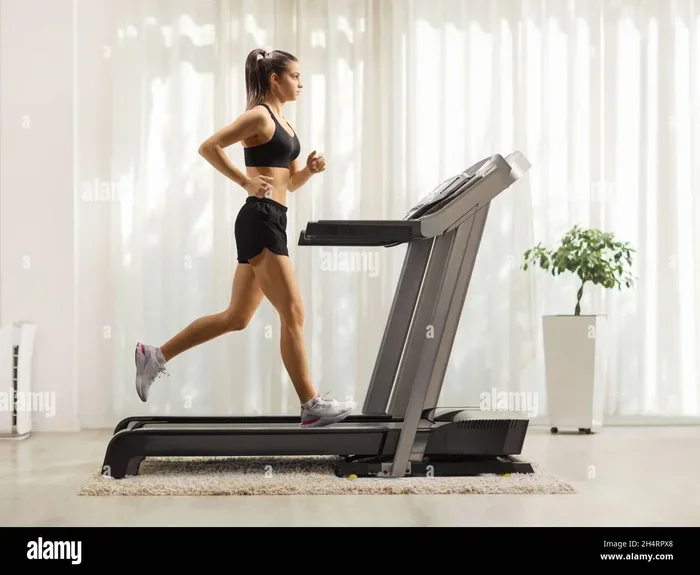
Is Doing the Elliptical the Same as Running

Doing the elliptical is not the same as running, but both offer great cardio benefits. The elliptical is a low impact exercise that protects your joints, while running is a high impact activity that builds more bone density. Understanding the differences helps you choose the right workout for your fitness goals and body type.
Is doing the elliptical the same as running? This is one of the most common questions people ask at the gym. Whether you are new to fitness or a seasoned athlete, understanding the differences between these two popular cardio exercises matters a lot. The answer is not as simple as yes or no. Each workout has unique benefits, drawbacks, and effects on your body.
Many people switch between the two because of injury, boredom, or specific fitness goals. Some love the smooth gliding motion of the elliptical. Others prefer the raw intensity of putting one foot in front of the other. Let us break down everything you need to know about doing the elliptical vs running so you can make the best choice for your body.
Key Takeaways
- Different impact levels: Running stresses your joints more, while the elliptical is gentle on knees, hips, and ankles.
- Calorie burn varies: Running typically burns more calories per minute than the elliptical at the same effort level.
- Muscle engagement differs: Running works more of your lower body, while the elliptical targets similar muscles with less intensity.
- Both improve heart health: Each cardio workout strengthens your heart and lungs effectively.
- Choice depends on goals: Pick running for bone density and calorie burn, or the elliptical for joint-friendly cardio.
- Cross training works: You can combine both exercises for a balanced fitness routine.
📑 Table of Contents
What Happens to Your Body When You Run
Running is one of the oldest forms of human exercise. It is simple, free, and requires no equipment besides a good pair of running shoes. But do not let the simplicity fool you. Running places significant stress on your body, especially your joints and bones.
The Impact of Running on Your Joints
Every time your foot strikes the ground while running, your joints absorb a force equal to about two to three times your body weight. This repeated impact can be tough on your knees, hips, and ankles. Over time, this stress can lead to joint pain or even injury if you do not take proper precautions.
However, this impact is not all bad. The force of running on the ground stimulates your bones to grow stronger. This is why running helps improve bone density, which is crucial as you age. People who run regularly often have stronger bones than those who do low impact exercise.
Muscles Worked During Running
Running engages a large portion of your lower body. Your quadriceps, hamstrings, glutes, calves, and hip flexors all fire up with every stride. Your core muscles also work hard to keep you stable and upright.
Running also challenges your cardiovascular system. Your heart rate rises quickly, and your breathing rate increases to deliver oxygen to your working muscles. This is what makes running such an effective aerobic exercise for building endurance and burning calories.
Calorie Burn During Running
Running is a calorie-torching workout. The number of calories you burn depends on your weight, pace, and distance. On average, a person burns about 100 calories per mile of running. A 30-minute run at a moderate pace can torch 300 to 400 calories or more, depending on your body weight and intensity.
If you want to maximize your calorie burn, running is hard to beat. But it comes with a trade-off. The high impact nature of running means you need to recover properly and listen to your body to avoid overuse injuries.
What Happens to Your Body on the Elliptical
The elliptical machine has been a gym staple for decades. It offers a smooth, gliding motion that mimics running without the harsh impact. But how does the elliptical workout actually compare to hitting the pavement or treadmill?
The Low Impact Advantage
The biggest benefit of the elliptical is its low impact nature. Your feet never leave the pedals, which means there is no jarring force on your joints. This makes the elliptical an excellent choice for people with joint pain, knee issues, or those recovering from injury.
If you have ever experienced knee pain after a run, you know how discouraging it can be. The elliptical lets you get your cardio workout in without that painful aftermath. Many physical therapists recommend the elliptical for patients who need to stay active but protect their joints.
Muscles Worked on the Elliptical
The elliptical targets many of the same muscle groups as running. Your quads, hamstrings, glutes, and calves all get a workout. The moving handlebars also engage your upper body, including your arms, shoulders, and chest. This full-body engagement is something running does not offer as naturally.
However, the muscle activation on the elliptical is generally less intense than running. Because there is no impact and no need to propel your body forward, your muscles do not work as hard. This means you may not build the same level of strength or endurance from the elliptical alone.
Calorie Burn on the Elliptical
So, does the elliptical burn as many calories as running? The short answer is usually no. At a comparable effort level, running tends to burn more calories per minute. The elliptical calorie burn is still solid, but it typically falls a bit short of what you would achieve running for the same duration.
That said, you can increase the intensity on an elliptical by adjusting the resistance and incline. Pushing yourself on the machine can close the gap. Still, for pure calorie burn, running has a slight edge. Check out our detailed guide on does the elliptical burn as many calories as running for a deeper dive.
Head-to-Head Comparison: Elliptical vs Running
Let us put the two workouts side by side so you can see the differences clearly. This comparison will help you decide which exercise fits your lifestyle and goals better.
| Factor | Running | Elliptical |
|---|---|---|
| Impact on Joints | High impact | Low impact |
| Calorie Burn | Higher per minute | Moderate |
| Bone Density | Builds bone strength | Minimal bone benefit |
| Muscle Engagement | Lower body focused | Full body engagement |
| Injury Risk | Higher | Lower |
| Equipment Needed | Running shoes | Machine access |
| Weight Bearing | Yes | No |
| Cardio Benefit | Excellent | Excellent |
As you can see from the table, both exercises deliver strong cardiovascular benefits. The choice really comes down to your personal needs. If you want to torch calories and build bone density, running wins. If you need a gentle workout that protects your joints, the elliptical is the better pick.
Which Is Better for Weight Loss?
When it comes to shedding pounds, both the elliptical and running can help. The key factor is how many calories you burn relative to how many you consume. Running generally burns more calories in less time, which can support faster weight loss.
But here is the thing that many people overlook: consistency matters more than intensity. If running causes pain and you stop after a week, it will not help your weight loss goals at all. The elliptical lets you exercise regularly without pain, which often leads to better long-term results.
For a deeper look at which machine wins for weight loss, check out our article on is the elliptical or treadmill better for weight loss. The principles apply similarly when comparing the elliptical to outdoor running.
How Long Should You Exercise?
The American Heart Association recommends at least 150 minutes of moderate aerobic activity per week. Whether you choose running or the elliptical, hitting this target is what drives real results. You can break this into 30-minute sessions five days a week.
If you are new to exercise, start with the elliptical. It is easier on your body and lets you build a foundation of fitness without the risk of injury. As your body adapts, you can add running sessions gradually.
Can You Replace Running with the Elliptical?
Many runners wonder if they can swap their outdoor runs for elliptical sessions. The answer depends on what you are training for. If you are preparing for a race or want to improve your running performance, nothing fully replaces the specificity of running practice.
However, the elliptical is a fantastic cross-training tool. It gives your running muscles a break from the constant impact while still building cardiovascular endurance. Many elite runners use the elliptical on their rest days or during recovery periods.
If you are dealing with an injury or chronic pain, the elliptical can keep you active while you heal. It maintains your fitness level without worsening your condition. Just be sure to consult a doctor or physical therapist before starting any new exercise program.
Common Mistakes People Make
Whether you are on the elliptical or the road, certain mistakes can hold you back or cause injury. Here are some common pitfalls to avoid:
- Slouching on the elliptical: Many people lean on the handlebars, which reduces the effectiveness of the workout and strains your back. Stand tall and engage your core.
- Running too much too soon: Beginners often go too hard, too fast. This leads to shin splints, stress fractures, and other overuse injuries. Build your mileage gradually.
- Skipping warm-ups: Jumping straight into intense cardio without warming up increases your risk of muscle strains and joint pain.
- Ignoring resistance on the elliptical: Using low resistance the entire time makes the workout too easy. Increase the resistance to challenge your muscles and boost calorie burn.
- Neglecting upper body on the elliptical: The moving handles are there for a reason. Pump your arms to engage your upper body and burn more calories.
Expert Tips to Get the Most Out of Both Workouts
Want to maximize your results? Here are some practical tips from fitness experts:
- Mix both exercises into your routine. Cross training with the elliptical and running gives your body variety and reduces the risk of overuse injuries.
- Track your heart rate. Keeping your heart rate in the target zone ensures you are working hard enough to see results. Most cardio machines have built-in heart rate monitors.
- Invest in proper gear. Good running shoes make a huge difference for outdoor runs. For the elliptical, wear supportive athletic shoes that grip the pedals firmly.
- Listen to your body. If something hurts, stop. Pushing through pain is a quick path to serious injury. Rest and recover when your body needs it.
- Set specific goals. Whether it is running a 5K or completing 30 minutes on the elliptical, having a clear target keeps you motivated and accountable.
Final Thoughts
So, is doing the elliptical the same as running? Not exactly. They share many similarities as cardio workouts, but they differ in impact, calorie burn, muscle engagement, and long-term benefits. Running offers higher calorie burn and stronger bone benefits but comes with greater joint stress. The elliptical provides a joint-friendly, full-body workout that is easier to sustain over time.
The best exercise is the one you will do consistently. If running feels good on your body and you enjoy it, keep lacing up those shoes. If the elliptical feels better and keeps you moving without pain, embrace it fully. You can even use both to create a balanced, effective workout routine that supports your long-term health and fitness goals.
Remember, the goal is not to pick a winner between the two. The goal is to find what works best for your body, your lifestyle, and your personal fitness goals. Stay active, stay consistent, and enjoy the journey.
Frequently Asked Questions
Is the elliptical easier than running?
Yes, the elliptical is generally easier on your body. It is a low impact exercise that puts less stress on your joints, knees, and ankles compared to the high impact nature of running. This makes it a great option for beginners, older adults, or anyone recovering from injury.
Can the elliptical help me lose belly fat?
Spot reduction is a myth, but the elliptical is an excellent cardio machine that helps you burn overall body fat, including belly fat. Combined with a healthy diet and strength training, regular elliptical sessions can help you achieve a leaner physique over time.
How long should I exercise on the elliptical to match a run?
Because the elliptical burns fewer calories per minute than running, you may need to exercise longer to match the same calorie burn. A 40 to 45 minute elliptical session can be roughly equivalent to a 30-minute run at a moderate pace, depending on your intensity level.
Is running on the treadmill the same as using the elliptical?
Not exactly. Running on the treadmill is still a high impact activity that stresses your joints, much like outdoor running. The elliptical remains low impact regardless of where you use it. However, a treadmill allows you to adjust the incline to simulate outdoor conditions, which can increase the intensity.
Should I do the elliptical every day?
Doing the elliptical every day is generally safe because it is low impact and gentle on your joints. However, it is still important to give your muscles time to recover. Most experts recommend at least one or two rest days per week, even with low impact exercise.
Can I build the same endurance on the elliptical as running?
You can build strong cardiovascular endurance on the elliptical, but it will not perfectly replicate running-specific endurance. The elliptical builds a great aerobic base, and many athletes use it as a cross-training tool to complement their running workouts.