Is an Elliptical More Effective Than a Treadmill

Is an elliptical more effective than a treadmill? The answer depends on your goals, fitness level, and body needs. Both machines deliver great cardio workouts, but they differ in calorie burn, joint impact, and muscle engagement. This guide breaks down everything you need to know.
Is an elliptical more effective than a treadmill? This is one of the most debated questions in the fitness world. People who walk into gyms every day face this same dilemma. They stare at two machines and wonder which one will help them reach their goals faster.
The truth is, there is no single winner. Both machines have real strengths. Both can transform your fitness routine. But they work in very different ways. A treadmill pushes you to run or walk on a moving belt. An elliptical lets you glide with your feet off the ground. Each approach targets different muscles, burns calories at different rates, and suits different types of exercisers.
In this article, we will break down everything you need to know. We will compare calorie burn, joint impact, muscle engagement, and overall effectiveness. By the end, you will know exactly which machine fits your goals best.
Key Takeaways
- Calorie Burn: Treadmills generally burn more calories at higher intensities, but ellipticals still deliver strong fat-burning results.
- Joint Health: Ellipticals are far gentler on knees, hips, and ankles, making them ideal for people with joint pain or injuries.
- Weight Loss: Both machines support weight loss, but consistency matters more than the equipment you choose.
- Muscle Engagement: Ellipticals engage both upper and lower body simultaneously, offering a full-body workout advantage.
- Cardio Effectiveness: Treadmills better mimic outdoor running, which can improve real-world fitness and bone density.
- Best Choice: Your personal fitness goals and physical condition should determine which machine works better for you.
📑 Table of Contents
Understanding How Each Machine Works
What Happens When You Use a Treadmill
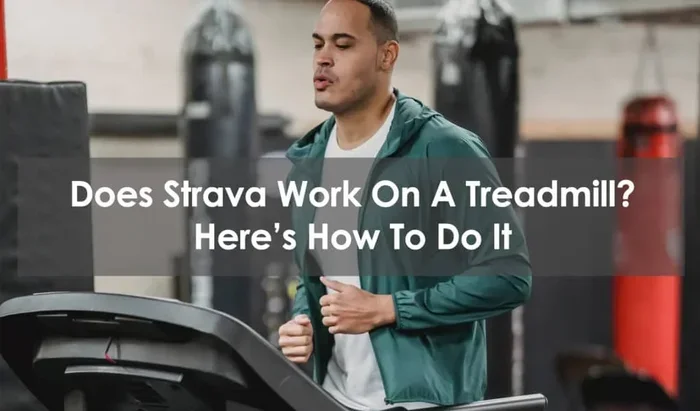
A treadmill simulates walking or running indoors. You step onto a moving belt that adjusts to your speed. Your body weight pushes down through your joints with every stride. This is what makes treadmills so effective for building real-world running fitness.
Treadmills let you control speed, incline, and intensity. You can walk at a gentle pace or sprint at full effort. The machine tracks your distance, pace, and calorie burn. Many modern treadmills even include heart rate monitoring and pre-set workout programs.
Running on a treadmill engages your quads, hamstrings, glutes, and calves. It also works your core for balance. Because your feet leave the belt with each stride, your body absorbs impact just like it would outdoors. This is why running on a treadmill can improve bone density over time.
What Happens When You Use an Elliptical
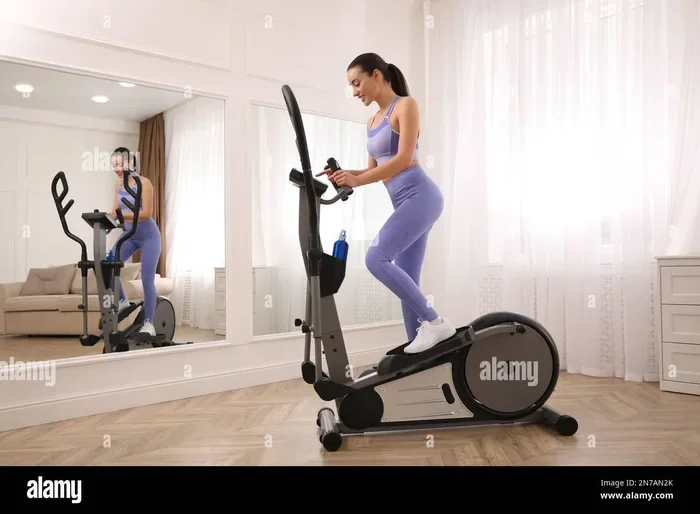
An elliptical machine creates a smooth, gliding motion. Your feet stay on the pedals the entire time. There is no impact, no jarring, and no pounding on your joints. This is what makes ellipticals so popular among people who want a low impact exercise option.
Most ellipticals include moving handlebars. These let you push and pull with your arms while your legs glide. The result is a full body workout that targets both your upper and lower body at the same time.
Ellipticals work your quads, glutes, hamstrings, calves, chest, back, shoulders, and arms. The smooth motion also makes them easier to sustain for longer periods. Many people find they can exercise on an elliptical for 30 to 60 minutes without discomfort.
Calorie Burn: Which Machine Wins?
When it comes to burning calories, the treadmill usually comes out ahead. Running burns more energy than gliding. A 155-pound person burns roughly 300 calories in 30 minutes of moderate running on a treadmill. The same person might burn around 270 calories in 30 minutes on an elliptical at a similar effort level.
However, the numbers are not the whole story. The calorie burn depends heavily on how hard you push yourself. A person who sprints on a treadmill will burn far more than someone who casually walks on an elliptical. On the other hand, someone who cranks up the elliptical resistance and uses the moving handlebars can close that gap significantly.
If you want to explore this topic deeper, check out our detailed guide on does an elliptical burn more calories than a treadmill. It breaks down the science behind calorie burn on both machines.
Here is a quick comparison of estimated calorie burn for a 155-pound person:
- Treadmill Running (6 mph): About 370 calories in 30 minutes
- Treadmill Walking (3.5 mph): About 150 calories in 30 minutes
- Elliptical (Moderate Effort): About 270 calories in 30 minutes
- Elliptical (High Resistance): About 350 calories in 30 minutes
The key takeaway is simple. The machine does not burn calories for you. Your effort does. Whichever machine you choose, you need to challenge yourself to see real results.
Joint Impact and Injury Risk
Why Treadmills Can Be Tough on Your Body
Every time your foot hits the treadmill belt, your joints absorb the shock. This is especially true at running speeds. Over time, repeated impact can stress your knees, hips, and ankles. For healthy people, this is usually fine. But for those with existing joint issues, it can cause pain and setbacks.
Running on a treadmill also carries a risk of overuse injuries. Shin splints, runner’s knee, and plantar fasciitis are common complaints. These problems often develop when people increase their mileage too quickly or use poor form.
Why Ellipticals Are Gentler on Your Joints
Ellipticals eliminate impact almost entirely. Your feet never leave the pedals. There is no striking force, no jarring motion, and no repetitive stress on your joints. This makes ellipticals an excellent choice for people recovering from injuries or dealing with chronic joint pain.
If you are concerned about your knees, you should read our article on is a treadmill or elliptical better for bad knees. It provides detailed guidance on choosing the right machine for knee health.
People with arthritis, knee surgery recovery, or lower back pain often prefer ellipticals. The smooth gliding motion allows them to stay active without making their pain worse. This is a huge advantage for long-term fitness consistency.
Weight Loss Effectiveness
Many people ask, “is an elliptical more effective than a treadmill for weight loss?” The honest answer is that both can work. Weight loss comes down to creating a calorie deficit. You burn more calories than you consume. Both machines help you do that.
However, some factors make one machine slightly better than the other for certain people. Treadmills tend to burn more calories per minute at higher intensities. This means you can get a shorter, more intense workout and still see results. Treadmill workouts also boost your metabolism for hours after you finish exercising.
Ellipticals, on the other hand, let you exercise longer without pain or fatigue. A 45-minute elliptical session might burn more total calories than a 20-minute treadmill run if the treadmill session feels too intense to sustain. Consistency is the real driver of weight loss.
For more insights on this topic, see our article on is a treadmill or elliptical better for losing weight. It covers strategies to maximize fat loss on either machine.
Tips to Maximize Weight Loss on Either Machine
- Use interval training to spike your heart rate and burn more calories
- Increase resistance or incline gradually over time
- Track your heart rate and aim for 70 to 85 percent of your max
- Stay consistent with at least 150 minutes of cardio per week
- Combine your machine workouts with strength training for better results
- Focus on proper form to engage the right muscles effectively
Cardio Fitness and Heart Health
Both machines are excellent for cardiovascular exercise. Your heart is a muscle, and it gets stronger with regular aerobic training. Whether you choose a treadmill or an elliptical, you will improve your heart health, lung capacity, and endurance.
Treadmills tend to push your heart rate higher, especially when you run or walk on an incline. This makes them great for building cardiovascular endurance. Running outdoors or on a treadmill also trains your body to handle real-world physical demands.
Ellipticals provide steady-state cardio at a more moderate heart rate. This is still incredibly effective for improving heart health. Many people can sustain longer elliptical sessions, which means more total aerobic training time per week.
For a deeper dive into cardio effectiveness, read our comparison on what is a better cardio workout treadmill or elliptical. It covers heart rate zones and endurance training strategies for both machines.
Which Machine Boosts Endurance Faster?
Treadmills build running-specific endurance. If your goal is to complete a 5K or run a marathon, a treadmill is the better training tool. It prepares your muscles, lungs, and joints for the demands of outdoor running.
Ellipticals build general cardiovascular endurance. They improve your stamina without the repetitive impact of running. This makes them ideal for cross-training. Many athletes use ellipticals on their recovery days to maintain fitness without stressing their joints.
Muscle Engagement and Workout Benefits
One area where ellipticals have a clear advantage is muscle engagement. Because ellipticals include moving handlebars, you work your upper body and lower body at the same time. This gives you a more balanced workout in less time.
Treadmills primarily target your lower body. Your legs do most of the work. Your arms swing naturally for balance, but they do not get a significant workout. To target your upper body on a treadmill, you would need to add dumbbells or do separate exercises.
Ellipticals also allow you to target specific muscles by adjusting your stance and foot position. Moving your feet forward targets your calves. Pedaling backward engages your hamstrings and glutes more. Reverse motion is a great way to add variety and challenge different muscle groups.
Bone Density Considerations
Treadmills have an edge when it comes to bone density. Impact-bearing exercise stimulates bone growth and strengthens your skeletal system. This is especially important for older adults who are at risk for osteoporosis.
Ellipticals do not provide the same bone-strengthening benefits because there is no impact. However, they still improve muscle strength, balance, and coordination. For people who cannot do high-impact exercise, ellipticals remain a valuable tool for staying active and healthy.
Which Machine Should You Choose?
Choosing between a treadmill and an elliptical depends on your personal goals and physical condition. There is no wrong answer. Both machines offer real benefits when used consistently.
Choose a treadmill if you want to:
- Train for a running race or event
- Burn maximum calories in a shorter workout
- Improve bone density and joint stability
- Mimic outdoor running conditions
- Build high-intensity cardiovascular fitness
Choose an elliptical if you want to:
- Protect your joints from impact and stress
- Get a full-body workout with upper and lower engagement
- Exercise for longer periods without pain
- Recover from injury while staying active
- Enjoy a smooth, comfortable cardio session
Some people even use both machines in their weekly routine. They might run on the treadmill twice a week and use the elliptical on recovery days. This approach gives you the best of both worlds. You build running fitness while also protecting your joints from overuse.
Expert Insight: Finding the Right Balance
Fitness experts often recommend combining both machines for a well-rounded routine. The treadmill builds power and endurance. The elliptical supports recovery and active rest. Together, they create a balanced training program that keeps you healthy, strong, and motivated.
Remember, the best exercise machine is the one you will actually use. If you dread running on the treadmill, you will skip workouts. If you love the smooth feel of an elliptical, you will show up every day. Consistency beats intensity every single time.
Common Mistakes to Avoid
Whether you use a treadmill or an elliptical, certain mistakes can hold you back. Avoid these common errors to get the most out of your workouts:
- Standing still on the pedals: On an elliptical, keep moving and push through the full stride. Standing still reduces muscle engagement.
- Holding the handles too tightly: This reduces calorie burn and throws off your posture. Use the handles lightly for balance only.
- Skipping warm-ups: Always start with 5 minutes of easy movement before increasing intensity. This prevents injury and prepares your body.
- Ignoring incline and resistance: Keeping the same settings every workout limits your progress. Gradually increase challenges to keep improving.
- Relying only on the machine’s calorie counter: These readings are often inaccurate. Use heart rate as a better measure of workout intensity.
Quick Tips for Better Workouts
Want to get more out of your sessions? Try these quick tips:
- Set specific goals for each workout before you start
- Listen to music or podcasts to stay motivated
- Track your progress weekly to stay accountable
- Mix up your routine with intervals and varied intensities
- Stay hydrated before, during, and after your workout
- Wear proper footwear to support your feet and joints
Is an elliptical more effective than a treadmill? The real answer is that effectiveness depends on your body, your goals, and your consistency. Neither machine is perfect for everyone. But both machines can help you build a stronger, healthier, and more resilient body when used the right way.
Start by identifying what matters most to you. Do you want to burn maximum calories? Do you need to protect your joints? Do you want a full-body workout? Your answers will guide you toward the right choice. And remember, the best workout is the one you actually do.
Both the treadmill and the elliptical have earned their place in gyms around the world. They are proven tools for improving fitness, boosting heart health, and supporting weight loss. Choose the machine that aligns with your goals, challenge yourself regularly, and enjoy the journey toward better health.
For more guidance on choosing the right cardio machine, explore our full collection of equipment comparisons. We help you make informed decisions so you can focus on what really matters, getting results.
Frequently Asked Questions
Is an elliptical or treadmill better for belly fat?
Neither machine targets belly fat specifically. Fat loss happens across your entire body through a calorie deficit. However, both machines burn calories effectively. Combining either machine with a healthy diet and strength training will help you reduce overall body fat, including belly fat.
Can I replace outdoor running with a treadmill or elliptical?
Yes, both machines can replace outdoor running to a large degree. Treadmills mimic running more closely and build sport-specific fitness. Ellipticals provide a low-impact alternative that still improves cardiovascular health. Choose based on your joint health and fitness goals.
How long should I work out on an elliptical or treadmill?
For general health, aim for at least 150 minutes of moderate cardio per week. This could be 30 minutes on five days. For weight loss, you may need longer sessions or higher intensity. Listen to your body and gradually increase duration over time.
Is it okay to use the elliptical every day?
Yes, ellipticals are gentle enough for daily use because they do not impact your joints. However, it is still important to vary your routine and allow your muscles to recover. Mixing elliptical sessions with strength training or rest days creates a balanced approach.
Which machine burns more calories in 30 minutes?
A treadmill generally burns more calories in 30 minutes at running intensity. But at moderate effort levels, the difference shrinks. Your body weight, fitness level, and workout intensity all play a role. The machine you enjoy more will keep you coming back, which matters most for long-term results.
Should beginners start with a treadmill or elliptical?
Beginners with no joint issues can start with either machine. If you are new to exercise, the elliptical offers a gentler learning curve. The smooth motion feels more natural and less intimidating. As your fitness improves, you can add treadmill sessions for variety and higher-intensity training.