Is a Treadmill or Elliptical a Better Workout

The treadmill vs elliptical debate depends on your fitness goals, joint health, and workout style. A treadmill excels at burning calories and building running power, while an elliptical offers low-impact conditioning that protects your joints. Both machines deliver excellent cardio, but choosing the right one comes down to what your body needs most.
When you walk into a gym, two machines always seem to compete for the prime spot. The treadmill and the elliptical machine sit side by side, and everyone has an opinion about which one wins. But the truth is, there is no single best machine for everyone.
The answer to whether a treadmill or elliptical gives you a better workout depends entirely on your body, your goals, and your preferences. Some people thrive on the pounding rhythm of a run. Others need the smooth, gliding motion of an elliptical to stay pain-free. Let us break it all down so you can make a confident choice.
Key Takeaways
- Calorie Burn: Treadmills generally burn more calories per minute than ellipticals at similar effort levels.
- Joint Impact: Ellipticals are far gentler on knees, hips, and ankles, making them ideal for people with joint pain.
- Muscle Engagement: Treadmills activate more lower-body muscles, especially glutes and hamstrings, during running.
- Weight Loss: Both machines support weight loss, but consistency matters more than the equipment you choose.
- Cardio Benefits: Both deliver strong cardiovascular workouts when used at moderate to high intensity.
- Best for Beginners: Ellipticals are easier to use and carry lower injury risk for newcomers.
- Versatility: Treadmills allow walking, jogging, and sprinting, giving you more workout variety.
📑 Table of Contents
- Understanding the Treadmill: What It Does Best
- Understanding the Elliptical: What It Does Best
- Head-to-Head Comparison: Treadmill vs Elliptical
- Which Machine Helps You Lose Weight Faster?
- Which Is Better for Your Knees and Joints?
- Expert Tips for Getting the Most Out of Either Machine
- Common Mistakes People Make on Both Machines
- Final Verdict: Which Machine Is Right for You?
- Conclusion
Understanding the Treadmill: What It Does Best
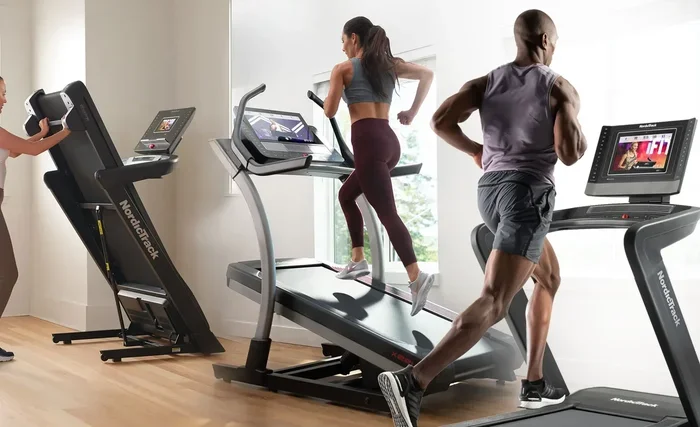
The treadmill is one of the most popular pieces of gym equipment in the world. It mimics natural movement, whether you are walking briskly or sprinting at full speed. This simplicity is part of its massive appeal.
When you step on a treadmill, your body moves exactly as it does outdoors. Your feet strike a moving belt, your arms swing naturally, and your core stabilizes your posture. This means you build real-world fitness that transfers directly to running, hiking, and daily life.
Calorie Burn on a Treadmill
Treadmills tend to burn more calories than ellipticals at the same perceived effort level. Running at a moderate pace can torch 600 to 800 calories per hour for a 155-pound person. Walking burns fewer calories but still delivers solid results, especially at an incline.
If your main goal is maximizing calorie burn, the treadmill has a clear edge. You can also increase the intensity by raising the incline or adding sprint intervals, which pushes your metabolic rate higher for hours after the workout.
Muscle Groups Targeted
A treadmill works your quads, hamstrings, glutes, calves, and core. Running especially engages the glutes and posterior chain, which many people neglect in their workouts. Incline walking shifts even more work to the glutes and calves.
The treadmill also challenges your stabilizer muscles. Because your feet leave the ground during running, your body must balance and absorb impact with every stride. This builds functional strength that an elliptical simply cannot replicate.
Understanding the Elliptical: What It Does Best
The elliptical machine offers a smooth, low-impact motion that feels almost effortless. Your feet stay on the pedals, and there is no jarring impact on your joints. This makes it one of the most forgiving cardio machines available.
Ellipticals work both your upper and lower body at the same time. When you push and pull the handles, you engage your chest, back, shoulders, and arms. This full-body involvement means more muscles are working, even though the motion feels gentle.
Calorie Burn on an Elliptical
An elliptical burns fewer calories than a treadmill at the same perceived effort, but the difference is not huge. A 155-pound person burns roughly 450 to 550 calories per hour on a moderate elliptical workout. Add resistance and increase the incline or ramp setting, and you can close the gap significantly.
Many people do not realize that burning calories elliptical vs treadmill depends heavily on how hard you actually push yourself. A person working very hard on an elliptical can easily out-burn someone casually jogging on a treadmill.
Joint-Friendly Cardio
This is where the elliptical truly shines. If you have bad knees, hip issues, or lower back pain, the elliptical lets you get a great cardio workout without aggravating those problems. The smooth motion eliminates the repetitive shock that a treadmill places on your joints.
People recovering from injuries or living with arthritis often find the elliptical to be their go-to machine. It keeps them moving, burning calories, and building endurance without the pain that other machines cause.
Head-to-Head Comparison: Treadmill vs Elliptical
Let us put the two machines side by side so you can see the differences clearly. The table below highlights the key factors that matter most to most fitness enthusiasts.
| Factor | Treadmill | Elliptical |
|---|---|---|
| Calorie Burn (per hour) | Higher (600-800+) | Moderate (450-550+) |
| Joint Impact | High | Low |
| Muscle Engagement | Lower body dominant | Full body |
| Injury Risk | Moderate to High | Low |
| Versatility | Walk, jog, run, sprint | Steady-state cardio |
| Weight Bearing | Yes | No |
| Best For | Runners, calorie burners | Joint-sensitive users, beginners |
The comparison shows that neither machine is universally better. Each one has strengths that align with different fitness needs. A runner looking to train for a 5K will benefit more from a treadmill. Someone with knee arthritis will thrive on an elliptical.
Which Machine Helps You Lose Weight Faster?
Weight loss comes down to one simple equation: you must burn more calories than you consume. Given that the treadmill burns more calories per minute, it has a slight advantage for weight loss. But that advantage only matters if you actually use the machine consistently.
Many people quit the treadmill because it feels too hard or causes pain. If that sounds like you, an elliptical might be the smarter choice. A machine you enjoy and can use regularly will always beat the machine that burns a few extra calories but sits in the corner collecting dust.
If you are specifically focused on treadmill or elliptical for weight loss, here are a few tips that work on either machine:
- Use interval training to spike your heart rate and burn more fat.
- Increase the incline or resistance to challenge your body.
- Aim for at least 150 minutes of moderate cardio per week.
- Pair your workouts with a balanced, calorie-controlled diet.
- Track your progress so you can adjust your routine over time.
Consistency beats intensity every single time. The best workout machine is the one you will actually use three to five times per week for months and years.
Which Is Better for Your Knees and Joints?
Joint health is a huge factor in choosing between these two machines. Every time your foot hits the treadmill belt, your knees, hips, and ankles absorb the impact. Over time, this repetitive stress can lead to pain, especially for people who are overweight or have pre-existing conditions.
The elliptical eliminates this problem almost entirely. Your feet never leave the pedals, so there is no landing force to deal with. Your joints stay protected while your muscles still get a thorough workout.
If you are dealing with knee pain or recovering from an injury, the elliptical or treadmill for bad knees question has a pretty clear answer. The elliptical is almost always the safer option. But you should still consult a doctor or physical therapist before starting any new exercise routine.
Expert Tips for Getting the Most Out of Either Machine
No matter which machine you choose, how you use it matters just as much as which one you pick. Here are some expert-backed tips to maximize your results.
For Treadmill Users
- Start with a warm-up walk. Spend 5 minutes at a comfortable pace before increasing speed.
- Use incline training. A 1 to 2 percent incline mimics outdoor terrain and boosts calorie burn.
- Try hill intervals. Alternate between flat running and steep incline bursts for a powerful fat-burning session.
- Keep your posture tall. Avoid leaning on the handrails, which reduces your calorie burn and ruins your form.
- Cool down properly. Walk for 5 minutes at the end and stretch your calves and hamstrings.
For Elliptical Users
- Push and pull the handles. This engages your upper body and turns a lower-body exercise into a full-body workout.
- Increase the resistance. Higher resistance builds more muscle and boosts calorie burn.
- Reverse the direction. Pedaling backward targets different muscles, especially the quads and glutes.
- Use the incline feature. Most modern ellipticals have a ramp setting that mimics uphill movement.
- Maintain a steady cadence. Aim for 120 to 140 strides per minute for optimal cardiovascular benefit.
Common Mistakes People Make on Both Machines
Even experienced gym-goers make mistakes that waste their time and increase their injury risk. Here are the most common ones to avoid.
- Leaning on the handrails: This reduces your calorie burn by up to 25 percent and throws off your balance.
- Skipping the warm-up: Jumping straight into high intensity shocks your muscles and joints.
- Doing the same workout every day: Your body adapts quickly, so you need variety to keep progressing.
- Ignoring the upper body: On the elliptical, not using the handles wastes a huge opportunity for full-body engagement.
- Overdoing it too soon: Ramp up intensity gradually to give your body time to adjust and avoid burnout.
Final Verdict: Which Machine Is Right for You?
The treadmill and the elliptical both deliver excellent workouts, but they serve different needs. If you want to burn maximum calories, train for outdoor running, and enjoy high-impact cardio, the treadmill is your best bet. If you need a joint-friendly, full-body workout that feels smooth and easy on your body, the elliptical wins.
The smartest approach is to use both. Many fitness enthusiasts alternate between the two machines throughout the week. This gives your body variety, reduces the risk of overuse injuries, and keeps your workouts fresh and exciting.
Ultimately, the best workout is the one you will do consistently. Choose the machine that fits your body, your goals, and your lifestyle. Whether you prefer the treadmill or the elliptical, showing up and putting in the work is what really drives results.
If you want to dive deeper into the comparison, check out this detailed treadmill vs elliptical comparison to explore the differences further. Also, if weight loss is your main goal, you can read more about treadmill or elliptical for weight loss to understand which machine aligns best with your goals.
Conclusion
So, is a treadmill or elliptical a better workout? The honest answer is both, depending on what you need. A treadmill burns more calories and builds running-specific fitness, while an elliptical protects your joints and engages your upper body. The best choice is the one that matches your fitness level, supports your goals, and keeps you coming back for more.
Start with what feels right for your body today. You can always switch machines later as your fitness evolves. What matters most is that you keep moving, stay consistent, and enjoy the journey toward a healthier, stronger you.
For those curious about burning calories elliptical vs treadmill, the key takeaway is simple: the best machine is the one you will use with real effort and regularity. Pick the one that makes you want to show up, push yourself, and feel great afterward.
Frequently Asked Questions
Is a treadmill or elliptical better for beginners?
Most beginners find the elliptical easier to use because the motion is smooth and low-impact. There is no learning curve, and the risk of injury is very low. Treadmills can feel intimidating at first, especially if you are not used to running.
Can you lose belly fat using a treadmill or elliptical?
Spot reduction is a myth, but both machines help you burn overall body fat, including belly fat, when combined with a calorie-controlled diet. The treadmill generally burns more calories per session, which can accelerate fat loss over time.
How long should you work out on a treadmill or elliptical?
Aim for 30 to 60 minutes per session, three to five times per week. The American Heart Association recommends at least 150 minutes of moderate cardio per week. You can break this into shorter sessions if needed.
Is the elliptical or treadmill better for bad knees?
The elliptical is almost always better for bad knees because it eliminates the impact that comes with running or walking on a treadmill. Your feet stay on the pedals, and the smooth motion protects your joints. Always consult a doctor if you have chronic knee pain.
Does the elliptical burn as many calories as the treadmill?
Not quite. At the same perceived effort level, a treadmill burns more calories than an elliptical. However, if you work very hard on the elliptical, you can close the gap significantly. The difference is smaller than most people think.
Can you replace outdoor running with a treadmill or elliptical?
A treadmill is the closest substitute for outdoor running because it uses the same movement patterns and muscle groups. An elliptical provides excellent cardio but does not replicate the impact and stabilizer demands of running. For race training, the treadmill is the better choice.