Is a Rowing Machine a Good Total Body Workout
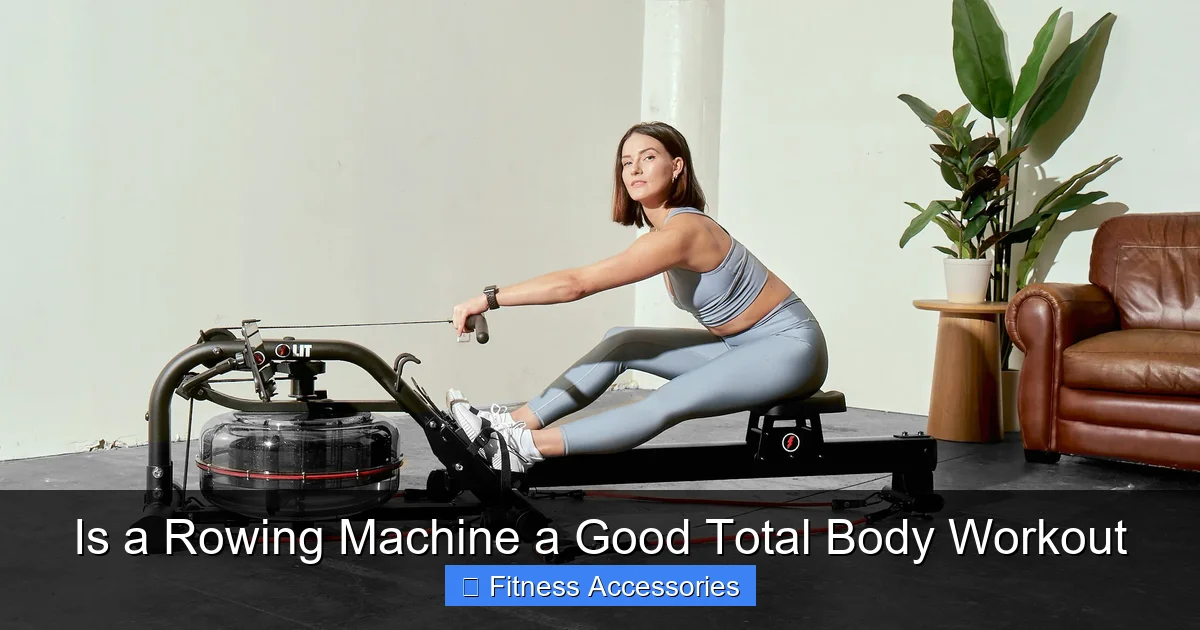
Looking for a full‑body workout that’s easy on the joints? A rowing machine delivers cardio, strength, and flexibility in one smooth motion. It targets legs, core, back, and arms, making it a highly efficient total‑body exercise.
Key Takeaways
- Full‑body engagement: Rowing works 8 major muscle groups simultaneously.
- Calorie‑burn efficiency: You can torch 400–800 calories per hour depending on intensity.
- Low‑impact design: Gentle on knees and hips, ideal for joint‑sensitive users.
- Scalable intensity: From beginner intervals to elite sprint sessions, the machine adapts.
- Improves posture: Strengthens the back and core, reducing slouch.
- Convenient home option: Compact models fit most spaces and offer on‑demand workouts.
- Progress tracking: Built‑in monitors help you set and hit measurable goals.
📑 Table of Contents
- Introduction: Why Rowing Is Worth a Second Look
- How Rowing Works: The Mechanics of a Full‑Body Move
- Calorie Burn and Cardiovascular Benefits
- Low‑Impact Yet High‑Intensity: Who Can Use a Rower?
- Comparing Rowing to Other Popular Fitness Accessories
- Getting the Most Out of Your Rowing Sessions
- Choosing the Right Rowing Machine for Your Home
- Conclusion: The Verdict on Rowing as a Total‑Body Workout
Introduction: Why Rowing Is Worth a Second Look
If you’ve ever watched a crew team glide across a lake, you’ve seen the elegance of the rowing stroke. That same motion, when placed on a machine, becomes a powerhouse workout that hits almost every part of your body. Unlike many cardio tools that isolate just the legs (think treadmills) or just the arms (like some upper‑body ergometers), a rowing machine merges the two into one fluid movement.
In this article we answer the question on everyone’s mind: Is a rowing machine a good total body workout? We’ll break down the science, compare it to other popular fitness accessories, and give you practical tips to get the most out of your rowing sessions. By the end, you’ll know exactly how to fit rowing into your routine—whether you’re a beginner, a busy professional, or a seasoned athlete.
How Rowing Works: The Mechanics of a Full‑Body Move
The Four Phases of the Rowing Stroke
Understanding the stroke helps you see why it’s so effective. Each complete row consists of four distinct phases:
Visual guide about Is a Rowing Machine a Good Total Body Workout
Image source: i.pinimg.com
- Catch: You sit tall, knees bent, shins vertical, and arms extended, gripping the handle.
- Drive: Push through the heels, straighten the legs, lean back slightly, then pull the handle to your chest.
- Finish: Legs are straight, torso slightly leaned back, and elbows drawn in.
- Recovery: Extend the arms, hinge at the hips, then bend the knees to return to the catch.
This sequence engages the quadriceps, glutes, hamstrings, core, lats, biceps, and forearms—all in a single, continuous motion.
Muscle Activation Compared to Other Cardio
Studies using electromyography (EMG) show that rowing activates about 60‑70% of the body’s major muscle groups, surpassing the treadmill (around 30‑40%) and stationary bike (≈45%). The back muscles, especially the latissimus dorsi and rhomboids, receive a stimulus similar to a pulling exercise, while the legs get a squat‑like load.
Calorie Burn and Cardiovascular Benefits
How Many Calories Can You Burn?
Calorie expenditure depends on weight, intensity, and duration. On average:

Visual guide about Is a Rowing Machine a Good Total Body Workout
Image source: honehealth.com
- Moderate rowing (12‑14 spm, 4–5 mph) burns ~400 calories per hour for a 155‑lb person.
- High‑intensity intervals (18‑22 spm) can exceed 800 calories per hour for the same individual.
Because you’re using both upper and lower body, the metabolic demand is higher than most single‑leg cardio machines.
Heart Health and VO₂ Max
Rowing improves aerobic capacity (VO₂ max) by challenging the cardiovascular system while also building muscular endurance. Regular sessions (3–5 times per week, 30‑45 minutes) can raise VO₂ max by 10‑15%, which translates to better stamina in daily activities and other sports.
Low‑Impact Yet High‑Intensity: Who Can Use a Rower?
Joint‑Friendly Nature
The sliding seat and fluid or magnetic resistance create a smooth, low‑impact motion. Unlike running, there’s no repeated pounding on the knees, hips, or spine. This makes rowing an excellent option for:
- People recovering from lower‑body injuries.
- Older adults seeking cardio without stress on joints.
- Individuals with arthritis who need gentle movement.
Adaptable for All Fitness Levels
Beginners can start with short 5‑minute intervals at a comfortable stroke rate (20‑22 spm). Advanced athletes can perform power strokes, sprint intervals, or even simulate race‑pace rowing for 2,000‑meter time trials. Most modern machines allow you to adjust resistance in real time, so you can progress at your own pace.
Comparing Rowing to Other Popular Fitness Accessories
Rowing vs. Treadmill
Both deliver solid cardio, but the treadmill isolates the lower body. Rowing adds upper‑body pulling, engages the core, and burns slightly more calories per minute at comparable heart‑rate zones.
Rowing vs. Elliptical
Ellipticals also claim low impact, yet many have a “glide” motion that primarily targets the legs. Rowing’s reciprocal push‑pull pattern offers a more balanced workout and better postural benefits.
Rowing vs. Stationary Bike
Cycles are great for leg endurance, but they neglect the back and arms. Adding a rowing session can fill that gap, creating a truly full‑body routine without needing multiple machines.
Getting the Most Out of Your Rowing Sessions
Setting Up Proper Form
Good form is key to safety and effectiveness. Follow these quick checks before you start:
- Seat height: When seated, your knees should be slightly bent at the catch.
- Grip: Keep hands relaxed, thumbs wrapped around the handle, wrists neutral.
- Posture: Maintain a straight spine, shoulders relaxed, and eyes forward.
Sample Workouts for Different Goals
Beginner Endurance (20 minutes)
- 5‑minute warm‑up at 18 spm.
- 4 × 4‑minute blocks at 22 spm, 1‑minute easy recovery.
- 5‑minute cool‑down, gradually decreasing stroke rate.
HIIT Power (15 minutes)
- 3‑minute warm‑up.
- 8 rounds: 30 seconds sprint (26‑28 spm) → 90 seconds easy.
- 2‑minute cool‑down.
Strength Focus (30 minutes)
- Warm‑up 5 minutes.
- 5 × 5‑minute intervals at a high resistance level, maintaining a steady 20 spm.
- Rest 2 minutes between intervals.
- Cool‑down 5 minutes.
Tips to Avoid Common Mistakes
- Don’t over‑reach: Keep the handle close to your chest to protect the lower back.
- Avoid “hunching”: Engage the core and sit tall throughout the drive.
- Use the legs first: The power should come from the legs, then the hips, then the arms.
- Monitor your stroke rate: Too fast can lead to sloppy form; aim for a controlled rhythm.
Choosing the Right Rowing Machine for Your Home
Types of Resistance
- Air resistance: Replicates the feel of a real boat; louder but responsive.
- Magnetic resistance: Quiet, smooth, and easy to adjust electronically.
- Water resistance: Provides a natural, soothing sound and progressive feel.
Key Features to Look For
- Built‑in performance monitor (PM5, PM5‑plus, etc.) that tracks stroke rate, distance, split time, and calories.
- Adjustable foot straps and ergonomic seat for comfort.
- Weight capacity of at least 250 lb for durability.
- Foldable or compact design if space is limited.
Top Picks Under Different Budgets
Budget (<$500): Concept2 Model D (used) or Sunny Health & Fitness SF‑RWD95.
Mid‑Range ($500‑$1,000): Concept2 Model D (new), WaterRower Natural.
Premium ($1,000+): Concept2 Model D with PM5, Hydrow Connected Rowing Machine.
Conclusion: The Verdict on Rowing as a Total‑Body Workout
So, is a rowing machine a good total body workout? The short answer is a resounding yes. It delivers cardiovascular conditioning, muscular endurance, and strength training—all while being gentle on the joints. Whether you’re chasing weight loss, improving posture, or simply looking for a time‑efficient routine, rowing checks every box.
Pair a well‑chosen machine with consistent, varied workouts and you’ll see gains across the board—more calories burned, stronger back, tighter core, and a healthier heart. Give it a try, and you might find that the simple “pull‑and‑push” motion becomes your favorite way to stay fit.
Frequently Asked Questions
Does rowing burn more calories than running?
Rowing can burn slightly more calories per minute than running at a moderate pace because it engages both upper and lower body, increasing overall metabolic demand.
Is rowing safe for people with back problems?
When performed with proper form, rowing is low‑impact and can actually strengthen the back muscles. However, anyone with existing spinal issues should consult a physician and start with low resistance.
How often should I row to see results?
Three to five sessions per week, each lasting 30–45 minutes, provide a good balance of cardio and strength gains for most people.
Do I need a special rowing technique to get a good workout?
Basic technique—legs first, then hips, then arms—covers most fitness goals. Advanced athletes may fine‑tune timing and power curves, but beginners can see benefits with the simple pattern.
Can I lose weight solely by rowing?
Yes, if you combine regular rowing sessions with a balanced diet that creates a moderate calorie deficit, you can lose weight effectively.
What’s the difference between air, magnetic, and water resistance?
Air resistance reacts to your stroke speed, magnetic offers quiet, adjustable resistance, and water mimics the natural feel of a boat. Choose based on noise preference, feel, and budget.