How to Work Out on a Rowing Machine
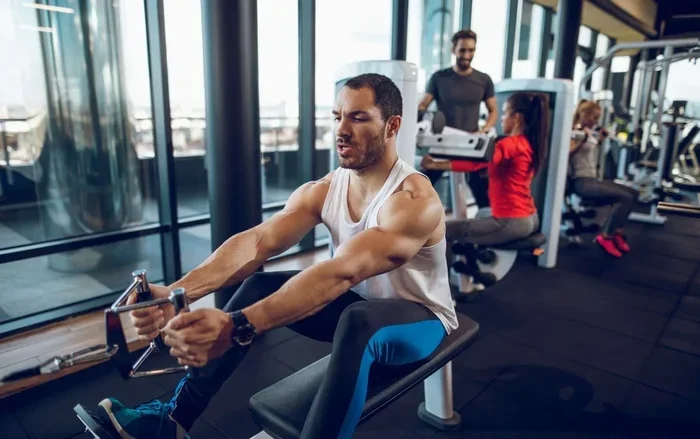
Learning how to work out on a rowing machine is one of the best decisions you can make for your fitness journey. This full-body exercise targets your arms, legs, back, and core while burning serious calories in a short amount of time. Whether you are a beginner or a seasoned athlete, mastering the proper rowing technique will help you get stronger, lose weight, and improve your overall endurance.
Key Takeaways
- Master proper form: Drive power from your legs, not your arms, for every stroke.
- Start each session with a warm-up: Five minutes of light rowing prevents injury effectively.
- Maintain a straight back throughout: Proper posture protects your spine and boosts performance.
- Use interval training: Alternate high-intensity bursts with recovery rows to maximize calorie burn.
- Monitor your stroke rate: Aim for 24-30 strokes per minute for steady workouts.
- Cool down after every session: Gentle rowing for three to five minutes aids recovery.
- Track your progress consistently: Use the monitor to measure distance, time, and split times.
📑 Table of Contents
- Why Rowing Machines Are the Ultimate Full Body Workout
- How to Properly Use a Rowing Machine: Step-by-Step Form Guide
- Designing Your Rowing Machine Workout Routine
- Rowing Machine Tips for Beginners
- Common Mistakes to Avoid When Working Out on a Rowing Machine
- How to Get the Most Out of Your Rowing Machine Sessions
- Key Takeaways
Why Rowing Machines Are the Ultimate Full Body Workout
If you have ever wondered what the best rowing machine workout is, you are not alone. Rowing machines are one of the most underrated pieces of gym equipment out there. They give you a full body workout that targets your legs, back, arms, and core — all in one smooth motion. Unlike running or cycling, a rowing machine workout engages up to 86% of your muscles during every single stroke.
What makes rowing so special? It is a low impact exercise that is gentle on your joints. You get the cardiovascular fitness benefits of running without the pounding on your knees and ankles. Whether you are a complete beginner or a seasoned athlete, learning how to work out on a rowing machine can transform your fitness journey. It builds endurance training, burns serious calories, and improves your overall muscle engagement.
Think about it this way. Every time you pull the handle, you are working your arms and back. Every time you push off with your legs, you are firing up your quads, glutes, and calves. And in between? Your core stays tight to keep you stable. That is why rowing is often called the most efficient gym workout routine you can do. Let us break down everything you need to know.
How to Properly Use a Rowing Machine: Step-by-Step Form Guide
Getting the rowing technique right from the start is crucial. Poor form can lead to injury and a less effective workout. The good news? Once you learn the basics, it feels natural and smooth. Here is a simple breakdown of the proper form for each phase of the stroke.
The Catch Phase
This is where your stroke begins. Sit at the front of the seat with your shins vertical. Reach forward and grab the handle with an overhand grip. Keep your back straight and your core engaged. Your arms should be fully extended. This position sets you up for a powerful power drive.
The Drive Phase
This is where the magic happens. Push through your legs first. As your legs straighten, lean back slightly — about 30 to 45 degrees. Then pull the handle toward your lower ribcage with your arms. The sequence is: legs, then back, then arms. This order is the heart of good rowing stroke mechanics.
The Finish Phase
At the end of the drive, your legs are fully extended, your torso is leaning back slightly, and the handle is at your ribs. Your shoulders should be relaxed and pulled back. Hold this position for just a moment before moving to the next phase.
The Recovery Phase
This is the return to the catch. It is slower and more controlled. Extend your arms first, then lean your torso forward, and finally bend your knees to slide back to the front of the seat. Think of this as the rest between strokes. Smooth and steady is the goal here.
Quick Tips for Perfect Form
- Keep your correct posture upright — do not hunch your shoulders.
- Breathe naturally. Exhale during the drive, inhale during recovery.
- Do not pull with your arms only. Let your legs do the heavy lifting.
- Keep movements fluid. Avoid jerky or sudden actions.
- Start slow. Master the rowing technique before increasing speed or resistance.
For more detailed guidance on building an effective routine, check out this helpful guide on how to get a good workout on a rowing machine. It covers form essentials and progression strategies that pair perfectly with what you have just learned.
Designing Your Rowing Machine Workout Routine
Now that you know the form, let us talk about how to structure your time on the machine. A solid rowing machine workout is not just about pulling hard. It is about smart planning. Whether you want weight loss, endurance training, or high intensity conditioning, there is a routine for you.
Beginner Rowing Workout
If you are new to this, start simple. Aim for 15 to 20 minutes of steady rowing. Focus on keeping a consistent pace. Here is a basic structure:
- Warm-up: 3 to 5 minutes at a light resistance, slow pace.
- Main set: 10 to 15 minutes at a moderate pace. Aim for 18 to 22 strokes per minute.
- Cool-down: 3 to 5 minutes at a light effort.
Do this three times a week. As you build cardiovascular fitness, you can increase the duration or intensity.
Intermediate Rowing Workout
Once you are comfortable, try adding intervals. This boosts your calorie burn and takes your rowing machine workout to the next level. Try this:
- Warm-up: 5 minutes easy rowing.
- Alternate: 1 minute hard effort (26+ strokes per minute) with 1 minute easy recovery.
- Repeat this cycle 6 to 8 times.
- Cool-down: 5 minutes at a relaxed pace.
Advanced High Intensity Workout
For experienced rowers, a high intensity session can be incredibly effective. Try Tabata-style intervals: 20 seconds all out, 10 seconds rest, repeated 8 rounds. This kind of gym workout routine torches calories and builds serious muscle engagement in a short time.
Comparison: Workout Types at a Glance
| Workout Type | Duration | Intensity | Best For |
|---|---|---|---|
| Steady Rowing | 20-30 min | Moderate | Beginners, endurance |
| Interval Training | 20-25 min | High | Calorie burn, conditioning |
| Tabata | 10-15 min | Very High | Advanced, time efficiency |
| Long Slow Row | 35-45 min | Low | Recovery, base building |
Each type of rowing machine workout serves a different purpose. Mix them up to keep things interesting and challenge your body in new ways. If you want ideas for getting started, this resource on how to start working out with a rowing machine is a great place to build your first routine from scratch.
Rowing Machine Tips for Beginners
Stepping up to a rowing machine for the first time can feel intimidating. You might see experienced rowers gliding smoothly and wonder how they make it look so easy. Here are some practical rowing machine tips to help you start strong and stay consistent.
Start with the Basics Before Speed
Do not rush to hit 28 strokes per minute on your first day. Start at 18 to 20 strokes per minute. Focus entirely on proper form and the recovery phase. Speed comes naturally once your technique is locked in. A rushed stroke is a weak stroke.
Use the Right Resistance Setting
Most machines have a damper setting from 1 to 10. Think of it like gears on a bike. For beginners, a setting of 3 to 5 works well. It gives you enough resistance to feel your muscles working without making each pull feel like lifting a truck. Learning how to increase resistance on rowing machine properly can make your sessions much more productive.
Wear Comfortable Clothing
This might sound obvious, but loose clothing can get caught in the mechanism. Wear fitted workout clothes and supportive shoes. Your feet should feel secure in the footplates. A stable base means a stronger drive.
Track Your Progress
Most modern rowers have monitors that show distance, time, strokes per minute, and calories. Use them. Watching your numbers improve over time is incredibly motivating. It also helps you set realistic goals for your endurance training.
Be Patient with Yourself
Rowing has a learning curve. The first few sessions might feel awkward. That is completely normal. Your body needs time to coordinate all the moving parts. Stay with it. Within a few weeks, the motion will feel smooth and powerful. If you are unsure about any aspect of setup or technique, this guide on how to use a rowing machine in the gym walks you through common beginner scenarios and solutions.
Common Mistakes to Avoid When Working Out on a Rowing Machine
Even with good intentions, beginners often make mistakes that slow their progress or cause pain. Here are the most common errors people make when they work out on a rowing machine — and how to fix them.
Rounding Your Back
This is the number one mistake. Slouching puts extra pressure on your spine and reduces your power output. Keep your chest up and shoulders back. Think of a straight line from your hips to your head. Good correct posture protects your back and improves your muscle engagement.
Pulling with Your Arms Too Soon
Remember the sequence: legs, back, arms. If you start with your arms, you are missing out on the biggest muscle groups. Your legs are the engine. Your arms are just the steering wheel. Fix this and you will feel a huge difference in your rowing stroke power.
Banging the Seat Forward
At the catch, some people slam their seat forward by jerking their body. This wastes energy and can hurt your lower back. Instead, glide smoothly. Control the movement during the entire recovery phase. The seat should arrive at the front gently, not with a thud.
Ignoring the Breathing
Breathing matters more than you think. Holding your breath reduces oxygen flow and makes you fatigue faster. Breathe out during the drive and inhale during recovery. It keeps your rhythm natural and supports your cardiovascular fitness.
Going Too Long Too Soon
Rowing is demanding. A 40-minute session might sound great on paper, but if you are a beginner, it can leave you exhausted and sore. Start with 15 to 20 minutes and build up gradually. Your low impact exercise sessions should challenge you, not wreck you.
How to Get the Most Out of Your Rowing Machine Sessions
Once you have the basics down, it is time to optimize. These strategies will help you squeeze every drop of value out of your rowing machine workout.
Warm Up Properly Before Every Session
A good warm-up prepares your muscles and joints. Do 3 to 5 minutes of light rowing or some dynamic stretching. This reduces injury risk and improves your performance during the main set. It is a small step that makes a big difference in muscle engagement.
Mix Up Your Intensity
Doing the same steady row every day leads to plateaus. Alternate between easy days and challenging days. Add intervals one week. Do a long slow row the next. This variety keeps your endurance training on track and your body adapting. It is the secret behind every effective gym workout routine.
Pair Rowing with Strength Training
Rowing works your muscles, but adding some targeted strength work can take your results further. Focus on compound movements like squats, deadlifts, and push-ups. These complement the full body workout you get from rowing and help you generate more power on the machine.
Focus on Consistency Over Perfection
You do not need a flawless session every time. What matters is showing up regularly. Three consistent sessions per week will beat one perfect session every time. Over weeks and months, your cardiovascular fitness, strength, and confidence will all grow. That is the real magic of learning how to work out on a rowing machine.
Cool Down and Recover
After each session, take 3 to 5 minutes to row lightly. Then stretch your hamstrings, quads, lower back, and shoulders. Recovery is when your body actually gets stronger. Skipping it leads to soreness and burnout. Treat your body well, and it will reward you with better calorie burn and performance over time.
For more strategies on maximizing your effort, this deep dive on how to get the most out of rowing machine sessions covers advanced techniques and mindset tips that can elevate your results. Also, if you are curious about what specific muscles and benefits you are targeting, check out this breakdown on what a rowing machine works on your body to understand the full impact of every stroke.
Key Takeaways
Working out on a rowing machine is one of the smartest fitness decisions you can make. It gives you a full body workout, supports cardiovascular fitness, and is gentle on your joints. Here is a quick recap of what matters most:
- Master the proper form first. Legs, back, arms — every time.
- Start slow and build up. There is no shortcut to endurance training.
- Mix up your routines. Steady rows, intervals, and Tabata all have their place.
- Avoid common mistakes like rounding your back or pulling only with your arms.
- Stay consistent. Three sessions a week beats one marathon session.
- Warm up, cool down, and recover. Your body needs all three.
The beauty of a rowing machine workout is that it grows with you. What feels challenging today will feel empowering in a few weeks. Whether your goal is weight loss, better muscle engagement, or simply a fun new way to exercise, rowing delivers. Now get out there, hit that machine, and enjoy every powerful stroke.
Frequently Asked Questions
How to Work Out on a Rowing Machine for Beginners?
Start by setting the damper to a low or medium level and sit comfortably on the seat with your feet secured in the straps. Push off with your legs first, then lean back slightly, and finally pull the handle toward your chest. Keep your back straight and core engaged throughout the entire stroke.
What Muscles Does a Rowing Machine Workout Target?
A rowing machine engages about 86% of your body’s muscles, including your legs, glutes, back, arms, and core. It provides a powerful full body workout that builds strength and endurance at the same time. This makes it one of the most efficient pieces of gym equipment you can use.
How Long Should a Rowing Machine Session Last?
For beginners, aim for 15 to 20 minutes of steady rowing, while intermediate and advanced users can go for 30 to 45 minutes. You can alternate between high-intensity intervals and easy recovery rows to maximize calorie burn. Always warm up for a few minutes before pushing your intensity level higher.
What Is the Proper Rowing Technique to Avoid Injury?
The correct rowing stroke follows a simple sequence called the drive, which starts with your legs pushing, followed by your torso leaning back, and ends with your arms pulling the handle. The recovery phase reverses this order as you return to the starting position. Maintaining this rhythm protects your joints and ensures you get the most out of every stroke.
Can You Lose Belly Fat by Using a Rowing Machine?
Rowing machines are excellent for burning calories and reducing overall body fat, including belly fat, when combined with a healthy diet. A consistent indoor rowing routine boosts your metabolism and torches calories fast. However, spot reduction is a myth, so full body workouts paired with proper nutrition deliver the best results.
How Often Should You Use a Rowing Machine Each Week?
Most people benefit from rowing 3 to 5 times per week, depending on their fitness goals and current level. Rest days are important to let your muscles recover and prevent overuse injuries. Listen to your body and adjust your rowing machine frequency as your endurance improves.