How to Use the Rowing Machine Correctly 2
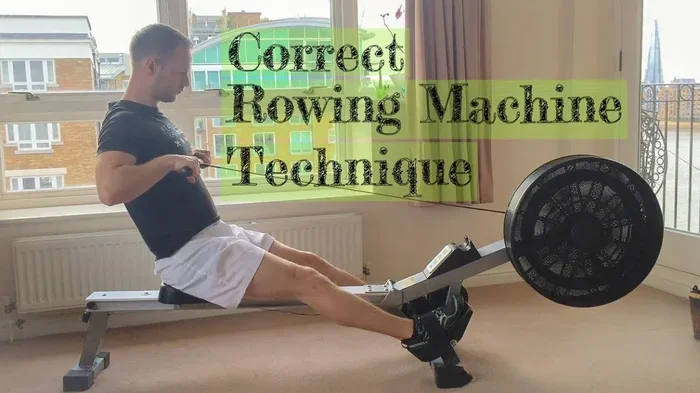
Using a rowing machine the right way boosts your full-body fitness, burns serious calories, and protects your joints. This guide breaks down the correct rowing machine form, common mistakes, and step-by-step technique so you get the most from every stroke. Whether you are new to indoor rowing or want to refine your skills, you will find practical tips to train smarter and safer.
Key Takeaways
- Proper form matters: Using the correct rowing machine technique prevents injury and maximizes results.
- The drive and recovery are key: Mastering these two phases makes every stroke count.
- Start slow and build up: Beginners should focus on technique before increasing intensity or resistance.
- Foot placement and posture set the foundation: Small adjustments in setup lead to big improvements in performance.
- Avoid common mistakes: Overloading your arms and rounding your back are the most frequent errors.
- Consistency beats intensity: Regular sessions with good form deliver better results than occasional grueling workouts.
📑 Table of Contents
- How To Use The Rowing Machine Correctly 2
- Why Using The Rowing Machine Correctly Matters
- The Correct Rowing Machine Form Step By Step
- Common Mistakes And How To Fix Them
- Rowing Machine Settings And Adjustments
- Rowing Machine Workouts For Different Goals
- Quick Tips To Improve Your Rowing Technique
- Final Thoughts
How To Use The Rowing Machine Correctly 2
Rowing machines are one of the best pieces of workout equipment you can find. They work your entire body, burn a ton of calories, and are easy on your joints. But here is the thing. Most people do not use them correctly. They hop on, pull hard, and call it a workout. That approach wastes effort and can hurt your back. This guide shows you exactly how to use the rowing machine correctly. You will learn the proper form, the right settings, and simple tips that make a huge difference.
Whether you are brand new to indoor rowing or you have been using the machine for a while, this guide has something for you. We break everything down into easy steps. No jargon. No confusing fitness talk. Just clear, practical advice you can use right away. Let us get into it.
Why Using The Rowing Machine Correctly Matters
Many people think rowing is all about pulling. That is not true at all. Rowing is a full-body movement that relies on timing, balance, and technique. When you use the correct rowing machine form, you get better results and stay safe. Here is why it matters so much.
You Will Burn More Calories
Good technique engages your legs, back, arms, and core all at once. When every muscle works together, you burn more energy per stroke. That means you get a better workout in less time. Compare that to someone who just yanks the handle with their arms. They are missing most of the power and burning far fewer calories.
You Will Avoid Injury
Bad rowing form is one of the fastest ways to hurt your lower back. Rounding your spine or pulling too hard with your upper body puts stress on muscles that are not ready for it. Learning the correct rowing machine technique keeps your back straight and your joints safe. You can row for years without pain when you build good habits early.
You Will See Better Results
When you use the machine the right way, your body works as one smooth unit. The power starts in your legs, flows through your core, and finishes with your arms. This connected movement is what makes rowing so effective. You will notice improvements in your strength, endurance, and overall fitness much faster.
The Correct Rowing Machine Form Step By Step
The rowing stroke has two main parts. The drive is when you push and pull. The recovery is when you slide back and get ready for the next stroke. Let us walk through each part carefully. If you want a more detailed beginner walkthrough, check out this guide on how to properly use a rowing machine for beginners for extra help.
Step 1: Set Up Correctly
Before you start rowing, check your setup. Your feet go in the straps near the balls of your feet. The straps should hold your feet in place without being too tight. Sit on the seat and slide forward until your knees are over your ankles. Reach out and grab the handle with a firm but relaxed grip. Your back should be straight, not rounded. Your shoulders stay relaxed and down.
Step 2: The Drive Phase
The drive is where all the power happens. Here is the correct sequence:
- Push with your legs. Extend your legs fully while keeping your arms relaxed and straight.
- Lean back slightly. Once your legs are straight, lean your torso back about one o’clock position.
- Pull the handle to your lower chest. Bring the handle in with your arms. Keep your elbows close to your body.
All three movements happen in that order. Legs first, then lean, then arms. This sequence creates a smooth, powerful stroke.
Step 3: The Recovery Phase
The recovery is the opposite of the drive. It resets your body for the next stroke:
- Extend your arms forward. Let the handle go straight out.
- Lean your torso forward. Return to the tall, upright position.
- Bend your knees and slide forward. Move back to the starting position.
Go slow during the recovery. This is your rest moment. Rushing through it throws off your rhythm and wastes energy.
Common Mistakes And How To Fix Them
Even experienced rowers make mistakes. The good news is that most of these errors are easy to fix once you know what to look for.
Mistake 1: Using Only Your Arms
This is the number one error. People pull the handle with just their arms and ignore their legs. Your arms should do the least work. Your legs generate about 60 percent of the power. Your core and back handle the rest. If your arms are burning after just a few strokes, you are doing it wrong.
Mistake 2: Rounding Your Back
A rounded spine during rowing puts dangerous pressure on your lower back. Keep your chest lifted and your shoulders back throughout the entire stroke. Think tall and proud. If you feel any sharp pain in your back, stop and check your form immediately.
Mistake 3: Sliding Too Fast
Some people rush the recovery phase. They slide forward quickly and then crash into the front of the machine. This creates a jerky rhythm and reduces power output. Smooth and steady wins the race. Control the slide, and your strokes will feel much more natural.
Mistake 4: Setting The Resistance Too High
Many beginners crank the damper setting all the way up thinking it makes the workout harder. It does not. It just makes the machine harder to row with proper form. Start with a damper setting between 3 and 5. You can always increase it as your technique improves. For more on getting the most from your sessions, read about how to get the most out of rowing machine training.
Rowing Machine Settings And Adjustments
Getting the right settings on your rowing machine makes a big difference. You do not need to be a technician. A few simple adjustments will set you up for success.
The Damper Setting
The damper controls how much air flows into the flywheel. Think of it like the gears on a bicycle. A higher setting does not mean a harder workout. It just means more air resistance. Most people do best between settings 3 and 5. This range gives you a smooth, comfortable stroke while still building strength and endurance.
The Foot Strap Position
Your foot straps should sit across the balls of your feet. Not your toes. Not your arches. When you push through the drive phase, you want full power from your legs. Proper strap placement lets you push hard without your feet slipping. Adjust the straps before every session.
The Monitor And Your Data
Most rowing machines have a digital monitor that tracks your distance, time, strokes per minute, and calories burned. Do not obsess over the numbers. Use them as a guide, not a judge. Focus on maintaining good form first. The data will improve as your technique gets better.
| Setting | Recommended Range | Why It Matters |
|---|---|---|
| Damper | 3 to 5 | Balances resistance and form |
| Stroke Rate | 20 to 28 strokes per minute | Keeps rhythm steady for beginners |
| Foot Strap | Across ball of foot | Maximizes leg drive power |
| Seat Position | Knees over ankles at start | Prevents overreaching and strain |
Rowing Machine Workouts For Different Goals
Once you have the form down, you can start tailoring your workouts. Different goals need different approaches. Here are a few simple ways to use the machine based on what you want to achieve.
For Weight Loss
If your goal is to burn fat, try steady-state rowing. Set a pace you can hold for 20 to 30 minutes. Keep your stroke rate between 20 and 24. This builds endurance and burns a high number of calories. Rowing is one of the most effective full-body cardio exercises. For a deeper look at using the machine for weight loss, see how to use the rowing machine to lose weight.
For Building Endurance
Longer sessions at a moderate pace build your aerobic base. Aim for 30 to 45 minutes. Focus on keeping your strokes smooth and consistent. Do not speed up just because you feel good. Steady effort over time is what builds real endurance.
For Strength And Power
Short, intense intervals build strength and power. Try rowing hard for 30 seconds, then resting for 60 seconds. Repeat this cycle 8 to 10 times. Keep your damper setting at 5 or 6 for these sessions. This type of workout pushes your muscles and boosts your metabolism long after you finish.
Quick Tips To Improve Your Rowing Technique
- Film yourself rowing. Watching your form on video helps you spot mistakes you cannot feel.
- Count your strokes. Keeping a steady stroke rate prevents you from rushing or slowing down randomly.
- Engage your core. Think about bracing your abs as you drive through each stroke.
- Breathe naturally. Exhale during the drive and inhale during the recovery. Do not hold your breath.
- Warm up first. Spend 3 to 5 minutes rowing at a slow pace before going hard.
- Cool down after. Row gently for 3 to 5 minutes at the end of your session to bring your heart rate down.
Final Thoughts
Learning how to use the rowing machine correctly takes a little practice, but the payoff is huge. You get a full-body workout, you burn calories efficiently, and you protect your joints from unnecessary strain. Start with the basics. Master the drive and recovery sequence. Fix the common mistakes early. And most importantly, be patient with yourself.
Every expert rower started as a beginner. The difference is they took the time to learn proper technique. Now you have the same knowledge. Get on the machine, focus on your form, and enjoy the ride. Your body will thank you for it.
Frequently Asked Questions
Is the rowing machine good for beginners?
Yes, absolutely. The rowing machine is one of the most beginner-friendly pieces of gym equipment. It is low-impact, works your whole body, and you can adjust the resistance to match your fitness level. Start slow, focus on form, and gradually increase your intensity over time.
How long should a beginner row on the rowing machine?
Beginners should start with 10 to 15 minute sessions and work up to 20 to 30 minutes as their endurance improves. Focus on maintaining proper technique throughout. Quality of your strokes matters more than the duration or intensity in the early stages.
What is the correct rowing machine form for the drive phase?
The correct drive sequence is legs first, then lean back slightly, then pull the handle to your lower chest. Your legs generate most of the power, your core transfers it, and your arms finish the stroke. Never pull with your arms alone.
Can rowing cause back pain if done incorrectly?
Yes, poor rowing form is a common cause of lower back pain. Rounding your spine or pulling too hard with your upper body puts unnecessary stress on your back muscles. Keep your back straight, engage your core, and use the correct sequence to avoid pain.
What damper setting should I use on the rowing machine?
Most people do best with a damper setting between 3 and 5. This provides a good balance of resistance and smooth movement. Higher settings do not mean a better workout. They just make the machine harder to row with proper form.
How often should I use the rowing machine?
For general fitness, rowing 3 to 5 times per week is ideal. Allow at least one rest day between intense sessions. Consistency with good form will deliver better results than pushing too hard too often.
=== INTERNAL LINKS ===