How to Tenderize Steak Quickly for Juicy Tender Meat
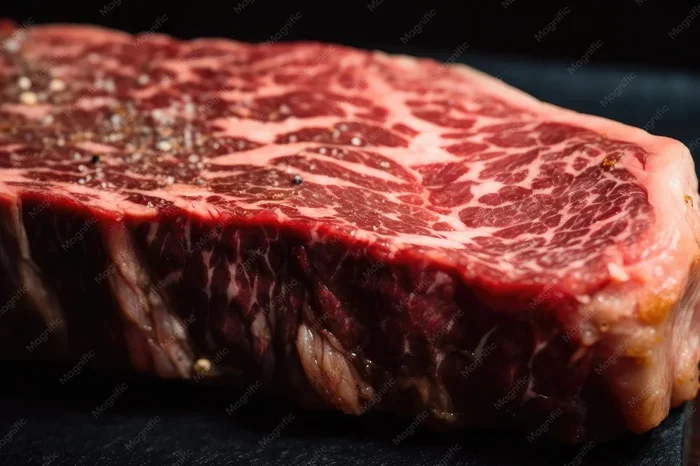
Want to know how to tenderize steak quickly for a juicy, tender result every single time? This guide covers the best methods, from pounding and marinating to using natural enzymes, so you can turn even a tough cut into a restaurant-quality meal. You will learn proven steak preparation techniques that save time and deliver amazing meat texture.
There is nothing quite like a perfectly cooked steak. The sizzle, the aroma, and that first juicy bite make all the effort worth it. But let us be honest. Not every steak comes out of the package tender and ready to cook. Sometimes you get a cut that feels more like leather than the soft, juicy steak you are dreaming of. That is where knowing how to tenderize steak quickly becomes a total game changer.
Whether you are grilling for a weekend barbecue or cooking a weeknight dinner, tenderizing your steak can turn an ordinary piece of meat into something extraordinary. The good news is that you do not need fancy equipment or hours of preparation. With a few simple techniques, you can transform tough meat into a juicy, flavorful masterpiece in minutes. This guide will walk you through every method, tip, and trick you need to know.
We will cover everything from pounding and marinating to using natural enzymes and proper slicing techniques. By the end, you will feel confident tackling any cut of steak with ease. Let us dive in and get your steak game to the next level.
Key Takeaways
- Pound your steak evenly: Using a meat mallet breaks down tough meat fibers and creates a more uniform thickness for even cooking.
- Marinate with the right ingredients: Acidic marinades with citrus, vinegar, or yogurt help break down proteins and add flavor to your steak.
- Use natural enzymes: Fruits like kiwi, pineapple, and papaya contain enzymes that tenderize meat quickly without overworking it.
- Salt your steak in advance: Salting steak ahead of time draws out moisture, which dissolves proteins and creates a tender, juicy texture when cooked.
- Slice against the grain: Cutting steak against the meat fibers shortens them, making each bite feel more tender and easier to chew.
- Rest your steak before serving: Letting steak rest after cooking allows juices to redistribute, resulting in a juicier, more flavorful bite.
📑 Table of Contents
Why Does Steak Become Tough?
Understanding why steak turns tough is the first step to fixing it. Meat is made up of muscle fibers and connective tissue. When these fibers are tight and the connective tissue is thick, the steak feels chewy and hard to bite through. Several factors contribute to this, and knowing them helps you choose the right meat tenderizer approach.
The Role of Meat Fibers
Every piece of steak has muscle fibers running through it. These fibers are like tiny bundles of rubber bands. The more a muscle is used during the animal’s life, the tougher those fibers become. Cuts from the shoulder or leg tend to be tougher than cuts from the rib or loin. This is why knowing your steak cut matters so much when you plan how to tenderize steak quickly. The direction and density of the meat fibers determine how much work your tenderizing method needs to do.
Connective Tissue and Collagen
Connective tissue is mostly made of a protein called collagen. When cooked slowly, collagen breaks down into gelatin, which makes meat juicy and tender. But when cooked too quickly or at too high a heat, collagen tightens up and squeezes out moisture. This leaves you with a dry, tough steak. Proper steak preparation helps you manage this process from the very start. Breaking down the collagen before cooking gives you a head start on tenderness.
How Cooking Method Affects Tenderness
Even the best steak can turn out tough if you cook it wrong. High heat for too long dries out the meat and shrinks the fibers. Learning how to cook steak perfectly starts with proper tenderizing. When you tenderize before cooking, you create space for moisture to stay locked inside during the heat. This simple step can be the difference between a mediocre steak and an outstanding one.
How to Tenderize Steak Quickly: Top Methods
Now that you understand why steak gets tough, let us look at the best ways to tenderize it fast. Each method works differently, and some are better suited for certain cuts than others. Here are the most effective techniques you can use right at home.
Pound Your Steak with a Meat Mallet
Pounding is one of the fastest and most effective ways to tenderize steak. A meat mallet with a textured surface breaks down the muscle fibers and softens the meat. This method is especially great for thinner cuts like skirt steak or flank steak. The physical action of pounding meat physically separates the fibers and makes the steak more pliable.
Here is how to do it right:
- Place your steak between two sheets of plastic wrap.
- Use the textured side of the mallet and start from the center.
- Work your way outward with firm, even strikes.
- Flip the steak and repeat on the other side.
- Stop when the steak is about half its original thickness.
Pounding steak evenly is key. If you hit too hard in one spot, you will tear the meat instead of tenderizing it. Think of it like doing kettlebell swings without hurting your back – proper technique and control give you the best results without causing damage. Always use a smooth, controlled motion and cover the entire surface of the steak.
Use a Blade-Style Meat Tenderizer
If you do not have a mallet, a blade-style meat tenderizer works wonders too. These tools have sharp blades that pierce the meat and break up the fibers from the inside. They are quick, easy to use, and perfect for someone who wants to learn how to tenderize steak quickly without much effort. The blades create tiny channels in the meat, which allows marinades to penetrate deeper and cook more evenly.
When using a blade tenderizer, press firmly but do not go all the way through the meat. You want to create small punctures in the surface. This is a great way to prepare a tough steak for a quick weeknight dinner. The process takes less than a minute and makes a noticeable difference in the final result.
Marinate Your Steak for Maximum Tenderness
Marinating is one of the most popular ways to tenderize steak, and for good reason. A good steak marinade recipe does two things at once. It softens the meat and adds incredible flavor. The key is knowing which ingredients to use and how long to let the steak soak.
Here are the best ingredients for a tenderizing marinade:
- Acidic ingredients: Lemon juice, vinegar, or lime juice help break down proteins on the surface.
- Enzymatic ingredients: Papaya, kiwi, and pineapple contain natural enzymes that soften meat fibers.
- Oil: Olive oil or avocado oil keeps the steak moist during marinating.
- Salt-based liquids: Soy sauce or Worcestershire sauce add depth and help tenderize at the same time.
- Seasonings: Garlic, herbs, and spices boost the overall flavor of your steak seasoning.
A quick marinade of 30 minutes to two hours works well for most steaks. If you marinate for too long, the acid can actually start to break down the meat too much, making it mushy. For the best steak tenderness, keep an eye on the clock and set a timer. The goal is to soften the fibers without destroying the structure of the meat.
Want to pair your perfectly tender steak with a healthy, balanced diet? Check out this guide on how to use a kettlebell for weight loss to burn off those extra calories from your steak dinner while staying on track with your fitness goals.
The Best Marinades and Natural Tenderizers
Not all marinades are created equal. Some work fast, while others need more time. And some ingredients you probably already have in your kitchen can do wonders for your steak. Let us look at the top natural tenderizers and why they work so well for marinade steak preparation.
Why Acid Matters in a Steak Marinade
Acidic ingredients like citrus juice, vinegar, and yogurt are excellent at breaking down the surface proteins of meat. When you marinate steak in an acidic solution, the proteins on the outer layer denature and soften. This creates a more tender meat texture that absorbs flavors better during cooking. The acid essentially pre-digests the outer layer of the meat, making it softer and more receptive to seasoning.
However, there is a fine line between tenderizing and cooking. If you leave your steak in a highly acidic marinade for too long, the surface can become mushy and grey. For most steaks, 30 minutes to two hours is the sweet spot. This gives you enough time to achieve great steak tenderness without compromising the structure of the meat.
Enzymatic Tenderizers: Nature’s Secret Weapon
Fruits like kiwi, pineapple, and papaya contain natural enzymes that are incredibly effective at breaking down tough meat fibers. These enzymes target the proteins in your steak and soften them rapidly. This is why many professional chefs use fruit-based purees as part of their velveting steak techniques. The process is natural, fast, and requires no special equipment.
Here is a quick tip for using fruit enzymes:
- Blend a small amount of kiwi or pineapple into your marinade.
- Apply it to the steak for 15 to 30 minutes only.
- Rinse the steak before cooking to stop the enzyme action.
These natural enzyme tenderizers work fast and deliver excellent results without any artificial ingredients. They are perfect when you need to know how to tenderize steak quickly using pantry staples you already have at home. A little goes a long way, so use just a tablespoon or two in your marinade.
Salt as a Tenderizing Agent
Salt is one of the simplest and most powerful tenderizers you can use. When you apply salt to your steak ahead of time, it draws out moisture through osmosis. That moisture dissolves the proteins in the meat, creating a brine that gets reabsorbed into the steak. The result is a juicier, more tender piece of meat with deeper flavor.
For the best results, salt your steak at least 40 minutes before cooking, or even the night before. This gives the salt enough time to work its magic on the meat texture and steak preparation process. You can also use coarse kosher salt for a more dramatic effect. The larger crystals draw out more moisture and create a more concentrated brine that penetrates deeper into the pound steak fibers.
Common Mistakes That Ruin Your Steak
Even with the best intentions, it is easy to make mistakes when tenderizing steak. Avoiding these common errors will save you from ending up with a disappointing meal. Let us go over the pitfalls you should watch out for.
Over-Marinating Your Steak
More is not always better when it comes to marinating. Leaving your steak in an acidic marinade for too long can break down the meat fibers excessively. The surface becomes mushy and loses its structure. Always follow the recommended marinating times and set a timer so you do not forget. For tough cuts, two hours is usually the maximum. For delicate cuts like filet mignon, even 30 minutes may be enough.
Using the Wrong Cutting Technique
How you slice your steak after cooking matters just as much as how you tenderize it before. Cutting with the grain means you are cutting along the long muscle fibers, making each bite chewy and tough. Always slice steak against the grain to shorten those fibers and create a more tender eating experience. Use a sharp steak knife for clean cuts. A dull knife will tear the fibers instead of slicing through them, which makes the meat feel rough and stringy.
When slicing, look for the direction the fibers run and cut perpendicular to them. This simple change can transform a tough steak into a tender one. It is one of the easiest steak preparation steps that many home cooks overlook.
Skipping the Resting Step
One of the biggest mistakes home cooks make is cutting into a steak the moment it comes off the heat. When you do this, all the juices run out and you are left with a dry piece of meat. Resting steak for at least five to ten minutes allows the juices to redistribute throughout the cut. This simple step makes a huge difference in the final result.
Think of resting like cooling down after a workout. Just as your body needs time to recover, your steak needs time to settle. If you want to stay active while you wait, try using resistance bands for a full body workout while your steak rests. You will get a quick exercise in and come back to a perfectly rested steak.
Pro Tips for Perfect Steak Every Time
Now that you know the methods and the mistakes to avoid, let us look at some pro tips that will take your steak game to the next level. These small details make a big difference in the final result and help you serve a truly juicy steak every time.
Choose the Right Cut for the Right Method
Not every steak needs the same level of tenderizing. A ribeye is naturally tender and may only need a light seasoning. A flank steak or skirt steak, on the other hand, benefits greatly from pounding and marinating. Think of it like choosing the right tool for the job – just as you would choose the right size kettlebell for your fitness level, you should match your tenderizing method to the cut of meat. A thick ribeye might only need salt and time, while a thin flank steak needs more aggressive tenderizing.
Bring Your Steak to Room Temperature
Take your steak out of the fridge about 30 minutes before cooking. This lets the meat warm up evenly, which leads to a more consistent cook. Cold steak placed on a hot grill or pan will cook unevenly, with the outside overcooked and the center still cold. Room temperature meat also responds better to tenderizing methods because the fibers are more relaxed and receptive.
Dry the Surface Before Cooking
Pat your steak dry with a paper towel before it hits the heat. Moisture on the surface creates steam instead of a beautiful sear. A dry surface means better caramelization, better flavor, and a more appetizing crust on your steak. This step is especially important after marinating, as excess liquid can prevent proper browning.
Use a Meat Thermometer
Guessing when your steak is done is a recipe for disaster. Invest in a simple meat thermometer and check the internal temperature. For medium-rare, aim for 130 to 135 degrees Fahrenheit. For medium, aim for 135 to 145 degrees. This ensures your steak is cooked to perfection every single time and takes the guesswork out of the process.
Slice Thinly Against the Grain
Even after all your tenderizing work, how you slice the steak matters. Cut thin strips against the grain for the most tender bite. This is especially important for tougher cuts like flank or skirt steak where the fibers are more pronounced. Thin slices against the grain shorten the muscle fibers even further, making each bite melt in your mouth.
Final Thoughts on Tenderizing Steak
Tenderizing steak does not have to be complicated or time-consuming. With the right techniques, you can turn any cut into a juicy, tender meal that will impress everyone at the table. Whether you prefer pounding, marinating, or using natural enzymes, the key is to start with proper steak preparation and pay attention to the details.
Remember to choose the right method for your cut, avoid common mistakes like over-marinating, and always slice against the grain. These small steps add up to a big difference on your plate. The next time you pick up a steak from the store, you will know exactly what to do to make it tender, juicy, and full of flavor.
So go ahead. Grab your mallet, mix up a marinade, and put these tips into action. Your taste buds will thank you. Happy cooking!
Frequently Asked Questions
What is the fastest way to tenderize a steak?
The fastest way to tenderize a steak is by pounding it with a meat mallet. This physical method breaks down muscle fibers in just a few minutes and prepares the steak for cooking immediately. For even faster results, pair pounding with a quick 15-minute marinade.
Can I tenderize steak with just salt?
Yes, salt is one of the most effective tenderizers. When applied ahead of time, salt draws out moisture through osmosis, which dissolves proteins and gets reabsorbed into the meat. This simple technique creates a juicier, more tender steak without any extra ingredients.
How long should I marinate steak for the best results?
For most steaks, 30 minutes to two hours is the ideal marinating window. Acidic marinades work fast but can break down the meat if left too long. For tougher cuts, you can marinate for up to four hours, but always keep an eye on the texture.
Does pounding steak make it more tender?
Yes, pounding steak physically breaks apart the muscle fibers and softens the meat. It is one of the quickest and most effective methods for tenderizing. Just be sure to use even pressure and cover the entire surface for the best results.
Is it better to tenderize before or after cooking?
Always tenderize before cooking. Pre-cook tenderizing allows the methods to work on the raw meat fibers and gives marinades time to penetrate. Tenderizing after cooking does not change the texture of the meat, though slicing against the grain after cooking can improve perceived tenderness.
Can you over-tenderize a steak?
Yes, over-tenderizing is possible. Pounding too aggressively can tear the meat, and marinating too long in acidic solutions can make the surface mushy. The key is balance. Use gentle, even pressure when pounding and stick to recommended marinating times for the best outcome.
=== END ===