How to Store Homemade Bread So It Stays Fresh Longer
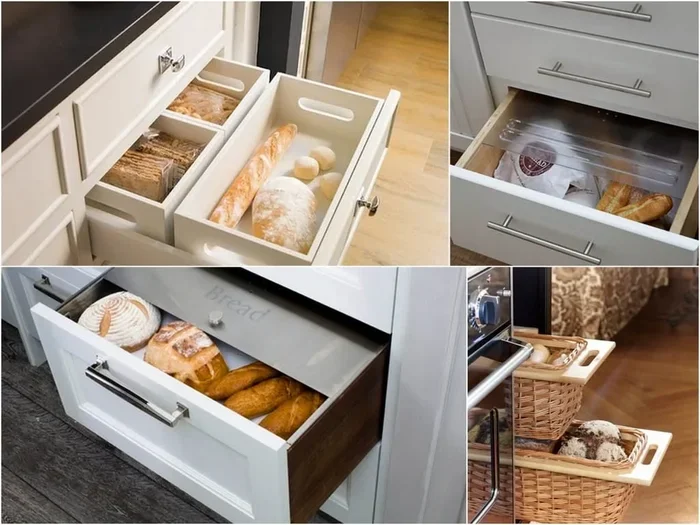
Storing homemade bread properly is simpler than you think. Whether you keep it on the counter, freeze it for later, or wrap it the right way, small changes make a big difference. This guide shows you the best methods to keep your bread fresh, soft, and delicious for days. You will learn how to store homemade bread using containers, wraps, and freezing techniques that really work.
There is nothing quite like the smell of fresh homemade bread filling your kitchen. The warm crust, the soft center, and the satisfying crunch when you tear off a slice — it is pure comfort. But here is the sad truth. That beautiful loaf can go stale, dry, or moldy faster than you expect if you do not store it the right way.
Learning how to store homemade bread properly can save you money, reduce food waste, and make sure every slice tastes as good as the first one. Whether you bake once a week or just made a big batch for the weekend, the way you store your bread matters a lot. In this guide, we will walk you through every method, tip, and trick you need to keep your homemade bread fresh for as long as possible.
Along the way, we will cover room temperature storage, freezing techniques, the best containers, and the mistakes that ruin bread faster. If you also care about staying active and healthy, you might enjoy how to use a kettlebell for weight loss as part of your balanced routine. But for now, let us focus on keeping that bread fresh.
Key Takeaways
- Room temperature storage works best for bread you will eat within 2-3 days using a bread box or cloth bag.
- Freezing is the #1 method for long-term freshness and can keep bread good for up to 3 months.
- Never store bread in the fridge as it speeds up staling and dries out the loaf faster.
- Proper wrapping matters — use plastic wrap, beeswax wraps, or airtight containers to lock in moisture.
- Slicing before freezing lets you thaw only what you need without wasting a single piece.
- Avoid common mistakes like using wet towels or storing bread near heat sources.
- Pair bread with an active lifestyle by learning how to track your nutrition alongside your How to Track Kettlebell Workout on Apple Watch for overall wellness.
📑 Table of Contents
- Why Proper Bread Storage Matters
- The Best Containers for Storing Homemade Bread
- How to Store Homemade Bread at Room Temperature
- Freezing Homemade Bread: The Ultimate Guide
- How to Keep Homemade Bread from Going Stale
- Common Bread Storage Mistakes to Avoid
- How Long Does Homemade Bread Last?
- Final Thoughts on Storing Homemade Bread
Why Proper Bread Storage Matters
You might think bread is just bread. You baked it, you sliced it, and you eat it. But the way you store it changes everything. Fresh bread is full of moisture, and that moisture is both its greatest asset and its biggest enemy.
When bread loses moisture too quickly, it becomes stale and hard. When it retains too much moisture in the wrong environment, mold starts to grow. The goal of proper storage is balance. You want to keep the right amount of moisture inside while letting the bread breathe just enough to avoid sogginess.
Homemade bread is different from store-bought bread. It does not contain the same preservatives. That means it can go bad faster if you are not careful. But the upside is that homemade bread has no chemicals, no artificial softeners, and no hidden ingredients. You control exactly what goes into your loaf, and now you control how long it stays fresh.
Understanding bread preservation starts with knowing your options. You can store bread at room temperature, refrigerate it, or freeze it. Each method has its place, and we will break them all down below.
The Science Behind Bread Going Stale
Staling is not just about drying out. It is a process called retrogradation, where the starch molecules in bread realign and harden over time. This happens faster at cold temperatures, which is why the fridge is actually the worst place for bread. Freezing slows this process down significantly, which is why it is the best long-term solution.
The Best Containers for Storing Homemade Bread
The container you choose plays a huge role in bread freshness. Not all containers are created equal. Some trap too much moisture, and others let too much air in. Here are the best options for storing your homemade loaf.
Bread Boxes
A bread box is the classic choice, and for good reason. It provides a dark, slightly ventilated space that keeps bread from drying out while also preventing too much moisture buildup. A good bread box keeps bread fresh for 2 to 3 days at room temperature.
Look for a bread box made of wood, ceramic, or stainless steel. These materials breathe well and look great on your countertop. Avoid plastic bread boxes with poor ventilation because they can trap moisture and encourage mold growth.
Airtight Containers and Bags
If you do not have a bread box, an airtight container works well too. Plastic containers with tight-fitting lids, reusable silicone bags, or even a large zip-lock bag can do the job. The key is to reduce air exposure as much as possible.
For shorter storage periods, a simple plastic wrap or beeswax wrap around the loaf works great. Just make sure the wrap is snug against the bread surface to minimize air contact. Bread wrapping is one of the simplest and most effective ways to extend freshness.
Cloth Bags and Towels
A clean linen cloth or cotton bag is another excellent option. These allow a small amount of airflow, which prevents moisture from building up on the crust. A cloth bag works best for crusty breads like sourdough or artisan loaves. Just make sure the cloth is dry and clean before you use it.
How to Store Homemade Bread at Room Temperature
Room temperature storage is the go-to method for bread you plan to eat within a few days. It keeps the texture soft and the flavor rich without the risk of fridge-induced staling.
Here is how to do it right. First, let your bread cool completely after baking. This is important. If you wrap or store warm bread, steam gets trapped inside and creates the perfect environment for mold. Wait at least 1 to 2 hours before you even think about putting a lid or wrap on it.
Once the bread is cool, wrap it in a clean kitchen towel or place it in a bread box. If you use plastic wrap, wrap it tightly but gently so you do not compress the loaf. For sliced bread, you can store it cut-side down on a cutting board wrapped in a cloth.
Store bread in a cool, dry place away from direct sunlight and heat sources. A pantry, bread box, or kitchen counter away from the stove works perfectly. The ideal temperature is between 60 and 75 degrees Fahrenheit.
Homemade bread stored this way typically stays fresh for 2 to 4 days. After that, the quality starts to decline, and it is time to either freeze what is left or bake a fresh loaf.
Can You Store Bread in the Fridge?
This is one of the most common questions about bread storage. The short answer is no. The fridge might seem like a logical choice because it keeps food fresh longer, but bread is the exception. Refrigeration actually speeds up the staling process. The cold temperatures cause starch retrogradation to happen faster, making your bread dry and tough within hours.
Unless you live in a very hot and humid climate where mold is a serious concern, avoid the fridge. If you must refrigerate bread for some reason, wrap it very well in plastic and use it within 24 hours. But honestly, freezing is always the better option for long-term storage.
Freezing Homemade Bread: The Ultimate Guide
Freezing is hands down the best method for keeping homemade bread fresh for weeks or even months. It stops the staling process in its tracks and preserves the texture and flavor remarkably well. The key is doing it correctly from the start.
Here is a step-by-step guide to freezing homemade bread the right way.
- Let the bread cool completely. Just like with room temperature storage, do not freeze warm bread. Wait until it is completely at room temperature.
- Slice the bread before freezing. This is a game-changer. Sliced bread lets you thaw only what you need. You will not have to thaw an entire loaf just for a couple of slices.
- Wrap each portion tightly. Use plastic wrap or aluminum foil around individual slices or half-loaves. Then place the wrapped bread into a freezer-safe bag.
- Remove as much air as possible from the bag before sealing. Air causes freezer burn, which dries out the bread and affects flavor.
- Label the bag with the date. Homemade frozen bread stays best for up to 3 months. After that, the quality starts to decline.
How to Thaw Frozen Bread Properly
Thawing frozen bread is just as important as freezing it correctly. The worst thing you can do is microwave it on high heat. That makes the outside hot and the inside cold and soggy.
The best method is simple. Take the bread out of the freezer and let it sit at room temperature for 1 to 2 hours. For a quicker option, you can warm slices in a toaster or oven at a low temperature. A quick pass through the toaster brings back that fresh-baked crunch and softness.
If you are someone who likes to stay on top of your health and fitness, you might also enjoy how to use resistance bands for a full body workout alongside a good meal plan that includes fresh homemade bread.
How to Keep Homemade Bread from Going Stale
Staling is the enemy of fresh bread. Even with the best storage method, bread will eventually lose its softness. But there are things you can do to slow down the process significantly.
First, avoid cutting into the loaf too soon. The cut end is where moisture escapes the fastest. Try to keep the bread whole until you are ready to eat it. If you do slice it, store the cut side down on a board or wrap it tightly.
Second, keep bread away from strong-smelling foods. Bread is porous and can absorb odors from garlic, onions, cheese, and other strong-smelling items in your kitchen. Store it in its own dedicated space.
Third, do not refrigerate your bread. We mentioned this above, but it deserves repeating. The fridge is the fastest way to ruin homemade bread. The cold temperatures make the starch molecules recrystallize quickly, turning your soft loaf into something resembling a brick.
Fourth, use the right wrapping material. Plastic wrap creates a tight seal that locks in moisture. Beeswax wraps are a more eco-friendly option that works just as well. Avoid paper bags for long-term storage because they do not block air well enough.
Quick Tips to Extend Bread Freshness
- Store bread cut-side down to minimize exposed surface area.
- Use a pastry brush to lightly coat the crust with olive oil for extra moisture protection.
- Place a piece of apple or celery in the bread box to add moisture naturally.
- Re-crisp stale bread in the oven at 300 degrees for 5 to 10 minutes.
- Never store bread near a heat source like an oven or dishwasher.
Common Bread Storage Mistakes to Avoid
Even with the best intentions, it is easy to make mistakes when storing homemade bread. Here are the most common errors and how to avoid them.
Mistake 1: Storing Bread While It Is Still Warm
This is the number one mistake people make. Warm bread trapped in a container creates condensation, which leads to sogginess and mold. Always wait until the bread is completely cool before you store it.
Mistake 2: Using the Wrong Container
Not every container works for bread storage. Tight-sealed plastic bags without ventilation can trap too much moisture. Paper bags without lining let too much air in. The best approach is a balance of breathability and moisture control.
Mistake 3: Ignoring the Freezer
Many people think freezing ruins bread. It does not. When done correctly, freezing preserves bread almost perfectly. The mistake is not wrapping it well enough or leaving it in the freezer too long. Follow our freezing guide above and you will never have stale bread again.
Mistake 4: Storing All Bread the Same Way
Different types of bread need different storage approaches. A crusty sourdough loaf needs more airflow than a soft sandwich bread. A enriched bread with butter and eggs needs tighter wrapping to prevent rancidity. Adjust your storage method based on the type of bread you baked.
How Long Does Homemade Bread Last?
The shelf life of homemade bread depends on how you store it and what ingredients you used. Here is a quick breakdown.
| Storage Method | Expected Freshness |
|---|---|
| Room temperature (bread box or cloth) | 2 to 4 days |
| Airtight container at room temperature | 3 to 5 days |
| Refrigerated | Not recommended (stales faster) |
| Frozen (properly wrapped) | Up to 3 months |
If you bake regularly and want to stay on top of your health journey, consider pairing your bread-making with a consistent fitness routine. You can learn how to use kettlebells with a complete guide for beginners to build a well-rounded active lifestyle that complements your home cooking habits.
Final Thoughts on Storing Homemade Bread
Storing homemade bread does not have to be complicated. The secret is simple: cool it completely, wrap it well, and choose the right storage method for how quickly you plan to eat it. For bread you will finish within a few days, a bread box or cloth bag at room temperature works perfectly. For longer storage, freezing is your best friend.
Avoid the common mistakes we covered, and you will always have fresh, delicious bread ready whenever you need it. The small effort you put into proper storage pays off in taste, texture, and reducing food waste. Once you get into the habit, it becomes second nature.
Remember, homemade bread is a gift. It deserves to be treated with care so that every slice tastes as wonderful as the day you baked it. Follow the tips in this guide, and your bread will stay fresh longer, taste better, and bring joy to every meal.
Frequently Asked Questions
Can I store homemade bread in a paper bag?
A paper bag alone is not ideal for long-term storage because it does not block air well. However, you can use a paper bag inside a bread box for added breathability. This works best for crusty breads like baguettes and sourdough that need airflow to keep the crust crisp.
How do I know if my homemade bread has gone bad?
Look for visible mold, which appears as fuzzy spots in green, white, or black. If the bread smells sour or off, it has likely spoiled. Stale bread that is just dry and hard is still safe to eat, but bread with mold should be thrown away immediately.
Can I reheat stale bread to make it fresh again?
Yes! Warming stale bread in the oven at 300 degrees for 5 to 10 minutes can bring back much of its freshness. Sprinkle a little water on the crust before warming to restore some moisture. A toaster also works well for individual slices.
Is it better to freeze whole bread or sliced bread?
Sliced bread is much more convenient to freeze because you can thaw only what you need. Whole loaves work fine too, but you will need to thaw the entire loaf even if you just want one or two slices. Slicing before freezing gives you more flexibility.
What is the best way to wrap bread for freezing?
The best method is to wrap the bread tightly in plastic wrap first, then place it in a freezer-safe bag with the air squeezed out. For sliced bread, you can wrap individual slices separately so they do not stick together. This prevents freezer burn and keeps the bread fresh for up to 3 months.
Does homemade bread last longer than store-bought bread?
It depends. Homemade bread without preservatives can actually go stale faster than commercial bread that contains additives. However, homemade bread tastes better and is healthier, so proper storage becomes even more important. Freezing homemade bread closes the gap and keeps it fresh for weeks.