How to Make a Bike into a Stationary
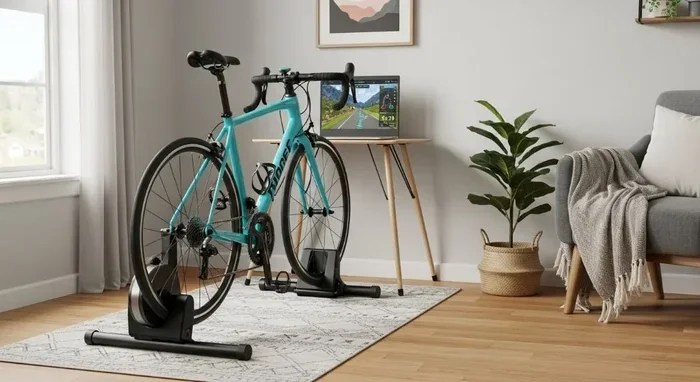
Converting a regular bike into a stationary bike is one of the smartest moves for any fitness enthusiast. You can turn your existing bike into a powerful indoor training machine without spending a fortune. This guide walks you through every method, from bike trainers to roller stands, so you can start cycling indoors right away. Whether you want to maintain fitness during winter or train at home, you will find everything you need here.
Key Takeaways
- Multiple Methods Available: You can use a bike trainer, a roller, or a conversion kit to make a bike into a stationary setup.
- Cost-Effective Alternative: Converting your own bike saves hundreds compared to buying a new stationary bike.
- Easy Setup Process: Most methods take less than 30 minutes to install with basic tools.
- Versatile Training Option: Indoor cycling lets you train year-round regardless of weather conditions.
- Proper Fit Matters: Adjusting your bike correctly ensures comfort and prevents injury during indoor cycling workouts.
- Safety First: Always secure your bike properly and use a stable surface for indoor riding.
📑 Table of Contents
- How to Make a Bike into a Stationary Bike
- Why Convert Your Bike into a Stationary Setup
- Methods to Make a Bike into a Stationary Bike
- What You Need to Get Started
- Step-by-Step Setup Guide
- Safety Tips for Indoor Cycling
- Benefits of Indoor Cycling with a Converted Bike
- Common Mistakes to Avoid
- How to Choose the Best Method for You
- Maximizing Your Indoor Cycling Workouts
- Conclusion
How to Make a Bike into a Stationary Bike
Want to ride your bike indoors? You are not alone. Thousands of cyclists look for ways to turn their bike into a stationary bike every year. The good news is that it is easier than you think. You do not need expensive equipment or a workshop to get started.
Making a bike into a stationary bike opens up a world of fitness possibilities. You can train during rain, snow, or the hottest days of summer. You save time by not commuting to a gym. And you keep your bike investment working hard all year round. This guide covers every method, tip, and precaution you need to know.
Whether you ride a road bike, a mountain bike, or a hybrid, there is a way to convert it for indoor use. Let us dive into the different options and help you find the best fit for your needs.
Why Convert Your Bike into a Stationary Setup
There are many reasons cyclists choose to convert a bike into a stationary bike. Understanding these benefits can help you stay motivated through your indoor training journey.
Train Year-Round Without Weather Worries
Outdoor cycling depends heavily on the weather. Rain, ice, and extreme heat can ruin your training schedule. With a stationary bike setup, you ride whenever you want. Winter months become prime training time instead of a dead season.
Save Money on Gym Memberships
A gym membership costs anywhere from $30 to $100 per month. Over a year, that adds up fast. By using your bike as a stationary bike, you eliminate that recurring cost. Your bike becomes a gym machine sitting right in your home.
Convenience and Time Savings
No commute to the gym. No waiting for equipment. You hop on your bike and start training immediately. This convenience factor makes it much easier to stick to a consistent workout routine.
Track Your Progress Easily
When you ride indoors, you can track metrics like speed, cadence, and power output more accurately. Many stationary bike trainers connect to apps that log your data. This helps you set goals and measure improvement over time.
Methods to Make a Bike into a Stationary Bike
Several methods work well for converting a bicycle into a stationary bike. Each has its own advantages and best use cases. Let us explore them one by one.
Method 1: Use a Bike Trainer
A bike trainer is the most popular way to make a bike into a stationary bike. It clamps the rear wheel off the ground and provides resistance. You ride in place while the wheel spins freely.
There are three main types of bike trainers:
- Direct Drive Trainers: These connect directly to the bike’s drivetrain. They offer a smooth, quiet ride and are ideal for serious training.
- Wheel-on Trainers: These clamp onto the rear wheel. They are more affordable and easier to set up, making them great for beginners.
- Smart Trainers: These connect to apps and provide adjustable resistance automatically. They simulate real-world terrain and offer interactive training.
If you want to turn your bike into a stationary trainer, a direct drive trainer gives the best experience. Brands like Wahoo, Tacx, and Kinetic make excellent options at various price points.
Method 2: Use a Bike Roller
Bike rollers are a different approach to making a bike into a stationary bike. Instead of holding the bike in place, rollers let you balance freely. You place the bike on three cylindrical rollers and ride without any support.
Rollers are fantastic for improving your balance and pedaling technique. They are also very compact and easy to store. However, they do require some practice. If you are a beginner, you might wobble at first. Over time, riding on rollers becomes second nature.
Method 3: Use a Bike Conversion Stand
A conversion stand holds the entire bike off the ground. You remove the rear wheel and mount the bike frame directly onto the stand. This method works well for making a regular bike a stationary bike without clamping the wheel.
Conversion stands are great for people who want to preserve their bike’s wheels. They also allow quick transitions between indoor and outdoor riding. Simply unclamp and take your bike outside when the weather clears up.
Method 4: Use a Smart Indoor Cycling System
Some systems go beyond simple trainers. They include a complete indoor cycling setup with a frame, resistance unit, and digital display. These systems essentially turn your bike into a smart exercise bike.
Popular options include the Peloton bike and similar platforms. You can also turn a spin bike into a Peloton-like setup with the right accessories and app subscriptions. These systems offer guided classes and structured training programs.
What You Need to Get Started
Before you start converting your bike to a stationary bike, gather the right tools and equipment. Here is a simple checklist:
- Your bike: Any standard bicycle works. Road bikes, mountain bikes, and hybrids all convert well.
- A trainer or roller: Choose the type that fits your budget and goals.
- A repair stand (optional): This helps you work on the bike more easily during setup.
- Basic tools: Allen wrenches, a wrench set, and a screwdriver are usually all you need.
- A sweat towel: Indoor riding can be messy. Protect your floor and bike with a towel.
- A fan: Indoor cycling generates more heat without wind. A fan keeps you comfortable.
Choosing the Right Trainer for Your Bike
Not all trainers work with every bike. Check your bike’s rear axle type before purchasing. Most modern bikes use a thru-axle or quick-release skewer. Trainers are designed for one or the other, so match your bike’s specs carefully.
Also consider the tire type. Some trainers work best with slick trainer tires. Using a knobby mountain bike tire on a wheel-on trainer can wear out the tire quickly. Swap to a dedicated trainer tire for the best results and longevity.
Step-by-Step Setup Guide
Setting up your stationary bike conversion is straightforward. Follow these steps for a safe and effective setup.
Step 1: Prepare Your Bike
Clean your bike thoroughly before setup. Check the tire pressure and adjust it to your preferred indoor level. Lower pressure slightly for better traction on the trainer. Inspect the chain and lubricate it if needed. A well-maintained bike performs better indoors.
Step 2: Install the Trainer or Stand
Place the trainer on a flat, stable surface. A concrete floor works best. If you use a mat underneath, it reduces noise and protects the flooring. Clamp the trainer onto the rear axle securely. Make sure there is no wobble or play.
Step 3: Mount the Bike
Lift the rear wheel onto the trainer roller. For direct drive trainers, slide the cassette or hub into the unit. Tighten all clamps firmly. Give the bike a gentle shake to test stability. It should feel solid and secure.
Step 4: Adjust the Seat and Handlebars
Proper positioning is essential for comfortable indoor cycling workouts. Adjust the seat height so your leg extends almost fully at the bottom of the pedal stroke. Set the handlebars at a comfortable reach. If you are unsure about the setup, properly fit yourself to a stationary bike using a guide or professional fitting service.
Step 5: Test Ride
Start with a short, easy ride. Check for any unusual noises or movement. Make sure the bike stays stable throughout the pedal stroke. Adjust the trainer tension or resistance level to your preference. Once everything feels right, you are ready for a full workout.
Safety Tips for Indoor Cycling
Riding indoors is generally safe, but precautions matter. Follow these tips to stay safe and get the most out of your home stationary bike setup.
- Always secure the bike: Double-check all clamps and connections before every ride. A loose trainer can cause accidents.
- Use a fan: Indoor riding lacks the natural cooling of outdoor wind. Overheating can lead to dizziness or fatigue.
- Stay hydrated: You sweat more indoors than you might expect. Keep water within arm’s reach.
- Wear proper shoes: Clipless pedals or stiff-soled shoes improve power transfer and foot comfort.
- Start slow: If you are new to indoor cycling, ease into longer sessions. Your body needs time to adapt to the stationary position.
- Keep the area clear: Remove obstacles around your bike. A clear space prevents injuries if you need to step off quickly.
Benefits of Indoor Cycling with a Converted Bike
Once you have made your bike into a stationary bike, you unlock a range of training benefits that go beyond simple convenience.
Improve Your Cardiovascular Fitness
Indoor cycling is an excellent cardiovascular workout. You can maintain or even improve your heart health by riding consistently indoors. Steady-state rides build endurance, while interval sessions boost cardiovascular efficiency.
Build Strength and Power
Using resistance on your trainer helps build leg strength. Climbing simulations with high resistance target your glutes, quads, and hamstrings. Over time, you will notice improved power output when you return to outdoor riding.
Practice Technical Skills
Indoor cycling is a great place to work on pedaling technique. You can focus on smooth circular pedal strokes without worrying about traffic or terrain. Many cyclists find that their outdoor riding improves after regular indoor training sessions.
Mental Health Benefits
Exercise releases endorphins, and indoor cycling is no exception. Riding at home removes the stress of traffic and road hazards. You can relax, listen to music or podcasts, and enjoy a mental health boost with every session.
Common Mistakes to Avoid
Even experienced cyclists make mistakes when setting up a stationary bike conversion. Avoid these common pitfalls.
- Skipping the fan: This is the number one mistake. Without airflow, you overheat quickly and cut rides short.
- Using the wrong tire: Knobby tires wear down fast on trainers. Switch to a smooth trainer tire for durability.
- Ignoring bike fit: A poorly positioned seat causes knee pain and discomfort. Take the time to dial in your fit.
- Riding without hydration: It is easy to forget to drink when you are not moving through space. Set a timer to remind yourself.
- Not cleaning your bike after rides: Sweat corrodes metal parts. Wipe down your bike after every indoor session.
- Buying the cheapest trainer: A poor-quality trainer creates a frustrating riding experience. Invest in a decent unit that lasts.
How to Choose the Best Method for You
Choosing the right method depends on your goals, budget, and available space. Here is a quick comparison to help you decide.
| Method | Cost Range | Best For | Setup Time |
|---|---|---|---|
| Bike Trainer | $100 – $1,500 | Most cyclists, versatile training | 5-10 minutes |
| Bike Roller | $150 – $600 | Balance training, technique work | 3-5 minutes |
| Conversion Stand | $80 – $300 | Wheel preservation, quick swaps | 10-15 minutes |
| Smart Cycling System | $500 – $2,500 | Interactive training, guided classes | 15-20 minutes |
If you are on a budget, a basic wheel-on trainer is the best starting point. If you are serious about training, invest in a direct drive smart trainer. For those who want the most realistic feel, rollers are hard to beat.
Maximizing Your Indoor Cycling Workouts
Once your bike is set up as a stationary bike, you want to get the most from every session. Here are proven strategies to maximize your indoor cycling workouts.
Follow a Structured Training Plan
Random riding gets random results. Follow a structured plan that includes base rides, interval sessions, and recovery days. Many apps offer free and paid plans tailored to different fitness levels. Consistency is the key to real progress.
Incorporate Interval Training
Interval training is one of the most effective ways to burn calories and build fitness on a stationary bike. Alternate between high-intensity sprints and easy recovery periods. This type of training boosts your VO2 max and improves your overall cycling performance.
Set Goals and Track Progress
Set clear, measurable goals for your indoor training. Maybe you want to complete a 60-minute ride without stopping. Or perhaps you aim to hit a specific power output. Tracking your progress keeps you motivated and accountable.
Mix Up Your Rides
Doing the same ride every day leads to boredom. Vary your sessions with endurance rides, hill simulations, sprint intervals, and recovery spins. Variety keeps your mind engaged and your body challenged in different ways.
Conclusion
Making a bike into a stationary bike is one of the best investments you can make for your fitness journey. It gives you the freedom to train anytime, anywhere, regardless of weather or schedule. Whether you choose a bike trainer, rollers, or a conversion stand, the process is simple and rewarding.
Start with the method that fits your budget and goals. Follow the setup steps carefully. Prioritize safety and proper bike fit. And most importantly, stay consistent with your indoor training. The benefits of converting your bike to a stationary setup compound over time. You will build fitness, save money, and enjoy the convenience of home cycling. So grab your bike, set it up, and start riding today.
Frequently Asked Questions
Can any bike be converted into a stationary bike?
Yes, most standard bicycles can be converted. Road bikes, mountain bikes, and hybrid bikes all work well with trainers and rollers. Just make sure your bike’s rear axle type matches the trainer you choose.
How much does it cost to make a bike into a stationary bike?
The cost depends on the method you choose. Basic wheel-on trainers start around $100, while smart direct drive trainers can cost $1,000 or more. Rollers and conversion stands fall in between. Overall, converting your bike is much cheaper than buying a new stationary bike.
Is indoor cycling on a converted bike as effective as outdoor riding?
Indoor cycling provides an excellent cardiovascular workout and builds strength effectively. While it does not replicate outdoor terrain and balance challenges exactly, it is a highly effective training method. Many professional cyclists rely on indoor trainers for their primary workouts.
How do I keep my bike from moving during indoor rides?
Place your bike on a flat, stable surface. Use a mat or towel underneath the trainer to prevent sliding. Make sure all clamps are tightened securely before each ride. A stable setup is essential for safe indoor cycling.
Can I use my regular bike tires on a trainer?
You can, but it is not ideal. Knobby or road tires wear down quickly on trainers. Switching to a smooth trainer tire extends tire life and provides better traction. It is a small investment that makes a big difference.
What is the best way to stay motivated for indoor cycling?
Set clear goals, follow structured training plans, and mix up your workouts. Many cyclists use apps with virtual rides and classes to stay engaged. Listening to music or podcasts also makes indoor sessions more enjoyable and helps the time pass quickly.